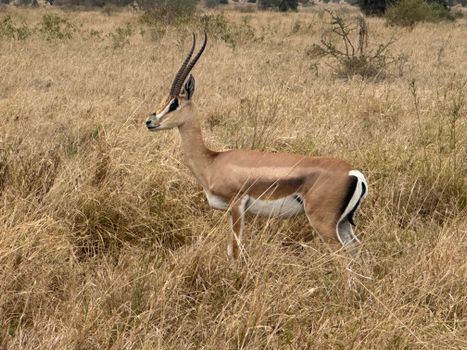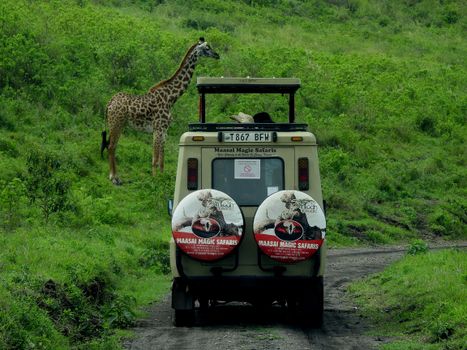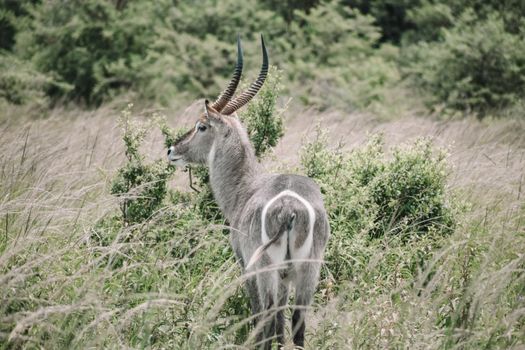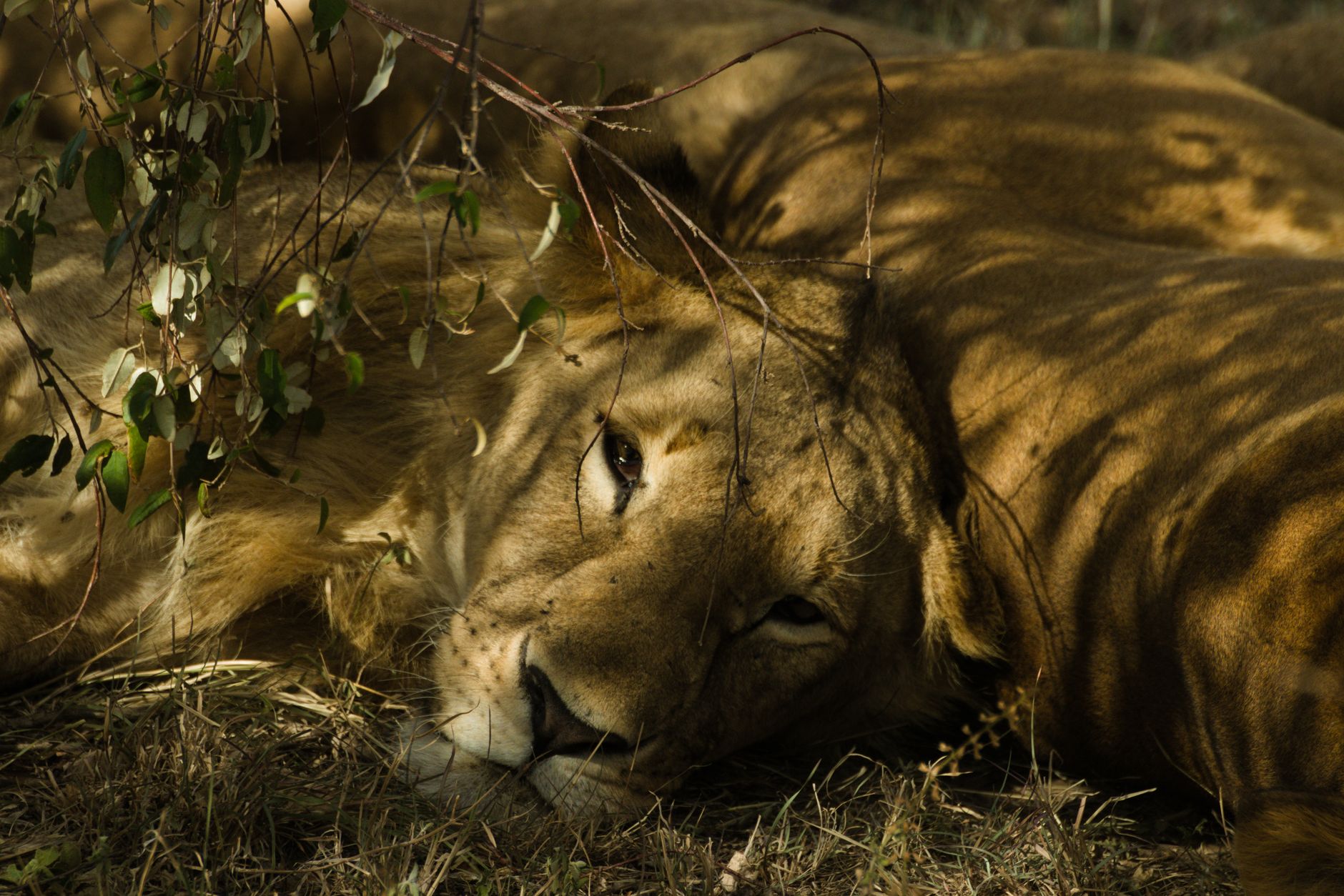
The scent of dust, tinged with the earthy perfume of acacia blossoms after a brief, life-giving shower, still lingers in my memory. It was the kind of air that settles deep into your lungs, a primal invitation. I remember the guttural rumble of a lion's territorial call echoing through the pre-dawn chill, a sound that vibrated not just in my ears, but in my very bones. This was my first taste of Africa, and while Kenya delivered its legendary magic, a whisper of something else began to stir. A curiosity for the untamed, the less-trodden paths, the places where the wild still feels… wild.
This year, the safari landscape is shifting. While Kenya remains a titan, a new wave of destinations is emerging, offering experiences that are not just comparable, but in some ways, surpass its established reputation. These aren't just alternatives; they are the future of authentic, awe-inspiring African adventures.
Beyond the Horizon: Africa's Rising Safari Stars
For too long, the safari narrative has been dominated by a select few. But the continent is vast, and its wilderness is as diverse as it is magnificent. We're talking about destinations that are meticulously managed, deeply committed to conservation, and yet, still possess that raw, exhilarating edge. Think intimate encounters, unparalleled photographic opportunities, and a genuine sense of discovery.
1. Botswana: The Crown Jewel of Pristine Wilderness
Botswana has been a whisper on the lips of seasoned safari-goers for years, but it's now undeniably stepping into the limelight. Its commitment to low-impact, high-revenue tourism means you won't find sprawling resorts or overwhelming crowds. Instead, you get vast, unfenced concessions where wildlife reigns supreme.
The Okavango Delta: A Watery Wonderland Imagine gliding through papyrus-lined channels in a mokoro (traditional dugout canoe), the only sounds the gentle dip of your poler's paddle and the distant cry of a fish eagle. This is the heart of Botswana's magic. The Delta, a UNESCO World Heritage Site, is a unique inland oasis teeming with life. From lions that swim to hunt buffalo to leopards lounging in ancient trees, the sheer abundance and diversity are breathtaking.
- Pro-Tip: For unparalleled birdwatching, visit during the flood season (June-August) when the Delta is at its fullest. The birdlife is simply phenomenal.
- Insider Lingo: "Mokoro" safaris offer a perspective you simply can't get from a jeep. It's about immersion, silence, and observation.
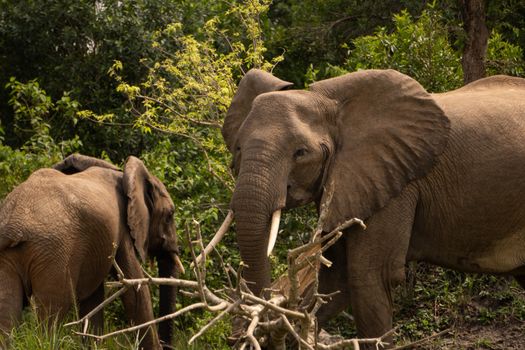
Chobe National Park: The Elephant Epicenter Chobe is famous for its colossal elephant herds. During the dry season, thousands of elephants congregate along the Chobe River, creating a spectacle that is both humbling and exhilarating. Boat safaris here offer incredible close-up views, often with elephants wading right past your vessel.
- Quick Facts: Botswana
- Estimated Cost: $$$$ (High-end, luxury focus)
- Best Time to Visit: Dry season (May-October) for prime wildlife viewing; Wet season (November-April) for lush landscapes and breeding herds.
- How to Get There: Fly into Maun (MUB) or Kasane (BBK) International Airports. Most lodges offer charter flights from these hubs.
2. Namibia: Deserts, Dunes, and Dramatic Wildlife
Namibia is a land of stark contrasts and breathtaking landscapes. Think towering red sand dunes meeting the Atlantic Ocean, ancient desert-adapted wildlife, and a sense of vast, untamed solitude. It’s a photographer’s paradise and a soul-stirring adventure.
Etosha National Park: The Salt Pan Spectacle Etosha is dominated by a massive, shimmering salt pan, which acts as a magnet for wildlife, especially during the dry season. The park's numerous waterholes become bustling social hubs for elephants, lions, rhinos, giraffes, and a myriad of antelope species. The sheer density of animals at these waterholes is astounding.
- Pro-Tip: Stay at camps inside Etosha for early morning and late evening game drives. The light is magical, and the wildlife activity is at its peak.
- Authentic Flavor: The air in Etosha often carries the dry, mineral scent of the salt pan, a unique olfactory signature of this arid wonder.
Damaraland: Ancient Landscapes and Desert Survivors This is where Namibia truly shines for those seeking the extraordinary. Damaraland is home to desert-adapted elephants and rhinos, creatures that have evolved to survive in one of the harshest environments on Earth. Tracking these magnificent animals on foot with expert guides is an unforgettable experience. The rugged, rocky terrain dotted with ancient rock art sites adds another layer of profound discovery.
- Quick Facts: Namibia
- Estimated Cost: $$$ (Mid-range to luxury, self-drive options available)
- Best Time to Visit: Dry season (May-October) for concentrated wildlife at waterholes; Shoulder seasons (April, November) for fewer crowds.
- How to Get There: Fly into Windhoek (WDH) Hosea Kutako International Airport. Car rental is highly recommended for self-drive adventures.
3. Uganda: The Primate Paradise
When you think of primates, Uganda should immediately spring to mind. While not a traditional "big five" destination in the same vein as Kenya, its unparalleled primate encounters, particularly with mountain gorillas and chimpanzees, offer a profoundly moving and intimate wildlife experience.
Bwindi Impenetrable National Park: Gorilla Sanctuary Trekking through the dense, mist-shrouded rainforest of Bwindi to encounter a family of mountain gorillas is a spiritual experience. The sheer power and gentle nature of these magnificent creatures, just inches away, is something that words can barely capture. The guides, often former trackers, possess an encyclopedic knowledge of the forest and its inhabitants.
- Pro-Tip: Book your gorilla permits months in advance. They are limited and sell out quickly. Wear sturdy, waterproof hiking boots and layers of clothing.
- Sensory Detail: The air in Bwindi is thick with humidity and the rich, damp smell of decaying leaves and fertile earth. The sounds are a constant symphony of insect chirps, bird calls, and the rustling of unseen creatures.
Kibale National Park: Chimpanzee Capital Kibale is renowned for its high density of chimpanzees. Guided chimpanzee treks here are incredibly rewarding, offering hours of observation as these intelligent primates swing through the canopy, forage, and interact. The park also boasts 12 other primate species, making it a primate lover's dream.
- Quick Facts: Uganda
- Estimated Cost: $$ - $$$ (Mid-range, especially with multiple park visits)
- Best Time to Visit: Dry seasons (June-August and December-February) for easier trekking; Wet season offers lush scenery and potentially lower prices.
- How to Get There: Fly into Entebbe (EBB) International Airport. Internal flights or road transfers to national parks.
4. Zambia: The Birthplace of Walking Safaris
Zambia offers a wilder, more rugged safari experience, and it's the undisputed champion of walking safaris. This is for the traveler who craves an authentic, unadulterated connection with the bush, where every sense is engaged.
South Luangwa National Park: The Walking Safari Capital South Luangwa is considered the birthplace of the walking safari, and for good reason. Here, you can explore the wilderness on foot with highly trained guides and armed scouts, learning about tracking, medicinal plants, and the smaller details of the ecosystem. The concentration of leopards in this park is also legendary.
- Insider Lingo: A "walking safari" isn't just a hike; it's an education. You learn to read the bush, understand animal behavior, and appreciate the intricate web of life.
- Authentic Flavor: The local Zambian cuisine often features nshima (a maize porridge) served with delicious relish made from fresh vegetables or meat.
Lower Zambezi National Park: Riverine Riches This park offers a stunning combination of game drives and water-based activities. The Zambezi River is the lifeblood, providing opportunities for canoeing safaris, boat trips, and fishing, all while keeping an eye out for elephants, hippos, crocodiles, and abundant birdlife along the banks.
- Pro-Tip: Combine a stay in South Luangwa with a visit to the Lower Zambezi for a diverse Zambian safari experience.
- Quick Facts: Zambia
- Estimated Cost: $$$ (Mid-range to luxury)
- Best Time to Visit: Dry season (June-October) for concentrated wildlife along rivers and waterholes; Walking safaris are best during this period.
- How to Get There: Fly into Lusaka (LUN) Kenneth Kaunda International Airport. Charter flights are common to park airstrips.
5. Malawi: The Warm Heart of Africa and Lakeside Adventures
Often overlooked, Malawi offers incredible wildlife viewing, stunning landscapes, and a genuinely welcoming culture, earning it the nickname "The Warm Heart of Africa." It's a destination that provides exceptional value and a more relaxed, authentic safari experience.
Liwonde National Park: Rebirth and Riches Liwonde has undergone a remarkable conservation transformation. Once depleted, it's now a thriving ecosystem with healthy populations of elephants, hippos, crocodiles, and a growing number of lions and cheetahs. Boat safaris on the Shire River are a highlight, offering fantastic sightings of hippos, crocodiles, and diverse birdlife.
- Pro-Tip: Visit during the shoulder season (April-May or September-November) for pleasant weather and fewer visitors.
- Authentic Flavor: Malawi's lake fish, often grilled with local spices, is a must-try, especially when enjoyed with a view of the vast, shimmering lake.
Majete Wildlife Reserve: A Conservation Success Story Majete is a prime example of successful reintroduction and conservation efforts. It's the only place in Malawi where you can find all of the "Big Five" (lion, leopard, elephant, rhino, and buffalo). The reserve's dramatic hills and valleys provide a stunning backdrop for game drives.
- Quick Facts: Malawi
- Estimated Cost: $$ - $$$ (Excellent value for money)
- Best Time to Visit: Dry season (May-October) for best game viewing; Wet season (November-April) for lush scenery and birding.
- How to Get There: Fly into Lilongwe (LLW) Kamuzu International Airport or Blantyre (BLZ) Chileka International Airport. Road transfers or domestic flights to reserves.
Why These Destinations Are Stealing the Spotlight
These emerging destinations offer a potent combination of factors that are resonating with today's discerning traveler:
- Exclusivity and Intimacy: With a focus on low-volume tourism, you get more space, more privacy, and a more personal connection with the wilderness.
- Conservation Leadership: These countries are at the forefront of innovative conservation models, ensuring that your travel directly benefits wildlife and local communities.
- Authenticity: You'll experience a less commercialized, more raw and genuine side of Africa, with opportunities to connect with local cultures.
- Unparalleled Photographic Opportunities: From dramatic landscapes to unique wildlife behaviors, these destinations offer a photographer's dream.
- Value for Money: While some can be high-end, many offer incredible experiences at a more accessible price point than the established giants.
The thrill of discovery is what drives us as travelers, and Africa, in its boundless magnificence, continues to offer it in spades. While Kenya will always hold a special place in the safari pantheon, the horizon is expanding. These emerging destinations are not just alternatives; they are the future, promising adventures that are as profound as they are unforgettable. So, pack your bags, open your mind, and prepare to be amazed by the wild heart of a continent that's constantly revealing new wonders.
---