Kenya is one of the most familiar safari destinations in the world, with well-known national parks, a long tradition of guided wildlife viewing and a wide choice of lodges. Travelers who want to compare options often find that other African countries offer their own strengths, from the wetlands of the Okavango Delta to the vast plains of the Serengeti. There is no single best safari. The right destination depends on the wildlife you hope to see, the landscapes you enjoy, the time of year and the style of experience you prefer. This guide describes several alternatives to Kenya and explains what each is known for.
Tanzania: Serengeti and Ngorongoro
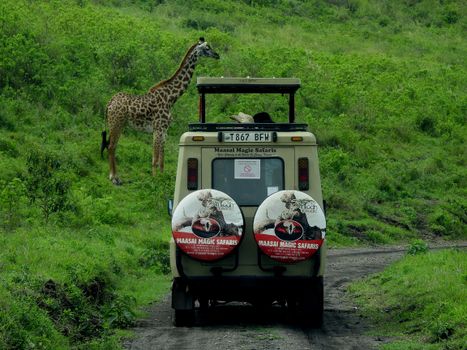
Tanzania's northern circuit includes the Serengeti National Park, known for its extensive grasslands and seasonal animal movements, and the Ngorongoro Crater, a large volcanic caldera that holds a dense concentration of wildlife. The Tarangire and Lake Manyara national parks are often included in northern itineraries, offering elephants, baobab trees and birdlife. Tanzania's southern parks, such as Ruaha, are less visited and suit travelers who want a quieter experience.
Migration patterns in the Serengeti vary from year to year and by season, so talk to a specialist operator about where animals are likely to be at the time of your visit. Park fees and rules are set by the national authority and can change, so verify them before booking.
Botswana: Okavango Delta and Chobe
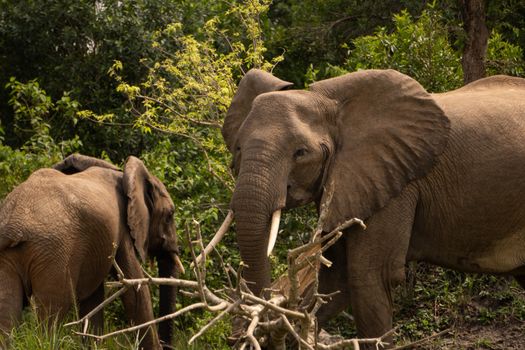
Botswana is known for lower visitor numbers in many areas and for a strong focus on conservation and low-impact tourism. The Okavango Delta is a large inland delta that floods seasonally, creating channels and islands where wildlife gathers. Many camps in the delta are reached by small aircraft or by mokoro, a traditional dugout canoe, and game drives are often combined with boat trips. Chobe National Park, in the north, is known for large elephant herds and riverside wildlife viewing.
Because access in the delta often depends on water levels, check with operators about seasonal conditions. Costs are typically higher than in some other destinations, reflecting the remoteness and conservation model, so budget accordingly.
Zambia: South Luangwa and Walking Safaris
Zambia's South Luangwa National Park is widely regarded as one of the best places in Africa for walking safaris, where visitors explore on foot with trained guides. The park is known for its leopards, and its oxbow lakes and riverine forests support a variety of birdlife and mammals. Zambia's wider parks, including Kafue and Lower Zambezi, offer different landscapes and quieter routes. Walking safaris require good fitness and a willingness to follow guide instructions closely, since they involve close encounters with wildlife.
Wet and dry seasons shape access and wildlife viewing across Zambia. Roads can become difficult during the rains, so many visitors choose to fly between parks.
Namibia: Desert Landscapes and Wildlife
Namibia offers a different type of safari, combining wildlife with dramatic desert scenery. Etosha National Park is known for its large salt pan and waterholes, where animals gather in the dry season. The Namib Desert, including the dunes near Sossusvlei, is one of the most striking landscapes on the continent, and it can be combined with visits to the Skeleton Coast and the coastal towns. Namibia is well suited to self-drive trips, though long distances and gravel roads mean that careful planning is needed.
South Africa and Other Options
South Africa's Kruger National Park is one of the largest reserves on the continent and offers well-developed roads and accommodation. Private reserves adjacent to Kruger, such as those in the Greater Kruger area, provide guided off-road drives in a more exclusive setting. Zimbabwe's Hwange National Park is known for elephants and wide landscapes, while Rwanda is the choice for many travelers who want to see mountain gorillas, which requires permits and advance booking.
Choosing Between Destinations
Consider which animals matter most to you. Big cats, elephants, primates and birds are all available in different combinations across these countries. Think about the scenery you enjoy, from open plains to wetlands and deserts, and whether you prefer a classic game-drive style or walking, boat trips or self-drive touring. Season matters too, since rainfall, grass height and water availability change which animals are visible. Budget, travel time between parks and the level of comfort you want will also shape the final decision.
Practical tips
Work with an operator that is licensed and has experience in the regions you plan to visit. Ask for a clear breakdown of park fees, lodging, transfers and guiding costs. Check vaccination and malaria advice with a travel health professional. Pack neutral-colored clothing, a warm layer for early morning drives, and binoculars. Follow guide instructions at all times, keep voices low and avoid getting out of vehicles outside designated areas. Consider the total travel time between camps, because internal flights and long drives take time.
Safari destinations across Africa share a commitment to wildlife viewing but differ widely in landscape, season and style. Comparing Kenya with Tanzania, Botswana, Zambia, Namibia and other options helps you choose the experience that best fits your interests. Thoughtful planning and responsible guiding make the difference between a rushed trip and a memorable one.