The Call of the Wild: My Rewilding Revelation
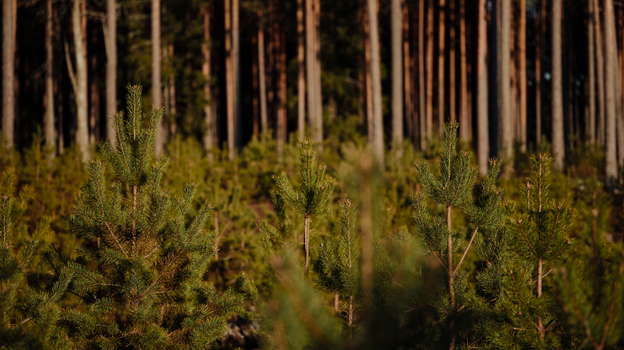
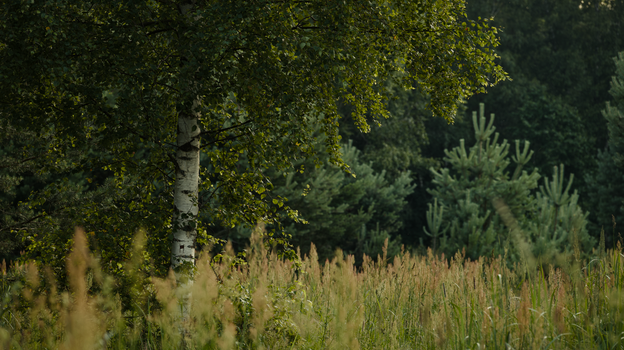
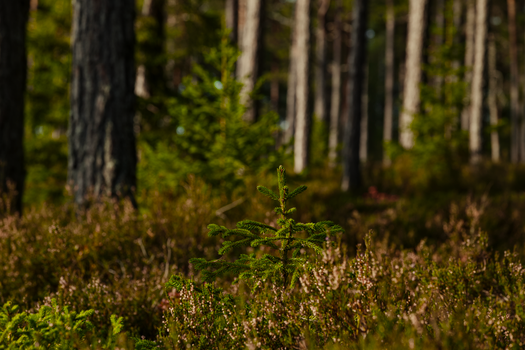
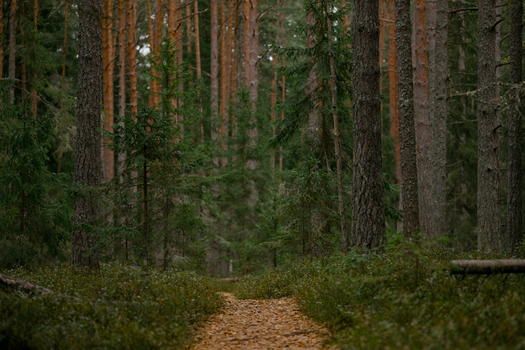
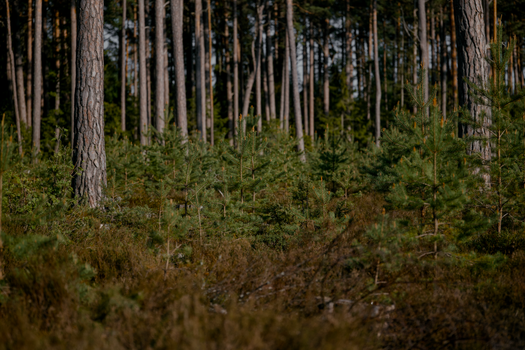
I stepped off the train, and the air hit me – not with the exhaust fumes of a city, but with the damp, earthy scent of peat and pine. A symphony of unseen birdsong, a chorus far more complex than any urban soundtrack, filled my ears. This wasn't just a walk in the woods; it was an immersion. I was in the heart of a rewilding project, a place where nature, given a little space and a lot of respect, was reclaiming its rightful reign. It felt… alive. Truly, vibrantly alive. And you, my fellow wanderers, can experience this too. Forget passive sightseeing; this is about actively participating in the planet's healing.
Rewilding isn't just a buzzword; it's a revolution in how we interact with the natural world. It’s about allowing ecosystems to return to their natural state, fostering biodiversity, and creating resilient landscapes. And the best part? You can be a part of it. Recent data shows a surge in successful rewilding initiatives across the globe, and many are opening their doors – or rather, their wild gates – to curious travelers like us.
Why Rewilding Matters (And Why You Should Care)
Before we dive into the nitty-gritty of where to go, let's get real about the 'why'. Our planet is facing unprecedented environmental challenges. Climate change, habitat loss, and species extinction are not abstract concepts; they are realities impacting the very ecosystems we rely on. Rewilding offers a powerful antidote.
- Biodiversity Boost: By restoring natural processes, rewilding projects create habitats for a vast array of species, from tiny insects to apex predators.
- Climate Resilience: Healthy, diverse ecosystems are better equipped to absorb carbon, regulate water cycles, and withstand extreme weather events.
- Natural Flood Defences: Wetlands and healthy forests act as natural sponges, mitigating flood risks in downstream communities.
- Economic Opportunities: Sustainable tourism around rewilding can create jobs and revenue for local communities, providing an alternative to destructive industries.
- Human Well-being: Spending time in wild, natural spaces has profound benefits for our mental and physical health.
The data is clear: rewilding works. Projects across continents are demonstrating significant ecological recovery, proving that nature, when given the chance, is an incredible restorer. And as travelers, we have a unique opportunity to support these vital efforts.
Your Passport to a Wilder World: Top Rewilding Projects to Visit
I’ve scoured the latest reports and spoken with the people on the ground to bring you a curated list of rewilding projects that are not only making a difference but are also incredibly rewarding to visit. This isn't about curated gardens; it's about stepping into evolving wilderness.
1. The Majestic Return of the Bison in Romania
Project Focus: Reintroducing large herbivores to restore grassland ecosystems.
The Vibe: Imagine vast, rolling plains dotted with ancient forests, where the air hums with life. This is the Carpathian Mountains, a haven for Europe's largest terrestrial mammal – the European Bison. Once hunted to near extinction, these magnificent creatures are now roaming free thanks to dedicated reintroduction programs. Walking through these landscapes, you can almost feel the ancient pulse of the wild.
My Experience: I joined a guided trek, and the thrill of spotting a herd of bison grazing peacefully in a sun-dappled meadow was electrifying. Our guide, a local forester with eyes that seemed to hold the wisdom of the trees, shared stories of the bison’s journey back from the brink. We learned about how their grazing patterns are crucial for maintaining the health of the meadows, creating diverse habitats for countless other species. The scent of wild thyme and damp earth was intoxicating.
Pro-Tip: Visit during the spring (April-May) for the best chance to see newborn calves. Early morning hikes offer the most serene wildlife viewing opportunities.
Quick Facts:
| Category | Details | | :--------------- | :------------------------------------------------- | | Estimated Cost | $50-$150 per day (guided tours, basic lodging) | | Best Time to Visit | April-June, September-October | | How to Get There | Fly into Bucharest (OTP), then train/car to Brasov or Sibiu, followed by local transport or arranged transfers. |
2. The Wild Heart of Scotland: Knepp Estate's Rewilding Revolution
Project Focus: Transforming intensive agriculture into a thriving, self-regulating ecosystem.
The Vibe: This is the rewilding story that truly ignited my passion. The Knepp Estate in West Sussex, England, was once a struggling deer farm. Today, it's a vibrant testament to what happens when you step back and let nature take the lead. Think buzzing insect life, the calls of rare birds, and a palpable sense of wildness just a stone's throw from London. It’s a masterpiece of ecological restoration.
My Experience: Wandering through Knepp felt like stepping into a nature documentary. The sheer abundance of life was staggering. I saw demonstrations of how the free-roaming herbivores – ponies, cattle, and deer – are now shaping the landscape, creating diverse habitats for ground-nesting birds and an explosion of insect diversity. The air thrummed with the buzz of pollinators, and the dawn chorus was an otherworldly spectacle. The focus here is on process-led rewilding, allowing natural dynamics to create the habitat.
Pro-Tip: Book guided safaris or walking tours well in advance – they are incredibly popular. Consider visiting during the summer months for peak insect activity and birdlife.
Quick Facts:
| Category | Details | | :--------------- | :------------------------------------------------- | | Estimated Cost | £100-£250 per day (guided tours, accommodation options vary) | | Best Time to Visit | May-September | | How to Get There | Fly into London Gatwick (LGW) or Heathrow (LHR), then train to Horsham and taxi/pre-booked transfer. |
3. The Iberian Lynx's Comeback: Spain's Dehesa Restoration
Project Focus: Habitat restoration and corridor creation for the critically endangered Iberian Lynx.
The Vibe: Imagine ancient oak woodlands, rolling hills covered in fragrant Mediterranean scrub, and the thrill of knowing you're in the territory of one of the world's most elusive cats. Spain's dehesa landscapes, a mosaic of agriculture and wildness, are being revitalised to provide safe havens for the Iberian Lynx. It’s a story of hope, science, and a deep connection to a unique European ecosystem.
My Experience: My visit to Andalusia was a lesson in the delicate balance of conservation. We explored areas where habitat management is crucial, focusing on increasing rabbit populations (the lynx's primary prey) and creating safe corridors for them to move between protected areas. While spotting a lynx is rare, the sense of their presence, the knowledge that your visit contributes to their survival, is profound. The scent of wild rosemary and the distant bleating of sheep create a truly evocative atmosphere.
Pro-Tip: Engage with local conservation organizations; many offer guided wildlife drives or photography tours in the dehesa. The best time for birdwatching, which often coincides with lynx activity, is spring.
Quick Facts:
| Category | Details | | :--------------- | :------------------------------------------------- | | Estimated Cost | €70-$120 per day (guided tours, rural accommodation) | | Best Time to Visit | March-May, September-November | | How to Get There | Fly into Seville (SVQ) or Malaga (AGP), then rent a car or take buses to towns like Jaén or Sierra de Andújar. |
4. The Majestic Wilderness of Yellowstone: A Pioneering Rewilding Case Study
Project Focus: The reintroduction of wolves and its trophic cascade effect.
The Vibe: Yellowstone. The name alone conjures images of steaming geysers, vast valleys, and iconic wildlife. While not a 'rewilding project' in the strictest sense of starting from scratch, the reintroduction of wolves in the 1990s is one of the most celebrated examples of rewilding's power. It’s a living laboratory demonstrating how one keystone species can transform an entire ecosystem.
My Experience: Standing in Lamar Valley, often called the 'Serengeti of North America', and watching wolves hunt or simply amble across the plains is an experience that stays with you. The 'wolf effect' is undeniable: reduced elk populations have allowed vegetation to recover, leading to increased beaver populations, which in turn have revitalised riparian areas. The crisp, clean air carries the distant howls of these magnificent predators, a sound that is both primal and deeply hopeful.
Pro-Tip: Join guided wolf-watching tours led by experienced naturalists. They have the best spotting scopes and knowledge of wolf pack movements. Early mornings and late evenings are prime viewing times.
Quick Facts:
| Category | Details | | :--------------- | :------------------------------------------------- | | Estimated Cost | $150-$400+ per day (lodging, tours, park fees) | | Best Time to Visit | Spring (for wolf pups) and Autumn (for elk rut) | | How to Get There | Fly into Bozeman Yellowstone International Airport (BZN) or Jackson Hole Airport (JAC), then drive or shuttle. |
5. The Mighty Oostvaardersplassen, Netherlands: A Bold Ecological Experiment
Project Focus: Allowing large herbivores to shape a new wilderness landscape.
The Vibe: This is rewilding on an epic scale, a vast wetland where nature is truly in charge. The Oostvaardersplassen is a bold experiment in creating a self-regulating ecosystem, allowing Konik horses, Heck cattle, and red deer to roam freely. It’s a stark, beautiful, and sometimes challenging landscape that offers a glimpse into a wilder future.
My Experience: The sheer scale of the Oostvaardersplassen is humbling. It’s a place of dramatic skies, windswept grasslands, and the constant movement of large herds. While access is managed to protect the delicate ecosystem, guided tours offer incredible opportunities to witness these animals in their natural habitat. The wind whipping through the reeds, the distant calls of waterbirds, and the sight of powerful herbivores shaping the land are unforgettable. It’s a raw, untamed beauty.
Pro-Tip: Check the official visitor centre website for guided tour availability and booking. Visit on a windy day for the most dramatic atmospheric conditions.
Quick Facts:
| Category | Details | | :--------------- | :------------------------------------------------- | | Estimated Cost | €20-€50 per day (guided tours, transport) | | Best Time to Visit | Year-round, but spring for birdlife and autumn for dramatic colours. | | How to Get There | Fly into Amsterdam Schiphol (AMS), then train to Almere Centrum or Lelystad and local bus/taxi. |
Beyond the Big Names: Supporting Local & Citizen Science
While these large-scale projects are incredible, rewilding is also happening on smaller, community-led scales. Don't underestimate the power of supporting local initiatives!
- Volunteer Holidays: Many organizations offer opportunities to get your hands dirty, from planting trees to monitoring wildlife.
- Citizen Science Projects: Contribute valuable data by participating in bird counts, butterfly surveys, or water quality monitoring. Your observations are crucial!
- Eco-Lodges & Sustainable Stays: Choose accommodations that actively support local conservation efforts or are located within or adjacent to rewilding zones.
Insider Tip: Look for projects that emphasize community involvement. When local people benefit from conservation, rewilding efforts are far more sustainable and impactful.
Planning Your Rewilding Adventure: What to Pack & How to Be a Responsible Traveler
Traveling to rewilding projects is different from a typical vacation. It requires a mindful approach.
Packing Essentials:
- Sturdy, Waterproof Hiking Boots: You’ll be on your feet a lot!
- Layered Clothing: Weather can change rapidly in wild environments.
- Binoculars: Essential for wildlife spotting.
- Camera (with a good zoom): Capture the magic, but always maintain a respectful distance.
- Water Bottle & Reusable Snacks: Minimize waste.
- Insect Repellent: Especially important in warmer months.
- Field Guide: To identify the flora and fauna you encounter.
Responsible Travel Principles:
- Leave No Trace: Pack out everything you pack in.
- Respect Wildlife: Maintain a safe distance, never feed animals, and avoid disturbing their habitats.
- Support Local Economies: Buy local crafts, eat at local restaurants, and use local guides.
- Minimize Your Footprint: Opt for public transport where possible, conserve water and energy.
- Educate Yourself: Learn about the specific challenges and successes of the project you are visiting.
The Future is Wild, and You Can Be Part of It
Stepping into a rewilding project is more than just a trip; it's a profound connection to the natural world. It's a chance to witness resilience, to understand ecological processes, and to contribute to a healthier planet. The data is undeniable: rewilding is a powerful force for good, and by choosing to visit and support these projects, you are becoming an active participant in that positive change.
So, are you ready to trade the concrete jungle for a real one? The wild is calling.
---