The Hook: Why You Need an Alternative in July 2026
I stepped off the unpaved dirt switchback near Cachora at 5:30 AM, inhaling a sharp cocktail of damp eucalyptus leaves, cold granite dust, and woodsmoke drifting from a distant kitchen. Below me, the Apurímac River roared as a faint white ribbon cutting through a two-kilometer-deep canyon. There were no megaphone-wielding tour leads, no shuttles belching diesel, and no pre-assigned walking arrows painted on the stone. It was just me, my trekking poles, and three miles of open ridge leading toward an ancient stone city double the size of Machu Picchu.
July in Peru brings the dry season’s clearest, crispest blue skies—and with it, tens of thousands of travelers packed tightly onto Machu Picchu’s newly restricted, strictly enforced walking routes. Under the updated Ministry of Culture regulations for 2026, visitors get barely two hours to navigate rigid, single-direction loops before being ushered out.
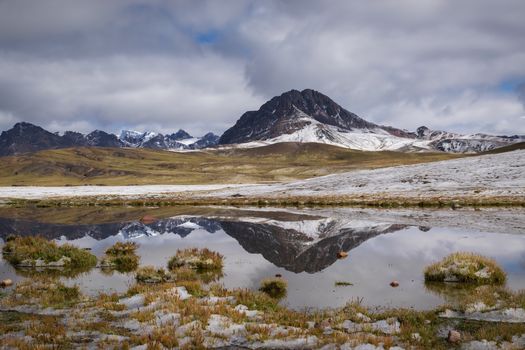
If your vision of the Andes involves quiet contemplation among wind-swept stone terraces, you need to pivot. Fortunately, the Inca and their predecessors built sprawling stone complexes across the entire Peruvian spine. Here are six high-authority, crowd-free alternatives for July 2026 where history still breathes without the crowds.
---
1. Choquequirao: The True "Sister Citadel"
The Experience
Perched high on a remote ridge above the Apurímac Canyon at 3,050 meters, Choquequirao (Quechua for "Cradle of Gold") matches Machu Picchu’s dramatic design, yet receives less than 1% of its daily visitors. Only about 30% of this vast city has been excavated from the high-jungle foliage.
As you descend the dizzying zig-zags toward the site's central plaza, you will stand before the iconic Llamas del Sol—twenty-nine white quartzite llama figures embedded directly into dark slate stone terraces. Standing on these terraces at dusk, watching Andean condors ride the thermal currents off the canyon floor, is a spiritual experience untouched by commercial tourism.
``` Elevation: 3,050 m (10,006 ft) Vibe: Raw, punishing, deeply rewarding Crowd Index: Extremely Low (20–40 visitors/day) ```
Pro-Tips for July 2026
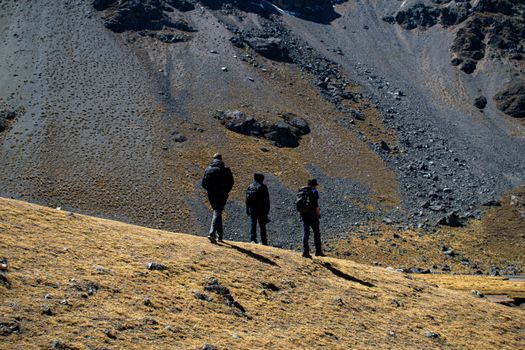
- The Route: The classic route requires a brutal 4-day round-trip trek from Capuliyoc/Cachora. Do not attempt this without trek poles; the 1,500-meter descent down knees-busting switchbacks to Rosalina Bridge will punish your joints.
- Insider Secret: Skip the crowded lower campsite at Playa Rosalina. Push hard up the switchbacks on Day 1 to camp at Marampata. You will wake up above the cloud line, and Señora Juana’s small homestead sells fresh wood-fired tea and house-baked wheat bread.
---
2. Kuelap: The Cloud Warrior Fortress of the North
The Experience
Engineered by the Chachapoyas culture around 600 AD—centuries before the Inca empire expanded—Kuelap sits atop a limestone ridge in Northern Peru's Amazonas region. Surrounded by a massive stone wall up to 20 meters high, the interior contains over 400 circular stone dwellings covered in wild bromeliads, orchids, and hanging mosses.
Following structural preservation work, Kuelap’s central core has reopened with modern, controlled-capacity boardwalks that preserve the integrity of the limestone masonry. The air smells of moist pine and blooming jungle epiphytes, a stark contrast to the drier Andean valleys of the south.
``` Elevation: 3,000 m (9,842 ft) Vibe: Ancient jungle mystery, architectural wonder Crowd Index: Low-Moderate (mostly domestic travelers) ```
Pro-Tips for July 2026
- The Route: Fly from Lima to Chachapoyas (via Jaén or direct regional flights), take a 1-hour transport to Tingo, and ride the modern Teleférico (cable car) across the valley floor directly to the visitors' center.
- Insider Secret: Visit at 08:00 AM on a Tuesday. The morning mist rising out of the Utcubamba Valley wraps around the outer wall, creating exceptional lighting for wide-angle photography before regional day-tour groups arrive around 11:30 AM.
---
3. Huchuy Qosqo: "Little Cusco" Above the Sacred Valley
The Experience
If you are short on time but crave authentic Incan engineering without the Disney-style queues of Ollantaytambo, Huchuy Qosqo is your answer. Legend states that the Inca Emperor Viracocha retreated here during an invasion around 1438.
The site features rare multi-story structures combining precision-fitted granite bases with preserved mud-brick (adobe) upper levels, along with a massive 40-meter-long kallanka (great hall). The panorama stretches across the snow-capped Urubamba mountain range.
``` Elevation: 3,650 m (11,975 ft) Vibe: High-alpine solitary escape Crowd Index: Very Low (10–15 visitors/day) ```
Pro-Tips for July 2026
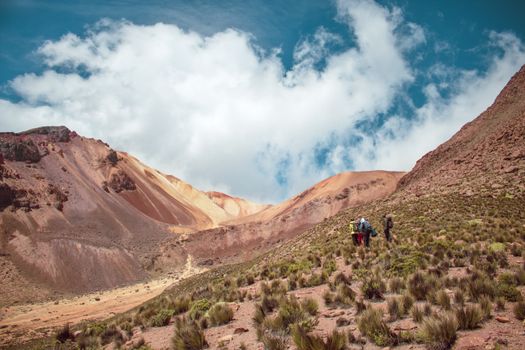
- The Route: Avoid the steep vertical climb from Lamay. Instead, take a private taxi to the high-altitude village of Tauca (near Chinchero). From there, enjoy an easy-to-moderate 12-kilometer trail that descends through a red-rock gorge before opening onto the ruins.
- Insider Secret: Pass through the blue painted door at the edge of the lower terraces to locate the ancient Incan water channel. Follow it back 100 meters to find a natural stone bench shaded by wild polylepis trees—the ultimate secluded spot for a trail lunch.
---
4. Espíritu Pampa: The Last Rebel Jungle Citadel
The Experience
For real adventure travelers, Espíritu Pampa represents the ultimate frontier. Located deep in the Ceja de Selva (eyebrow of the jungle) in the Vilcabamba region, this was the final stronghold where Manco Inca and his successors resisted Spanish conquistadors until 1572.
Subtropical humidity, thick tree roots wrapped around granite lintels, and loud flocks of green parrots replace the manicured lawns of commercial sites. This is raw, unrefined archaeology where you can still discover uncatalogued stone walls covered in moss.
``` Elevation: 1,450 m (4,757 ft) Vibe: Indiana Jones-style jungle expedition Crowd Index: Near Zero (1–5 visitors/week) ```
Pro-Tips for July 2026
- The Route: Base yourself in Quillabamba. Secure a 4x4 vehicle with a local driver to take you toward Chaullay and the trailhead at Chuyu.
- Insider Secret: Bring strong vector repellent (30%+ DEET or Picaridin) to ward off tiny black flies (manta blanca). Wear long-sleeve, lightweight synthetic shirts—the jungle humidity is high, but skin coverage is essential.
---
5. Marcahuamachuco: Northern Peru's Pre-Incan Megalith
The Experience
Often described by Andean historians as the "Machu Picchu of the North," Marcahuamachuco is a massive pre-Incan stone complex built atop a isolated mesa at 3,700 meters in the La Libertad department. Constructed between 400 and 1000 AD, its monumental double-walled stone rotundas and tall rectangular galleries rival any site in South America.
Because it falls outside the standard tourist circuits, you will likely have the entire 2-square-kilometer plateau to yourself. The wind howling through ancient stone windows overlooking sheer cliffs creates an unforgettable atmosphere.
``` Elevation: 3,700 m (12,139 ft) Vibe: Wind-swept, massive stone citadel Crowd Index: Near Zero ```
Pro-Tips for July 2026
- The Route: Take a luxury sleeper bus from Trujillo up to the mountain town of Huamachuco (approx. 7 hours). From the town center, hire an auto-rickshaw or taxi for the 30-minute ride up to the plateau base.
- Insider Secret: Arrive by 07:00 AM. Low morning clouds frequently blanket the valley floor beneath the mesa, making the stone walls appear to float over a sea of white fog.
---
6. Ruins of Huari (Ayacucho): The Empire Before the Incas
The Experience
Spanning over 2,000 hectares, the capital of the Wari Empire (600–1000 AD) was once home to an estimated 40,000 people. Located just outside Ayacucho, this archaeological complex features underground multi-story stone crypts, massive urban sectors, and monolithic stone structures hidden among giant prickly pear cacti.
Walking through the Monachayuq sector, you'll see advanced stone-cutting techniques that the Inca later adopted and refined. The site offers incredible historical depth, paired with local food and artisan culture in nearby towns.
``` Elevation: 2,750 m (9,022 ft) Vibe: Arid, vast, deeply historic Crowd Index: Very Low ```
Pro-Tips for July 2026
- The Route: Fly from Lima to Ayacucho (50 minutes), then take a 45-minute colectivo (shared minibus) heading toward Quinua from the main market terminal.
- Insider Secret: After exploring the ruins, stay on the colectivo to the artisan town of Quinua. Order a piping hot plate of puca picante (potatoes in a spiced, toasted peanut sauce) served in handmade clay pottery at the open-air market.
---
Quick Facts & Budget Breakdown (July 2026 Estimates)
Planning an alternative Peruvian expedition requires realistic budgeting and logistical foresight. Below is a comparative breakdown for July 2026:
| Destination | Est. Cost (USD) | Best Time to Arrive | Hike Difficulty | Required Logistics | | :--- | :--- | :--- | :--- | :--- | | Choquequirao | $180 – $350 | 06:30 AM (Marampata) | Hard / Strenuous | 4-Day Trek; Mules/Guide via Cachora | | Kuelap | $45 – $80 | 08:00 AM | Easy / Moderate | Cable Car from Tingo; Flight to Jaén/Chachapoyas | | Huchuy Qosqo | $30 – $60 | 11:00 AM | Moderate | Day Hike from Tauca; Return via Lamay taxicab | | Espíritu Pampa | $250 – $500 | Morning (Overnight) | Moderate / Remote | 4x4 Transport from Quillabamba + Local Jungle Guide | | Marcahuamachuco | $20 – $40 | 07:00 AM | Easy / Moderate | Night Bus Trujillo->Huamachuco; Short Taxi | | Wari (Ayacucho) | $15 – $30 | 09:00 AM | Easy | Colectivo from Ayacucho city center |
\Costs include local transport, regional site entry fees, basic guide services, and food. Excludes international flights to Lima.
---
Essential 2026 Trekking Protocols
To protect these sensitive archaeological environments, follow these modern field protocols:
- Tread Lightly on Mortar: Many alternative sites lack protective rope barriers. Never climb or sit on ancient stone walls, especially those with historic mud/clay mortar.
- Acclimatize Correctly: High-altitude sites like Marcahuamachuco (3,700m) and Huchuy Qosqo (3,650m) can cause acute mountain sickness (AMS). Spend at least two full days in Cusco or Arequipa before undertaking high-elevation hikes. Drink local muña (Andean mint) tea to settle your stomach.
- Support Local Economies Direct (Ayni): When visiting remote communities near Choquequirao or Espiritu Pampa, purchase produce, hire local mule drivers (arrieros), and pay fair market wages directly to community members.
---