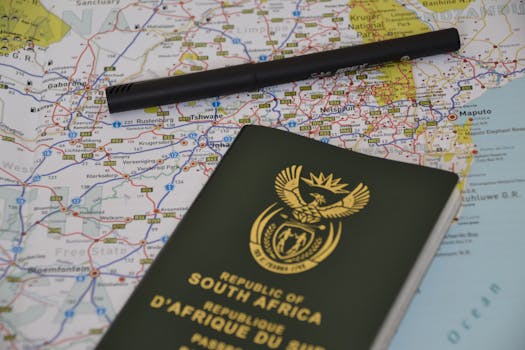
The air in Lisbon crackled with anticipation, a symphony of clinking bica cups and the distant, melancholic strum of a Fado guitar. I’d just landed, the scent of salt and grilled sardines still clinging to my jacket, and already, I felt it – that unmistakable hum of possibility. This wasn't just a vacation; it was reconnaissance for the ultimate digital nomad mission. February 2026 is on the horizon, and the world is buzzing with new opportunities for those of us who trade offices for oceans and commutes for coastlines.
But with so many countries rolling out the red carpet for remote workers, how do you choose? It's not just about the visa itself; it's about the lifestyle, the cost, the community, and that intangible je ne sais quoi that transforms a temporary stay into a genuine experience. Forget endless hours of research; I’ve done the legwork for you. I’ve crisscrossed continents (virtually and, let’s be honest, a few times physically) to bring you the definitive nomad visa comparison for February 2026.
The Nomad Visa Landscape: A Shifting Horizon
The digital nomad visa isn't just a trend; it's a revolution. Governments are waking up to the economic benefits of welcoming skilled, mobile professionals. This means more options, often more streamlined processes, and a growing recognition of our unique needs. But the landscape is constantly evolving. What was a dream destination last year might have new requirements, and a dark horse might emerge from the shadows with an irresistible offer. For February 2026, we're looking at a mix of established players and exciting newcomers.
Decoding the "Why Now?" for February 2026
Why February? It's a sweet spot. Many countries finalize their visa policies and tourism initiatives in late autumn or early winter. By February, these programs are often in full swing, offering a chance to get in before the peak season rush and potentially benefit from early adoption incentives. Plus, for many of us in the Northern Hemisphere, escaping the winter chill for warmer climes is practically a professional necessity.
The Contenders: Top Nomad Visa Destinations for February 2026
I’ve narrowed it down to a curated list of countries that are not only offering robust nomad visa programs but also deliver on the promise of an enriching, sustainable, and downright enjoyable remote work experience.
1. Portugal: The Enduring Favorite
Portugal has long been the darling of the digital nomad community, and for good reason. Its D7 (Passive Income) visa, while not exclusively for nomads, has been a gateway, and the upcoming Digital Nomad Visa (DNV) is set to solidify its position.
The Vibe: Imagine sipping Vinho Verde on a sun-drenched Algarve beach, the sound of waves a constant soundtrack to your coding. Or perhaps you prefer the historic charm of Lisbon's Alfama district, with its labyrinthine alleys and vibrant street art. Portugal offers a perfect blend of affordability, stunning scenery, and a welcoming culture.
Visa Specifics (Anticipated for Feb 2026):
- Type: Digital Nomad Visa (likely a long-stay visa valid for initial residency, then renewable).
- Income Requirement: Expected to be around €3,040 per month (roughly 3x the Portuguese minimum wage), though this can fluctuate.
- Application Process: Typically involves applying at a Portuguese consulate in your home country, followed by registration upon arrival.
- Pros: Excellent infrastructure, strong expat community, relatively low cost of living compared to other Western European nations, fantastic food and wine, diverse landscapes.
- Cons: Can get crowded in popular tourist spots, bureaucracy can be slow at times.
Pro-Tip: For the D7 visa, securing a long-term rental contract before applying can significantly strengthen your application. For the DNV, ensure all your income documentation is meticulously translated and notarized.
Quick Facts - Portugal:
- Estimated Monthly Cost (Excl. Visa Fees): $1,200 - $2,000 (depending on city and lifestyle)
- Best Time to Visit/Apply: February offers pleasant weather, fewer crowds than spring/summer.
- How to Get There: Major international airports in Lisbon (LIS), Porto (OPO), and Faro (FAO).
2. Spain: Siesta Meets Sophistication
Spain has officially launched its Digital Nomad Visa, and it’s a game-changer. This program is specifically designed for remote workers and freelancers, making it more straightforward than navigating existing visa categories.
The Vibe: From the architectural marvels of Barcelona and the flamenco rhythms of Seville to the laid-back beaches of the Canary Islands, Spain offers an intoxicating blend of culture, history, and vibrant modern life. The food scene alone is worth the move – think endless tapas and the freshest seafood.
Visa Specifics (Anticipated for Feb 2026):
- Type: Digital Nomad Visa (initially valid for 1 year, renewable for up to 5 years).
- Income Requirement: Approximately €2,520 per month (around 200% of the Spanish minimum wage).
- Application Process: Apply through Spanish consulates abroad. You'll need proof of remote employment, financial means, and health insurance.
- Pros: High quality of life, excellent healthcare system, diverse regions to explore, vibrant culture, delicious cuisine, generally good internet connectivity.
- Cons: Bureaucracy can be notoriously slow, especially in larger cities. Some regions have higher living costs.
Insider Insight: Embrace the siesta culture! Many smaller shops close between 2 PM and 5 PM. Plan your errands accordingly. If you're in Madrid, the Lavapiés neighborhood offers a fantastic, multicultural vibe with affordable eats.
Quick Facts - Spain:
- Estimated Monthly Cost (Excl. Visa Fees): $1,500 - $2,500 (depending on region and lifestyle)
- Best Time to Visit/Apply: February offers mild weather across much of the country, especially the south and islands.
- How to Get There: Major international airports in Madrid (MAD), Barcelona (BCN), Malaga (AGP), and Palma de Mallorca (PMI).
3. Croatia: Adriatic Charm & Affordability
Croatia’s Digital Nomad Visa has been a revelation, offering a stunning coastline and a more affordable entry point into Europe for remote workers. It's a temporary stay permit, but renewable, making it a viable long-term option.
The Vibe: Imagine waking up to the shimmering turquoise waters of the Adriatic Sea, with ancient walled cities like Dubrovnik and Split just a ferry ride away. Croatia offers a more relaxed pace of life, incredible natural beauty, and a burgeoning digital nomad scene.
Visa Specifics (Anticipated for Feb 2026):
- Type: Temporary Stay Permit for Digital Nomads.
- Income Requirement: Around €2,500 per month.
- Application Process: Apply at a Croatian embassy or consulate abroad. You'll need proof of remote work, financial stability, and health insurance.
- Pros: Breathtaking coastline, charming historic towns, relatively low cost of living, friendly locals, growing nomad community.
- Cons: Can be seasonal, with more amenities and services available during warmer months. Internet can be spotty in more remote islands.
Pro-Tip: Explore the islands beyond the main tourist hubs. Vis or Korčula offer a more authentic experience. For the best local pastries, look for bakeries displaying a small sign with a bee – it signifies local honey!
Quick Facts - Croatia:
- Estimated Monthly Cost (Excl. Visa Fees): $1,000 - $1,800
- Best Time to Visit/Apply: February is off-season, meaning fewer crowds and lower prices, but some coastal businesses may be closed. The weather is mild but cool.
- How to Get There: Major international airports in Zagreb (ZAG), Split (SPU), and Dubrovnik (DBV).
4. Estonia: The Digital Pioneer's Playground
Estonia was one of the first countries in the world to offer a dedicated Digital Nomad Visa, and its tech-savvy approach continues to impress. This is a place for those who appreciate efficiency, innovation, and a seamless digital experience.
The Vibe: Tallinn’s medieval Old Town is a UNESCO World Heritage site, but step outside and you’re in a hyper-modern European capital. Think co-working spaces powered by renewable energy, lightning-fast internet, and a culture that embraces innovation. It's clean, efficient, and surprisingly affordable.
Visa Specifics (Anticipated for Feb 2026):
- Type: Digital Nomad Visa (allows stays up to 12 months).
- Income Requirement: Around €4,200 per month (this is a higher requirement, reflecting Estonia's developed economy).
- Application Process: Apply online through the Estonian Police and Border Guard Board's website or at a consulate.
- Pros: Pioneer in digital governance, excellent internet, strong tech scene, safe, efficient public services, relatively low cost of living for Northern Europe.
- Cons: Winters can be long and dark, the language can be challenging, and the higher income requirement might exclude some.
Insider Insight: Don't miss the chance to explore the unique startup culture in Tallinn. Visit a local kohvik (cafe) and strike up conversations – you’ll be surprised who you meet. The e-Residency program also makes it easy to set up a business.
Quick Facts - Estonia:
- Estimated Monthly Cost (Excl. Visa Fees): $1,300 - $2,200
- Best Time to Visit/Apply: February is prime winter. Embrace the snow, ice skating, and cozy cafes! If you prefer milder weather, consider late spring or early autumn.
- How to Get There: Tallinn Airport (TLL) has good connections to major European hubs.
5. Indonesia (Bali): Tropical Paradise Beckons
While Indonesia hasn't officially launched a dedicated Digital Nomad Visa with a clear pathway for long-term stays and work permits as of early 2024, rumors and policy discussions strongly suggest a "Second Home" visa or a similar long-term stay option that will cater to remote workers. Bali, in particular, has become a mecca for digital nomads.
The Vibe: Picture yourself on a surfboard in the morning, laptop open overlooking rice paddies in the afternoon, and enjoying vibrant vegan cuisine in the evening. Bali is synonymous with a tropical, spiritual, and community-focused lifestyle. The cost of living can be incredibly low, and the natural beauty is unparalleled.
Visa Specifics (Anticipated for Feb 2026):
- Type: Likely a "Second Home" visa or a long-term tourist visa with work-from-paradise privileges. The specifics are still TBC, but the intention is to attract remote workers.
- Income Requirement: Likely to be substantial, possibly demonstrating significant financial assets or a high monthly income.
- Application Process: Details are still emerging. Keep a close eye on official Indonesian immigration announcements.
- Pros: Extremely low cost of living, incredible natural beauty, strong spiritual and wellness culture, vibrant community, delicious and affordable food.
- Cons: Infrastructure can be challenging (traffic, internet reliability in some areas), visa situation is still evolving and requires careful monitoring, potential for over-tourism in certain spots.
Pro-Tip: For Bali, embrace the local warungs (small restaurants) for the most authentic and cheapest meals. Learn a few basic Indonesian phrases – it goes a long way! If you’re looking for a more serene experience, consider Canggu or Uluwatu over the busier Kuta/Seminyak areas.
Quick Facts - Indonesia (Bali Focus):
- Estimated Monthly Cost (Excl. Visa Fees): $800 - $1,500 (highly dependent on lifestyle)
- Best Time to Visit/Apply: February falls within the wet season, but rainfall is often in short, intense bursts, leaving plenty of sunshine. It's also a less crowded time.
- How to Get There: Ngurah Rai International Airport (DPS) in Denpasar, Bali.
The Verdict: Which Country Wins in February 2026?
This is where it gets personal. There’s no single "winner" for everyone, but here’s my breakdown based on different priorities:
- For the Budget-Conscious Explorer: Croatia offers incredible value for money with stunning scenery. If Indonesia solidifies its visa policy, it will also be a top contender for sheer affordability and lifestyle.
- For the Established Digital Nomad Seeking Infrastructure: Portugal remains a powerhouse with its established community and excellent amenities. Spain is rapidly catching up with its tailored visa.
- For the Tech Enthusiast: Estonia is unparalleled in its digital innovation, though the income requirement is a barrier for some.
- For the Tropical Dreamer: Indonesia (Bali), with the caveat that you need to stay updated on evolving visa regulations, offers an unparalleled tropical lifestyle.
My Personal Pick for February 2026?
If I were to pack my bags today for February 2026, I'd be torn between the established charm of Portugal and the exciting potential of Spain. Portugal’s DNV is likely to be well-tested and smooth, offering that perfect blend of European life and affordability. However, Spain's specific nomad visa, coupled with its vibrant culture and diverse regions, makes it incredibly compelling. The allure of a new, purpose-built visa program in a country with such rich heritage is hard to resist.
Ultimately, the "winning" country is the one that best aligns with your personal travel style, financial situation, and professional needs.
Planning Your Nomad Journey: Essential Steps
- Check Official Sources: Visa requirements change. Always verify information with the official immigration websites of your target country.
- Gather Documentation: Start early! You'll likely need proof of income (payslips, tax returns), bank statements, health insurance, a passport with sufficient validity, and possibly a criminal record check.
- Secure Health Insurance: This is non-negotiable. Ensure your policy covers you internationally for the duration of your stay.
- Book Flights & Accommodation: Once your visa is approved, book your travel. For longer stays, consider Airbnb or local rental platforms.
- Embrace the Adventure: The most important step! Be open to new experiences, connect with locals, and enjoy the freedom of your mobile lifestyle.
The world is your office. February 2026 is your chance to redefine it. Happy travels!