The Hook: A Symphony of Silence and Sights
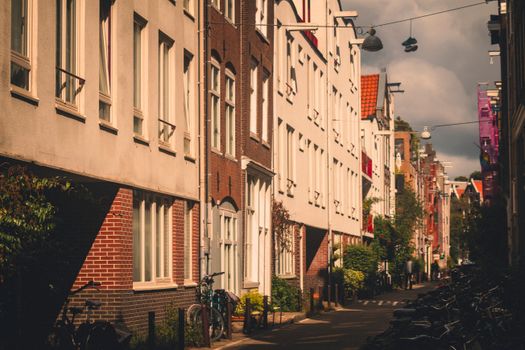
I stepped off the train and into a different world. The usual urban cacophony – the honking horns, the rumbling engines, the impatient shouts – was replaced by a gentle hum. The air, crisp and clean, carried the faint aroma of roasting chestnuts and something faintly floral, perhaps from a hidden courtyard garden. Sunlight, a rare winter guest in many cities, dappled through narrow cobblestone alleys, illuminating ancient stone facades and vibrant window boxes. This wasn't just a city; it was a living, breathing organism, powered by footsteps and the quiet whir of bicycles. I had arrived in a car-free paradise, and it was instantly intoxicating.
The Rise of the Pedestrian Paradise: Why Car-Free is the Future of Urban Tourism
For too long, our cities have been dominated by the automobile. But a quiet revolution is underway. Travelers are increasingly seeking authentic, immersive experiences, and car-free cities are leading the charge. They offer a chance to reconnect with the soul of a destination, to wander without haste, and to discover those serendipitous moments that make travel truly memorable. This winter, a select few cities are not just surviving without cars; they are thriving, offering a glimpse into a more sustainable and human-centric future of urban tourism.
1. Venice, Italy: The Timeless Floating Masterpiece
Venice needs no introduction, yet its car-free status is its most defining characteristic. The absence of vehicles transforms the city into an unparalleled pedestrian experience.
Navigating the Labyrinth
Forget Ubers; your primary modes of transport are your own two feet and the iconic vaporetti (water buses). Getting lost in Venice isn't a misfortune; it's an essential part of the charm. Each wrong turn leads to a hidden campo (square), a quiet canal bridge, or a tiny bacaro (wine bar) serving cicchetti (Venetian tapas).
Pro-Tip: For the quintessential Venetian experience, wake up before dawn. Witness the city awaken without the crowds, capture breathtaking photos of the sunrise over the Grand Canal, and enjoy a quiet coffee in a deserted Piazza San Marco.
Insider's Take: Beyond the Tourist Trail
While St. Mark's Basilica and the Doge's Palace are must-sees, venture into the Dorsoduro sestiere. Here, you'll find quieter art galleries, artisan workshops, and local trattorias where the sarde in saor (sweet and sour sardines) is a revelation. Don't miss the Libreria Acqua Alta, a wonderfully quirky bookshop where books are stored in bathtubs and gondolas to protect them from floods.
Quick Facts: Venice
- Estimated Costs ($):
- Accommodation: $$$ (can vary wildly)
- Food: $$ (bacari are budget-friendly)
- Vaporetto Pass: $ (essential for longer distances)
- Best Time to Visit: Winter (November-February) offers fewer crowds and a magical, misty atmosphere. Avoid Carnival if you dislike extreme crowds.
- How to Get There: Fly into Venice Marco Polo Airport (VCE) or Treviso Airport (TSF). From there, take a water taxi, Alilaguna water bus, or land bus to Piazzale Roma, the city's car-accessible gateway.
2. Bruges, Belgium: A Medieval Fairytale in Motion
Bruges feels like stepping onto a movie set. Its perfectly preserved medieval architecture, winding canals, and horse-drawn carriages create an atmosphere of timeless romance.
The Art of Slow Travel
The compact city center is best explored on foot. Wander across picturesque bridges, admire the gingerbread-like houses, and soak in the ambiance of the Markt square. The gentle clip-clop of horses is the dominant sound, adding to the enchanting soundtrack of Bruges.
Pro-Tip: Take a canal cruise early in the morning. You'll get unparalleled views of the city's architecture without the midday throngs, and the mist rising from the water is incredibly photogenic.
Local Delights: Chocolate, Beer, and Lace
Bruges is a haven for foodies. Indulge in world-class Belgian chocolate from artisanal chocolatiers like The Chocolate Line. Sample a dizzying array of Belgian beers at 't Brugs Beertje. And for a truly unique souvenir, explore the intricate lace shops that have been a tradition for centuries.
Quick Facts: Bruges
- Estimated Costs ($):
- Accommodation: $$
- Food: $$ (chocolate and waffles can add up!)
- Canal Cruise: $
- Best Time to Visit: Winter (December-February) is enchanting with Christmas markets and fewer tourists. Spring and autumn also offer pleasant weather and fewer crowds than summer.
- How to Get There: Fly into Brussels Airport (BRU). Take a direct train to Bruges (approx. 1 hour). Bruges itself is entirely walkable from the train station.
3. Giethoorn, Netherlands: The "Venice of the North"
This Dutch village takes car-free to an extreme. With no roads in its historic center, life revolves around its picturesque canals, connected by over 170 charming wooden bridges.
Gliding Through the Waterways
Your primary mode of transport here is a whisper boat (an electric-powered punt) or a traditional rowboat. Drifting along the tranquil canals, past thatched-roof farmhouses and blooming gardens, is an utterly serene experience.
Pro-Tip: Rent your own whisper boat and explore at your own pace. Pack a picnic of Dutch cheeses and stroopwafels to enjoy on the water. Visit during the week in winter for the most authentic, peaceful experience.
A Taste of Dutch Village Life
While the canals are the star, the village itself is a delight. Stop at a waterside cafe for a warm poffertjes (miniature Dutch pancakes) and a strong coffee. The pace of life here is wonderfully slow, inviting you to simply relax and absorb the tranquil surroundings.
Quick Facts: Giethoorn
- Estimated Costs ($):
- Accommodation: $$ (cottage rentals are popular)
- Food: $
- Whisper Boat Rental: $
- Best Time to Visit: Winter offers a unique charm with frost-covered landscapes and fewer visitors. Spring and summer are vibrant with flowers.
- How to Get There: Fly into Amsterdam Schiphol Airport (AMS). Take a train to Steenwijk station, then a bus (line 70) to Giethoorn.
4. Hydra, Greece: An Aegean Gem Without Wheels
This Saronic Island is a breath of fresh air, literally. Cars are strictly forbidden, making it a haven for those seeking peace and quiet, with donkeys and water taxis as the primary modes of transport.
Island Rhythms
The charming port town is a maze of narrow, winding alleys, perfect for exploring on foot. The only sounds are the gentle lapping of waves, the braying of donkeys carrying goods, and the chatter of locals. The lack of traffic noise allows the natural beauty of the island to truly shine.
Pro-Tip: Explore the island's rugged interior on foot. Hike to the Monastery of Profitis Ilias for panoramic views, or discover hidden coves accessible only by trail. The scent of wild herbs fills the air.
Island Flavors and Sunset Views
Hydra's culinary scene is as delightful as its scenery. Enjoy fresh seafood at a taverna overlooking the harbor, savor traditional Greek dishes, and sip on ouzo as the sun dips below the horizon, painting the sky in hues of orange and pink.
Quick Facts: Hydra
- Estimated Costs ($):
- Accommodation: $$
- Food: $$
- Donkey Ride: $ (optional, but a unique experience)
- Best Time to Visit: Spring (April-May) and Autumn (September-October) offer pleasant weather and fewer crowds. Winter is very quiet and can be windy.
- How to Get There: Fly into Athens International Airport (ATH). Take a ferry from Piraeus Port (Athens) to Hydra (approx. 1.5-2 hours).
5. Fes el-Bali, Morocco: A Medieval Medina's Embrace
Stepping into the Fes el-Bali medina is like time travel. This UNESCO World Heritage site is one of the world's largest car-free urban areas, a sprawling labyrinth of over 9,000 alleys.
The Sensory Overload of the Medina
The medina is a vibrant assault on the senses, in the best possible way. The air is thick with the aroma of exotic spices, tanned leather, and sweet mint tea. The sounds are a symphony of artisans hammering metal, merchants calling out their wares, and the melodic call to prayer echoing from minarets. Donkeys are the lifeblood of the medina, carrying goods through its narrow arteries.
Pro-Tip: Hire a local guide for your first day. They can navigate the complex maze and point out hidden gems like the Nejjarine Museum of Wooden Arts & Crafts and the historic tanneries, sharing fascinating insights into the medina's history.
Authentic Encounters and Craftsmanship
Fes is renowned for its traditional crafts. Witness the intricate tilework of the Bou Inania Madrasa, marvel at the skill of the leather tanners (the smell is potent but part of the experience!), and perhaps purchase a hand-woven rug or a piece of intricately carved metalwork. Enjoy a tagine bursting with flavor at a rooftop restaurant overlooking the bustling medina.
Quick Facts: Fes el-Bali
- Estimated Costs ($):
- Accommodation: $ (riad stays offer incredible value)
- Food: $
- Local Guide: $
- Best Time to Visit: Spring (March-May) and Autumn (September-November) offer pleasant temperatures. Summers can be very hot.
- How to Get There: Fly into Fes–Saïs Airport (FEZ). Take a taxi to the edge of the medina (Bab Bou Jeloud is a common entry point).
The Environmental and Experiential Edge
Choosing a car-free city for your winter escape isn't just about novelty; it's about embracing a more conscious and enriching way to travel. These destinations offer:
- Reduced Carbon Footprint: Significantly lower emissions contribute to cleaner air and a healthier planet.
- Enhanced Safety: Streets free from vehicular traffic are inherently safer for pedestrians and cyclists.
- Deeper Immersion: The absence of cars forces you to slow down, observe, and truly engage with your surroundings. You notice the details – the intricate carvings on a doorway, the local dialect, the aroma of freshly baked bread.
- Authentic Local Life: You're more likely to encounter real communities and experience the daily rhythms of a place, rather than just the tourist veneer.
Planning Your Car-Free Winter Escape
Logistics are Key: While these cities are car-free within their core tourist areas, you'll still need to consider how to get to them. Most have excellent public transport links from major airports. Once there, embrace walking, local public transport (where available), or unique alternatives like water taxis or donkeys.
Pack Smart: Comfortable walking shoes are non-negotiable. Layers are essential for winter travel, and don't forget a good quality camera to capture the magic.
Embrace the Pace: The beauty of car-free cities lies in their slower pace. Resist the urge to rush. Allow yourself to get lost, to linger, and to discover the unexpected.
This winter, trade the exhaust fumes for fresh air and the traffic jams for charming cobblestone streets. These car-free cities are not just destinations; they are experiences waiting to be savored. They represent the future of urban tourism, offering a blueprint for sustainable, authentic, and utterly unforgettable adventures. So, where will your footsteps lead you next?