The Hook: A Morning in Kyoto’s Karasuma District
I stepped off the train in Kyoto’s quiet Karasuma district, and the sensory overload of the modern metropolis instantly evaporated. The air smelled of damp cedar, moss, and the faint, toasted-rice aroma of roasted hojicha. Rain dripped softly off the low-slung eaves of a century-old machiya (traditional wooden townhouse). But when I slid open the heavy timber door, I didn't find the dark, cluttered interior of yesteryear.
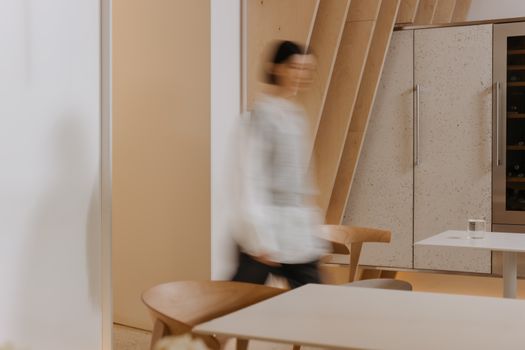
Instead, I was greeted by a soaring, double-height atrium bathed in soft, diffused light. Pale white oak benches sat beneath raw concrete pillars. A single, iconic Hans Wegner Wishbone chair was positioned perfectly near a minimalist rock garden.
This is the physical manifestation of a cross-continental love affair. It’s where the Scandinavian philosophy of lagom (not too little, not too much) meets the Japanese concept of miyabi (elegance). This aesthetic movement—widely known as Japandi—represents the precise style of Nordic minimalism inspiring Asian design experts are recommending to travelers who crave spaces that soothe the nervous system while stimulating the visual senses.
As a travel journalist who has spent a decade sniffing out design trends, I can confidently tell you: East Asia is currently executing Nordic minimalism better than Northern Europe itself. By infusing Scandinavian functionalism with local materials, ancient philosophies, and tropical or historical contexts, Asian architects are creating the most inspiring interiors on the planet.
Here is your masterclass and ultimate travel itinerary to experiencing this design revolution firsthand.
---
1. The Philosophy: Why the "North-East" Fusion Works
At first glance, Copenhagen and Tokyo seem worlds apart. One is a maritime capital of colorful brick facades and canal-side bike lanes; the other is a neon-soaked, high-density mega-city. Yet, beneath the surface, Denmark and Japan share a profound design DNA.
Both cultures harbor a deep-seated respect for natural materials, craftsmanship, and the passage of time.
- Scandinavian Design focuses on hygge (coziness, comfort, and warmth) and funktion (practicality and clean lines). It utilizes light-colored woods like pine, ash, and beech to maximize scarce winter sunlight.
- Traditional Asian Design (particularly Japanese and Korean) is rooted in wabi-sabi (finding beauty in imperfection, transience, and natural decay) and pungsu-jiri (the Korean equivalent of Feng Shui, focusing on harmony with the surrounding landscape).
When these two worlds collide, the coldness of hyper-modern minimalism is softened by warm woods, hand-thrown ceramics, and tactile fabrics. The result is a highly livable, deeply restorative aesthetic that top Asian interior designers are using to combat the frantic pace of modern urban life.
---
2. Tokyo’s Aoyama District: The Epicenter of Warm Minimalist Cafes
To experience this design fusion at its most commercial and polished, you must head to Tokyo's fashion-forward Aoyama and Omotesando neighborhoods. Here, hidden down quiet residential alleyways, are cafes that double as architectural masterpieces.
``` +-----------------------------------------------------------------+ | TOKYO DESIGN HUB | | Spot: HAY Tokyo & Connel Coffee | | Key Element: Pale ash wood, industrial concrete, forest views | +-----------------------------------------------------------------+ ```
HAY Tokyo (Gyre Building)
Located in the basement of the Gyre shopping complex, HAY Tokyo is a massive, living showroom where Danish furniture brand HAY collaborates with Japanese plant curators and local architects. The space is partitioned by modular raw metal scaffolding, but the coldness is completely neutralized by massive, leafy tropical plants and warm, light-oak dining tables. It’s a masterclass in how to make a large, industrial basement feel like a cozy, sun-drenched Scandinavian loft.
- Pro-Tip: Skip the crowded afternoon rush. Arrive at 11:00 AM right when the Gyre building opens. Head straight to the cafe counter inside HAY, order a matcha latte, and claim one of the low-slung, pale-green lounge chairs near the indoor jungle.
Connel Coffee
Designed by the legendary Japanese design studio Nendo, Connel Coffee is located inside the Sogetsu Kaikan building. This building is famous for its indoor rock garden designed by Isamu Noguchi. Nendo kept the original mid-century modern architecture but introduced sleek, minimalist black counters and warm-toned Eames chairs that look out over the lush green canopy of the Akasaka Imperial Palace. The transition between the dark, moody interior and the vibrant green exterior is seamless—a classic Nordic design trick applied to a Japanese urban forest.
---
3. Seoul’s Hanok Revolution: Where Joseon Architecture Meets Danish Hygge
In South Korea, the modern minimalist movement has found an unlikely partner: the hanok (traditional Korean house). In neighborhoods like Seochon and Samcheong-dong, young Korean architects are stripping historic, clay-tiled homes down to their bare timber skeletons and rebuilding them with a distinctly Scandinavian sensibility.
``` +-----------------------------------------------------------------+ | SEOUL DESIGN HUB | | Spot: Cafe Onion Anguk | | Key Element: Exposed pine beams, frameless glass, low seating | +-----------------------------------------------------------------+ ```
Cafe Onion Anguk
Perhaps the most famous example of this hybrid style is Cafe Onion Anguk. Housed in a sprawling, historic hanok, the design team stripped away decades of plaster to reveal the raw, gnarled pine support beams (seorae). They then installed floor-to-ceiling sheets of frameless glass, heated polished-concrete floors, and ultra-minimalist, low-slung white seating.
As you sit cross-legged on a heated floor, drinking an oat milk flat white and looking through glass at a minimalist gravel courtyard, you are experiencing the absolute peak of Korean-Nordic design. The space feels ancient yet incredibly futuristic.
- Pro-Tip: The queue for Cafe Onion can stretch down the block by noon. Visit at 8:00 AM on a weekday. The morning light hitting the wooden rafters is spectacular, and you'll have the peaceful courtyard almost entirely to yourself.
---
4. Kyoto’s Machiya Makeovers: The Ultimate Lesson in Wabi-Sabi Hygge
If Tokyo is about polished commercial spaces, Kyoto is about quiet, residential intimacy. The city's machiya (traditional townhouses) are being preserved and reimagined by design experts who understand that the best way to respect history is to introduce contemporary, functional minimalism.
``` +-----------------------------------------------------------------+ | KYOTO DESIGN HUB | | Spot: Maana Kiyomizu | | Key Element: Dark charred timber, brass fixtures, paper shoji | +-----------------------------------------------------------------+ ```
Maana Kiyomizu
Tucked away in a quiet residential pocket of the historic Higashiyama district, Maana Kiyomizu is a collection of old townhouses transformed into a design-forward boutique retreat. The designers kept the original dark, moody, charred-timber exterior (shou sugi ban) and the uneven clay walls.
Inside, however, they opened up the floor plans to let light flood in. They installed sleek, custom-designed kitchens made from pale Japanese cypress, minimalist brass fixtures imported from Copenhagen, and deeply comfortable, unadorned bedding.
There are no TVs, no plastic, and no unnecessary decorations. Every object in the room—from the hand-carved wooden spoon to the ceramic tea vessel—has been chosen for both its utility and its tactile beauty. It is the perfect marriage of Nordic functionality and Japanese Zen.
- Pro-Tip: Book the "Suite with the Deep Bath." The bathtub is a custom-carved piece of black volcanic stone that overlooks a tiny, private moss garden. Soak at sunset with a cup of local green tea.
---
5. Taipei's Concrete Tea Sanctuaries: Raw Textures and Light Oak
In Taiwan, the design conversation is heavily influenced by the island’s humid, subtropical climate and its rich tea culture. Taiwanese design experts are leaning into a raw, brutalist interpretation of Nordic minimalism, using textured concrete, recycled brick, and light oak to create cool, airy sanctuaries from the bustling tropical streets.
``` +-----------------------------------------------------------------+ | TAIPEI DESIGN HUB | | Spot: Liquide Ambré | | Key Element: Raw concrete, warm oak, dim ambient lighting | +-----------------------------------------------------------------+ ```
Liquide Ambré (琥泊)
Located in the upscale Da'an District, Liquide Ambré is a contemporary tea salon that looks more like a high-end Scandinavian art gallery than a traditional Chinese tea house. Designed with a palette of raw, hand-plastered concrete walls, pale white oak furniture, and matte black steel accents, the space is incredibly soothing.
The tea master sits behind a long, monolithic concrete bar, preparing Taiwanese oolong tea using minimalist glass and ceramic vessels. The lighting is low and theatrical, casting soft shadows that highlight the natural imperfections of the concrete walls—a beautiful nod to both wabi-sabi and the cozy, candle-lit warmth of hygge.
- Pro-Tip: The entrance is notoriously easy to miss. Look for the unmarked, matte-black metal door next to a small, green bamboo planter on Lane 30, Section 4, Xinyi Road. Reservations are highly recommended via their Instagram page.
---
6. Singapore’s Tropical Modernism: Breathing Room in the Urban Jungle
Can Nordic minimalism survive in the sweltering, 90-degree humidity of Southeast Asia? Absolutely. Singaporean architects are proving that by stripping away heavy drapes and dark woods, and replacing them with breathable, light-toned materials and open-air layouts, they can create highly sustainable, cooling urban oases.
``` +-----------------------------------------------------------------+ | SINGAPORE DESIGN HUB | | Spot: Lloyd’s Inn | | Key Element: Raw concrete, outdoor bathrooms, lush foliage | +-----------------------------------------------------------------+ ```
Lloyd’s Inn
Located just a stone’s throw from the chaotic shopping malls of Orchard Road, Lloyd’s Inn is a masterclass in tropical minimalism. The hotel’s design philosophy is "raw, unexpected, and untouched."
The rooms are stark white, featuring raw concrete floors, light-toned wood platform beds, and massive floor-to-ceiling windows that look out onto lush, vibrant tropical foliage. Many rooms feature private, open-air outdoor bathrooms where you can shower under the stars, surrounded by concrete walls and green ferns. By stripping away all visual clutter, the hotel forces your eyes to focus on the natural beauty of the tropical plants outside. It is clean, functional, and deeply restorative.
- Pro-Tip: Book the "Big Sky Room." It features a private outdoor loft bed and an outdoor bathtub hidden behind a screen of lush monstera plants.
---
How to Bring the Look Home: Expert Tips from Asian Interior Designers
You don't need to fly across the world to inject this soothing, high-authority aesthetic into your own home. Here are three core principles that Asian design experts use to achieve the perfect Nordic-Asian fusion:
1. The 60-30-10 Color Rule
- 60% Dominant Color (Neutrals): Use soft, warm off-whites, pale grays, or raw plaster for your walls. Avoid stark, cold whites.
- 30% Secondary Color (Natural Woods): Introduce pale ash, white oak, or natural bamboo through your larger furniture pieces (dining tables, bed frames, shelving).
- 10% Accent Color (Contrast): Use matte black, charcoal gray, or deep indigo for lighting fixtures, hardware, and small decorative objects to anchor the room and add visual weight.
2. Low-Slung, Multi-Functional Furniture
In both traditional Scandinavian and Asian homes, space is at a premium. Choose furniture that sits low to the ground to make your ceilings feel higher and your rooms more spacious. Look for pieces with clean, unadorned lines that serve multiple purposes—such as a storage bench made of light oak or a low platform bed with integrated side tables.
3. Tactile Contrast Over Decorative Clutter
Instead of filling your shelves with cheap knick-knacks, focus on texture. Pair a rough, hand-thrown ceramic vase with a smooth, polished concrete countertop. Place a cozy, textured wool throw blanket over a sleek, minimalist wooden chair. This play of rough and smooth, warm and cool, is what gives Japandi spaces their signature depth and soul.
---
Logistics & Budget Planner
Planning your design-focused pilgrimage? Here is a quick-reference guide to help you plan your journey.
Quick Facts
| Destination | Best Time to Visit | Estimated Daily Budget ($) | Primary Design Style | | :--- | :--- | :--- | :--- | | Tokyo, Japan | Mid-Oct to Late Nov (Autumn foliage) | $150 - $300 (Mid-range) | Polished Commercial Japandi | | Seoul, S. Korea | Sept to Nov (Cool, dry air) | $120 - $250 (Mid-range) | Historic Hanok Modernism | | Kyoto, Japan | Early Dec (Quiet, winter charm) | $180 - $350 (Luxury-leaning) | Residential Wabi-Sabi Hygge | | Taipei, Taiwan | Oct to Dec (Pleasant, less rain) | $80 - $180 (Budget-friendly) | Subtropical Concrete & Timber | | Singapore | Feb to April (Slightly less humid) | $200 - $400 (Premium) | Tropical Minimalist Modernism |
How to Get Around
- Tokyo & Kyoto: The JR Pass is highly recommended if you plan to travel between cities. Use the Tokyo Metro app for navigating the subway; it is incredibly efficient and color-coded.
- Seoul: Purchase a T-money card at any convenience store for seamless transfers between the clean, high-speed subway system and local buses.
- Taipei: The EasyCard is your golden ticket to the pristine MRT subway system. Rent a YouBike for short, scenic rides through the design-heavy Da'an district.
- Singapore: The city is highly walkable, but the MRT (Mass Rapid Transit) is air-conditioned, spotless, and incredibly cheap. Tap your contactless credit card directly at the gantry.
---
The Verdict: Why This Trend is Here to Stay
The Nordic minimalism inspiring Asian design experts are recommending is far more than a passing interior design fad. It is a mindful response to our increasingly digital, chaotic lives. By stripping away the unnecessary and focusing on natural materials, light, and functional beauty, these spaces offer us a place to breathe, slow down, and reconnect with the physical world.
Whether you are sipping a matcha latte in a sun-drenched Tokyo showroom, soaking in a volcanic stone tub in Kyoto, or applying these design principles to your own living room, the lesson remains the same: Simplicity is not about living with nothing. It is about living with intention.
---