The Hook: Whispers of Birch and Bamboo
I stepped off the train in Copenhagen, the crisp autumn air carrying the faint, comforting scent of roasted coffee and something subtly woody. It wasn't just the clean lines of the architecture or the understated elegance of the locals; it was a feeling. A profound sense of calm, a quietude that seeped into my bones. Later that year, while wandering through a bustling Tokyo market, I experienced a similar, yet distinct, sensation. Amidst the vibrant chaos, I stumbled upon a small, tucked-away artisan shop. The air here, too, was infused with a subtle, earthy aroma – perhaps burning incense or the natural oils of polished wood. The objects within, though Japanese in their craftsmanship, echoed that same Danish appreciation for simplicity, for the beauty of imperfection. This, I realized, was the genesis of a powerful design movement, a harmonious marriage of two seemingly disparate philosophies that is defining the aesthetic landscape this year: Nordic minimalism inspiring Asian design.
The Rise of the Serene Aesthetic: Hygge Meets Wabi-Sabi
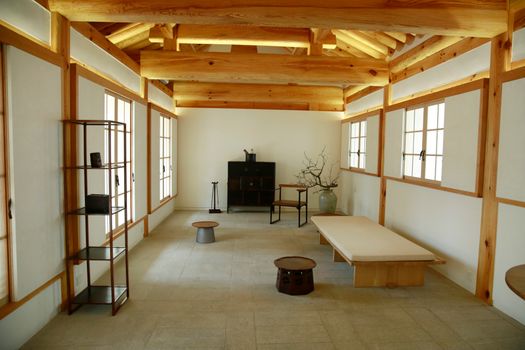
For decades, we've admired the clean, functional beauty of Scandinavian design. Its emphasis on natural light, light wood tones, and cozy textures (hello, hygge!) has become a global benchmark for comfortable, uncluttered living. Simultaneously, Japanese design has captivated us with its philosophical underpinnings – the appreciation for imperfection (wabi-sabi), the embrace of natural materials, and the profound connection to nature.
This year, these two powerful forces are converging, not as a mere trend, but as a deeply resonant philosophy for living. It's about creating spaces that are not just aesthetically pleasing, but also nurturing, mindful, and sustainable. This fusion, often dubbed "Japandi" in its interior design context, is now extending its influence far beyond our homes, shaping our travel experiences and the very way we interact with the world around us.
H3: The Core Principles: What Makes This Fusion So Compelling?
At its heart, this emerging design language is built on a shared foundation of core values:
- Simplicity and Functionality: Both Nordic and Asian design prioritize purpose. Every element has a reason to be there, eliminating unnecessary clutter and focusing on utility and beauty.
- Natural Materials: From light oak and ash in Scandinavia to bamboo, rattan, and dark woods in Asia, there's an unyielding commitment to bringing the outdoors in. This creates a tactile and visually calming environment.
- Mindfulness and Imperfection: While Nordic design often leans towards pristine perfection, its Asian counterpart, particularly wabi-sabi, finds beauty in the transient, the flawed, and the aged. This blend creates a more forgiving and authentic aesthetic.
- Connection to Nature: Both design philosophies deeply respect the natural world, incorporating elements like natural light, indoor plants, and views of the outdoors to foster a sense of tranquility.
- Craftsmanship and Quality: There's an inherent respect for well-made objects, whether it's a hand-carved wooden bowl or a meticulously crafted ceramic vase.
Exploring the Fusion: Destinations and Experiences
This emerging design sensibility isn't just for interiors; it's inspiring travel experiences that prioritize peace, authenticity, and a deep connection to place.
H3: The Nordic Retreats with an Eastern Soul
Imagine a serene cabin nestled in the Norwegian fjords, its minimalist interiors featuring subtle, hand-painted motifs inspired by traditional Korean art. Or perhaps a boutique hotel in Stockholm, where the clean Scandinavian lines are softened by the warm, earthy tones and natural textures reminiscent of a Japanese ryokan. These are the kinds of accommodations that are gaining traction, offering a unique blend of comfort and cultural resonance.
Pro-Tip: Look for hotels that highlight their use of local, sustainable materials and their commitment to "slow living." Many are now offering curated experiences like mindfulness workshops or artisanal craft sessions.
H3: Asian Escapes Embracing Scandinavian Simplicity
Conversely, we're seeing a fascinating shift in Asia. Traditional guesthouses in Kyoto are adopting a more minimalist approach, shedding ornate decorations in favor of clean lines and abundant natural light. Boutique hotels in Vietnam are incorporating Scandinavian-inspired furniture, creating spaces that feel both exotic and comfortably familiar.
Pro-Tip: Seek out accommodations that offer a "digital detox" experience. These places often embody the minimalist ethos by encouraging guests to disconnect and reconnect with their surroundings.
The Aesthetic Unpacked: Key Elements to Watch
This design fusion manifests in tangible ways, influencing everything from architecture to everyday objects.
H3: Interior Design: The Art of Restraint
- Color Palette: Think muted earth tones, soft grays, off-whites, and subtle pops of muted blues or greens. The emphasis is on creating a serene and cohesive atmosphere.
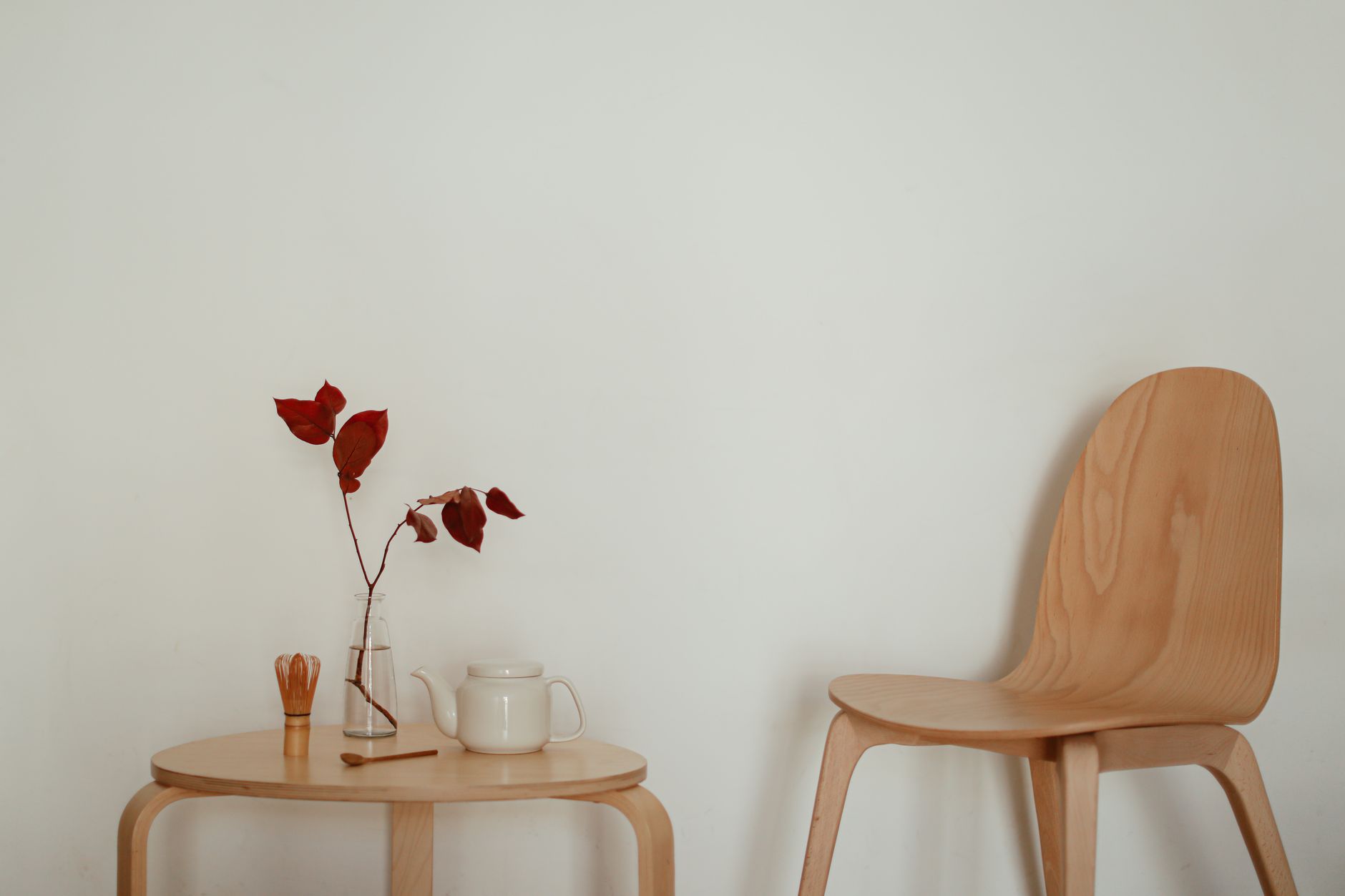
- Furniture: Clean lines, natural wood finishes (light and dark), and functional, often multi-purpose pieces are key. Expect low-profile furniture that enhances the sense of space.
- Materials: A rich tapestry of natural materials – think linen, cotton, wool, bamboo, rattan, ceramic, and wood – is paramount. The texture and tactile quality of these materials are as important as their visual appeal.
- Lighting: Abundant natural light is crucial. Artificial lighting is often warm and diffused, creating a cozy and inviting ambiance. Pendant lights with simple, organic shapes are popular.
- Decor: Less is more. Curated pieces of art, handmade ceramics, and strategically placed plants are used to add personality without overwhelming the space. The focus is on quality over quantity.
H3: Architecture and Urban Planning: Breathing Room in the Bustle
This design philosophy is also influencing how we experience urban environments. We're seeing a rise in "pocket parks" in densely populated Asian cities, designed with minimalist Scandinavian principles of clean lines and natural materials. Public spaces are being reimagined to offer moments of respite, with benches made from reclaimed wood and strategically placed greenery.
Pro-Tip: When visiting cities, actively seek out these smaller, intentionally designed green spaces. They offer a welcome contrast to the urban buzz and embody the principles of this emerging aesthetic.
The Philosophy Behind the Design: More Than Just Looks
This isn't just about making things look pretty; it's about a deeper way of living.
H3: Conscious Consumption and Mindful Living
The fusion of Nordic and Asian design is intrinsically linked to a growing global consciousness around sustainability and mindful living. Both philosophies champion:
- Durability and Longevity: Investing in high-quality, well-made items that last, rather than disposable goods.
- Reduced Waste: A focus on minimalism naturally leads to less consumption and therefore less waste.
- Connection to Craft: Appreciating the skill and dedication of artisans, and supporting ethical production.
- Well-being: Creating environments that promote mental and emotional well-being, reducing stress and fostering a sense of peace.
H3: The Global Appeal: Why Now?
In a world that often feels overwhelming and fast-paced, the appeal of calm, intentional spaces is stronger than ever. This design fusion offers an antidote to the noise, a sanctuary for the senses. It speaks to a universal desire for:
- Simplicity: A longing to declutter not just our physical spaces, but our minds.
- Authenticity: A move away from mass-produced trends towards genuine, handcrafted beauty.
- Peace: A need for environments that promote relaxation and well-being.
Planning Your Inspired Journey: Quick Facts & Pro-Tips
Ready to experience this design fusion firsthand? Here's what you need to know.
| Category | Details | | :----------------- | :--------------------------------------------------------------------------------------------------------------------------------------------------------------------------------------------------------------------------------------------------------------------------------------------------------------------------- | | Estimated Costs| Accommodation: $150 - $500+ per night (boutique hotels, design-focused guesthouses). <br> Experiences: $50 - $200+ per day (curated workshops, artisanal tours, fine dining). <br> Flights: Variable, but factor in potential for longer stays to truly immerse. | | Best Time to Visit | Spring (March-May): Pleasant weather, blooming nature. <br> Autumn (September-November): Crisp air, beautiful foliage, cozy atmosphere. | | How to Get There | Major Hubs: Copenhagen (CPH), Stockholm (ARN), Tokyo (NRT/HND), Seoul (ICN), Kyoto (KIX - accessible via Shinkansen). <br> Internal Travel: Efficient public transport (trains, subways) in both regions. Consider local buses or ferries for more scenic routes. | | Key Destinations | Nordic: Copenhagen, Stockholm, Oslo, Swedish Lapland (for minimalist cabins). <br> Asian: Kyoto, Tokyo, Seoul, parts of Vietnam (Hoi An for artisanal focus), parts of Indonesia (Bali for conscious retreats). | | Insider Tip | Look for "slow travel" itineraries that emphasize local experiences and sustainable practices. Prioritize accommodations that are architecturally significant or have a strong design narrative. |
The Future is Serene: Embracing the Design Evolution
As this Nordic-Asian design fusion continues to evolve, it’s clear that it’s more than just a fleeting aesthetic. It’s a reflection of a growing global desire for a more intentional, peaceful, and beautiful way of living. Whether you're redecorating your home or planning your next adventure, let the principles of simplicity, natural beauty, and mindful craftsmanship guide you. This is a trend that doesn't just look good; it feels profoundly good.