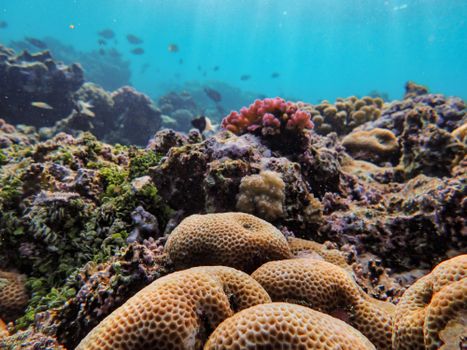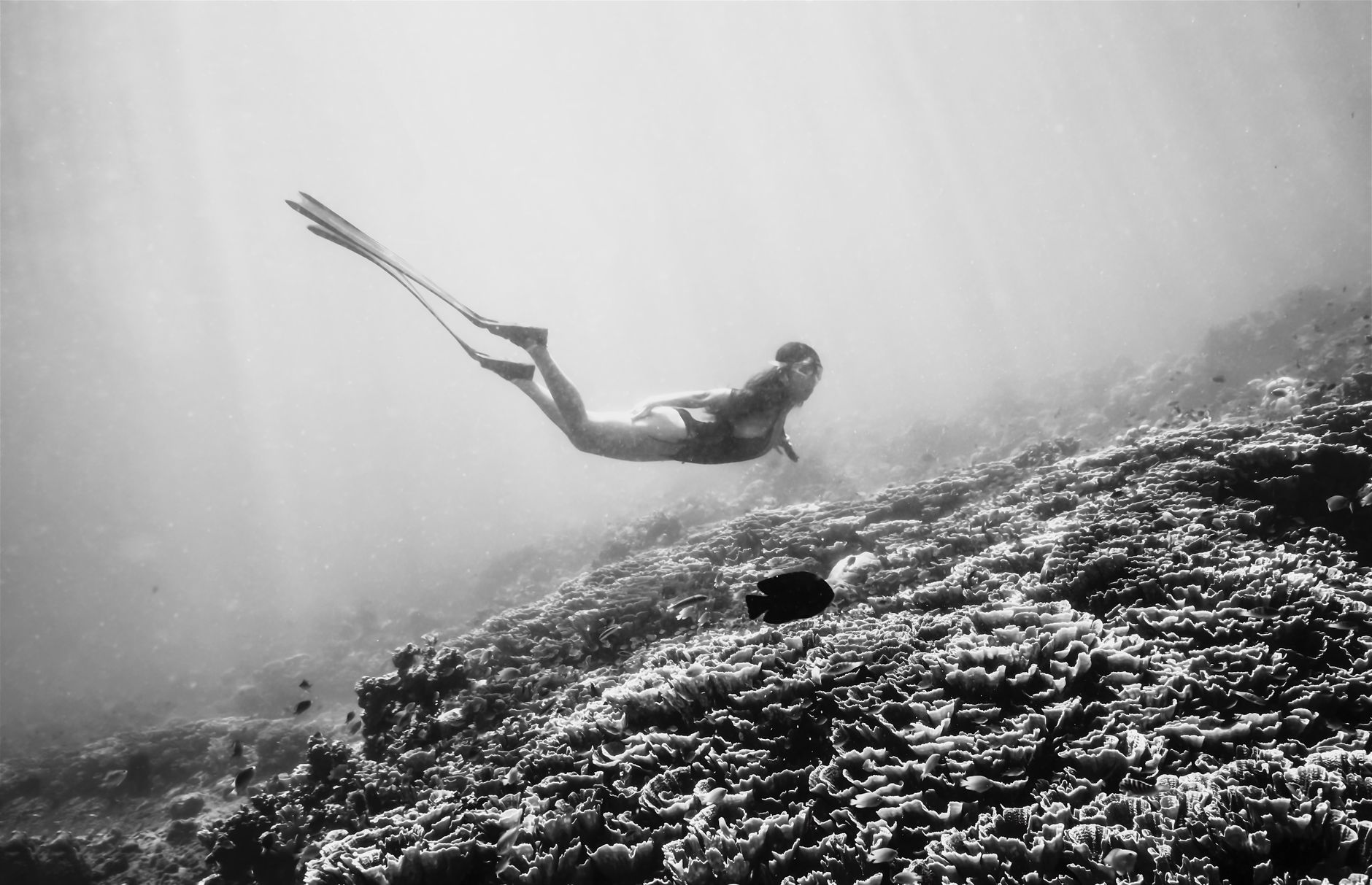
The Hook: A Midnight Encounter on the Reef
I stepped off the metal dive ladder into the pitch-black, ink-warm waters of the Mozambique Channel, my dive light cutting a fragile beam through the plankton-rich soup. The air smelled of woodsmoke from the distant dhows and the sharp, iodine tang of low-tide mangroves.
Underneath the surface, there was no silence. Instead, my ears registered a crackling symphony—the snapping of pistol shrimp, the low-frequency rumble of the surf against the barrier reef, and then, a series of high-pitched, metallic chirps.
"Dugongs," whispered my dive guide, her voice muffled by her snorkel.
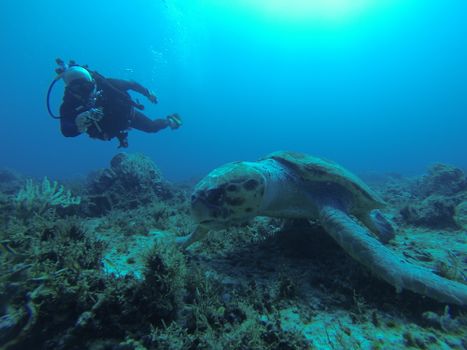
We weren't just tourists paying to look at pretty fish. Clamped to my BCD (buoyancy control device) was an acoustic hydrophone, and strapped to my thigh was a slate for recording benthic cover. We were collecting the baseline data that would define the boundaries of a newly expanded Marine Protected Area (MPA).
For decades, marine conservation was a closed shop, reserved for academics with PhDs and grant funding. But this year, a radical shift is happening. Across the globe, newly established and rapidly expanding MPAs are realizing they cannot police or study these vast blue wildernesses alone. They need eyes on the water. They need you.
If you want to swap mindless sunbathing for meaningful, dirt-under-your-fingernails (or salt-in-your-hair) conservation, these are the premier marine protected areas offering citizen science emerging this year.
---
1. Bazaruto Archipelago National Park, Mozambique
The Frontier of Megafauna Research
Located off the coast of Southern Mozambique, the Bazaruto Archipelago is a wild, wind-sculpted chain of five islands. It is home to the East African coast’s last viable population of dugongs—those shy, mystical marine mammals that gave rise to the myth of mermaids.
Recently partnered with African Parks, the MPA has launched a massive push to map the seagrass meadows that sustain these gentle giants.
The Citizen Science Mission
As a citizen scientist here, you will join researchers from the Marine Megafauna Foundation. Your days are split between boat-based ocean surveys and scuba dives. You will use laser photogrammetry to measure reef manta rays, take tissue biopsies of whale sharks (if you have the advanced diving chops), and upload photo-ID data to global databases.
- The Focus: Dugong habitat mapping, manta ray identification, and shark acoustic telemetry.
- Insider Language: We don’t just say "we saw a shark." We talk about caudal notches and pelagic acoustic tagging arrays.
> Pro-Tip: The best data collection happens on the spring tides. Book your trip to coincide with the new or full moon when tidal movement brings in massive pelagic feeders, though be prepared for stronger currents.
---
2. Cabo Pulmo National Park, Mexico
The Miraculous Recovery of the Sea of Cortez
Once described by Jacques Cousteau as the "Aquarium of the World," Cabo Pulmo was almost entirely fished out by the early 1990s. In an extraordinary act of local defiance, the community banned fishing and declared a 7,111-hectare MPA. Today, biomass has increased by over 400%, turning it into a swirling vortex of jack mackerels, bull sharks, and massive groupers.
The Citizen Science Mission
Cabo Pulmo’s emerging citizen science programs focus on tracking this rapid recovery. Visitors work with local conservation group Pronatura Noroeste to conduct Reef Fish Visual Censuses (RVC).
Armed with underwater paper and pencils, you will swim transects to count indicator species, record substrate health, and assist in monitoring the migratory patterns of bull sharks that gather around the deep wrecks.
- The Focus: Biomass auditing, predator tracking, and sea turtle nesting patrol.
- The Vibe: Gritty, highly rewarding, and deeply integrated with the local community.
> Pro-Tip: Skip the crowded dive operators in Cabo San Lucas. Stay directly in the off-grid eco-village of Cabo Pulmo. The hidden entrance to the best shore-snorkeling spot is a dusty track located exactly 1.4 kilometers south of the visitor center, marked only by a rusted iron gate.
---
3. Misool Marine Reserve, Raja Ampat, Indonesia
Guarding the Epicenter of Marine Biodiversity
Raja Ampat is the undisputed crown jewel of the Coral Triangle. Within this sprawling archipelago lies Misool, a private marine reserve that has successfully established a 300,000-acre MPA. The area is so biodiverse that a single dive site can yield more fish species than the entire Caribbean Sea.
The Citizen Science Mission
Misool’s conservation arm, the Misool Foundation, has recently opened up structured citizen science slots for divers. You will be trained in the "Manta Matcher" protocol, learning how to photograph the unique spot patterns on the belly of reef and oceanic mantas.
You will also assist in deploying and retrieving underwater temperature loggers that monitor the region’s resilience against ocean warming.
- The Focus: Manta ray photo-ID, coral reef bleaching early-warning systems, and sea turtle nest protection.
- The Landscape: Karst limestone islands rising like emerald teeth from a neon-blue sea.
> Pro-Tip: To get the perfect manta ID shot, do not chase the animal. Position yourself neutrally buoyant at least three meters away from the cleaning station, look up, and let the manta glide directly over you. Your camera must be set to continuous shooting mode to capture the ventral markings clearly.
---
4. The Red Sea Hope Reefs, Egypt
Decoding the Super-Corals of the North
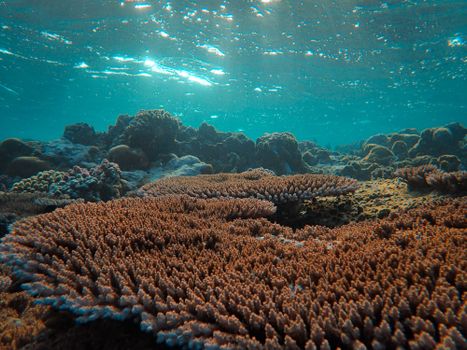
While reefs worldwide are struggling with rising sea temperatures, the northern Red Sea’s corals possess an extraordinary, genetically coded thermal tolerance. They can withstand temperatures well above current averages without bleaching. This year, Egypt has expanded its coastal MPAs, launching the "Hope Reefs" initiative to study these resilient super-corals.
The Citizen Science Mission
Operating out of Hurghada and Marsa Alam, citizen scientists work alongside the Hurghada Environmental Protection and Conservation Association (HEPCA).
You will be trained to use CoralWatch charts—developed by the University of Queensland—to assess coral health and bleaching stages. You will also participate in night dives using specialized blue-light torches to monitor coral fluorescence, a key indicator of coral stress and recruitment.
- The Focus: Thermal tolerance mapping, coral propagation, and crown-of-thorns starfish management.
- The Aesthetic: High-contrast desert landscapes meeting deep-blue, hyper-saline waters.
> Pro-Tip: When conducting CoralWatch surveys, always calibrate your eyes to the water depth. Red light disappears first; at 10 meters, corals will look greener than they actually are. Use a dive slate with a white-balance card to ensure accurate color matching.
---
5. Celtic Deep MPA, Ireland & United Kingdom
Cold-Water Giants and Bioluminescent Seas
Citizen science isn’t just for the tropics. The Celtic Deep, a newly proposed MPA stretching between the southern coast of Ireland and Wales, is emerging as a critical habitat for pelagic giants. This is a wild, cold-water frontier where nutrient-rich upwellings support basking sharks, fin whales, and massive super-pods of common dolphins.
The Citizen Science Mission
This expedition is for hardy travelers. Operating from research catamarans, you will assist in towed-hydrophone acoustic monitoring to map cetacean movement.
You will also collect environmental DNA (eDNA) water samples at various depths, filtering the water through specialized membranes to detect the presence of rare species like the leatherback sea turtle without ever having to see them.
- The Focus: Cetacean acoustic mapping, eDNA sampling, and basking shark photo-ID.
- The Gear: Drysuits, thick neoprene gloves, and a strong stomach for open-ocean swells.
> Pro-Tip: The Celtic Sea is notorious for its rolling swells. Take your motion sickness medication (cinnarizine works best without causing extreme drowsiness) at least two hours before boarding the vessel. Once on board, keep your eyes on the horizon, not your camera screen.
---
The Budget & Logistics: Planning Your Expedition
Participating in these programs requires more planning than a standard resort holiday. Many of these MPAs are remote, requiring multiple modes of transport. Below is a breakdown of what to expect.
| Destination | Best Time to Visit | Est. Weekly Cost (USD) | How to Get There | Key Citizen Science Partner | | :--- | :--- | :--- | :--- | :--- | | Bazaruto, Mozambique | May to October | $1,800 – $3,500 | Fly to Vilankulo (VNX), then take a speedboat or helicopter transfer to the islands. | Marine Megafauna Foundation / African Parks | | Cabo Pulmo, Mexico | October to November | $900 – $1,500 | Fly to San Jose del Cabo (SJD), rent a 4WD vehicle, and drive 2 hours north via the dirt coastal road. | Pronatura Noroeste / Cabo Pulmo Travel | | Misool, Indonesia | October to April | $3,500 – $6,000 | Fly to Sorong (SOQ), take the public ferry to Y those, then a private resort speed boat. | Misool Foundation | | Red Sea, Egypt | September to November | $800 – $1,600 | Fly to Marsa Alam (RMF) or Hurghada (HRG), then take a private taxi to the dive centers. | HEPCA | | Celtic Deep, Ireland/UK | July to September | $1,200 – $2,200 | Fly to Cork (ORK) or Cardiff (CWL), then take a coastal bus to the research port. | Celtic Deep Expeditions |
---
How to Spot "Greenwashing" in Marine Travel
With the rise of eco-tourism, many operators slap a "citizen science" label on standard dive trips to justify a premium price. To ensure your money and time actually support legitimate conservation, run any potential trip through this checklist:
- Do they publish peer-reviewed data? Ask the operator where their data goes. If they cannot name a specific university, national database (like OBIS or Wildbook), or government agency, it is likely a gimmick.
- Is there a scientist on board? A legitimate citizen science trip should be led or supervised by a trained marine biologist, not just a standard divemaster who knows basic fish ID.
- What is the ratio of work to play? True conservation travel involves work. If your itinerary consists of six days of diving with only a 30-minute evening slideshow about turtles, it is a holiday, not a research expedition.
- Are they culturally respectful? The best MPAs work hand-in-hand with local communities. Ensure your provider employs local guides, pays fair wages, and respects traditional fishing boundaries.
---
The Final Takeaway
There is a distinct, visceral magic in knowing that the data you collected during a morning dive could shape environmental policy next year.
When you peer through a camera viewfinder to capture the unique spot pattern of a whale shark, or carefully measure the temperature of a nesting beach, you cease to be a mere consumer of the world's beauty. You become its guardian.
Pack your dive computer, brush up on your marine biology, and head to one of these emerging MPAs. The oceans are calling, and they need your help.
---