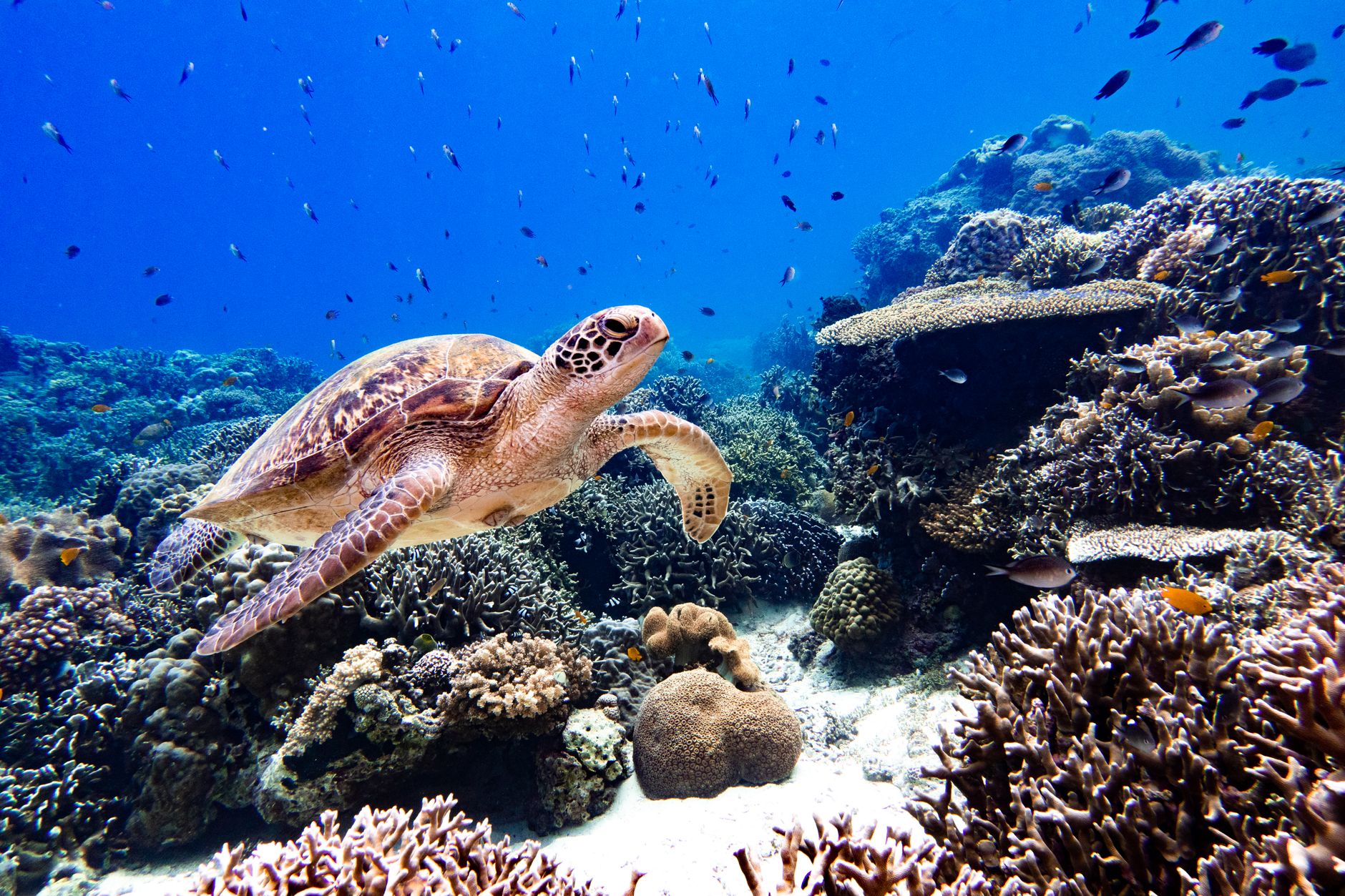
The Hook: Salty Air, Scientific Purpose
I stepped off the ferry, the salt spray kissing my cheeks, and the familiar, invigorating scent of the ocean filled my lungs. It wasn't just the promise of turquoise waters and vibrant coral that had drawn me to this remote island; it was the thrill of becoming a temporary guardian of its underwater realm. The gentle lapping of waves against the dock was a prelude to a symphony of discovery, a soundtrack to a vacation where my footprints in the sand would leave a lasting mark on the health of our planet. Forget generic souvenirs; I was here to collect data, to contribute, to participate in something bigger than myself. This isn't your average beach holiday; this is citizen science in its most exhilarating form.
Dive In, Discover More: Why Citizen Science in MPAs Matters
Marine Protected Areas (MPAs) are the oases of our oceans, vital sanctuaries where marine life can thrive, undisturbed by the heavy hand of human exploitation. But these havens need more than just protection; they need eyes, ears, and willing hands. That's where citizen science steps in. By participating in research programs within MPAs, you're not just a tourist; you're a crucial data collector, a frontline observer. Your observations, whether it's counting fish species, documenting coral health, or tracking whale movements, directly inform conservation strategies, helping scientists understand complex ecosystems and protect them for future generations. It’s about transforming your wanderlust into tangible impact.
Beyond the Brochure: The Real Impact of Your Participation
Think about it: scientists can't be everywhere at once. Your presence, armed with a waterproof notebook or a specialized app, amplifies their reach exponentially. You become their extra pair of eyes and hands on the ground (or rather, underwater!). This means more accurate data, faster identification of emerging threats like invasive species or coral bleaching, and ultimately, more effective conservation efforts. It’s a powerful feedback loop: your travel fuels the conservation that keeps these incredible places pristine for others to enjoy.
Top Tier MPAs Where You Can Make a Difference
The world is brimming with breathtaking MPAs that actively welcome citizen scientists. These aren't just pretty postcards; they are living laboratories waiting for your contribution.
1. The Great Barrier Reef, Australia: Coral Champions
The Vibe: Imagine swimming through an underwater kaleidoscope, a bustling metropolis of coral formations teeming with clownfish darting through anemones, majestic sea turtles gliding past, and schools of shimmering fish creating living rainbows. The sheer scale is humbling, the biodiversity staggering.
Citizen Science Opportunities:
- Coral Watch: This iconic program trains volunteers to monitor coral health and document bleaching events. Armed with a color chart, you'll record the health of specific coral colonies. It’s surprisingly simple but incredibly vital.
- Reef Check Australia: Another fantastic organization that trains divers to assess the health of reef ecosystems. You'll learn to identify key species and survey fish and invertebrate populations.
- Pro-Tip: Book your citizen science experience in advance with reputable dive operators who partner with these programs. Early morning dives often offer the calmest waters and best visibility.
Quick Facts: Great Barrier Reef Citizen Science
| Category | Details | | :-------------- | :------------------------------------------------------------------- | | Estimated Cost | $300 - $1500+ (depending on duration, accommodation, and program) | | Best Time to Visit | June to October (dry season, calmer seas, lower humidity) | | How to Get There | Fly into Cairns (CNS) or Proserpine (PPP). Boat transfers to islands/reefs. | | Insider Tip | Consider staying on an eco-lodge or liveaboard for deeper immersion and access to more remote monitoring sites. |
2. The Galápagos Islands, Ecuador: Evolution in Action
The Vibe: Stepping onto the Galápagos is like stepping back in time. The air hums with the presence of unique creatures found nowhere else on Earth – fearless sea lions, lumbering giant tortoises, and marine iguanas basking on volcanic rocks. The raw, untamed beauty is palpable.
Citizen Science Opportunities:
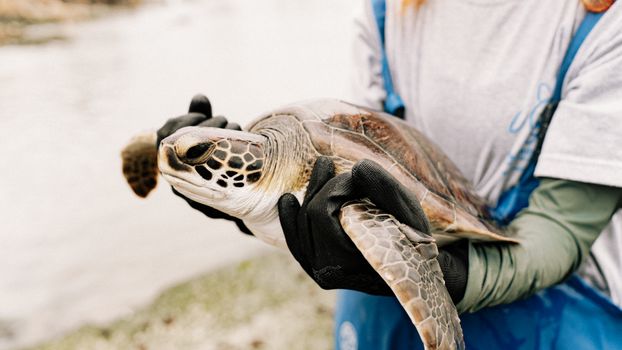
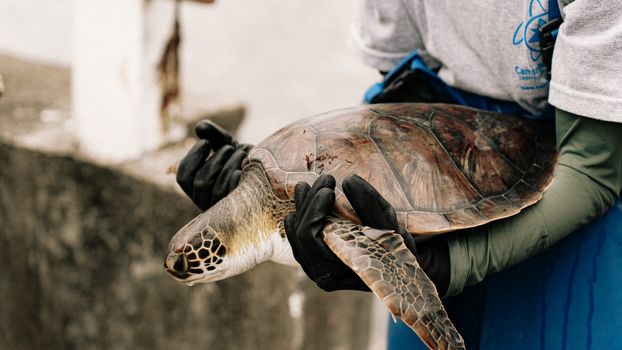
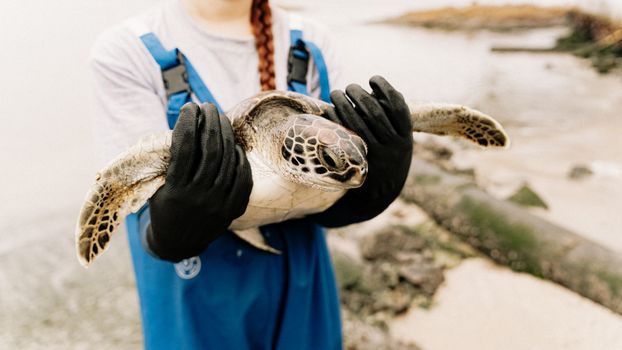
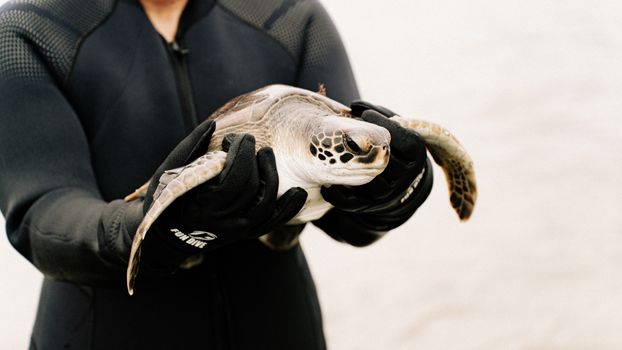
- Sea Turtle Monitoring: Several research stations and conservation groups offer opportunities to participate in sea turtle nesting surveys, helping to record nesting activity and hatchling success.
- Marine Iguana Surveys: Contribute to long-term studies on these prehistoric-looking reptiles by assisting with population counts and behavioral observations.
- Pro-Tip: Many tours are now incorporating citizen science elements. Look for operators that explicitly mention their conservation partnerships and volunteer opportunities. Respect the wildlife – maintain a safe distance and never feed them.
Quick Facts: Galápagos Islands Citizen Science
| Category | Details | | :-------------- | :------------------------------------------------------------------- | | Estimated Cost | $1500 - $5000+ (island hopping, cruises, and specialized programs) | | Best Time to Visit | December to May (warm, wet season, better for snorkeling) | | How to Get There | Fly into Baltra Island (GPS) or San Cristobal Island (SCY) from mainland Ecuador (Quito or Guayaquil). | | Insider Tip | Engage with your naturalist guide; they are often invaluable sources of information about ongoing research and how you can contribute. |
3. Monterey Bay National Marine Sanctuary, USA: Coastal Guardians
The Vibe: The rugged California coastline here is a dramatic stage for a thriving marine ecosystem. Picture dramatic cliffs plunging into the Pacific, kelp forests swaying like underwater cathedrals, and the playful antics of sea otters and harbor seals. The scent of pine mingles with the briny sea air.
Citizen Science Opportunities:
- Beach Cleanup Programs: Organizations like Save Our Shores regularly host beach cleanups where you can help remove marine debris and record the types of litter found, providing crucial data on pollution sources.
- Whale Watching & Marine Mammal Surveys: While not always formal "programs," many whale watching tours actively encourage passengers to report sightings of whales, dolphins, and seabirds, contributing to ongoing population studies.
- Tidepool Monitoring: Some local naturalist groups organize tidepool surveys to document the health and diversity of these miniature marine ecosystems.
- Pro-Tip: Check the sanctuary's official website and local environmental organizations for upcoming volunteer events. Wear sturdy shoes and layers – California coastal weather can be unpredictable!
Quick Facts: Monterey Bay Citizen Science
| Category | Details | | :-------------- | :------------------------------------------------------------------- | | Estimated Cost | $50 - $500+ (depending on accommodation and chosen activities) | | Best Time to Visit | September to November (calmest seas, best marine mammal viewing) | | How to Get There | Fly into San Jose (SJC) or San Francisco (SFO), then drive south. Accessible by car along Highway 1. | | Insider Tip | Visit the Monterey Bay Aquarium's "Ocean Experiences" program for opportunities that blend education with conservation action. |
4. The Mesoamerican Barrier Reef System, Belize: Underwater Architects
The Vibe: Imagine a vibrant underwater tapestry woven with corals of every imaginable hue, a playground for kaleidoscopic fish, and the gentle giants of the sea – whale sharks and manatees. The warm, crystal-clear waters invite endless exploration. The distant calls of howler monkeys from the mainland sometimes drift over the water.
Citizen Science Opportunities:
- Whale Shark Research: During the whale shark season (typically March-June), several operators and research institutions offer opportunities to participate in photo-identification efforts, helping to track individual sharks and their movements.
- Coral Reef Health Monitoring: Dive operators often partner with local conservation groups to train divers in basic coral health assessments, helping to identify areas of concern.
- Seagrass Monitoring: Contribute to understanding the health of vital seagrass beds, which are crucial nurseries for marine life.
- Pro-Tip: Choose eco-certified lodges and tour operators that are genuinely committed to sustainability and conservation. Ask about their specific citizen science initiatives.
Quick Facts: Belize Citizen Science
| Category | Details | | :-------------- | :------------------------------------------------------------------- | | Estimated Cost | $400 - $2000+ (depending on island, resort, and program length) | | Best Time to Visit | March to May (whale shark season, dry season) | | How to Get There | Fly into Philip S.W. Goldson International Airport (BZE) in Belize City. Take a domestic flight or water taxi to popular islands like Caye Caulker or Ambergris Caye. | | Insider Tip | Learn a few basic Garifuna phrases if you venture further south; it’s a beautiful cultural element that complements the natural beauty. |
5. The Raja Ampat Islands, Indonesia: Biodiversity Hotspot Heroes
The Vibe: This remote archipelago is often called the "Amazon of the Seas" for its unparalleled marine biodiversity. Picture a vibrant, almost overwhelming, explosion of color and life: manta rays performing balletic underwater dances, pygmy seahorses clinging to gorgonian fans, and coral gardens so dense they appear painted. The air is thick with the scent of frangipani and the distant calls of exotic birds.
Citizen Science Opportunities:
- Coral Reef Surveys: Many dive resorts and liveaboard operators partner with researchers to offer guests the chance to participate in coral reef surveys, documenting species diversity and health.
- Manta Ray and Shark Identification: Help researchers by photographing and cataloging individual mantas and sharks, contributing to understanding their populations and migration patterns.
- Seabird and Marine Mammal Observations: Contribute to broader ecological studies by recording sightings of seabirds and marine mammals encountered during boat trips.
- Pro-Tip: Raja Ampat is an investment. Opt for liveaboard trips for the most immersive experience and access to remote dive sites where citizen science efforts are often most impactful.
Quick Facts: Raja Ampat Citizen Science
| Category | Details | | :-------------- | :------------------------------------------------------------------- | | Estimated Cost | $2000 - $6000+ (primarily liveaboard trips) | | Best Time to Visit | October to April (dry season, calmer seas) | | How to Get There | Fly into Sorong (SOQ) via Jakarta (CGK) or other Indonesian hubs. Boat transfers to dive resorts or liveaboards. | | Insider Tip | Learn about the local Papuan culture; it’s rich and deeply connected to the natural environment. Engage respectfully with local communities. |
Preparing for Your Citizen Science Adventure
Embarking on a citizen science trip requires a bit more thought than a typical vacation, but the rewards are immense.
What to Pack (Beyond the Usual)
- Waterproof Notebook & Pencil: Essential for jotting down observations, even if you're using an app.
- Binoculars: Useful for spotting marine mammals and seabirds from a distance.
- Camera with Underwater Housing: If you plan on underwater surveys, a good camera is key for documentation.
- Field Guides: Familiarize yourself with local species beforehand.
- Sun Protection: High SPF reef-safe sunscreen, rash guards, hats.
- Reusable Water Bottle & Bags: Minimize your environmental footprint.
Training and Certification
Many citizen science programs offer online training modules or brief in-person workshops before you start. Don't skip these! They ensure you're collecting accurate data and understand the protocols. Some advanced programs might even require specific diving certifications.
Choosing the Right Program
- Align with Your Interests: Are you fascinated by turtles, sharks, or coral?
- Consider Your Skill Level: Some programs are beginner-friendly, while others require specialized knowledge.
- Research the Organization: Ensure they have a reputable track record and clear conservation goals.
- Look for Eco-Accreditation: Prioritize operators and lodges with strong environmental credentials.
The Future is Collaborative: Your Role in Ocean Conservation
Your vacation can be a powerful force for good. By choosing to engage in citizen science within marine protected areas, you're not just experiencing the beauty of our oceans; you're actively contributing to their preservation. You’re becoming a part of the solution, a vital link in the chain of conservation. So, trade your passive observer status for an active participant role. Dive deeper, explore further, and make your next trip an unforgettable adventure with purpose. The ocean is calling – will you answer?