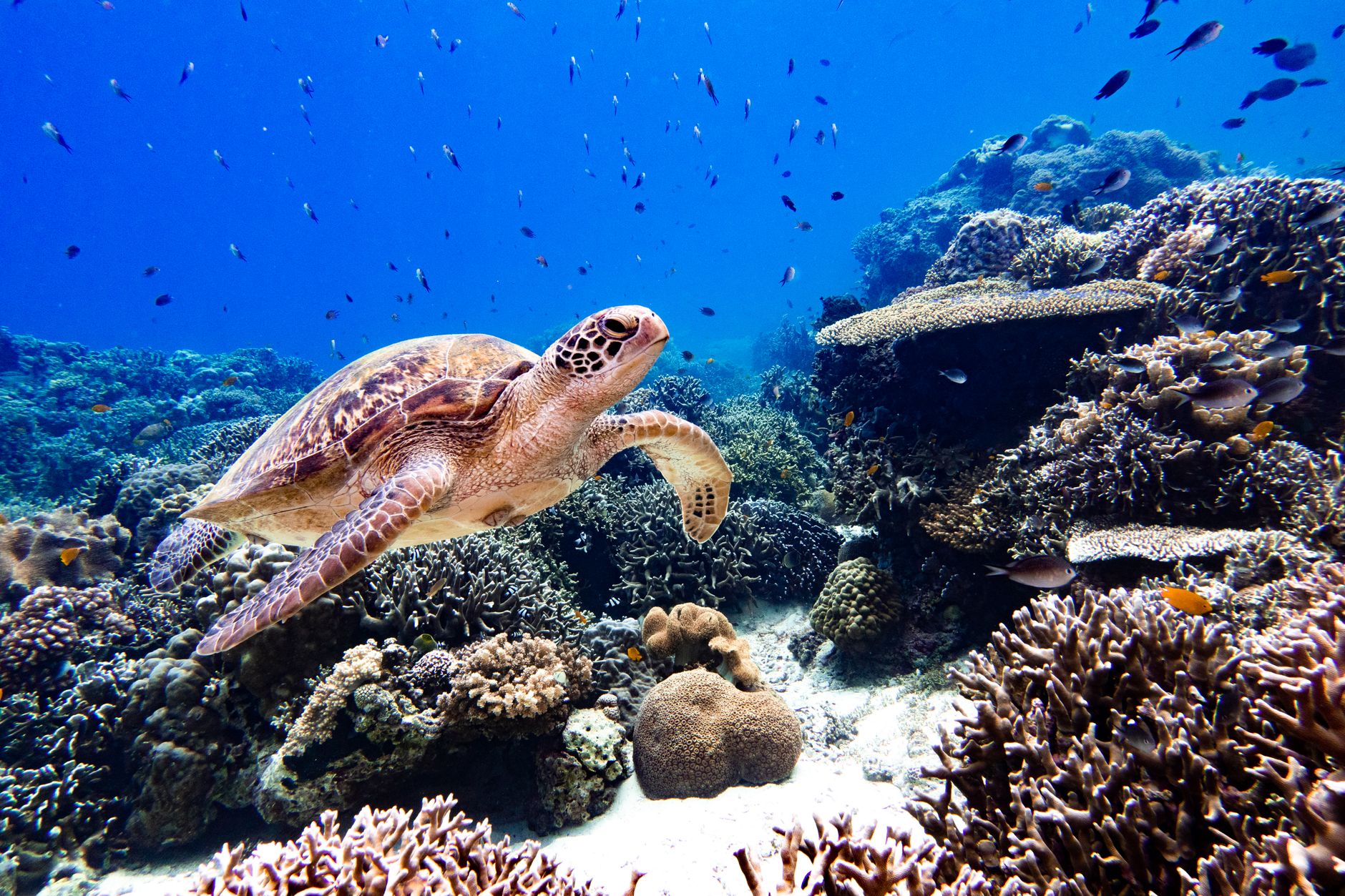
Marine protected areas are sea zones managed to conserve habitats, species, and ecological processes. Their rules vary widely. Some allow fishing and tourism with limits, while others restrict access in sensitive zones. Many also support research and monitoring, and some rely on volunteers and visitors to help collect data. For travelers interested in ocean life, citizen science can offer a meaningful way to participate, but it works best when programs are well designed, supervised, and respectful of the environment.
How marine protected areas are managed
A marine protected area is typically established by a national or regional authority, sometimes in cooperation with local communities. Management plans set out what activities are permitted, such as diving, snorkeling, boating, or fishing, and where they are allowed. Some areas use zoning, with strict no-take zones in the core and more permissive zones on the edges. Enforcement is carried out by park rangers, coast guards, or other agencies, and penalties can apply for breaking the rules.
Understanding the rules before visiting is essential. Protected status does not mean that human activity is absent. It means that impacts are managed, and visitors are expected to follow guidance on anchoring, touching marine life, feeding animals, and disturbing nesting or breeding sites.
What citizen science involves
Citizen science is the participation of non-specialists in scientific data collection. In marine settings, this can include reef surveys, counting fish or invertebrates, recording sightings of marine mammals or turtles, photographing individual animals for identification, cleaning beaches and logging debris, and monitoring water quality. Many programs use standardized methods, and volunteers often receive training before taking part.
Data quality is important. Surveys are more useful when volunteers follow protocols consistently, record their methods, and report unusual observations accurately. Some programs include a briefing or practice session before fieldwork. Programs that do not explain how the data will be used or shared should be treated with caution.
Finding responsible opportunities
Legitimate programs are usually run by research institutions, conservation organizations, national park services, or established dive and tour operators with clear conservation policies. Check whether the organizer has a documented permit or partnership with the managing authority, and ask how many participants are allowed and how they are supervised. Small groups, qualified guides, and clear safety procedures are good signs.
Be wary of programs that charge high fees without explaining what the money supports, or that promise close encounters with wildlife. Interactions with animals can cause stress and harm, and responsible operators usually emphasize observation at a distance. Ask about insurance, emergency procedures, and whether volunteers need diving or swimming certifications.
Ecological and ethical considerations
Visitor numbers can add pressure to fragile habitats, particularly coral reefs, seagrass beds, and nesting beaches. Choose operators who limit group sizes, brief participants on reef-safe behavior, and avoid anchoring on sensitive areas. Sunscreen choices can also matter, and many protected areas ask visitors to use products that do not harm marine life, so follow local advice.
Consider whether your participation adds genuine value. Some short-term volunteer programs may offer limited scientific benefit compared with their costs and logistics, so ask what outcomes are expected and how results are used. The strongest programs are those that build local capacity and involve local researchers and communities.
Practical tips
- Check the rules of the marine protected area before you book, including permitted activities and seasonal closures.
- Choose programs run by recognized research or conservation organizations with clear permits.
- Ask about group sizes, training, supervision and how the data will be used.
- Follow briefings on reef-safe behavior, buoyancy, and avoiding contact with wildlife.
- Confirm certification and fitness requirements for diving or snorkeling activities.
- Ask about travel insurance coverage for water-based activities.
Who This Suits and Who It Doesn't
Citizen science in marine protected areas tends to suit people who are curious about ocean life and who are willing to follow structured procedures. Volunteers who enjoy careful observation, patient counting or photographing individual animals for identification often find these programs rewarding. Those with relevant training, such as recreational diving or marine biology study, may be able to contribute more specialized tasks, provided the organizer confirms this in advance.
These programs may be less suitable for people who expect close encounters with wildlife, who are uncomfortable in the water or who have health conditions that make diving or prolonged exposure risky. They are also not ideal for travelers who want a relaxed holiday without scheduled tasks, since data collection usually requires punctuality and attention. If you are uncertain about your swimming, fitness or certification level, speak with the organizer and consider a shorter or introductory program. Honest self-assessment protects both you and the ecosystem you hope to support.
Common Mistakes to Avoid
A common error is joining a program without reading its method. Citizen science depends on consistent data, so surveys that are carried out differently by each volunteer can be hard to use. Ask for training materials and take any practice session seriously. Another mistake is assuming that a conservation label guarantees good practice. Some operators use the language of protection while still encouraging contact with animals or disturbing sensitive areas.
Visitors also sometimes underestimate the impact of their own equipment. Boat anchors, sunscreen residues and poorly managed waste can harm reefs and seagrass, so follow the briefing on anchoring and cleaning. Finally, do not photograph or share the locations of nesting sites or rare species without checking the rules. Responsible sharing protects animals from disturbance and collectors, even when your intentions are good.
Marine protected areas and citizen science programs can offer travelers a closer understanding of ocean ecosystems, provided that visits are managed with care. The most valuable experiences combine clear rules, qualified guides, honest data practices, and a real respect for the habitats being studied. Choosing carefully helps ensure that your time in the water benefits the environment rather than adding to its pressures.