The Hook: Salty Kisses and a Whispered Secret
I stepped off the ferry, the salty spray misting my face, carrying the distinct, briny perfume of a thousand unseen lives. The air hummed with the distant cries of seabirds and the rhythmic sigh of waves against weathered wood. This wasn’t just a pretty coastline; it felt like the beating heart of something ancient and alive. I was in the Galápagos, not just as a tourist, but as a nascent ocean guardian, about to dip my toes – quite literally – into the world of citizen science within a marine protected area. The whisper of the wind through the volcanic rock seemed to carry the weight of responsibility, a thrilling counterpoint to the sheer, breathtaking beauty unfolding before me.
Beyond the Postcard: Why Citizen Science in MPAs Matters (According to Recent Data!)
We’ve all seen the postcard-perfect images of vibrant coral reefs and majestic sea turtles. But the reality of protecting these underwater marvels is a complex, data-driven endeavor. Marine Protected Areas (MPAs) are our best bet for safeguarding these critical ecosystems, and recent data overwhelmingly points to the power of citizen science within them. Think of it: instead of just gawking, you're actively contributing to the very research that informs conservation strategies. It’s about shifting from passive observer to active participant, your holiday photos becoming evidence of your contribution to a healthier planet.
The Data Doesn't Lie: A Surge in Citizen Science Impact
Recent reports from organizations like the IUCN and various national oceanic administrations highlight a significant increase in citizen science initiatives within MPAs. This isn't just anecdotal; it's quantifiable. Volunteers are now collecting crucial data on:
- Biodiversity Monitoring: Tracking the presence and abundance of species, from tiny nudibranchs to migrating whales.
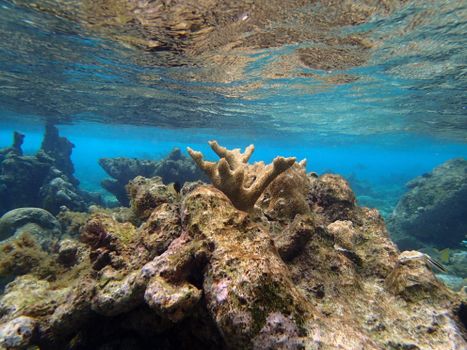
- Habitat Health Assessments: Monitoring coral bleaching events, seagrass die-offs, and the impact of pollution.
- Fisheries Management: Reporting illegal fishing activities and documenting catch sizes to inform sustainable practices.
- Plastic Pollution Tracking: Identifying hotspots and collecting samples to understand the scale of the marine debris crisis.
This influx of data, collected by dedicated individuals like you and me, is proving invaluable in understanding the health of our oceans and the effectiveness of MPA management.
Top-Tier MPAs Where You Can Make Waves (Recent Data Edition)
Based on the latest trends and reported successes, here are some of the most impactful marine protected areas where your citizen science efforts can truly shine.
1. The Galápagos Islands, Ecuador: Darwin's Living Laboratory
The Vibe: Imagine swimming with playful sea lions, observing marine iguanas sunning themselves on volcanic shores, and feeling the thrill of a hammerhead shark gliding past. The Galápagos is a biodiversity hotspot, and its MPAs are meticulously managed.
Citizen Science Opportunities:
- Marine Iguana Monitoring: Participate in surveys to track population numbers and health.
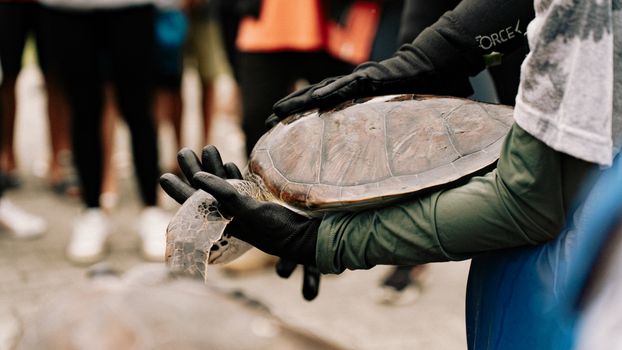
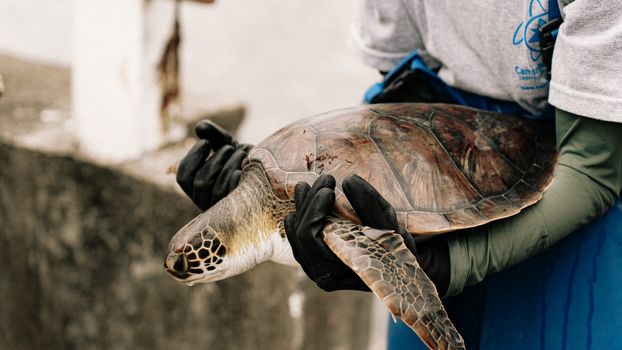
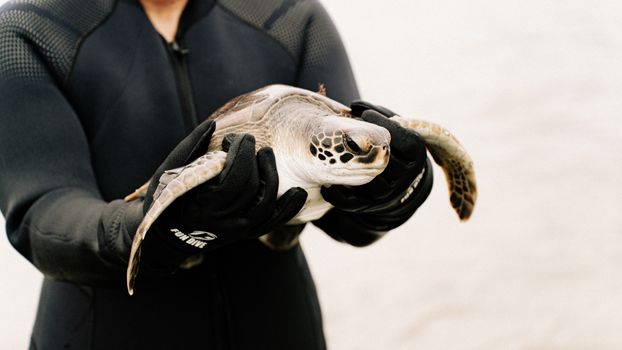
- Sea Turtle Nesting Beach Surveys: Assist researchers in identifying and protecting nesting sites.
- Underwater Visual Census: Help divers and snorkelers identify and count fish species.
Pro-Tip: Many local tour operators offer specific citizen science excursions. Look for those partnering with reputable research institutions like the Charles Darwin Foundation.
Quick Facts:
| Category | Details | | :--------------- | :---------------------------------------------------------------------- | | Estimated Cost | $$$$ (Flights + Accommodation + Tours) | | Best Time to Visit | Year-round, but Dec-May is warmer and calmer for diving. | | How to Get There | Flights to Baltra (GPS) or San Cristóbal (SCY) from mainland Ecuador. |
2. The Great Barrier Reef, Australia: A Coral Canvas Under Threat
The Vibe: The sheer scale of the Great Barrier Reef is awe-inspiring. Even with the challenges it faces, its resilience and the dedication to its protection are palpable. The underwater world here is a kaleidoscope of color and life.
Citizen Science Opportunities:
- Coral Watch: Contribute to monitoring coral health by recording color scores of coral. This is a globally recognized program.
- Eye on the Reef: Report sightings of marine life, including vulnerable species like dugongs and turtles, and any signs of environmental stress.
- Reef Check Australia: Participate in standardized reef surveys to assess coral cover, fish populations, and invertebrate health.
Insider Lingo: You'll hear terms like "bleaching events" and "crown-of-thorns starfish outbreaks." Your data helps scientists understand the frequency and severity of these.
Pro-Tip: Many liveaboard dive trips and day tours now incorporate citizen science components. Ask your operator about their involvement.
Quick Facts:
| Category | Details | | :--------------- | :---------------------------------------------------------------------- | | Estimated Cost | $$$ - $$$$ (Depending on tour type and duration) | | Best Time to Visit | June-October (Dry season, less humidity, better visibility) | | How to Get There | Flights to Cairns (CNS) or Proserpine (HTI) in Queensland. |
3. Monterey Bay National Marine Sanctuary, USA: California's Coastal Gem
The Vibe: The chilly, nutrient-rich waters here support an incredible array of marine life, from playful sea otters and massive whales to vibrant kelp forests. The coastline itself is dramatic and wild.
Citizen Science Opportunities:
- Seabird and Marine Mammal Watch: Report sightings of marine mammals and seabirds to track their movements and health.
- Kelp Watch 2020 (and beyond): Monitor the health and extent of kelp forests, vital habitats for many species.
- Beach Cleanup Data Collection: Participate in organized beach cleanups and record the types and quantities of debris found.
Authentic Detail: The scent of eucalyptus mingles with the sea air along the bluffs, and the local seafood restaurants serve cioppino with a rich, garlicky broth that perfectly captures the coastal spirit.
Pro-Tip: The Monterey Bay Aquarium often has citizen science programs and educational outreach. Check their volunteer pages.
Quick Facts:
| Category | Details | | :--------------- | :---------------------------------------------------------------------- | | Estimated Cost | $$ - $$$ (Accommodation and activities can vary) | | Best Time to Visit | April-October (Warmer weather, more marine mammal sightings) | | How to Get There | Drive from San Francisco (approx. 2 hours) or fly into Monterey Regional Airport (MRY). |
4. The Raja Ampat Islands, Indonesia: The Epicenter of Marine Biodiversity
The Vibe: Prepare to have your mind blown. Raja Ampat is often called the "Amazon of the Seas" for its unparalleled marine biodiversity. Imagine diving through reefs teeming with fish, encountering manta rays, and exploring pristine, untouched underwater landscapes.
Citizen Science Opportunities:
- Reef Biodiversity Surveys: Assist dive guides and researchers in documenting fish and coral species.
- Manta Ray Identification: Help identify individual manta rays by photographing their unique spot patterns.
- Plastic Pollution Monitoring: Contribute to tracking and reporting marine debris found in this remote paradise.
Insider Lingo: You'll be talking about "biokom" (biodiversity hotspots) and the importance of "critical habitat."
Pro-Tip: Choose eco-lodges and dive operators that are actively involved in conservation and citizen science initiatives. Many have partnerships with local NGOs.
Quick Facts:
| Category | Details | | :--------------- | :---------------------------------------------------------------------- | | Estimated Cost | $$$$ (Remote location, specialized tours) | | Best Time to Visit | October-April (Dry season, calmer seas, best visibility) | | How to Get There | Fly to Sorong (SOQ) in West Papua, then take a ferry or speedboat. |
Making Your Citizen Science Adventure a Reality: Practical Steps
So, you're inspired? Fantastic! Here’s how to turn that inspiration into action.
Finding the Right Program: It's All About Fit
- Define Your Interests: Are you passionate about whales, coral reefs, or plastic pollution? Knowing your passion will guide your search.
- Research MPAs with Citizen Science: Use keywords like "marine protected area citizen science [region]" or "volunteer marine research [MPA name]."
- Check Official MPA Websites: Many MPAs have dedicated sections for volunteer opportunities and citizen science projects.
- Look for Partnerships: Reputable MPAs often collaborate with universities, research institutions, and NGOs. These partnerships often indicate well-structured and impactful programs.
- Consider Your Time Commitment: Some programs are short-term excursions, while others require longer commitments.
Budgeting and Logistics: Planning for Impact
- Travel Costs: Flights, accommodation, and local transportation are your primary expenses. Remote locations like Raja Ampat will naturally be more expensive.
- Program Fees: Some citizen science programs may have fees to cover research equipment, training, or administrative costs. Be wary of programs that seem too good to be true – genuine research requires resources.
- Gear: Depending on the program, you might need your own snorkeling gear, wetsuit, or even a waterproof camera. Always check program requirements.
- Insurance: Ensure you have comprehensive travel insurance that covers adventurous activities.
Pro-Tip: Look for "eco-tours" or "conservation travel" companies that specifically highlight their citizen science components. They often handle logistics and partner with local conservation efforts.
What to Expect: Beyond the Data Sheet
You’ll be working alongside passionate researchers and fellow volunteers. Expect early mornings, potentially challenging weather, and the sheer joy of contributing to something bigger than yourself. It's not always glamorous – sometimes it's carefully counting barnacles or meticulously logging every piece of plastic. But the feeling of making a tangible difference in protecting these vital marine environments is unparalleled.
Your Role in the Ocean's Future
The recent data is clear: citizen science is no longer a fringe activity; it's a critical component of marine conservation. By choosing to participate in citizen science within marine protected areas, you're not just taking a vacation; you're investing in the health of our planet. You're becoming a part of the solution, armed with data and a deeper appreciation for the underwater world. So, pack your sense of adventure, your curiosity, and your willingness to contribute. The ocean is calling, and it needs you.