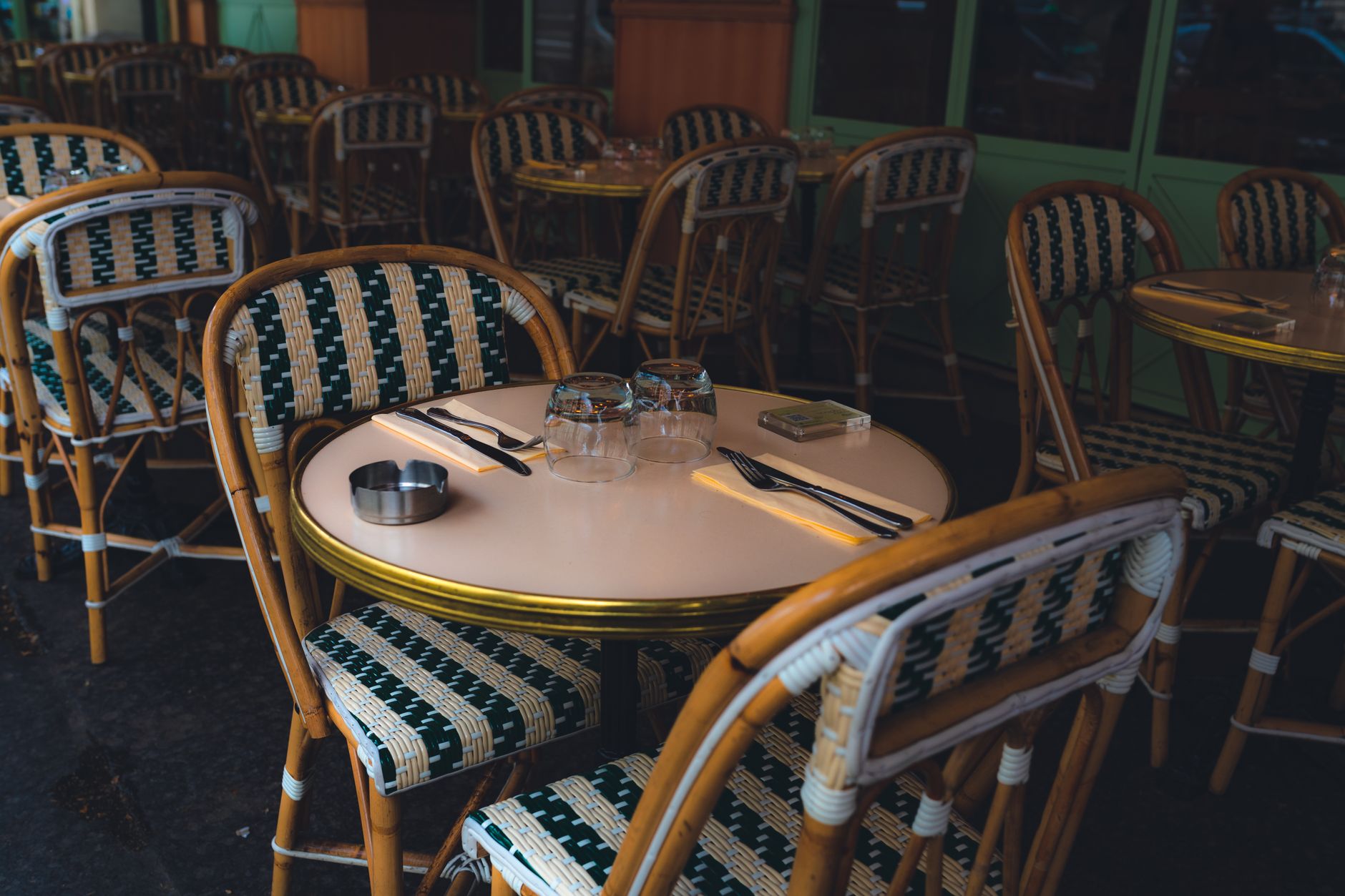
The Outdoor Dining Revolution: A Culinary Awakening
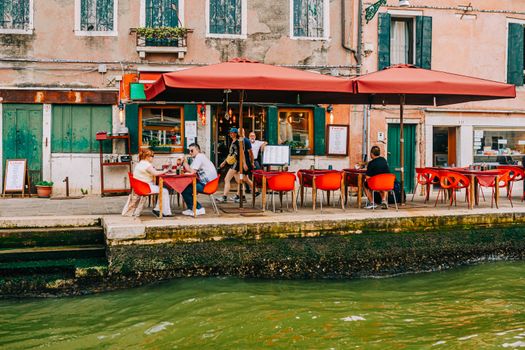
I stepped off the train in Lisbon, the air thick with the salty tang of the Atlantic and the sweet, intoxicating aroma of grilled sardines. It wasn't the grand Michelin-starred restaurant I’d initially planned to visit that drew me in, but the cacophony of clattering plates and joyous chatter spilling from a row of tiny tascas lining the cobbled street. Each seemed to spill its soul onto the pavement, a vibrant, open-air theatre of flavor. This, I realized, was the heart of the outdoor dining revolution – a delicious, democratic, and utterly exhilarating shift that's reshaping how we experience food across the globe.
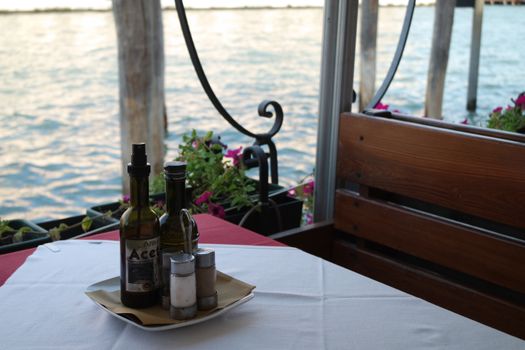
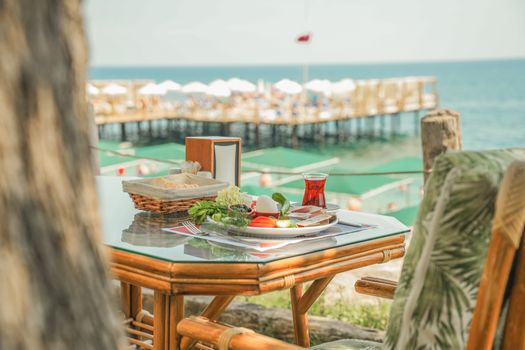
No longer are open-air spaces mere afterthoughts or seasonal novelties. They are becoming the epicenters of culinary innovation, offering immersive experiences that engage all our senses and connect us more deeply with our surroundings and the food we consume. From the bustling energy of street food markets to the tranquil elegance of garden bistros, the world’s food scenes are embracing the outdoors with a fervor that’s both inspiring and incredibly delicious.
1. The Street Food Renaissance: Flavor in the Fiery Heart of the City
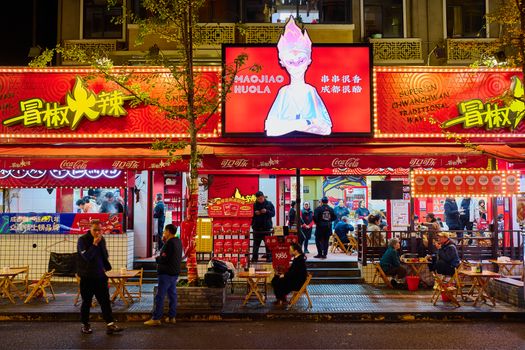
The humble street food stall has shed its dingy image and emerged as a legitimate culinary powerhouse. Think less greasy spoon, more gourmet pop-up. These are the places where local chefs, unburdened by the overhead of a brick-and-mortar establishment, can experiment with authentic flavors and hyper-local ingredients.
The Bangkok Buzz: My first brush with this revolution was in Bangkok. Forget sterile food courts; here, the sidewalks transform into kitchens. Under the glow of neon signs, vendors expertly flip roti, ladle fragrant curries, and grill skewers of marinated pork over charcoal so hot it practically sings. The symphony of sizzling, chopping, and shouting vendors is intoxicating. I remember one particular stall, barely more than a cart and a few plastic stools, serving a Pad See Ew so perfectly wok-charred and savory, it put any fancy Thai restaurant I'd visited to shame. The secret? The intense heat of the wok and generations of family know-how.
Pro-Tip: Don't be afraid to join the longest queue. It's usually the sign of the most authentic and delicious eats. Look for stalls with a constant turnover of locals – they know best!
Quick Facts: Bangkok Street Food
- Estimated Costs: $2 - $10 per meal
- Best Time to Visit: Evenings (6 PM - 11 PM) for the most vibrant atmosphere.
- How to Get There: BTS Skytrain or MRT Subway to various stations, then walk. Many popular spots are accessible via public transport. Look for areas like Yaowarat (Chinatown) or Sukhumvit Soi 38 (though this has changed, the spirit lives on!).
2. Secret Gardens and Urban Oases: Dining Amongst the Greenery
Escaping the urban hustle for a tranquil meal surrounded by nature is a dream many chefs are now fulfilling with enchanting outdoor dining spaces. These aren't just patios; they are meticulously curated gardens, courtyards, and even rooftop havens that offer a serene backdrop for exceptional food.
The Tuscan Dream, Reimagined: In Florence, I stumbled upon a trattoria tucked away down a vine-draped alley. Its "dining room" was a walled garden bursting with rosemary and lavender. The air was alive with the buzz of bees and the gentle murmur of conversation. The pasta, pici cacio e pepe, was made that morning, the cheese and pepper perfectly emulsified, tasting of pure sunshine and simplicity. It wasn't just a meal; it was an immersion in Tuscan life. The chef, a stout woman named Isabella, explained that her grandmother taught her the secret to the sauce: patience and the finest Pecorino.
Pro-Tip: Many of these garden eateries are hidden gems. Look for discreet signage, ask locals for recommendations, or search for restaurants advertising "garden dining" or "courtyard seating."
Quick Facts: Tuscan Garden Eateries (Example)
- Estimated Costs: $20 - $50 per person (for a main course and wine)
- Best Time to Visit: Late spring through early autumn. Lunch can be more relaxed, while evenings offer a romantic ambiance.
- How to Get There: Often walkable within historic city centers. Look for smaller side streets away from the main tourist thoroughfares.
3. Rooftop Revelry: Sky-High Flavors and Panoramic Views
The cityscape itself has become a canvas for dining. Rooftop restaurants and bars are no longer just about the view; they are sophisticated culinary destinations offering innovative menus and breathtaking panoramas.
The New York Skyline Symphony: New York City's skyline has always been an icon, but now you can dine within it. I’ve experienced tasting menus on rooftops where the city lights shimmered like a million fallen stars. One memorable evening, atop a sleek building in the Meatpacking District, I savored delicate scallops with a yuzu-butter sauce while gazing at the Empire State Building. The DJ spun a mellow set, the breeze was just right, and the energy was electric. It felt like being at the center of the universe, with incredible food to match.
Pro-Tip: Book well in advance, especially for sunset or weekend reservations. Many rooftop venues have dress codes, so check their website beforehand.
Quick Facts: NYC Rooftop Dining (Example)
- Estimated Costs: $50 - $150+ per person (depending on the venue and menu)
- Best Time to Visit: Spring and Fall offer pleasant weather. Summer evenings are popular but can be warm.
- How to Get There: Subway to the nearest station, then often a short walk. Valet parking is sometimes available.
4. The Rise of the 'Al Fresco' Market: A Gastronomic Gathering
Food markets have evolved from places to buy produce to vibrant social hubs where you can eat, drink, and soak in the local atmosphere. These open-air markets are the beating heart of many cities' culinary scenes.
The San Sebastián Pintxos Promenade: While not strictly "dining," the pintxos bars of San Sebastián offer an unparalleled outdoor eating experience. You'll find yourself weaving through narrow streets, hopping from one bustling bar to another, each with its own display of exquisite, bite-sized culinary creations. The air is thick with the scent of txakoli (local white wine) and the savory aroma of grilled seafood. Each pintxo is a work of art, from the classic Gilda (olive, anchovy, pepper) to miniature masterpieces of foie gras or spider crab.
Pro-Tip: Pace yourself! The goal is to sample a few things from several bars. Don't fill up at the first one. Learn a few basic Spanish phrases; it enhances the interaction.
Quick Facts: San Sebastián Pintxos (Example)
- Estimated Costs: $3 - $6 per pintxo, $3 - $5 per glass of wine. Budget $30 - $60 per person for a good crawl.
- Best Time to Visit: Year-round, but evenings (7 PM onwards) are when the bars truly come alive.
- How to Get There: Fly into Bilbao (BIO) and take a bus (approx. 1 hour). San Sebastián's Old Town is very walkable.
5. Farm-to-Table, Outdoors: Connecting with Your Food's Origins
The farm-to-table movement has found its most natural expression outdoors. Restaurants are creating dining experiences on farms, in vineyards, or in collaboration with local growers, offering a direct connection to where your food comes from.
The Napa Valley Vineyard Feast: Imagine sitting at a long communal table, nestled amongst rows of ripening grapes, the scent of the earth and fermenting fruit in the air. This is the essence of vineyard dining in Napa Valley. I once attended a "Gala Dinner" at a winery where the menu was dictated by what was harvested that day. The roasted duck, sourced from a nearby farm, was incredibly tender, complemented by heirloom tomatoes still warm from the sun and a salad of greens picked just hours before. The wine, of course, was from the very vines surrounding us. It was a profound culinary education.
Pro-Tip: These events are often ticketed and sell out months in advance. Look for "farm dinners," "vineyard lunches," or "harvest festivals" at wineries and local farms.
Quick Facts: Napa Valley Vineyard Dining (Example)
- Estimated Costs: $100 - $300+ per person (often includes wine pairings)
- Best Time to Visit: Harvest season (August - October) is spectacular, but spring and summer offer beautiful vineyard scenery.
- How to Get There: Fly into San Francisco (SFO) or Oakland (OAK), then rent a car or arrange for a shuttle service (approx. 1.5-hour drive).
6. The Pop-Up Phenomenon: Ephemeral Flavors, Lasting Memories
The transient nature of pop-up restaurants often lends itself perfectly to outdoor settings. These temporary culinary ventures create buzz and exclusivity, offering unique dining experiences that are here today, gone tomorrow.
The Coastal California Beach BBQ: I was lucky enough to catch a "secret" seafood pop-up on a secluded beach south of Big Sur. The chef, a former Michelin-starred chef seeking a more elemental experience, set up a grill right on the sand. We ate grilled octopus, still tasting of the sea, with our feet in the cool sand, as the sun dipped below the Pacific horizon. The only soundtrack was the crashing waves. It was raw, elemental, and utterly unforgettable.
Pro-Tip: Follow chefs and culinary collectives on social media (Instagram is key!) to discover these ephemeral dining events. They often announce locations and dates with short notice.
Quick Facts: Coastal Beach Pop-Up (Example)
- Estimated Costs: $75 - $200+ per person
- Best Time to Visit: Dependent on the event, but often during warmer months or specific coastal festivals.
- How to Get There: Varies wildly! Often requires driving to a specific meeting point and then being guided to the location.
Embracing the Revolution
The outdoor dining revolution isn't just a trend; it's a fundamental shift in how we engage with food and our environment. It's about sensory immersion, authentic connection, and the sheer joy of good food enjoyed in the best possible setting. Whether you're a seasoned globetrotter or a weekend explorer, seeking out these outdoor culinary adventures will undoubtedly elevate your travel experiences. So, step outside, breathe deep, and prepare to taste the revolution.
---