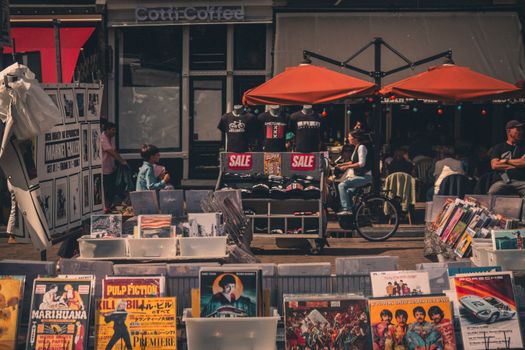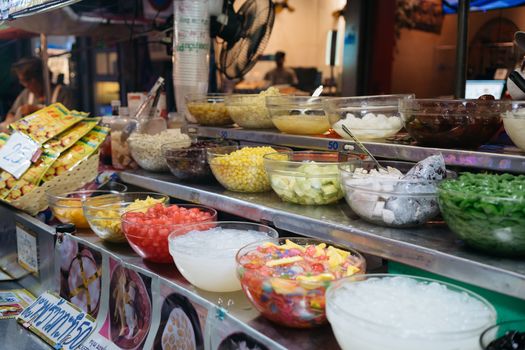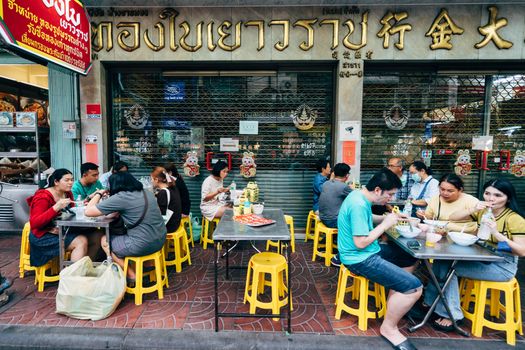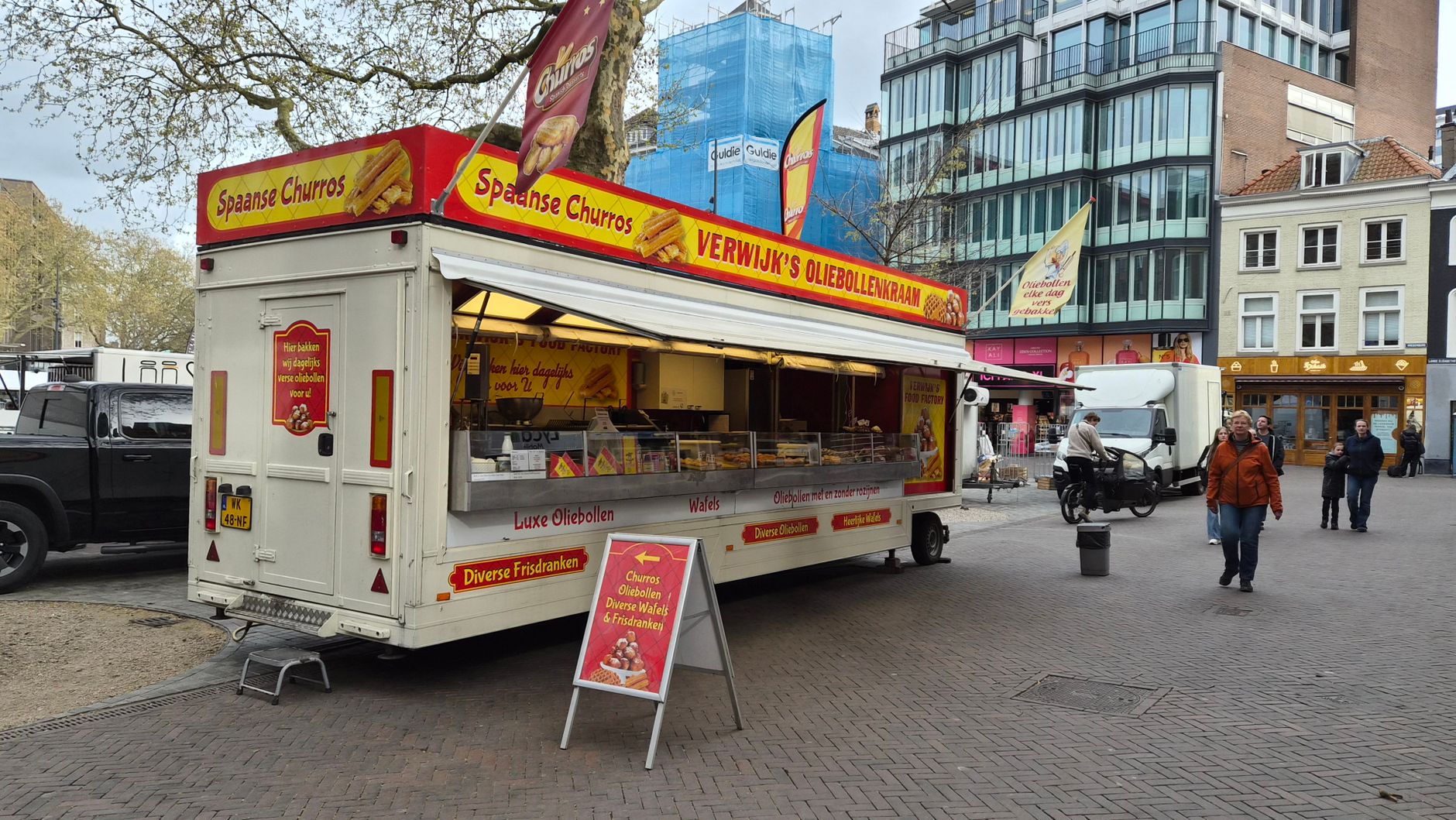
There is a reason people remember a meal eaten outdoors. A plate of grilled fish on a harbourside terrace, a bowl of noodles on a plastic stool beside a busy road, a long lunch under a vine pergola: the setting becomes part of the flavour. Outdoor dining is not new, because people have eaten in the open air for as long as there have been markets and squares. But in recent years, many cities have rethought how they use public space, and outdoor dining has become a bigger part of how those cities look, feel and taste.
This article explores how outdoor dining shapes food scenes, what different regions do with it, and how you can choose and enjoy outdoor meals as a traveller. It avoids sweeping claims about what is "trending", since that changes quickly, and focuses on lasting ideas. Local rules, opening hours and seasons vary, so check current information when you plan.
Why Outdoor Dining Matters to a City
Outdoor dining is about more than extra tables. It affects the way a city works.
- It brings streets to life. Pavement terraces, courtyards and squares filled with diners create a lively atmosphere that can make an area feel safe and welcoming.
- It supports small businesses. Cafes and restaurants gain extra seating, which can matter greatly for small operators.
- It encourages lingering. Eating outdoors tends to slow people down, so meals and conversations stretch longer.
- It shapes neighbourhood identity. A street known for its cafes or grills becomes a destination for locals and visitors alike.
- It changes how public space is used. Debates about parking, traffic, noise and access are often part of the story.
Not everyone benefits equally. Residents may worry about noise, congestion or the loss of public space, and people with mobility needs may find crowded terraces hard to navigate. The best outdoor dining cultures find a balance.
A Quick Look at Outdoor Dining Traditions Around the World
Different regions have long traditions that continue to influence modern dining.
Southern Europe
In Spain, Italy, Greece and Portugal, eating outdoors is simply part of daily life. Squares fill with tables from late afternoon, tapas bars spill onto the pavement and long summer dinners start late. A coffee on a terrace can last as long as you like, though in some places a seating charge applies compared with standing at the counter.
France and Central Europe
Cafe terraces, with chairs facing the street, are a defining image of Paris and other French cities. In Vienna, Prague and Budapest, courtyards, beer gardens and historic squares offer outdoor seating in warmer months. Beer gardens in Germany, particularly in Bavaria, are community spaces where guests may bring their own food in some traditions, though rules vary.
Southeast and East Asia
Street food culture here is outdoor dining at its most democratic. Night markets in Taiwan, hawker centres in Singapore and Malaysia, and pavement restaurants in Vietnam and Thailand serve a wide range of dishes in an open-air setting. Seating can be basic, but the food is often superb and affordable.
Latin America
Plazas, food stalls and markets all play a role. In Mexico, taco stands and market food courts mix with restaurant terraces. In Peru and Colombia, street vendors and open-air restaurants are part of the daily rhythm.
Middle East and North Africa
Courtyards, rooftop terraces and street-side grills are central. In many cities, evening is when families and friends gather outdoors, especially in warmer months. During Ramadan, outdoor evening meals and gatherings take on special significance, so check local customs and opening times.
Australia, New Zealand and North America
Cafe culture has grown strongly, and many cities now have laneway cafes, waterfront decks and rooftop bars. Farmers' markets and food truck parks add to the outdoor offer.
What Has Changed in Recent Years
Without claiming exact numbers or dates, a few broad developments are worth knowing about.
- More cities have formalised outdoor dining. Some have introduced permits, designated zones and design rules for terraces, parklets and temporary structures.
- Street closures and pedestrian zones have given restaurants more room in some places, creating car-free dining streets.
- Heating and shelter have extended the season. Heaters, awnings, covered patios and greenhouse-style structures allow outdoor dining in cooler weather in some regions.
- Rooftop and garden venues continue to grow, offering views and green space within dense cities.
- Pop-up and market formats let new cooks test ideas without the cost of a full restaurant.
- Sustainability thinking has encouraged more local ingredients and reusable serving items in some outdoor venues.
These developments vary hugely from place to place, and some have faced pushback or changed with new regulations. Check the situation in the city you are visiting.
How to Choose a Good Outdoor Table
Not every terrace is a good one. A few signals help you decide.
- Look at who is sitting there. A mix of locals and visitors at off-peak hours is a good sign.
- Check the menu. A concise menu, clear prices and dishes that match the location suggest care.
- Consider the view versus the food. Famous views often come with higher prices and average cooking. A less spectacular spot a street or two away can offer better value.
- Check the surroundings. Heavy traffic, strong fumes or noise can ruin a meal. A courtyard or side street is often quieter than the main road.
- Think about sun, shade and wind. Late-afternoon sun can be wonderful in spring and unbearable in midsummer. Look at where shade will fall.
- Look for cover. If the weather is uncertain, ask whether there is a covered or indoor area available.
- Ask about reservations. In busy seasons, popular terraces fill quickly, particularly at sunset.
Etiquette for Outdoor Dining
Good manners help everyone enjoy the space.
- Learn the local seating rules. In some places you wait to be seated, in others you choose your own table.
- Do not claim a table for hours in a very busy area if you have ordered only a drink, unless it is clearly acceptable.
- Check about service or cover charges. Some places add a charge for outdoor seating, and others include service.
- Keep noise down in residential areas, especially late in the evening.
- Be considerate with smoking and vaping. Rules vary, and outdoor spaces often have designated zones.
- Take your rubbish, or place it in the correct bins, in market and food-truck settings.
- Respect staff. Servers are working in difficult conditions such as heat, rain and crowds.
Making the Most of Outdoor Dining as a Traveller
A few practical habits can improve the experience.
- Time it right. Eat in the shade at lunch in hot climates, and take the sunset table in the evening if you want the view.
- Dress for conditions. Bring a layer for cooler evenings, sun protection for the day and an insect repellent where necessary.
- Order drinks first and take your time. In many cultures a meal outdoors is not rushed.
- Try the local specialities. Outdoor stalls and terraces often focus on a few classic dishes.
- Mix formats. Combine a market snack, a terrace aperitif and a courtyard dinner for variety.
- Mind your belongings. Keep bags secure and phones off the table in crowded areas.
- Be flexible with the weather. Have a backup indoor plan if you can.
Accessibility and Inclusion
Outdoor dining is not equally comfortable for everyone. If you or your companions have mobility needs, consider asking in advance about step-free access, wide pathways, seating with back support and accessible toilets. Crowded pavements and cobbled streets can be difficult for wheelchairs and pushchairs. If you have allergies or dietary requirements, ask staff about ingredients and cross-contamination, and carry any necessary medication. Most restaurants will try to help if you explain your needs politely.
Sustainability and Local Impact
Choosing where to eat is a small way to support a city's food scene.
- Choose independent, locally owned places over international chains when you can.
- Order local and seasonal dishes.
- Avoid wasting food by ordering sensibly.
- Use reusable bags and bottles.
- Recognise that popular areas feel pressure from visitors. Exploring side streets spreads the benefits.
A Sample Day of Outdoor Eating
To see how these ideas fit together, imagine a day in a warm Mediterranean-style city. Breakfast is a pastry and coffee at a pavement cafe in the shade, while the streets are still quiet. Mid-morning is spent at the central market, where you buy fruit and perhaps taste a few local cheeses. Lunch is a set menu in a courtyard away from the main square, with the heat of the day softened by a canopy. In the late afternoon you rest, then head to a square for an aperitif as the light turns golden. Dinner is late, perhaps shared small plates at a terrace on a side street, followed by a slow walk home.
In a Southeast Asian city, the same day might begin with noodle soup at a roadside stall, continue with a fruit shake from a market, include a hawker-centre lunch and end at a night market, trying a little of everything. The formats differ, but the principle is the same: the street is the dining room, and the rhythm of the day follows the heat and the habits of the people who live there.
Frequently Asked Questions
Is outdoor dining always cheaper than eating inside?
No. Prices depend on the place. Street stalls are often inexpensive, but terraces in prime locations can charge more for the setting. Compare menus before you sit.
What should I do if the weather turns?
Ask staff whether there is cover or indoor seating. Many venues keep awnings, blankets or heaters on hand. If not, be ready to move.
Do I need to reserve an outdoor table?
For popular places, especially in good weather, reservations can help. Smaller cafes and street stalls rarely take them. Check each venue's policy.
Is outdoor dining suitable for children?
Often yes, because there is more space and noise is less of an issue. Keep an eye on traffic, hot surfaces and crowded walkways.
Summary
Outdoor dining shapes how cities look and feel, from the cafe terraces of Paris and tapas squares of Spain to the night markets of Asia and the courtyards of the Middle East. It supports small businesses, brings streets to life and encourages people to slow down. As a traveller, you can choose well by looking at who is eating there, balancing view against value, and checking sun, noise and shelter. Follow local etiquette, think about accessibility and sustainability and keep a plan for bad weather. Rules, seasons and opening hours change, so always check current information.