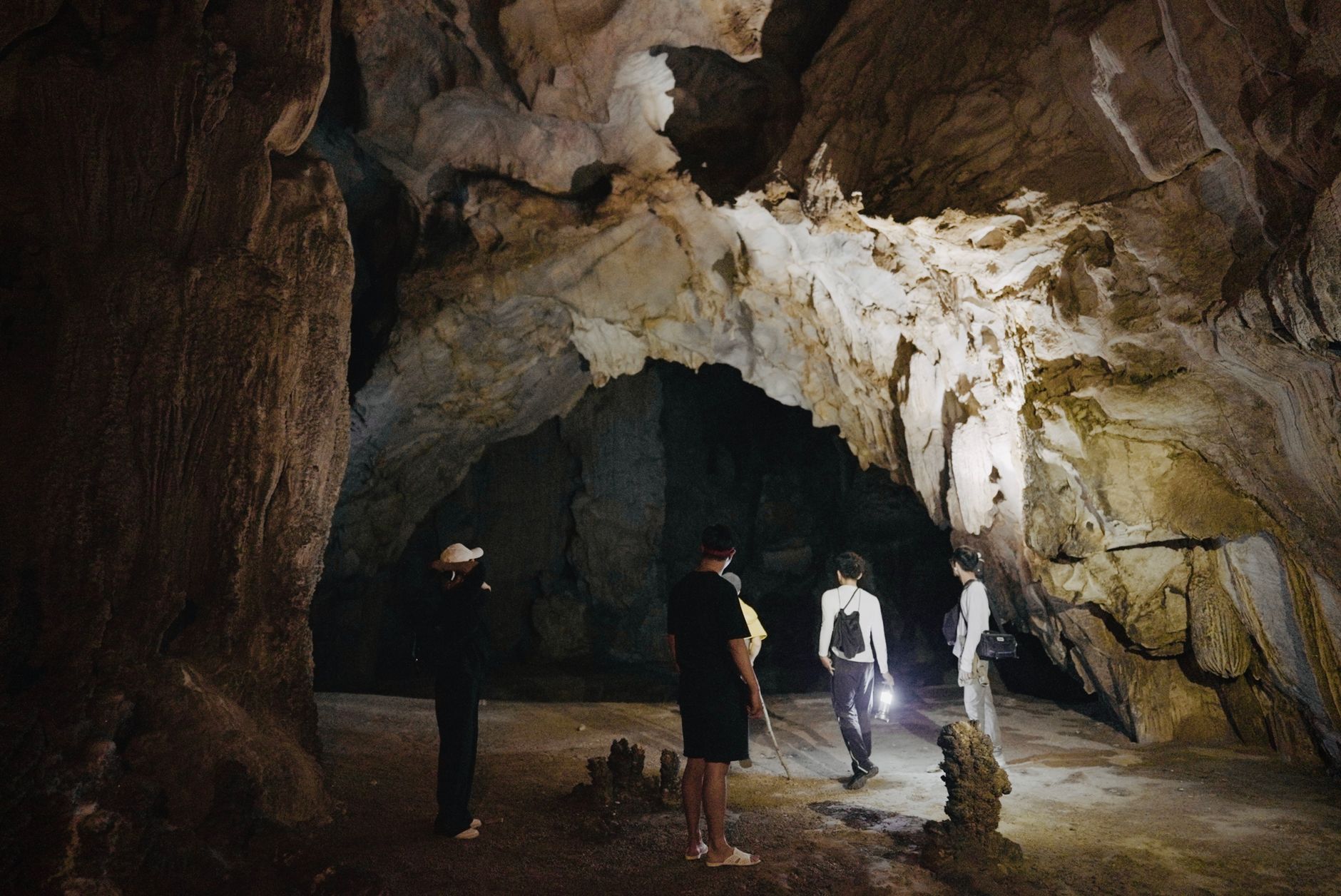
Caves draw visitors who enjoy geology, unusual landscapes, and the sense of stepping into a different environment. Many of the most accessible caves are developed for tourism, with paved paths, lighting, and guided tours that make a visit possible in a few hours. Others require more preparation, including helmets, headlamps, and a guide licensed for less developed passages. Choosing the right kind of cave depends on your interests, fitness, and comfort with confined or dark spaces.
Types of caves visitors can enter
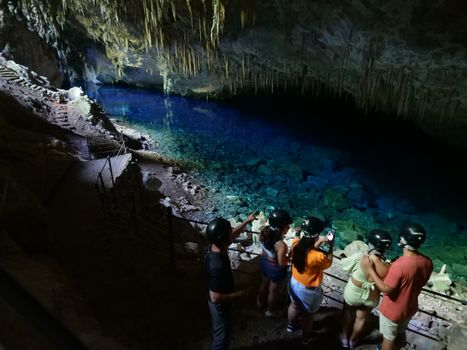
Show caves are the most common type for general visitors. They have been surveyed and prepared with lighting, handrails, and walkways, and tours typically last from around an hour to a few hours. Many include formations such as stalactites, stalagmites, and flowstone, and some have underground rivers or lakes. Guided show caves are often the easiest option for families and first-time visitors.
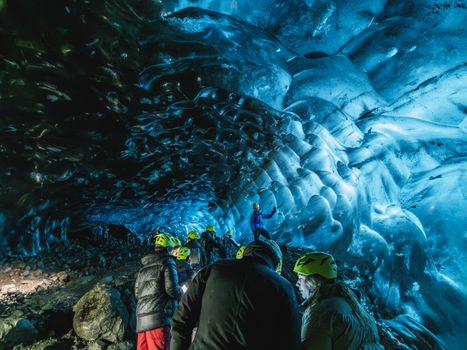
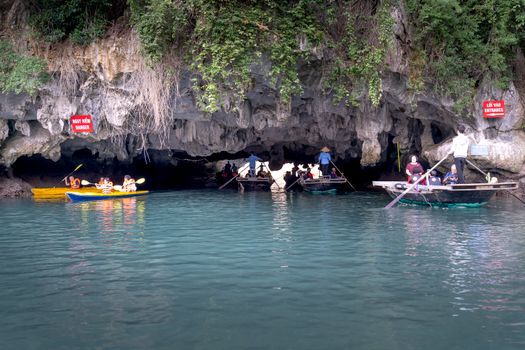
Adventure caves are less developed and may involve crawling, climbing, or wading. These are generally run by specialist operators who provide equipment and certified guides. Wild caves, which are not prepared for visitors, require significant experience and should not be entered without an expert. In between are caves that offer boat trips on underground water, glowworm displays, or walking routes with moderate changes in level.
Examples of well-known cave visits
Several cave systems are widely visited and typically offer guided tours of different lengths. Postojna Cave in Slovenia is known for a guided tour that includes a small train section, and it is a common day trip from nearby cities. Waitomo Caves in New Zealand are known for glowworm displays and boat rides on underground water. Mammoth Cave in the United States has a large network of passages and offers a range of ranger-led tours with different levels of difficulty. Cango Caves in South Africa has guided routes with notable formations. Tour lengths, routes, and availability change, so check current details with the operator before planning.
Safety and comfort
Caves are cool, damp, and often dark, and temperatures inside are usually lower than outside even on warm days. Wear closed shoes with good grip, since paths can be wet or slippery, and bring a light layer. Avoid heavy bags and loose items that might be dropped or snagged. Follow the guide's instructions about where you may walk and touch, since oils from skin and other disturbances can damage formations.
Some caves have restrictions for children, people with mobility issues, or people with respiratory or heart conditions. Narrow passages, steps, and low ceilings may be difficult for some visitors. Ask the operator about accessibility and tour difficulty before booking. Photography rules also vary, and flash may be prohibited because it can disturb sensitive ecosystems and some visitors.
Booking and timing
Popular show caves often sell tickets in advance, particularly during holidays and peak travel periods. Many operators publish timetables with a fixed number of departures per day. Arriving early can help, but do not assume that walk-in tickets will be available. For adventure caves, booking in advance is usually necessary, and operators may ask for a minimum age, fitness level, or prior experience.
Consider the time you need beyond the tour itself. Allow for arrival and ticketing, transport to and from the site, and possibly a meal afterward. If you plan to visit a cave as part of a broader day, check how far it is from your base and whether public transport or private transfers are practical.
Respecting cave environments
Caves can be fragile. Formations grow very slowly, and touching them can leave residues that stop growth. Bats, invertebrates, and other cave life may be sensitive to light and noise, and some caves are closed seasonally to protect hibernating animals. Follow posted rules, stay on marked routes, and avoid leaving any trace behind. Responsible visitors help keep caves open for future generations.
Practical tips
- Choose a show cave for a relaxed visit or an adventure operator if you want more physical challenge.
- Book tickets online where possible, and confirm the tour language and duration.
- Wear closed, grippy shoes and bring a light jacket, even in summer.
- Carry a small bag and leave bulky items in your accommodation or car.
- Check accessibility, minimum age, and fitness requirements before you go.
- Bring a headlamp only if your operator recommends it, and follow the guide at all times.
Common mistakes to avoid
Planning a tight schedule with a tour straight after a long drive is a common error. Arriving at the entrance with minutes to spare can lead to rushed check-in and an uncomfortable start. Some visitors choose a cave for its name without reading the route description, then discover more steps or narrow sections than expected. Others assume that a short tour shows everything a cave offers, when specialised sections often need separate bookings. Wearing a long, loose coat or carrying a bulky rucksack can be awkward on narrow walkways. Forgetting to eat or drink before a long tour can leave you tired, so plan a snack and water for the walk. Finally, some people do not check how long the tour lasts, and then find they have little time for the next item on the day's plan.
Who this suits and who it doesn't
A guided cave visit suits people who enjoy geology, unusual underground scenery and short, structured outings. It can work well for families with older children, for couples looking for a change from a beach day, and for travelers who want a memorable activity between other plans. It is less suitable for people with strong claustrophobia, those who find low light unsettling, and travelers with significant mobility limits who cannot manage steps or uneven surfaces. Very long adventure routes, which require climbing and crawling, suit experienced explorers rather than casual visitors. People who want a cave visit as their only activity of the day may find a combined itinerary more satisfying, while those seeking a lively, outdoor day may find a cave quieter than expected.
Frequently asked questions
Is a show cave a good first cave experience? Usually, yes. Developed routes are designed for visitors, so they are often the simplest option for a first trip.
What if I change my mind on the day? Ask the ticket office about refunds or exchanges. Policies vary, so check them before you buy.
Is it worth combining a cave with another activity? A combined day can suit visitors who want variety, such as a cave in the morning and a walk or meal later. Plan transport carefully so the timing works.
Caves offer a compact way to see geology in action, from delicate formations to underground rivers. Many can be explored in an afternoon with the right planning, particularly if you choose a guided show cave or a tour designed for visitors. The best experiences come from preparation: checking routes and rules, dressing for the conditions, and respecting the fragile environment that makes these places so unusual.