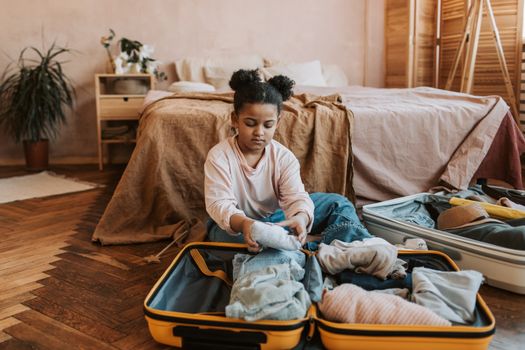
Genius Packing Hacks for Families with Kids: Travel Like a Pro (Before Everyone Else Does!)
Let's be real: the mere thought of packing for a family trip with young kids often feels less like prepping for a vacation and more like gearing up for a small-scale military operation. I’ve been there. My first big international trip with our then-toddler, Leo, to the sun-drenched beaches of Bali, was a packing disaster of epic proportions. We arrived with two massive suitcases, a stroller, a car seat, a diaper bag that could rival a small carry-on, and a partridge in a pear tree (okay, maybe not the partridge, but it felt like it!). We spent half our first day just trying to navigate the bustling Denpasar airport with our mountain of luggage and a very overtired, very vocal toddler.
That trip, while beautiful, taught me a crucial lesson: the less you bring, the more you enjoy. Over the years, through countless flights, road trips, and even a few train journeys across Europe with Leo and now his little sister, Maya, I’ve refined a system of packing hacks that are so effective, I’m almost hesitant to share them. Almost. But as a fellow parent in the trenches of family travel, I believe in sharing the wealth. These aren’t your grandma’s "roll your clothes" tips; these are the next-level strategies that will make you wonder how you ever traveled without them. Trust me, you'll want to bookmark this one.
---
1. The "Layered Living" Capsule Wardrobe: Mini-Me Edition
Forget packing an outfit for every day, plus two backups, plus a "just in case" outfit. That’s a recipe for overpacking. Instead, embrace the power of the mini-me capsule wardrobe. This isn't just about rolling clothes; it's about strategic garment selection and maximizing versatility.
The Hack: Before you even think about tossing in that adorable but impractical denim jacket, consider your destination’s climate, your activities, and the magic of layering. For kids, this means focusing on high-quality, quick-drying basics that can be mixed and matched endlessly. Think two pairs of shorts/skirts, three-four t-shirts, one long-sleeved top, one lightweight jacket/cardigan, and a pair of versatile pants (like activewear joggers or lightweight linen).
My Story: On our recent two-week adventure through the historical streets of Rome and the picturesque coastal towns of Cinque Terre, I packed Leo (6) and Maya (3) each just five outfits. Five! How? Every item was a neutral or complementary color. We had quick-dry activewear tops from Decathlon, soft cotton leggings, and a couple of merino wool t-shirts. Merino wool is a game-changer – it’s naturally odor-resistant, temperature-regulating, and dries incredibly fast. We did a load of laundry every 3-4 days at our Airbnb (many offer washing machines, or you can find laundromats for around €5-€10 a load). This meant less luggage, lighter bags, and more space for souvenirs (and snacks!).
Actionable Tip: Invest in a few quick-dry items for your kids. Brands like REI Co-op, Decathlon, and even some GapKids activewear lines offer excellent options. For younger kids, look for zip-up sleepsuits that can double as play clothes in a pinch. Pack three pairs of socks and underwear per child, maximum. If you're staying somewhere for more than 4-5 days, assume you'll do laundry. Pack a small bag of concentrated laundry detergent pods – they take up minimal space.
---
2. The "Snack Attack" Strategy: Beyond the Ziploc Bag
If you’re traveling with young kids, you know snacks are not just food; they’re a lifeline. A well-timed snack can avert a meltdown, buy you precious minutes of peace, and fuel adventures. But packing a mountain of snacks can quickly eat up luggage space and make your bag feel like a bottomless pit of crumbs.
The Hack: Create a dedicated, multi-functional snack station that's easily accessible and constantly replenished. Ditch the bulky boxes and single-use plastic bags.
My Story: Our 14-hour flight to Tokyo last year was a masterclass in snack strategy. Instead of individual bags of crackers, I used a multi-compartment bento box for each child. Each compartment held a different, appealing snack: sliced cucumbers, whole-grain crackers, a few pieces of cheese, and some dried mango. For purées and yogurt, I used reusable silicone pouches (like Squeasy Gear) that could be refilled after security. I also packed a small, insulated lunch bag with an ice pack for perishable items, which also served as a "personal item" for the kids. Once the perishables were gone, it became a toy bag.
Actionable Tip:
- Bento Boxes are your Best Friend: Invest in a good quality, leak-proof bento box with multiple compartments. This reduces waste and keeps snacks organized.
- Reusable Pouches: For younger kids, reusable silicone pouches are fantastic for fruit purees, yogurt, or even smoothies. Fill them at home and wash them on the go.
- Bulk Buy, Portion Pack: Buy larger bags of your kids' favorite snacks (pretzels, goldfish, dried fruit) and portion them into small, reusable silicone bags (like Stasher bags) or small containers. This saves money and packaging.
- The "Snack Vest" for Toddlers: For road trips, I once saw a mom with a toddler wearing a vest with multiple small pockets, each pre-filled with a different snack. Genius! While I haven't tried this exact hack, the principle is sound: make snacks self-service and easily accessible.
- Hydration Station: Don’t forget reusable water bottles. Fill them after security. Many airports now have water refill stations.
---
3. The "Entertainment Ensemble": Digital Detox & Analog Adventures
Keeping kids entertained on long journeys or during downtime is crucial. But bringing every toy they own is not an option. The key is strategic selection and multi-purpose items.
The Hack: Focus on small, quiet, and engaging activities that don't require batteries or can be easily recharged. Think beyond just screen time.
My Story: During a particularly rainy week in London, our plans for outdoor exploration were dampened. We were staying near the British Museum, and while fascinating, it wasn't going to hold a 4-year-old's attention for hours. That's when my "entertainment ensemble" saved the day. I had packed a small, thin folder containing sticker books (reusable ones are gold!), a mini watercolor paint set with a water brush pen (no spills!), and a small notebook with a few crayons. Leo had a compact LEGO Classic set, and Maya had a small bag of animal figurines. These items, along with a few pre-downloaded audiobooks on our shared tablet, provided hours of quiet engagement. The tablet was a last resort, used sparingly, and only with kid-friendly headphones.
Actionable Tip:
- The "Surprise Bag": Pack a few new, small, inexpensive toys or activities that you reveal one at a time when boredom strikes. Think mini puzzles, small tubs of Play-Doh, novelty erasers, or a small pack of playing cards.
- Sticker Books & Water Wow: Reusable sticker books (like Melissa & Doug) and Water Wow books (where you "paint" with water) are mess-free and endlessly entertaining for younger kids.
- Audiobooks & Podcasts: Pre-download age-appropriate audiobooks or kid-friendly podcasts. These can be a lifesaver during quiet times or when screens are not an option.
- Library Apps: Many public libraries offer free access to e-books and audiobooks through apps like Libby or Hoopla. Download them before you leave!
- Activity Boxes: Instead of bulky toys, create small "activity boxes" using pencil cases or clear pouches. Each box can have a theme: drawing (crayons, small pad), building (mini LEGOs/Duplos), or imagination (small figures).
---
4. The "Diaper Duty" Dynamo: Streamlining the Essentials
Diapers, wipes, creams – these take up a shocking amount of space. How do you manage this essential bulk without dedicating an entire suitcase to it?
The Hack: Don't pack a month's supply. Strategize for immediate needs and local procurement.
My Story: Our first trip to Costa Rica with Maya when she was a baby was beautiful but remote. We quickly realized our mistake of only packing enough diapers for the flight and the first day. The local pulperias (small shops) didn't carry her specific brand, and the sizes were limited. Since then, I've refined my "Diaper Duty" hack. For our recent trip to a family resort in Cancún, I packed enough diapers for the travel day plus two full days. I then used a local grocery delivery service (like Instacart or a local equivalent) to have a full pack of her preferred brand delivered directly to our hotel room shortly after arrival. It cost a bit more than buying at home, maybe $5-7 extra, but the convenience and saved luggage space were priceless.
Actionable Tip:
- Travel Day + 2 Days: Pack enough diapers for your travel day(s) plus an additional two days at your destination. This gives you a buffer to find a local supermarket.
- Diaper Subscription Services: Some services (like Dyper or Parasol) allow you to have diapers shipped directly to your destination. Check if they operate where you’re going.
- Reusable Swim Diapers: These are non-negotiable for pool or beach trips. Pack two or three. They take up minimal space and save you from buying expensive disposable swim diapers.
- The "Diaper Clutch": Instead of lugging the entire diaper bag for quick changes, create a small, portable changing clutch. Mine contains 2-3 diapers, a travel-size pack of wipes, a small tube of diaper cream, and a disposable changing pad. It fits easily in a backpack or stroller basket.
- Wipes Strategy: Buy one large pack of wipes and transfer some into a smaller, refillable travel container. This keeps them moist and reduces bulk.
---
5. The "First-Aid Fortress": Prepared for Anything (Almost)
No one wants to think about their child getting sick or injured on vacation, but it happens. A well-stocked, compact first-aid kit can save you stress, time, and potentially a costly trip to an unfamiliar doctor.
The Hack: Create a miniature, essential first-aid kit that covers common childhood ailments and minor injuries, organized for quick access.
My Story: During a whirlwind tour of Paris, Leo, then 5, took an unexpected tumble on the cobblestones near Notre Dame, resulting in a scraped knee and a lot of tears. My "First-Aid Fortress" was tucked neatly into a small clear pouch in my daypack. Within seconds, I had antiseptic wipes, a Band-Aid, and a comforting cuddle. Crisis averted without having to find a pharmacy in a panic. Another time, Maya developed a slight fever on a cruise ship. Having children’s paracetamol and a thermometer on hand meant we could manage her symptoms comfortably until we reached port and could consult a doctor.
Actionable Tip:
- Clear Pouch Organization: Use a clear, zippered pouch to keep everything visible and organized.
- Essentials List:
- Children’s pain reliever/fever reducer (e.g., Tylenol/Motrin, often available in travel-sized liquid or chewables).
- Children’s antihistamine (for allergic reactions or bug bites).
- Band-Aids (various sizes), antiseptic wipes, and a small roll of medical tape.
- Small tube of antibiotic ointment (like Neosporin).
- Thermometer (digital or forehead strip).
- Oral rehydration salts (e.g., Pedialyte powder packets) for dehydration.
- Any prescription medications your child needs (with a copy of the prescription).
- Small bottle of hand sanitizer.
- "Boo-Boo Buddy": For younger kids, a small, soft toy or finger puppet in the kit can distract them during treatment.
- Local Pharmacy Know-How: Research the local equivalent names for common medications (e.g., Paracetamol in Europe instead of Tylenol) before you go, just in case you need to replenish.
---
6. The "Gear Guru": Smart Solutions for Bulky Items
Strollers, car seats, travel cribs – these are the true space invaders. While essential for many, lugging them around can be a nightmare.
The Hack: Prioritize multi-functional, lightweight gear, or strategically rent/buy at your destination.
My Story: Our initial trip to Prague with Leo involved wrestling a full-sized travel system stroller through narrow cobblestone streets and up countless stairs. It was a workout, not a vacation. That’s when I discovered the magic of ultra-compact travel strollers. For our subsequent trip to the bustling streets of New York City, we invested in a GB Pockit stroller (which literally folds down to the size of a large handbag and fits in an overhead bin). It was a game-changer! For car seats, instead of bringing our bulky one, we often rent one with the car or use an inflatable booster seat like the BubbleBum for older kids, which packs down to nothing. For infants, babywearing in an Ergobaby or similar carrier is often far more practical than a stroller in many destinations.
Actionable Tip:
- Ultra-Compact Strollers: Research strollers that fold incredibly small and are approved as carry-on items (e.g., GB Pockit, Babyzen Yoyo). The upfront cost might seem high, but the convenience is priceless.
- Inflatable Boosters: For kids who are old enough, inflatable booster seats (like BubbleBum) are a fantastic, space-saving alternative to bulky car seats for taxis and rideshares. Always check local car seat laws.
- Babywearing: For infants and toddlers, a good quality baby carrier or wrap can replace a stroller entirely in many scenarios, especially in cities with lots of stairs or uneven terrain.
- Rent or Buy Locally: Many destinations offer baby gear rental services (strollers, car seats, cribs). Research these options. Sometimes, the cost of renting for a week is comparable to the checked baggage fee for your own gear. For travel cribs, many hotels and Airbnbs provide them for free or a small fee. Always confirm in advance.
- "Carry-On" Car Seat: If you absolutely must bring a car seat, consider FAA-approved models that can be used on the plane, allowing you to gate-check it or use it in an empty seat if available.
---
Conclusion: Pack Smart, Travel Often, Make Memories
Traveling with young kids is an adventure in itself, full of unpredictable moments and boundless joy. These packing hacks aren't about achieving perfection; they're about minimizing the logistical headaches so you can fully immerse yourselves in the magic of exploration. By thinking strategically about what you bring (and what you don't), you'll lighten your load, reduce stress, and create more space for what truly matters: making unforgettable memories with your family.
So, ditch the baggage stress, embrace these insider strategies, and prepare for your most relaxed family adventure yet. The world is waiting, and with these hacks, you're ready to conquer it, one perfectly packed bag at a time.
What are YOUR genius packing hacks that have saved your family trips? Share them in the comments below! And don't forget to subscribe to Tripsora for more family travel wisdom, destination guides, and inspiration to fuel your next big adventure!
---