Packing Hacks That Blew My Mind: Travel Lighter, Smarter, and Stress-Free!
Oh, the glamour of travel blogging! Sun-drenched beaches, ancient ruins, bustling markets… and the eternal struggle with luggage. For years, my travel narrative began with a frantic battle against a bulging suitcase, often ending in a desperate sit-down-and-zip maneuver, followed by the inevitable "overweight baggage" fee at the airport. My breaking point? A particularly brutal morning at Rome’s Fiumicino Airport, wrestling a monstrous 25kg suitcase down cobblestone streets, trying to catch an early train to Florence. Sweat stinging my eyes, back aching, I swore then and there: never again.
That moment of pure, unadulterated travel misery sparked a quest. A deep dive into the arcane arts of efficient packing. I devoured articles, watched countless YouTube tutorials, and experimented with every gadget and gimmick under the sun. And after years of trial and error, cross-continental trips, and countless flights, I’ve finally cracked the code. These aren't just tips; these are the 7 packing hacks that literally changed my life, transforming me from a baggage-burdened tourist into a nimble, stress-free explorer. Get ready, because these are going to blow your mind and revolutionize the way you travel forever!
---
1. The KonMari Method, but for Your Suitcase: Rolling & Folding Mastery
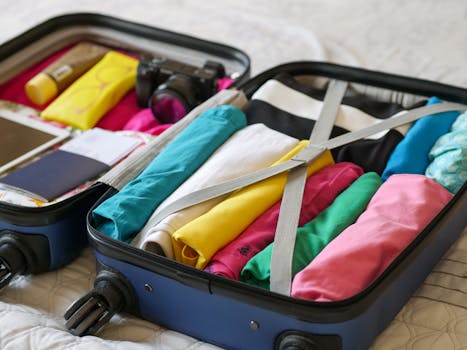
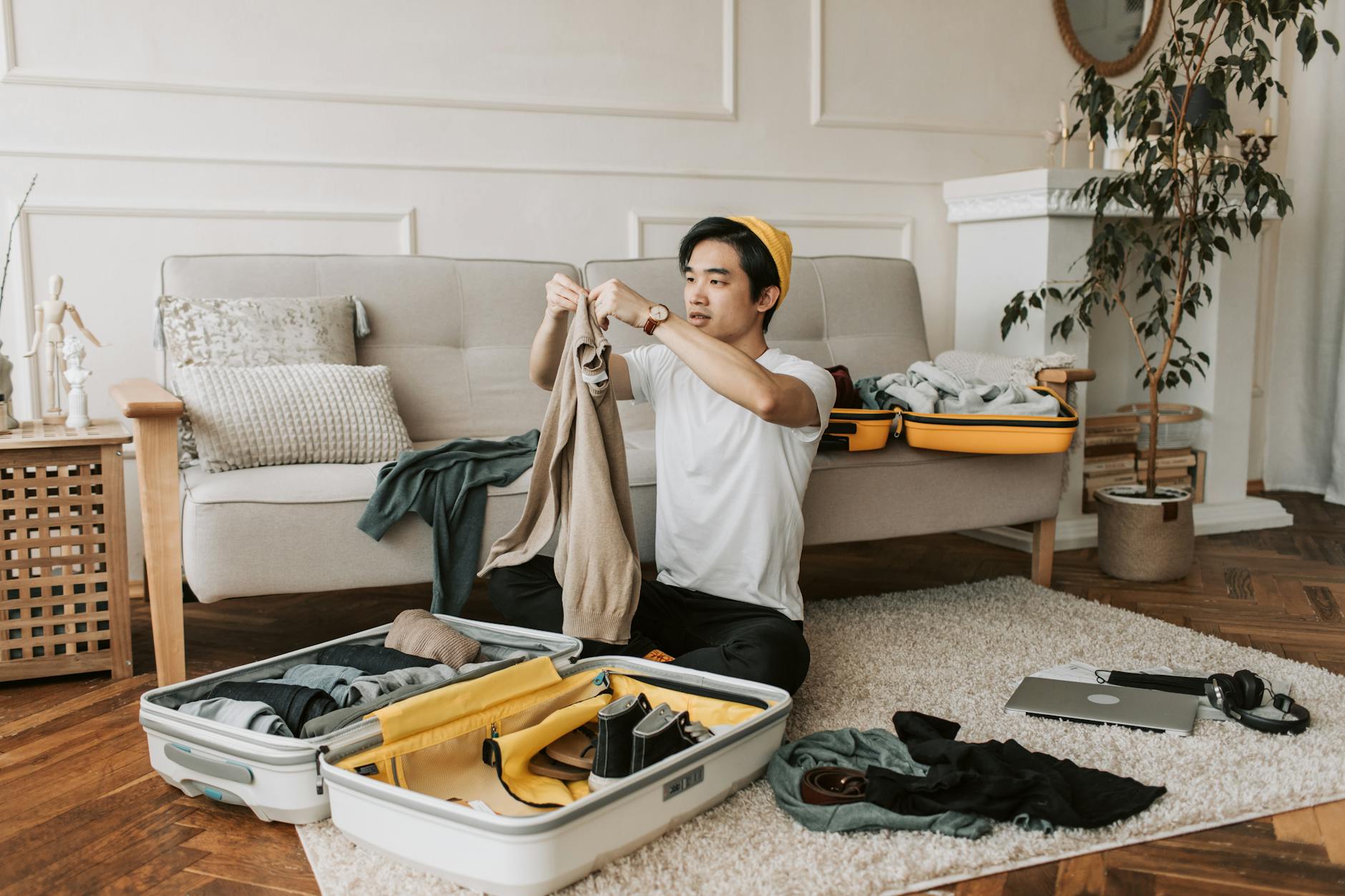
Forget everything you thought you knew about folding clothes for travel. The KonMari method isn't just for decluttering your home; it's a revelation for your suitcase. I used to just fold my clothes flat, stacking them like bricks, which inevitably led to wrinkles and wasted space. Then, I discovered the magic of vertical folding and tight rolling.
The Hack: Instead of laying clothes flat, fold them into small, compact rectangles that can stand on their own. For t-shirts, tops, and even thin sweaters, roll them tightly like a sushi roll. For bulkier items like jeans or trousers, fold them lengthwise and then into a tight rectangle.
Why it Blew My Mind: My first time trying this was for a two-week trip to Japan, hopping between Tokyo, Kyoto, and Osaka. I managed to fit a week and a half's worth of clothes, including several outfits for different climates, into a standard carry-on suitcase (55x40x20cm). Not only did it save an incredible amount of space, but my clothes also emerged with significantly fewer wrinkles! The tightly rolled items act like their own compression, preventing shifting and creasing. Plus, when everything is standing vertically, you can see all your items at a glance, no more digging!
How to Do It:
- T-shirts/Tops: Lay flat, fold both sides towards the center, then roll from the bottom up.
- Pants/Jeans: Fold in half lengthwise, then fold again, and roll tightly from the waist down.
- Delicates: Lay flat, fold into thirds, then roll gently.
Pro Tip: Practice at home a few times before your trip. You'll be amazed at how much more you can fit, and how organized your suitcase becomes!
---
2. Compression Cubes: My Holy Grail of Organization (and Space-Saving!)
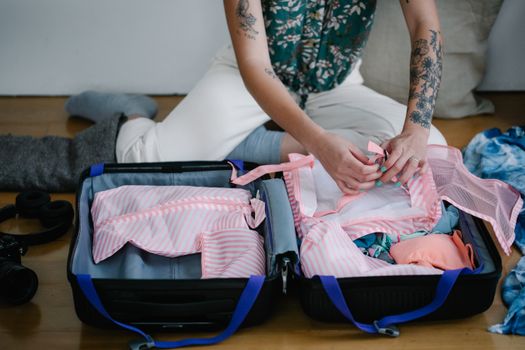
If there's one item that deserves a standing ovation in the packing hall of fame, it's the humble compression packing cube. Before these existed, my suitcase was a chaotic mess of clothes that shifted, expanded, and basically undid all my careful rolling.
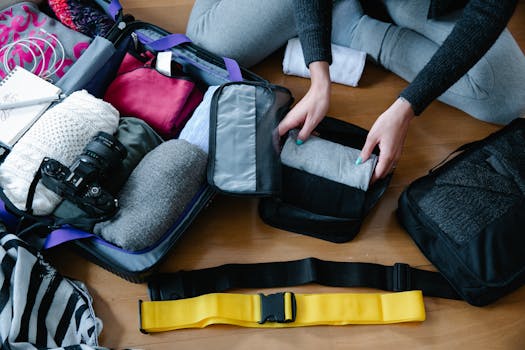
The Hack: Invest in a good set of compression packing cubes. These are not just regular packing cubes; they have a second zipper that, once the main compartment is full, allows you to squeeze out excess air and compress the contents significantly.
Why it Blew My Mind: I discovered these gems before a three-week backpacking trip through Patagonia. I needed to pack bulky hiking gear, thermal layers, and everyday clothes, all while aiming for a relatively light backpack. With standard cubes, I was struggling. With compression cubes? I fit everything! My larger cube (approx. 14x10x4 inches) effortlessly held three thick sweaters and two pairs of hiking pants, compressing them down to less than half their original volume. My smaller cubes (approx. 10x7x4 inches) became designated homes for underwear/socks and t-shirts.
Specifics: I personally swear by Eagle Creek Pack-It Compression Cubes (they're durable and the zippers are solid), but there are fantastic budget-friendly options on Amazon from brands like Gonex or Veken, usually ranging from $20-$40 for a set of 3-5. They come in various sizes, so you can mix and match.
Beyond Space: The organization aspect is equally life-changing. No more rummaging! I have a cube for tops, a cube for bottoms, one for underwear/socks, and even a "dirty laundry" cube. This means when I arrive at my hostel in Bariloche or my Airbnb in El Chalten, I can just pull out the cube I need, keeping the rest of my bag tidy. It's a game-changer for multi-stop trips where you're constantly unpacking and repacking.
---
3. The Capsule Wardrobe: Less is Truly More (and So Much More Stylish)
This hack is less about how to pack and more about what to pack. For years, I packed for "what ifs" – what if I need a fancy dress? What if it suddenly gets cold? What if I want a different color top for every day? The result was a suitcase full of clothes I barely touched.
The Hack: Plan a capsule wardrobe. This means selecting a limited number of versatile clothing items that can be mixed and matched to create multiple outfits. Think neutrals (black, white, grey, navy, beige) with one or two accent colors. Focus on layering.
Why it Blew My Mind: My most memorable success with this was a two-week island-hopping adventure through the Greek Cyclades – Santorini, Mykonos, Paros. I packed just 10 clothing items (excluding underwear/swimwear): 3 tops, 2 pairs of shorts, 1 skirt, 1 pair of linen pants, 2 versatile dresses, and a light cardigan. Every single item could be worn with at least three other items. I had outfits for exploring ancient ruins, relaxing by the beach, and enjoying sunset dinners in Oia, all while carrying a small backpack. My photos looked consistently chic, not because I had endless options, but because each piece was carefully chosen to complement the others.
How to Build Yours:
- Choose a Color Palette: Pick 2-3 neutral base colors and 1-2 accent colors.
- Focus on Versatility: Can this shirt be dressed up or down? Can these pants go with multiple tops?
- Layering is Key: A light jacket, cardigan, or scarf can completely change an outfit and adapt to different temperatures.
- Limit Shoes: 2-3 pairs max – one comfortable walking shoe, one sandal/flip-flop, one slightly dressier option if needed.
Personal Anecdote: I used to pack 5 pairs of shoes for a week-long trip! Now, I often travel with just two: a pair of stylish sneakers (like my trusty Allbirds) and a pair of comfortable sandals. This alone saves a massive amount of space and weight.
---
4. Digitalize Everything, Seriously!
In this digital age, clinging to physical copies of every document is not just unnecessary; it's a packing sin. This hack isn't about saving space in your suitcase, but about decluttering your mind and ensuring peace of mind.
The Hack: Scan or photograph every important document – passport, visa, flight tickets, hotel reservations, travel insurance, driver's license, credit cards (front and back, but blur out the CVV for security!). Store them securely in multiple digital locations: a cloud service (Google Drive, Dropbox), an encrypted folder on your phone, and email them to yourself or a trusted family member.
Why it Blew My Mind: This hack saved me from a major headache during a trip to Vietnam. I had a printed copy of my e-visa, but somehow, during a mad dash for a bus in Ho Chi Minh City, it vanished. Panic set in. Thankfully, I had scanned and uploaded it to my Google Drive, accessible offline on my phone. When immigration asked for it at the Cambodian border, I simply pulled out my phone, showed the digital copy, and sailed through. Had I relied solely on the physical copy, my trip could have been severely derailed.
Specifics:
- Cloud Storage: Google Drive, Dropbox, or iCloud are excellent. Ensure you have offline access enabled for critical documents.
- Password Manager: Use a secure password manager like LastPass or 1Password to store sensitive information like flight confirmation numbers, hotel booking IDs, and emergency contacts.
- Email Yourself: Send a "travel documents" email to yourself (and maybe a trusted friend/family member) with all the attachments. This acts as another backup.
- Emergency Contacts: Have digital and written copies of emergency contacts, your doctor's number, and insurance policy details.
Bonus Tip: Take photos of your luggage and its contents before you leave. If your bag gets lost, this visual proof can be incredibly helpful for insurance claims.
---
5. The "Wear Your Heaviest" Rule & The Personal Item Power-Up
Airline baggage rules are getting stricter, and weight limits are a constant battle. This two-part hack is about strategically distributing weight and maximizing every cubic inch of allowed space.
The Hack (Part 1): On travel days, wear your heaviest and bulkiest items. This means your hiking boots, your heaviest jacket, your jeans, and maybe even a layered sweater. These items don't count towards your luggage weight!
Why it Blew My Mind (Part 1): Flying to Iceland in winter, I needed heavy-duty hiking boots, a waterproof insulated jacket, and thick sweaters. Instead of trying to cram them into my carry-on, I wore them all on the plane. Yes, I looked like an overstuffed marshmallow, but I saved about 4-5 kg in my bag. Once on the plane, I could easily shed layers. It felt incredibly smart, bypassing potential overweight fees and freeing up crucial space.
The Hack (Part 2): Master your "personal item." Most airlines allow a personal item (like a backpack, large purse, or laptop bag) in addition to your carry-on suitcase. This isn't just for your purse; it's prime real estate.
Why it Blew My Mind (Part 2): My personal item is no longer just a place for my wallet and phone. It's my "flight essentials" bag and my "just in case" bag. It holds:
- Electronics: Laptop, tablet, Kindle, headphones, chargers.
- In-flight Comfort: Neck pillow, eye mask, earplugs.
- Valuables: Passport, wallet, important documents (digital copies, of course!).
- Medication: All prescription meds and essential over-the-counter items.
- A Change of Clothes: A light t-shirt, underwear, and socks. This has saved me multiple times when my checked luggage was delayed or lost. Knowing I have fresh clothes and essentials for 24-48 hours immediately reduces stress.
Specifics: Look for a personal item backpack that has smart compartments and fits snugly under the seat in front of you. My current favorite is a 20L travel backpack with a dedicated laptop sleeve and multiple pockets. Check your airline's specific dimensions for personal items – they vary!
---
6. Toiletries: Downsize, Decant, Ditch!
The bathroom bag is often a hidden culprit of unnecessary weight and bulk. Those full-sized bottles of shampoo, conditioner, and body wash can easily add a kilogram or more to your luggage, not to mention the risk of leaks and spills.
The Hack: Embrace travel-sized, solid, and multi-purpose toiletries.
Why it Blew My Mind: I once had a full-sized shampoo bottle explode in my suitcase during a flight to Bali. The sticky, floral-scented aftermath was a nightmare. Clothes ruined, toiletries covered, and a frantic clean-up at my accommodation. Never again! Now, my toiletry bag is minimalist and leak-proof.
How I Do It:
- Decant: Buy reusable, leak-proof travel bottles (silicone ones are great as they're easy to squeeze) and fill them with just the amount of shampoo, conditioner, and lotion you'll need for your trip. For a 10-day trip, 50ml bottles are usually more than enough. You can find sets for around $10-$15.
- Solid Revolution: This is where the real magic happens.
- Shampoo & Conditioner Bars: Brands like LUSH or Ethique make fantastic solid shampoo and conditioner bars that last for ages, take up minimal space, and never leak. They're eco-friendly too!
- Solid Face Wash/Body Wash: Many brands now offer these.
- Toothpaste Tablets: Instead of a tube, these small tablets foam up when chewed.
- Deodorant Sticks: Always opt for sticks over sprays for carry-on.
- Multi-Purpose Products: A good quality bar of soap can often double as body wash, face wash, and even shampoo in a pinch. A tinted moisturizer with SPF can replace foundation, sunscreen, and moisturizer.
- Ditch & Buy: For items like sunscreen, insect repellent, or heavier lotions, consider buying them at your destination, especially if you're going somewhere common like a beach resort. This saves significant weight and space on your outbound journey.
Personal Anecdote: For a two-week safari in Kenya, where weight limits on bush planes were strict, my solid toiletries were a lifesaver. My entire toiletry kit (including a small makeup bag) weighed less than 500g!
---
7. The "What If" vs. "What I Need" Mindset Shift
This final hack isn't a physical technique; it's a complete paradigm shift in how you approach packing. It's about letting go of anxiety and embracing flexibility.
The Hack: Consciously challenge every "what if" item you consider packing. Instead, ask yourself: "What do I absolutely need?" and "Can I buy/borrow/improvise this if I really need it?"
Why it Blew My Mind: For years, my packing list was dictated by fear: "What if it rains non-stop for three days?" (pack three rain jackets), "What if I get invited to a fancy dinner?" (pack a ball gown), "What if I run out of clean socks?" (pack 20 pairs). I realized I was packing for hypothetical disasters, not for the actual trip. This mindset shift happened during a backpacking trip through Southeast Asia. I was carrying a ridiculous amount of "just in case" items. One day, I just packed a small bag for a week-long island hop in Thailand, leaving my main backpack at a hostel. I realized I barely missed anything. All those "what if" scenarios? They rarely, if ever, materialized. And if they did, the solution was usually readily available.
How to Adopt This Mindset:
- Be Realistic: Think about the actual likelihood of needing that specific item. Is it 1%? Then leave it.
- Trust Your Destination: Most places have shops, pharmacies, and laundromats. You can buy a cheap umbrella if it rains unexpectedly, or get your clothes washed for a few dollars.
- Embrace Imperfection: It's okay if you don't have the perfect outfit for every single occasion. Travel is about experiences, not fashion shows.
- The "One Week Rule": Even for longer trips, pack as if you're going for one week. You can always do laundry or buy essentials. For a month-long trip to South America, I packed for 7-8 days and relied on laundry services every week. It was liberating!
Personal Anecdote: I once packed a small, foldable travel iron for a trip to Portugal, convinced I'd need perfectly pressed clothes. It stayed in my bag, unused, adding weight and taking up space. Now, I embrace slightly wrinkled linen shirts – it's part of the travel charm! This mental hack frees up not just physical space, but also mental energy.
---
Your Next Adventure Awaits, Lighter and Brighter!
There you have it – the packing hacks that didn't just organize my suitcase, but fundamentally changed how I experience travel. Ditching the heavy bags and the "what if" anxiety has opened up a world of freedom. I can now navigate bustling train stations with ease, sprint for connecting flights without breaking a sweat, and spontaneously hop on a local bus without worrying about my luggage.
These aren't just tips for professional travelers; they're strategies for anyone who wants to reclaim the joy of travel from the tyranny of luggage. So, on your next adventure, whether it's a weekend getaway to the coast or a month-long expedition across continents, try one or all of these hacks. Your back, your wallet, and your stress levels will thank you!
What are YOUR game-changing packing hacks? Share your wisdom in the comments below! Let's inspire each other to travel smarter, lighter, and with more joy.
---