Packing Hacks That Changed My Life in October 2025
Let's be honest: packing is often the most dreaded part of any trip. The endless "what ifs," the struggle to zip a bulging suitcase, the inevitable forgotten item, or the sheer weight of a bag that feels like it contains a small anvil. For years, I wrestled with the same packing dilemmas, often arriving at my destination exhausted before the adventure even began. My October 2025 trip, however, was different. It was a multi-destination whirlwind – starting with the crisp autumn air of Kyoto, Japan, then a spontaneous detour to the humid rainforests of Costa Rica, and finally, a relaxed beach escape in Bali. Three vastly different climates, three distinct vibes, and yet, for the first time ever, I breezed through airport security, never paid an overweight baggage fee, and genuinely enjoyed the packing process.
How? Because in the months leading up to October 2025, I committed to a radical overhaul of my packing strategy. I devoured every blog, watched every YouTube tutorial, and experimented with every gadget. What I discovered were not just "tips," but life-changing hacks that have fundamentally reshaped how I approach travel. These aren't just about fitting more into a bag; they're about creating a seamless, stress-free travel experience that allows you to focus on what truly matters: the adventure itself.
If you're ready to ditch the packing panic and embrace a smarter, lighter, and more organized way to travel, then pull up a chair, grab your favorite travel mug, and let me walk you through the seven packing hacks that absolutely blew my mind and transformed my October 2025 adventures.
1. The "Capsule Wardrobe" Reimagined: Versatility is Your Superpower
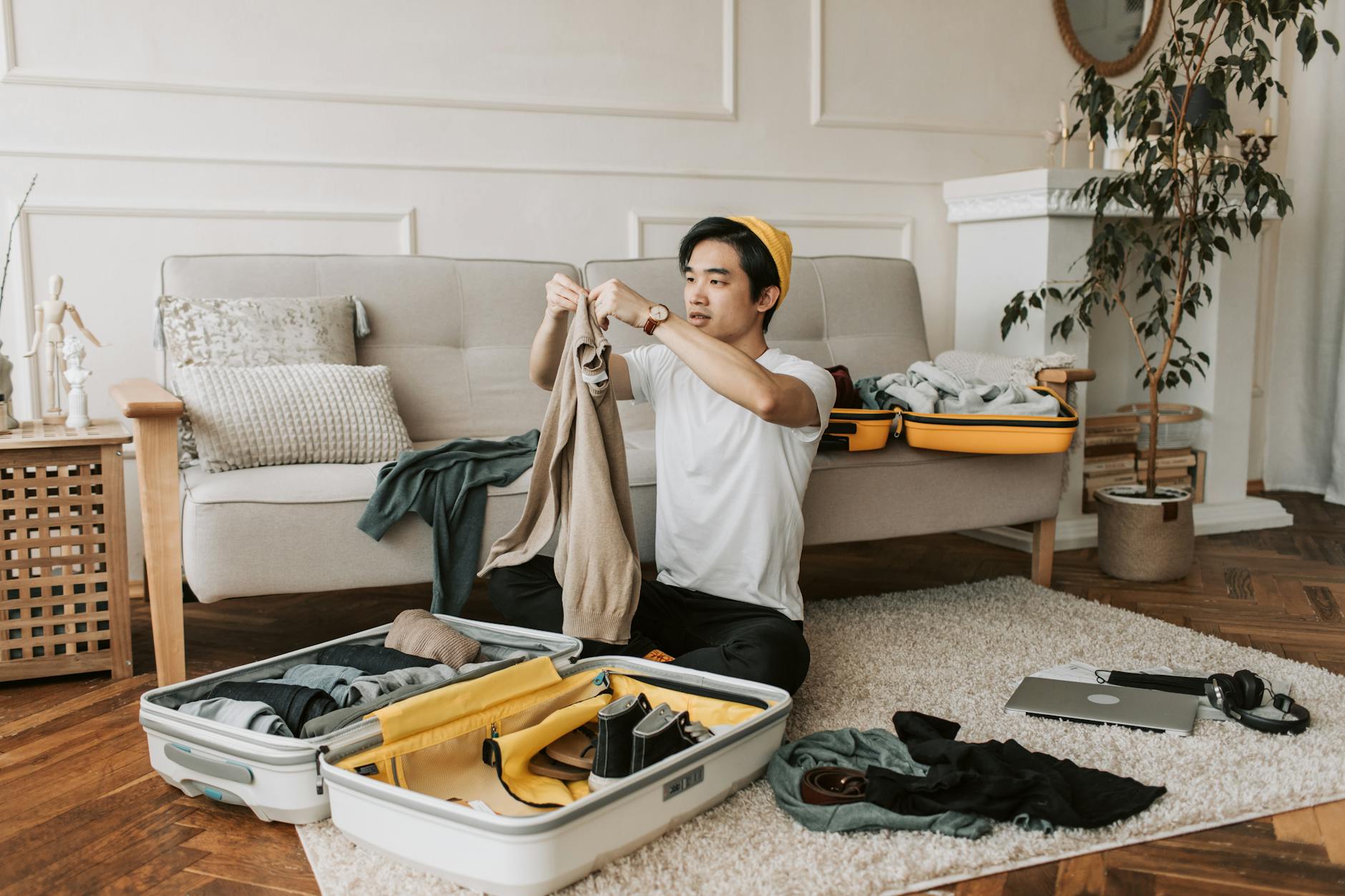
My first major revelation came from truly understanding the power of a versatile capsule wardrobe. Forget packing an outfit for every single day. That's amateur hour. October 2025 taught me that every single item of clothing must earn its place in my bag by being multi-functional, easily layered, and able to mix-and-match with at least three other items.
For my trip to Kyoto, the mornings were cool, perfect for exploring ancient temples, but the afternoons could warm up. Then, suddenly, I was jetting off to the intense humidity of Costa Rica, where quick-dry fabrics were paramount, followed by the laid-back beach vibes of Bali. It sounds like a packing nightmare, right? Not anymore.
Here's how I cracked it:
- Fabric First: I invested in high-quality merino wool base layers and t-shirts. They're naturally odor-resistant, quick-drying, and regulate temperature beautifully – keeping me warm in Kyoto's chill and surprisingly cool in Costa Rica's heat. Yes, they can be a bit pricier (a good merino tee might run you $60-$80), but they pay for themselves in reduced laundry and increased comfort. I packed two merino tees, one long-sleeve, and a lightweight cashmere-blend cardigan.
- Neutral Palette, Pop of Color: My core items were black, navy, and grey – easy to combine. I added one or two vibrant scarves and a lightweight, brightly colored sarong (which doubled as a beach cover-up, a towel, and even a makeshift blanket on a chilly flight!).
- The "One-Bottom" Rule (Almost): I packed one pair of comfortable, dark-wash jeans (suitable for Kyoto's casual elegance), one pair of quick-dry travel leggings (perfect for hiking in Costa Rica and yoga in Bali), and one pair of versatile black travel pants that could be dressed up or down. That's it.
- Shoe Strategy: This is crucial. I chose three pairs: comfortable walking sneakers (my trusty Allbirds, about $110, for Kyoto's cobblestones and Costa Rica's trails), elegant but comfy black flats (for evenings out and looking polished), and a pair of sturdy, waterproof sandals (ideal for Bali's beaches and Costa Rica's potential rain). Each pair served multiple purposes.
This capsule approach meant I could create dozens of different outfits from a handful of items, significantly reducing my luggage weight and decision fatigue each morning. It felt revolutionary to look chic in Kyoto, be ready for adventure in Costa Rica, and effortlessly relaxed in Bali, all from one carry-on.
2. The Unsung Heroes: Mastering the Art of Packing Cubes & Compression Bags
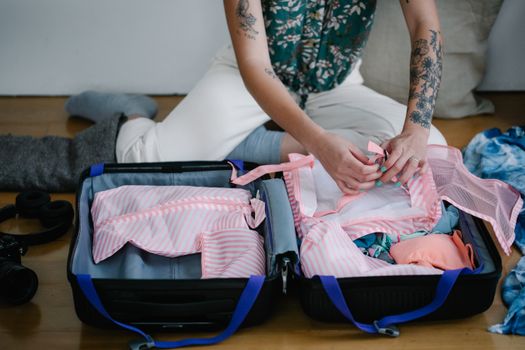
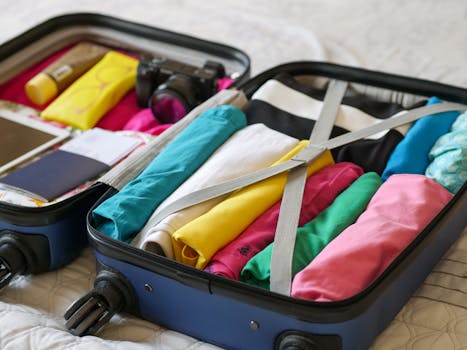
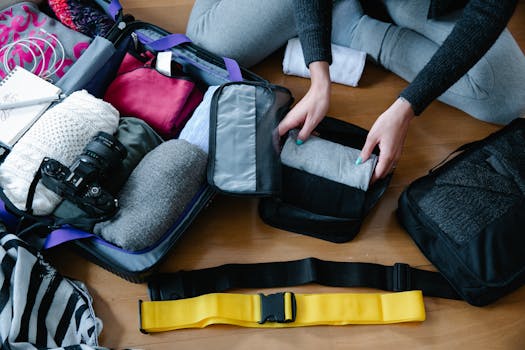
If you're still just throwing clothes directly into your suitcase, stop. Right now. This is perhaps the single most impactful packing hack I adopted for October 2025. Packing cubes aren't just about organization; they're about optimization and peace of mind.
I used to think packing cubes were a gimmick, just adding more fabric to my bag. I was so wrong. My turning point came when I shelled out about $50 for a set of high-quality compression packing cubes from a brand like Eagle Creek. These aren't your average mesh bags; they have a second zipper that squeezes out air, reducing the volume of your clothes by up to 30-40%.
Here’s my system that made my multi-destination October 2025 trip a breeze:
- Category is Key: I assigned a specific cube to each category:
- Large Compression Cube: All my main clothing items (merino tees, pants, cardigan). This is where the magic happens – compressing three days' worth of clothes into a surprisingly small brick.
- Medium Cube: Underwear, socks, and my swimsuit. Easy to grab without rummaging.
- Small Cube: Pajamas and my sarong.
- Slim Cube: My quick-dry travel towel and laundry bag.
- The "Dirty Laundry" Cube: This was a game-changer. As I wore clothes, they went into a designated, breathable laundry cube. This kept my clean clothes fresh and made unpacking a breeze. No more guessing what's clean or dirty!
- Roll, Don't Fold (Mostly): For items going into the compression cubes, rolling them tightly before zipping the compression feature worked best. It minimizes wrinkles and maximizes space.
- Separation for Sanity: When I moved from Kyoto to Costa Rica, I simply swapped out a few items from my cubes – adding a rain jacket to one, perhaps, and removing a heavier layer from another. The cubes kept everything compartmentalized, preventing cross-contamination of dirty clothes or misplaced items.
This system not only made packing and unpacking incredibly efficient but also protected my clothes from getting disheveled during transit. When my luggage was briefly inspected in Tokyo, everything was neatly organized, making the process quick and stress-free. It’s an investment, but one that pays dividends in saved time, reduced stress, and pristine clothing.
3. Tech Tetris: Your Digital Life, Deciphered and Organized
In October 2025, my phone is my camera, my map, my boarding pass, and my entertainment hub. My laptop is my mobile office. My drone captures breathtaking aerials. All of this tech comes with a tangled web of cables, chargers, and accessories. Previously, my tech gear was a chaotic mess at the bottom of my bag, leading to frantic searches and forgotten chargers. This hack eliminated that entirely.
My solution: A dedicated, structured tech organizer. I picked up a Gonex travel electronics organizer for about $25 on Amazon, and it was one of the best investments I made.
Here’s what went into it and how it stayed organized:
- All Cables in One Place: Every USB-C, lightning, micro-USB, and camera charging cable had its own elastic loop or mesh pocket. No more spaghetti junction!
- Power Play: My universal travel adapter (with multiple USB ports, essential for charging devices simultaneously in different countries – about $30) and a portable power bank (10,000 mAh, perfect for a full phone charge or two) were securely tucked away.
- Small Essentials: Spare SD cards, a tiny lens cleaning cloth, my wireless earbuds, and a mini LED light for video calls.
- The "Grab and Go" Principle: The beauty of this organizer is that it's a self-contained unit. When I needed to work on my laptop in a coffee shop in Bali, I just pulled out the single pouch, and everything I needed was there. No digging through my backpack. When I landed in San José, Costa Rica, and needed to charge my phone immediately, I knew exactly where the power bank was.
This hack isn't just about neatness; it's about efficiency and preventing tech anxiety. Knowing exactly where every cable and charger is means less stress, less wasted time, and never missing that crucial photo opportunity because your drone battery is dead and its charger is lost in the abyss of your bag.
4. The "Toiletries Tango": Downsizing Without Compromise
Liquid limits are the bane of every traveler's existence. I used to decant, then decant again, only to find a leaky bottle had ruined half my clothes. My October 2025 travels, however, involved zero liquid spills and minimal plastic waste, thanks to a complete overhaul of my toiletry bag.
The secret? Going solid and multi-use.
- Solid Shampoo & Conditioner Bars: These are absolute game-changers. I picked up a couple of Lush shampoo and conditioner bars (around $12-$15 each) before my trip. They last ages, take up minimal space, and, most importantly, are not liquids! They worked beautifully in Kyoto's hotel showers and even in the more rustic accommodations in Costa Rica.
- Solid Face Wash & Lotion: Similar to shampoo, I found solid face wash sticks and lotion bars. They're mess-free and compact. Brands like Ethique offer great options.
- Toothpaste Tablets: Instead of a tube, I switched to toothpaste tablets (e.g., from Bite or Lush, about $10-$15 for a month's supply). You just chew them and brush. Zero mess, zero liquid.
- Multi-Use Makeup/Skincare: I streamlined my routine to essentials. A tinted moisturizer with SPF replaced foundation and sunscreen. A lip and cheek tint served double duty. A small, concentrated serum rather than a big bottle.
- Refillable Travel Bottles (for true essentials): For the few liquids I couldn't replace (e.g., contact lens solution), I used high-quality, leak-proof silicone travel bottles (like those from GoToob, about $25 for a set of three). I filled them only with the exact amount I needed for the trip, plus a little extra.
My toiletry bag, once a bulging source of anxiety, became a compact, leak-proof pouch that fit easily into my personal item. Navigating airport security in Japan was a breeze, and I never had to worry about a burst bottle ruining my clothes while trekking through the Costa Rican jungle. This hack is not just smart; it's eco-friendly and incredibly liberating.
5. The Personal Item Power-Up: Maximizing Your Under-Seat Space
Most airlines allow you a "personal item" in addition to your carry-on suitcase. This is not just a glorified handbag; it's prime real estate, and for my October 2025 adventures, I learned to maximize its potential. This bag became my in-flight survival kit and my immediate access point for essentials upon arrival.
I chose a backpack (my trusty Osprey Daylite Plus, around $65) that was just small enough to fit under the seat but surprisingly roomy.
Here’s what I strategically packed into it:
- In-Flight Comfort & Entertainment: My noise-canceling headphones (essential for long flights to Bali!), an e-reader, a travel pillow, a lightweight scarf (doubles as a blanket), and a small toiletry pouch with a toothbrush, travel-size moisturizer, and lip balm for refreshing during layovers.
- Immediate Essentials: My tech organizer (see Hack #3), passport, wallet, boarding passes (both physical and digital), and any essential medications.
- A Change of Clothes: This is a non-negotiable hack. I always pack a clean set of underwear, socks, a t-shirt, and leggings in my personal item. Why? Because if my main carry-on ever gets gate-checked or delayed (which, thankfully, didn't happen in October 2025, but has in the past!), I still have fresh clothes for 24 hours. This saved me a lot of anxiety during my connection in LAX.
- Snacks & Hydration: A reusable water bottle (empty through security, filled at a fountain) and a few healthy snacks (nuts, protein bar) for those moments when airport food just doesn't cut it.
- Valuables: Any high-value items like jewelry or important documents that I didn't want to entrust to my main bag.
This personal item became my "command center" – everything I needed for the journey itself or for immediate post-arrival comfort was within arm's reach. It meant I could relax on the flight, knowing I wouldn't have to rummage through my main bag, and I was always prepared for unexpected delays or changes.
6. The "Emergency Kit" Evolution: Prepared for Anything (Almost)
Travel is unpredictable. A small cut, a sudden headache, a ripped seam – these minor inconveniences can become major stressors if you're unprepared. For October 2025, I curated a minimalist but comprehensive "Emergency Kit" that fit into a tiny pouch, saving me time, money, and stress on multiple occasions.
This wasn't just a basic first-aid kit; it was a compact problem-solver:
- Mini First-Aid: A few band-aids, antiseptic wipes, pain relievers, anti-diarrhea tablets, allergy medicine, and a small tube of antibiotic ointment. All travel-sized, of course.
- The "Fix-It" Crew: A small sewing kit (the kind you get in hotels, but better quality), a few safety pins, a tiny roll of duct tape wrapped around a pencil, and a multi-tool credit card (about $10). That tiny sewing kit saved my favorite dress when a seam split before a special dinner in a traditional ryokan in Kyoto!
- Personal Care Backups: A few individually wrapped wet wipes, a small hand sanitizer, and a few travel laundry detergent sheets (for quick sink washes of my merino wool if needed).
- The "Unexpected" Lifesavers: A small, foldable reusable shopping bag (invaluable for groceries, souvenirs, or an extra day bag), a compact headlamp (for power outages in Costa Rica or early morning hikes), and a universal sink stopper (you'd be surprised how often hotel sinks don't have one, making laundry tricky!).
This little kit, no bigger than a paperback book, lived in an easily accessible pocket of my main bag. It meant I rarely had to scramble to find a pharmacy in an unfamiliar country for a minor issue, allowing me to stay focused on enjoying the vibrant markets of Ubud or the stunning views from Monteverde. It's about being proactively prepared, not reactively stressed.
7. The "Empty Space" Hack & Digital Documents: Future-Proofing Your Return
Finally, the hack that often gets overlooked: planning for the return journey. So many travelers pack their bags to bursting on the way out, forgetting that they'll likely acquire souvenirs, gifts, or perhaps even new clothing during their trip. My October 2025 travels had a designated "empty space" strategy.
- The 20% Rule: I always aimed to pack my main bag to about 80% capacity on the way out. This seemingly small detail made a huge difference. It meant I had room for the beautiful hand-carved wooden mask I bought in Bali, the unique Japanese ceramics from Kyoto, and the locally roasted coffee from Costa Rica, without having to buy an extra bag or play Tetris with my existing luggage.
- Foldable Duffel/Tote: For bigger souvenir hauls, I always pack a lightweight, foldable duffel bag (like the Baggu packable duffel, about $40). It takes up virtually no space going out, but can expand into a full-size carry-on or checked bag if needed for the return. This gives me peace of mind to shop without regret.
- Digital Document Duplicates: This isn't strictly packing, but it's crucial for stress-free travel. Before my trip, I scanned or photographed my passport, visa, flight confirmations, hotel bookings, and travel insurance details. These were saved to a cloud service (Google Drive, Dropbox) and also offline on my phone and e-reader. I also emailed copies to myself and a trusted family member. When a local tour operator in Costa Rica needed a copy of my passport quickly, I had it instantly on my phone. When my phone battery died during a long bus ride to the airport in Bali, I could access my flight details on my e-reader. It's a simple, free hack that can save you immense headaches.
These two hacks combined ensure that the end of your trip is as smooth and enjoyable as the beginning. No last-minute repacking stress, no agonizing over which souvenir to leave behind, and no panic if a physical document goes missing.
Your Next Adventure Awaits, Stress-Free!
My October 2025 travels were a revelation, not just for the incredible destinations I explored, but for the profound shift in how I experienced the journey itself. These packing hacks aren't just about efficiency; they're about empowering you to travel with confidence, comfort, and a sense of effortless adventure.
Imagine arriving at your destination feeling refreshed, knowing exactly where everything is, and having the freedom to spontaneously explore without the burden of a heavy, disorganized bag. That's the magic these hacks brought to my life.
So, which of these game-changing hacks will you try first for your next adventure? Will it be the versatile capsule wardrobe, the mighty packing cubes, or the perfectly organized tech kit? Don't just read about them; implement them! Start small, experiment, and watch your travel experience transform.
Share your best packing hacks in the comments below! What's one tip that changed your travel life? Let's inspire each other to travel smarter, lighter, and more joyfully!
---