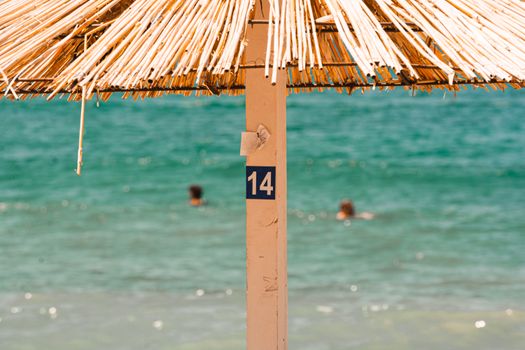
Beach clubs have become a familiar part of coastal travel in many destinations. These venues typically combine sand or pool access with loungers, shade, food and drink service, and sometimes music or organized activities. Access is commonly sold as a day pass, which may include a lounger or cabana, a minimum spend on food and drink, or a combination of both. Because pricing, inclusions and rules differ widely, it helps to understand the common structures before comparing options.
What a typical day pass includes
A basic pass usually grants entry to a designated area for a set period, often during daytime hours. Some passes include a sun lounger, while others offer a shaded cabana or bed with a table. Some venues apply a minimum spend that can be redeemed against food and drink, so the true cost may depend on what you order. Towels, changing rooms, lockers, and showers are sometimes included and sometimes charged separately.
Read the inclusions carefully. A pass labeled as day access may not include premium seating, parking, or service charges. Some venues add a fee for early arrival, late stays, or certain amenities. Confirm what is included before paying, and ask whether any charges are added at the end of the day.
Why prices and rules vary
Pricing depends on location, season, amenities, and demand. Beach clubs in high-demand destinations may charge more during peak periods, while quieter times can offer lower rates or fewer restrictions. Venues with private pools, dedicated staff, or premium food service typically cost more than simpler beach access. Because rules and prices change, check the current information directly with the venue before traveling.
Booking policies also differ. Some clubs accept walk-in visitors when space is available, while others require advance reservations, particularly on weekends and holidays. Cancellation and refund terms vary, and weather-related closures may or may not be refundable. Read the terms and conditions before paying.
Comparing beach clubs and public beaches
Public beaches are generally free to access, although some have charges for parking, lounger rental, or facilities. Beach clubs offer more predictable amenities and service, which many visitors value. They can be a good choice for travelers who want shade, comfort, and food without carrying equipment. However, they may restrict where you can sit or walk, and some are primarily designed for resort guests or members.
If you are weighing options, consider what matters most to you. Quiet, natural shoreline may be better served by public beaches or coastal walks, while a day with comfort, amenities and food may suit a beach club better. Some travelers combine both, spending a morning on a public beach and an afternoon at a club.
What to check before you arrive
Confirm the opening hours, the pass duration, and the check-in process. Ask whether the pass includes a lounger, a towel, or a minimum spend, and whether children are welcome. Find out what the dress code is, whether there is an age policy, and whether outside food and drink are allowed. Check the access route, parking options, and whether a shuttle or taxi stop is nearby.
Sun protection and safety are also important. Bring water, sun protection, and a hat, and be aware of local rules on swimming flags, lifeguard coverage and water conditions. Keep valuables secure and use lockers if provided. If you plan to swim, check whether the venue has lifeguards and where the safe zones are.
Practical tips
- Confirm what the pass includes, including loungers, towels, minimum spends and service charges.
- Check whether reservations are required, and book ahead for weekends and peak seasons.
- Ask about the cancellation policy and what happens if weather affects the day.
- Bring water, sun protection, and a plan for food and drink if outside items are restricted.
- Check the dress code, age policy and whether children are welcome.
- Compare with nearby public beaches to decide which option suits your day.
Common mistakes to avoid
A common mistake is assuming that the headline price covers everything a visitor will spend. Minimum spends, service charges and charges for extras can change the total considerably. Another error is arriving late and expecting the same lounger to remain available, since many venues release unclaimed beds after a set time. Some people also bring outside food or drink without checking the rules, which can lead to items being taken at the entrance. Finally, travelers sometimes forget that a club may have a dress code or age policy, and that a swimsuit alone may not be suitable for every area of the venue, particularly restaurants.
Who this suits and who it does not
Beach clubs tend to suit visitors who want comfort, shade and food without carrying equipment, and who are happy to pay for a more organized day. They can work well for travelers with limited time who want to make the most of one afternoon at the coast. They may be less suitable for people on a strict budget, those who prefer to walk long stretches of shoreline, or anyone who dislikes paying for access to the sea. Families may find that some venues are relaxed and welcoming, while others are oriented to adults, so the policy should be checked before booking.
Frequently asked questions
Are beach clubs always expensive? Prices vary a great deal by location, season and inclusions, so comparing the total cost of a likely day is more useful than looking only at the headline figure.
Is a reservation always required? Not always, but popular venues may need bookings at weekends and holidays. Check each club's current policy before you travel.
What should I do if conditions are poor? Look for clear terms on weather, rescheduling and refunds, and ask the venue how it handles closures before you pay.
Beach clubs and day passes can make a day by the sea more comfortable and convenient, but they vary a great deal in price, inclusions and rules. A few minutes of research before booking, including confirming current terms with the venue, helps avoid surprises and makes it easier to choose the day that suits your budget and preferences.