The Whispers of Wudang: My First Breath of True Qi
I stepped off the overnight train in Shiyan, Hubei, the air thick with the mingled scents of coal smoke, damp earth, and something subtly floral – the promise of blossoms I couldn't yet see. The predawn chill bit at my cheeks, but beneath it, a strange, invigorating hum seemed to vibrate through the very cobblestones beneath my worn hiking boots. This wasn't just another travel destination; this felt like stepping into a living legend. For years, I’d chased whispers of ancient masters, of practices that could harmonize the body, mind, and spirit. And this year, a new wave of these custodians of profound knowledge are extending a rare invitation to those of us from beyond their shores.
The Awakening: Why This Year is Different
For decades, access to authentic Qi Gong masters, particularly those deeply rooted in traditional lineages, has been a closely guarded secret, often requiring extensive networks and arduous journeys. However, a subtle but significant shift is occurring. Driven by a global surge in interest in holistic well-being and a growing recognition of Qi Gong's therapeutic benefits, several esteemed masters are actively seeking dedicated foreign students. This isn't about tourist traps; it's about genuine transmission of knowledge. They are opening their doors to those who approach with respect, a sincere desire to learn, and a willingness to immerse themselves in a different way of life.
Unveiling the Masters: Who's Opening Their Doors?
This year, the landscape of Qi Gong education for foreigners is expanding. While specific names can be fluid, the emerging trend points towards masters associated with established schools and lineages, often located in regions steeped in Taoist and martial arts history.
The Wudang Mountain Lineage:
Wudang Mountain, the legendary birthplace of Tai Chi and a spiritual heartland of Taoism, is seeing a resurgence of interest. Masters here are known for their deep connection to nature, rigorous internal cultivation, and profound understanding of Qi dynamics.
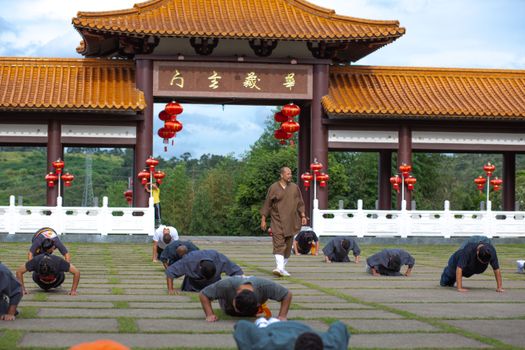
- What to Expect: Training often involves early morning sessions in the crisp mountain air, focusing on the subtle movements of Wudang internal arts, meditation, and Daoist philosophy. You'll learn to harness the mountain’s energy.
- Pro-Tip: Many masters here appreciate students who have a basic understanding of Mandarin. Even a few key phrases can significantly enhance your connection. Look for those associated with the Wudang Six Harmonies and Four Methods (六合四象 - Liù Hé Sì Xiàng) or Wudang Five Elements (武当五行 - Wǔdāng Wǔ Xíng) styles.
The Shaolin Temple's Energetic Offshoots:
While the main Shaolin Temple is a major tourist draw, many former monks and lay practitioners who have preserved authentic Qi Gong lineages have established smaller, more intimate training centers in the surrounding areas. These offer a more personalized experience.
- What to Expect: Expect a blend of dynamic Qi Gong exercises designed to build physical strength and internal power, often integrated with foundational Shaolin martial arts principles. The focus is on developing palpable Qi.
- Pro-Tip: Seek out masters who emphasize Eight Brocades (八段锦 - Bā Duàn Jǐn) or Five Animal Frolics (五禽戏 - Wǔ Qín Xì) with a focus on their energetic applications, not just the physical forms. These are often taught with deep theoretical underpinnings.
The Ascetics of Mount Emei:
Mount Emei, another sacred Buddhist mountain, also has practitioners who have preserved unique Qi Gong and Buddhist meditation techniques. These often focus on cultivating inner peace and resilience.
- What to Expect: Training here might lean more towards seated meditation, mindful movement, and cultivating a strong, calm mind. You'll learn to use Qi for healing and emotional balance.
- Pro-Tip: Look for masters who teach practices related to Buddhist Yoga (佛门瑜伽 - Fó Mén Yú Jiā) or specific breathwork techniques for stress reduction. The atmosphere is often serene and contemplative.
The Immersive Experience: Beyond the Forms
Learning Qi Gong from a master is not just about memorizing movements; it's about embracing a holistic lifestyle. This year's emerging opportunities often provide deeper immersion.
Daily Rhythms:
Mornings often begin before dawn, with the cool air alive with the sounds of nature and the gentle movements of practitioners. Breakfast is typically simple, nourishing, and vegetarian, designed to support your energy cultivation. Days might involve structured lessons, followed by practical application, personal practice time, and discussions on Qi Gong theory and philosophy.
- Insider Lingo: You'll hear terms like "Shen" (神 - spirit), "Qi" (气 - vital energy), and "Jing" (精 - essence). Understanding these concepts is key to unlocking the practice.
Dietary Wisdom:
The food served is an integral part of the practice. Expect simple, wholesome meals prepared with local, seasonal ingredients. Think steamed vegetables, hearty grains, and nourishing broths. This isn't just food; it's fuel for your energy body.
- Pro-Tip: Be open to the local cuisine. It's often designed to complement the Qi Gong practices and is an essential part of the holistic experience. Don't be afraid to ask about the medicinal properties of different ingredients.
Cultural Integration:
Many masters welcome students to participate in local village life, festivals, and community activities. This offers an unparalleled opportunity to understand the cultural context from which Qi Gong arises.
- Authenticity Check: True masters will emphasize the ethical and philosophical underpinnings of Qi Gong, not just the physical benefits. They will encourage humility, patience, and respect.
Practicalities for the Aspiring Student
Embarking on this journey requires careful planning. This year, with masters more open to foreign students, the logistical hurdles are lowering, but preparation is still key.
Quick Facts:
| Aspect | Estimated Cost (USD) | Best Time to Visit | How to Get There | | :----------------- | :------------------- | :----------------- | :---------------------------------------------------------------------------------- | | Tuition/Board | $500 - $2000/month | Spring (Mar-May), Autumn (Sep-Nov) | Fly into major Chinese cities (e.g., Beijing, Shanghai, Xi'an), then domestic flight/train. | | Accommodation | Included in board | N/A | Varies by school; often simple dormitories or homestays. | | Visa | $180 - $250 | N/A | Apply for a tourist or student visa well in advance. | | Flights | $800 - $1500 (round trip) | N/A | Book in advance for best prices. | | Local Transport| $50 - $100/month | N/A | Buses, trains, taxis. | | Total Estimate | $1500 - $4000/month | N/A | N/A |
- Pro-Tip: Costs can vary significantly. Some masters offer very affordable, simple training with basic accommodation, while others might be part of more established retreat centers with higher fees. Always clarify what is included.
Finding Your Master:
The "emerging this year" aspect means many opportunities are still being formalized. Here's how to navigate:
- Leverage Existing Networks: Connect with Qi Gong communities online and in your local area. Often, word-of-mouth is the most reliable way to find these genuine opportunities.
- Look for Reputable Schools/Associations: While direct, individual masters are opening up, they often have affiliations. Research established Qi Gong associations in China and see if they list affiliated teachers accepting students.
- Be Wary of "Quick Fixes": If an offer sounds too good to be true, or promises instant enlightenment, it likely is. True mastery takes time and dedication.
- The Language Barrier: While some masters may have English-speaking disciples, many will not. Be prepared to use translation apps, gestures, and immense patience. The effort you put into learning some Mandarin will be greatly rewarded.
- Visa Considerations: For longer stays (over 30-90 days), you might need to explore student visas. This process can be complex, so start researching early.
The Inner Journey: Transformation Awaits
I remember my first few days in Wudang. My body ached from unfamiliar postures, my mind raced with a thousand distractions, and the "Qi" felt like an elusive myth. But with each sunrise, with each gentle breath guided by the master's calm voice, something began to shift. The scent of pine needles became clearer, the distant temple bell resonated deeper, and a subtle warmth began to bloom in my lower dantian.
This year, for those who feel the call, the path is clearer than ever. These emerging opportunities to learn from Qi Gong masters are not just about acquiring a new skill; they are invitations to profound self-discovery, to connect with an ancient wisdom that can transform your health, your perspective, and your very essence. It’s a chance to step off the well-trodden tourist path and into the heart of a living tradition.