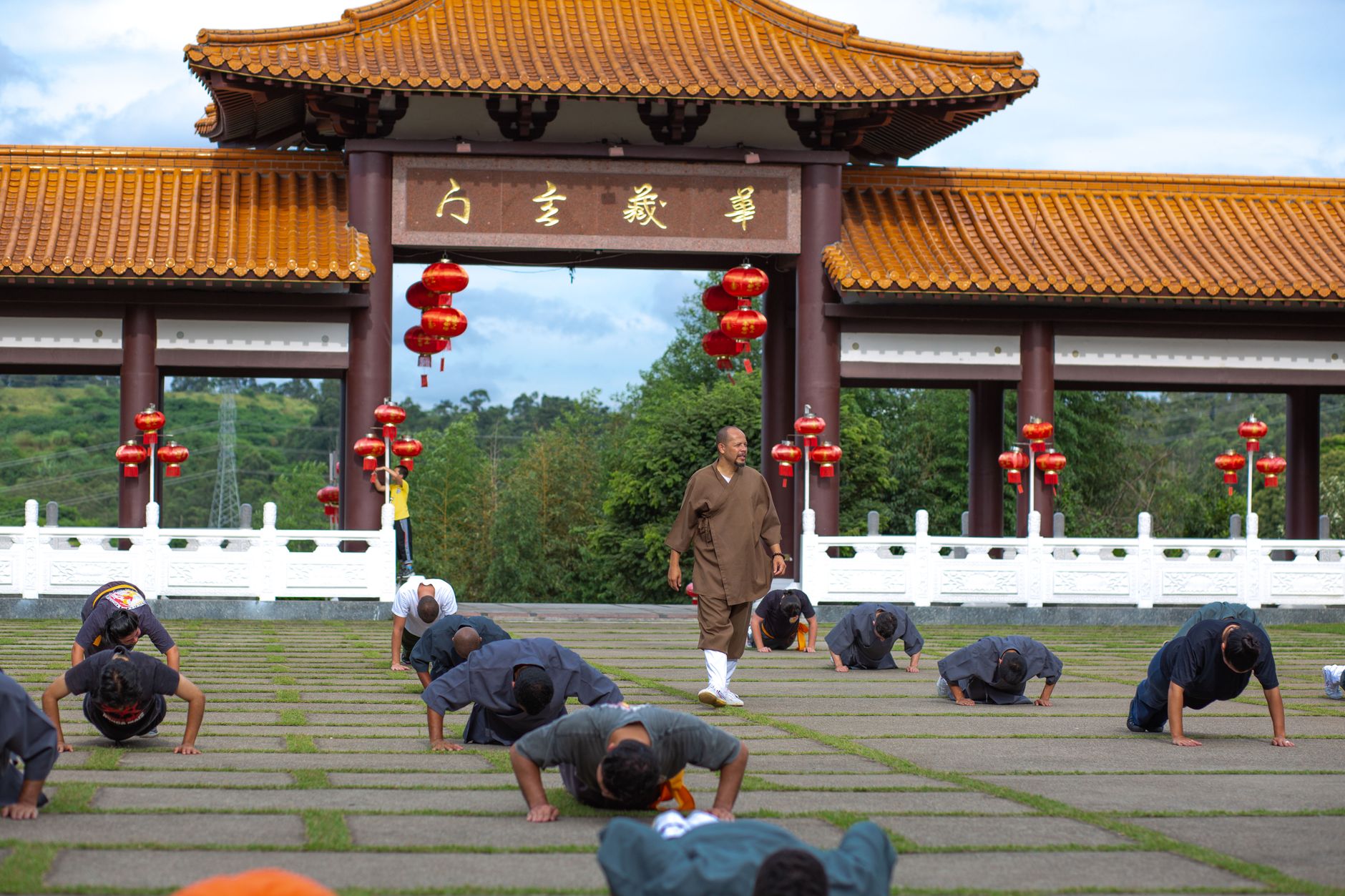
Qi gong, the Chinese practice of coordinated breathing, movement and focus, is taught in many countries, but its deepest traditions are often associated with particular regions, teachers and lineages. Some visitors arrive hoping to study with a master who has a long record of instruction, while others prefer short workshops or retreats. Programs and teachers differ widely in their qualifications, language support and standards, and the arrangements that make study possible can involve visas, housing and fees. This guide explains how to find teachers and programs responsibly, what to check before enrolling and how to plan a practice-focused stay.
Understanding what qi gong study involves
Qi gong encompasses many forms, from gentle daily routines for health to martial-oriented training and meditative practices. Instruction may include standing postures, slow moving sets, breathing exercises and partner work. Some teachers emphasize physical health, others focus on martial applications or philosophical background. Before enrolling, clarify which form you want to learn and what level of depth is realistic within your timeframe.
Expectations matter. Qi gong is typically learned gradually through repetition and correction, and a short workshop introduces principles more than mastery. Long-term study often requires consistent practice over months or years.
Vetting teachers and lineages
Look for teachers who describe their training clearly, including the people who taught them and the styles they represent. Lineage can be meaningful in traditional arts, but claims about lineage should be verifiable. Ask for references from former students, and look for evidence of teaching experience, such as recognized associations, published work or long-running classes. Be cautious of teachers who promise rapid results, medical cures or special powers, since these claims are not supported by evidence and can cause harm if they lead people to avoid necessary medical care.
Evaluate teaching style as well. A good teacher explains movements patiently, corrects posture safely and adapts instruction to different bodies and ages. Observe a class if possible, or ask for a trial session before committing to longer fees.
Choosing a program and format
Programs take several forms. Short workshops, often a few days to a week, can introduce basic forms and principles. Multi-week courses offer more structured progression, while residential retreats combine instruction with accommodation and a daily routine. Some teachers run apprenticeship-style training that may last a long time and involve significant commitments. Compare the schedule, class size, language of instruction and whether translation is provided, since misunderstandings can slow progress.
Check what is included in the fee. Some programs cover tuition only, while others also include accommodation, meals or materials. Ask about refund policies and cancellation terms, which vary considerably.
Visas, enrollment and practical logistics
Visa rules depend on your nationality, the length of your stay and the type of training you plan to undertake. In many countries, study that exceeds a short visit may require a specific student or training visa, and some short courses can be taken under a visitor status. Confirm requirements with the official immigration authority of the destination and the consulate in your country. Enrollment documents from a school or training organization may be needed, so ask the program what paperwork it can provide and how long processing usually takes.
Plan accommodation early, particularly if you intend to stay near a teacher's location. Consider transport, healthcare coverage and insurance that includes physical activity. Confirm whether the program has a clear policy for handling injuries or illness during training.
Language, culture and respectful participation
Language can be a significant barrier. Ask whether instruction is available in your language or whether interpreters are provided. Learning basic greetings and class terminology will help you connect with teachers and classmates. Respect the customs of the training environment, including punctuality, appropriate clothing, bowing or greeting rituals where they are used, and the etiquette around asking questions. Many qi gong traditions value discipline and humility, and showing consistent respect can enrich your learning.
Be aware of cultural differences in communication about physical limits. Tell instructors about injuries, pregnancy or medical conditions so they can offer appropriate modifications.
Setting realistic goals
Define what you want from the experience before you travel. If your aim is health and stress reduction, a regular local class may be sufficient, and a study trip can complement it. If you are interested in a specific lineage or advanced training, plan for a longer stay and ongoing practice after returning home. Keep a training journal to track progress, questions and corrections from teachers. Continuing to practice at home is what turns a workshop into lasting skill.
Practical tips
Verify teacher credentials through independent sources where possible and speak with past students. Confirm visa rules with official government channels early. Ask for a written outline of the program, including schedule, fees, cancellation policy and what is covered. Bring comfortable, loose clothing and flat shoes suitable for practice on various surfaces. Learn basic language phrases for greetings and thanks. Carry a copy of your medical information and insurance details.
Studying qi gong abroad can be a rich cultural and physical experience. Careful vetting, realistic expectations and respectful participation will help you find a teacher and program that genuinely support your practice.