The Hook: A Secret in the Roman Soil
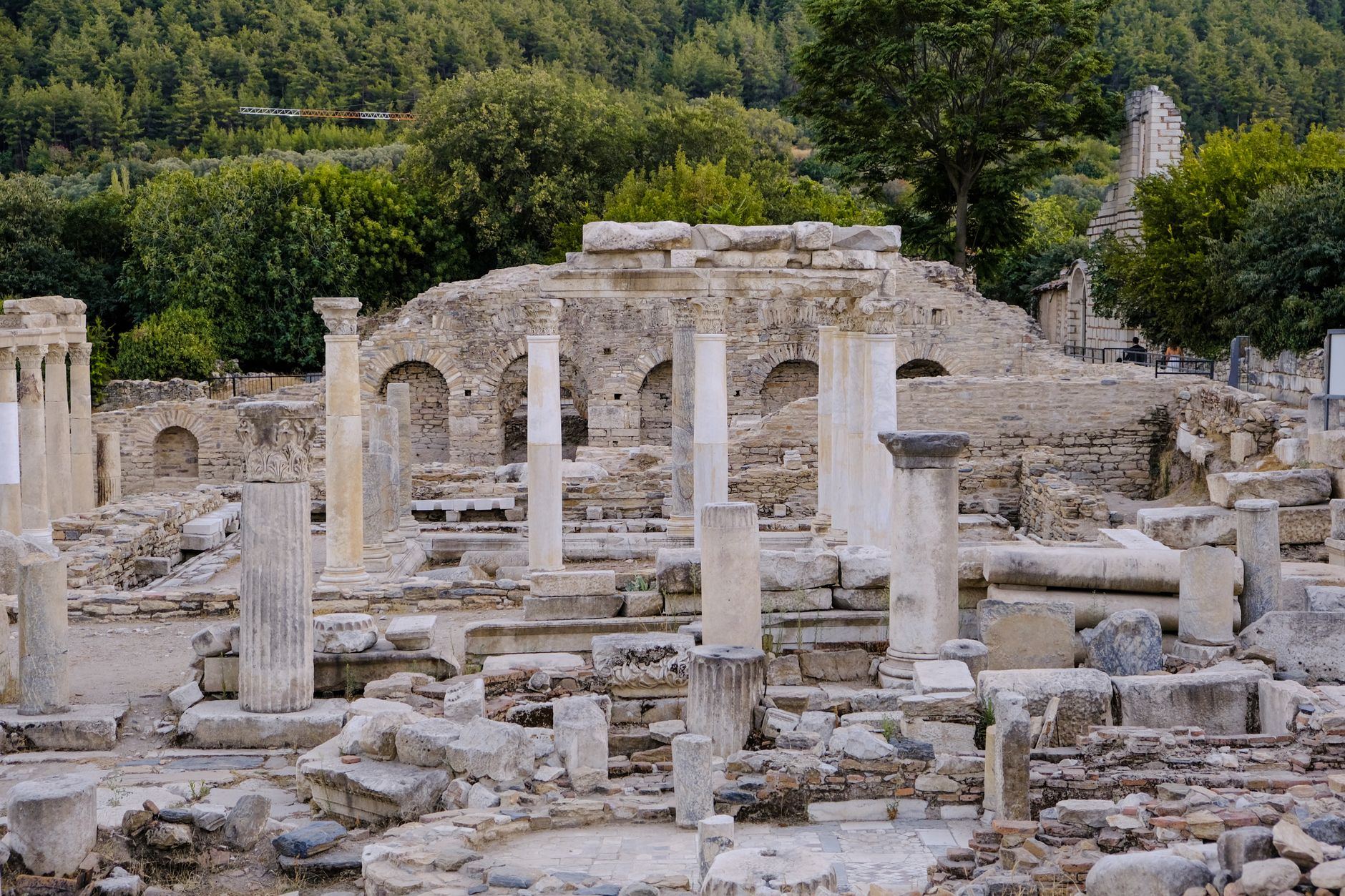
I stepped off the gravel path on the Palatine Hill, and the modern roar of Rome instantly vanished. It was replaced by the cool, damp breath of tufa stone and the faint, herbaceous scent of wild rosemary clinging to ancient brickwork. For five decades, this specific corner of the Palatine—the legendary Domus Tiberiana—was nothing more than a locked gate and a tantalizing rumor to classicists.
But today, my boots clicked against the newly laid glass walkways suspended over 2,000-year-old drainage systems. Looking up, the colossal barrel vaults of Rome's first true imperial palace soared overhead, free of the structural scaffolding that had choked them since the Nixon administration.
This is not just another museum reopening; it is a resurrection. Across the globe, a quiet revolution in archaeological restoration has reached its tipping point. Thanks to advances in laser cleaning, seismic reinforcement, and international funding, sites that were once deemed permanently lost or dangerously unstable are welcoming travelers once again.
If you are tired of the same over-touristed, postcard-weary destinations, these six newly restored masterpieces offer a rare commodity: the chance to experience history with the dust freshly brushed off.
---
1. Domus Tiberiana: Rome’s Imperial Crown Jewel Reborn
For 50 years, the Domus Tiberiana was the black hole of the Palatine Hill. Structural instability and crumbling masonry kept this massive 1st-century AD palace closed to the public. In late 2023, after a painstaking multi-decade restoration, the palace finally reopened, rewriting the visitor experience of the Roman Forum.
``` [ Farnese Gardens Entrance ] <-- SKIP THE MAIN FORUM LINES HERE | v [ The Clivus Victoriae ] <-- Walk the ancient paved street | v [ Domus Tiberiana Vaults ] <-- View the frescoed rooms & arches ```
The Architecture of Absolute Power
Built primarily by Tiberius and expanded by Caligula and Nero, the palace was designed to intimidate. As you walk through the cryptoporticus—the vaulted underground corridors—look up to see the remnants of stucco decorations that once gleamed in the torchlight. The restoration team has done a masterful job of balancing preservation with accessibility, installing subtle steel supports and LED lighting that mimics the natural raking light of the Roman sun.
The highlight is the walk along the Clivus Victoriae, the ancient street that cuts through the palace. Here, you are walking on the exact basalt paving stones where imperial litters once carried emperors.
- The Vibe: Subterranean coolness, monumental brickwork, and unparalleled views over the Forum.
- Architectural Detail to Look For: The opus sectile (marbled inlay) flooring in the imperial apartments, featuring rare yellow marble (giallo antico) imported from Numidia.
Pro-Tips for the Savvy Traveler
- The Hidden Entrance: Do not queue at the main Colosseum/Forum entrance. Instead, buy the Super ROTA ticket online and enter through the quieter Palatine Hill gate near Via di San Gregorio. Walk up through the Farnese Gardens to access the palace from above.
- The Best Photo Spot: Head to the northern terrace of the palace at exactly 4:30 PM. The golden hour light hits the arches of the Basilica of Maxentius directly opposite, offering a crowd-free panorama that most tourists miss.
---
2. The Palace of Aigai: Where Alexander the Great Became King
In northern Greece, near the quiet town of Vergina, lies a structure that was once three times the size of the Parthenon. The Palace of Aigai (the royal capital of Macedon) reopened in January 2024 after a monumental 16-year, €20 million restoration project. This is the exact site where Alexander the Great was proclaimed king in 336 BC following the assassination of his father, Philip II.
A Masterclass in Anastylosis
The restoration team utilized a process called anastylosis—piecing together thousands of scattered marble fragments, columns, and friezes using modern, reversible materials to fill the gaps. Walking into the massive peristyle (the central colonnaded courtyard), you are surrounded by columns that have been re-erected on their original foundations.
The scale of the palace is dizzying. The banquet halls once accommodated up to 8,000 guests. The floors are covered in intricate pebble mosaics that have been painstakingly cleaned of centuries of calcified dirt, revealing vibrant depictions of mythological scenes.
- The Vibe: Blinding white Macedonian marble against a backdrop of rolling green hills; quiet, academic, and deeply historic.
- Architectural Detail to Look For: The mosaic of the Rape of Europa in the southern wing, where the natural colored pebbles create a surprisingly fluid, 3D effect of water and movement.
Pro-Tips for the Savvy Traveler
- Timing is Everything: Visit Aigai in the morning, then head to the nearby Royal Tombs Museum in the afternoon. The tomb of Philip II is underground and air-conditioned, making it the perfect escape from the midday Greek heat.
- Getting There: Skip the public buses, which require multiple transfers from Thessaloniki. Rent a car and take the E90 highway west; the drive takes just under an hour and offers stunning views of Mount Olympus in the distance.
---
3. The House of the Vettii: Pompeii’s Sistine Chapel
After two decades behind padlocks and dust sheets, the House of the Vettii in Pompeii reopened to the public, instantly reclaiming its title as the most spectacular domestic dwelling of the Roman world. Owned by two wealthy freedmen (former slaves who made fortunes in the wine trade), this domus is a riot of color, mythology, and Roman excess.
The Cinnabar and the Satyrs
Previous 19th-century restoration efforts had coated the walls in industrial wax to protect the frescoes, which unfortunately yellowed and trapped moisture over time. Modern restorers used micro-lasers to strip away these toxic layers, revealing the original, brilliant "Pompeian Red" (cinnabar) and deep Egyptian blue pigments.
The central peristyle garden has been replanted using paleobotanical evidence, meaning the roses, ivy, and herbs growing there today are the exact species that the Vettii brothers cultivated before Vesuvius erupted in 79 AD. Even the bronze and marble fountains have been reconnected to ancient lead pipes, allowing water to flow once more.
- The Vibe: Intimate, opulent, and slightly scandalous (the famous fresco of Priapus weighing his anatomy against a sack of gold greets you at the vestibule).
- Architectural Detail to Look For: The Cupid Friezes in the triclinium (dining room), showing tiny winged figures engaged in various Roman industries, from gold-beating to flower-garland making.
Pro-Tips for the Savvy Traveler
- The Secret Entrance: Avoid entering Pompeii through the crowded Porta Marina. Use the Piazza Anfiteatro entrance instead. It is a longer walk to the House of the Vettii, but you will walk through the uncrowded eastern quarters of the city, which feel like a ghost town.
- The Quiet Hour: The house gets incredibly congested between 10:00 AM and 1:00 PM when cruise ship groups arrive. Go at 3:30 PM; the light softens, the tour groups have departed, and the garden fountains provide a peaceful, meditative soundtrack.
---
4. The Southern Tomb of King Djoser: Saqqara’s Subterranean Labyrinth
While tourists flock to the Giza Plateau, those in the know head 30 kilometers south to Saqqara. Here, the Southern Tomb of King Djoser, built between 2667 and 2648 BC, has reopened after 15 years of complex engineering work to stabilize its deep underground shafts.
``` [ Desert Surface ] | | (Descend 30-meter vertical shaft via modern wooden stairs) v [ Sarcophagus Chamber ] --> (Massive pink granite blocks) | | (Narrow corridors) v [ Blue Faience Galleries ] --> (Walls lined with turquoise tiles) ```
Descending into the Duat
Visiting the Southern Tomb is an active adventure. You descend a steep, modern wooden staircase down a 30-meter-deep vertical shaft cut directly into the limestone bedrock. At the bottom lies a massive sarcophagus chamber constructed from blocks of pink Assuan granite.
Beyond the chamber lies a series of narrow corridors lined with brilliant turquoise-blue faience tiles. These tiles were designed to mimic the reed mats that lined the walls of the king’s earthly palace, ensuring he felt at home in the afterlife (the Duat). The restoration stabilized the crumbling ceiling using carbon-fiber rods, making this ancient underworld safe for modern explorers.
- The Vibe: Cool, dry, slightly claustrophobic, and intensely spiritual.
- Architectural Detail to Look For: The three low-relief limestone panels depicting King Djoser running the Heb-Sed festival, a ritual race designed to prove the king’s physical fitness to rule.
Pro-Tips for the Savvy Traveler
- The Ticket Trap: The ticket for the Southern Tomb is not included in the general Saqqara entry pass. You must purchase a specific add-on ticket at the main ticketing office before you drive up to the Step Pyramid complex. There are no ticket booths at the tomb entrance itself.
- What to Pack: Bring a small, powerful pocket flashlight. While the corridors are lit, a directional beam is essential for appreciating the fine details of the low-relief carvings without casting harsh shadows.
---
5. Marie Antoinette’s Private Chambers: Hidden Versailles
While the Hall of Mirrors at Versailles is a masterclass in public theater, the newly restored Private Chambers of Marie Antoinette offer a glimpse into the queen's desperate need for escape. Reopened in mid-2023 after a multi-year, highly meticulous textile and woodwork restoration, these rooms are hidden behind a secret door in her grand state bedroom.
The Craftsmanship of Privacy
This suite of small, low-ceilinged rooms—including the Cabinet d'Angle (billiard room), the library, and the dining room—has been restored using the original inventory lists from 1789.
The highlight is the textile restoration. The walls are draped in Toiles de Jouy featuring pineapples (a symbol of wealth and exoticism in 18th-century France), woven on historical looms in Lyon using the exact thread count and dye formulas of the period. The woodwork, gilded with 24-karat gold leaf using traditional water-gilding techniques, gleams with a soft, warm luster that modern spray-gilding cannot replicate.
- The Vibe: Intimate, hyper-luxurious, feminine, and tinged with historical tragedy.
- Architectural Detail to Look For: The ingenious hidden doors disguised as bookcases in the library, which allowed the queen to slip away to her private apartments without her ladies-in-waiting noticing.
Pro-Tips for the Savvy Traveler
- How to Gain Access: These rooms are not open to general admission ticket holders. You must book the specific "Splendors of Versailles" guided tour via the official Château de Versailles website. These tours are limited to 15 people and sell out weeks in advance.
- The Best Time: Book the first tour of the morning (typically 9:30 AM). You will be guided through the secret passages while the rest of the palace is experiencing the peak morning rush.
---
6. Prasat Thom at Koh Ker: Cambodia’s Jungle Pyramid
Deep in the northern Cambodian jungle, 120 kilometers from Siem Reap, lies the ancient capital of Koh Ker. Its center-point, Prasat Thom, a unique 7-tiered sandstone pyramid that resembles a Mayan temple more than traditional Khmer architecture, has undergone a massive UNESCO-backed safety and structural restoration.
Reclaiming the Temple from the Banyan Trees
For decades, Koh Ker was inaccessible due to landmines and dense, choking jungle. Following extensive demining operations and structural stabilization of the crumbling sandstone blocks, visitors can now safely ascend to the summit of this 36-meter-tall monument.
The restoration team constructed a secure, low-profile wooden staircase that snakes up the side of the pyramid, replacing the treacherous, decayed original stone steps. From the top, the view is spectacular: an unbroken canopy of emerald green jungle stretching all the way to the Dangrek Mountains on the Thai border.
- The Vibe: Indiana Jones-style exploration, humid jungle heat, and the call of gibbons in the distance.
- Architectural Detail to Look For: The massive, mortarless jointing of the sandstone blocks. Each tier is perfectly level, showing a level of engineering sophistication that rivaled the builders of Angkor Wat.
Pro-Tips for the Savvy Traveler
- The Early Departure: Leave Siem Reap at 5:30 AM. The drive takes about two hours. You will arrive at Koh Ker just as the morning mist is rising off the sandstone tiers. You will likely have the entire pyramid completely to yourself before the day-trippers arrive at 10:30 AM.
- Hire a Local Driver: Do not attempt to ride a scooter here; the roads, while paved now, are frequented by heavy logging trucks. Hire a private SUV and driver from Siem Reap for around $80 USD for the day.
---
The Budget & Logistics: Quick Reference Guide
Planning your route to these newly reopened wonders? Here is a breakdown of the essential logistics to help you budget and plan your itinerary.
| Site & Location | Est. Cost (USD) | Best Time to Visit | How to Get There | | :--- | :--- | :--- | :--- | | Domus Tiberiana <br>(Rome, Italy) | ~$24 USD <br>(Includes Forum/Palatine) | Oct - Apr <br>(Avoid summer heat) | Metro Line B to "Colosseo" station; walk 5 mins to Palatine entrance. | | Palace of Aigai <br>(Vergina, Greece) | ~$16 USD <br>(Combined museum ticket) | May or September | Fly to Thessaloniki; rent a car and drive west on the E90 highway (1 hour). | | House of the Vettii <br>(Pompeii, Italy) | ~$20 USD <br>(Standard Pompeii ticket) | Nov - Feb <br>(For zero crowds) | Circumvesuviana train from Naples to "Pompei Scavi - Villa dei Misteri". | | Southern Tomb <br>(Saqqara, Egypt) | ~$10 USD <br>(Separate add-on ticket) | Dec - Feb | Hire a private taxi/driver from Cairo for the day (~$40-$50 USD). | | Marie Antoinette's Rooms <br>(Versailles, France) | ~$11 USD <br>(In addition to Palace entry) | Year-round <br>(Tue - Thu are quietest) | RER C train from Paris to "Versailles Château Rive Gauche" station. | | Prasat Thom <br>(Koh Ker, Cambodia) | ~$15 USD <br>(Koh Ker entry fee) | Nov - Feb <br>(Dry, cooler season) | Private SUV taxi from Siem Reap; negotiate a round-trip day rate. |
---
The Last Word: Why We Must Go Now
There is a brief, magical window of time that occurs immediately after a major historical site reopens. The air in the chambers is fresh; the stone is free of the accumulated oils of millions of touching hands; the local guides are enthusiastic rather than exhausted; and the surrounding infrastructure has not yet been commercialized.
Right now, you have the chance to be among the first modern travelers to experience these spaces as their creators intended. Don't wait for the crowds to find them. Pack your boots, book your tickets, and step into the newly uncovered past.
---