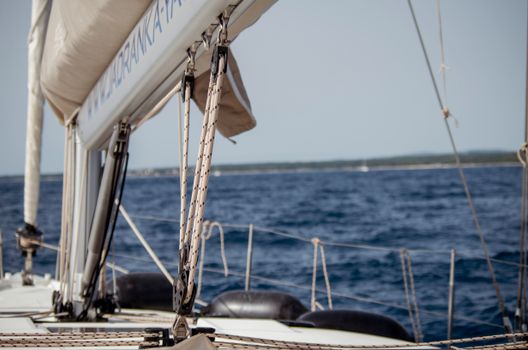
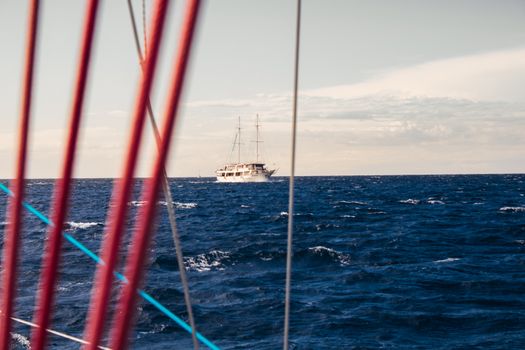
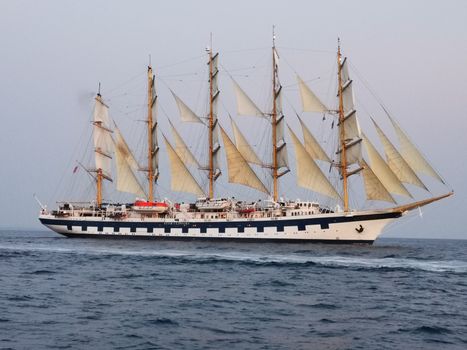
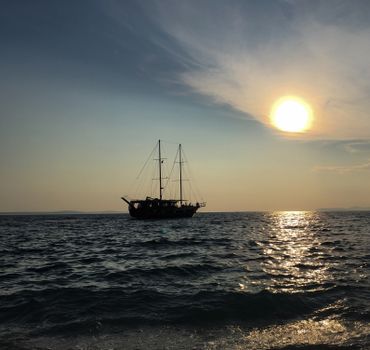
Sailing adventures appeal to travelers who want to move slowly through coastal waters, spend time at sea and feel closer to wind and weather than a large cruise ship allows. They are often smaller in scale, with fewer passengers and a more personal atmosphere. They are also a different product. Sailing trips depend on weather, may involve physical tasks and offer less onboard entertainment and fewer amenities. This guide compares sailing adventures with cruises and explains what to check before booking a charter, whether you plan to sail as a guest, crew member or novice.
Pace and itinerary
Cruise ships typically follow fixed itineraries with set port times, designed to fit many passengers into a schedule. Sailing trips are usually more flexible, with routes that depend on wind, sea state and the skipper's judgement. Days may include longer stretches at sea, anchoring in quiet bays and short stops in harbours. Some travelers enjoy this unhurried rhythm, while others find that weather can change plans. Ask how itineraries are decided and what happens if conditions are unsuitable.
Size, comfort and onboard life
A sailing yacht typically carries far fewer people than a cruise ship, which means smaller shared spaces and more personal interaction. Cabins can be compact, bathrooms may be shared, and facilities such as pools, theatres or spas are generally absent. Comfort depends heavily on the vessel and the sea state. Seasickness can affect some people, so consider preventive measures and speak to a doctor if you are concerned. Sailing suits people who enjoy simplicity and social time on deck.
Skills and certifications
Sailing trips vary from fully crewed charters, where professional crew handle the boat, to bareboat or skippered options where guests take part in sailing tasks. Crewed charters need little experience, though guests may still be asked to help with lines or lookout duties. Bareboat charters require a qualified skipper or sailing certification, and operators may ask for proof of experience. Check the requirements before booking, and be honest about your skills and comfort on the water. A good operator will explain the level of involvement expected.
Cost and value
Sailing charters can range from modest to very expensive, depending on the vessel, crew, season, route and inclusions. Costs may include fuel, provisioning, harbour fees, insurance and crew gratuities, which are sometimes expected but not always included. Compare the total cost per person and what is included, rather than only the day rate. Cruise prices can seem lower at first sight, but extras such as drinks, excursions and gratuities can add up quickly on both options.
Environmental considerations
Sailing can have a smaller footprint than some large vessels, although it is not without impact. Engines are often used in calm conditions or in harbours, and anchoring can damage seabeds if not done carefully. Look for operators that follow responsible anchoring practices, manage waste properly and respect protected areas. Ask about waste handling, fuel use and whether the crew has training in marine conservation. Environmental standards vary, so choose operators who can explain their practices clearly.
Questions to ask before booking
Ask what type of charter is offered and what role guests will play. Find out the crew qualifications, the vessel's safety equipment and emergency procedures. Check insurance, cancellation terms and how weather-related changes are handled. Ask about cabin layout, bathroom arrangements, seasickness advice and dietary needs. Confirm the departure and return points, and whether transfers are included.
Practical tips
Choose the type of charter that matches your skills. Check crew qualifications and safety equipment. Ask how weather changes are handled. Compare total costs, including extras. Consider seasickness remedies before you travel. Pack light, soft-soled shoes and waterproof layers.
Common mistakes to avoid
Expecting a sailing trip to follow the same schedule as a cruise is a frequent misunderstanding. Weather and sea conditions can change plans, so flexibility matters. Another mistake is focusing only on the charter price and missing extra costs such as fuel, mooring or drinks. Some guests bring large suitcases that are difficult to store in a small cabin. People also sometimes assume that a crewed charter needs no effort at all, when some tasks and onboard rules still apply. Overlooking local conditions, such as strong winds or busy ferry routes, can make a planned route less enjoyable than expected. Finally, travelers sometimes book a boat without asking about its safety equipment or the crew's experience in the waters they will sail.
Who this suits and who it doesn't
Sailing adventures suit travelers who enjoy the sea, value quiet and a slower rhythm, and are comfortable with simple living. They can suit couples, friends and small groups who like sharing tasks and meals, and people curious about navigation. They are less suitable for those who want polished entertainment, large pools or many restaurant choices, for people prone to seasickness who have not prepared, and for travelers with significant mobility limits who may struggle with steps, ladders and moving decks. Families may enjoy a trip if children are supervised closely on deck. Those who need guaranteed schedules for work or onward connections may find the flexible nature of sailing stressful.
Frequently asked questions
Do I need sailing experience? Not for every option. Crewed charters need little, while bareboat trips usually require qualifications or proven experience.
Are sailing trips suitable for children? Many are, but deck work, moving boats and limited space call for close supervision. Check the boat's rules for young guests.
What if the weather changes the plan? Ask how decisions are made and what alternatives exist. A clear explanation from the skipper is a sign of a well-run trip.
Sailing adventures offer a slower and more personal alternative to cruising, with real rewards for travelers who enjoy the sea. They also demand flexibility, honesty about skills and attention to weather and environmental standards. Choosing an operator that explains its practices clearly is the best way to make a sailing trip both enjoyable and responsible.