I Stepped Off the Pier, and Everything Changed
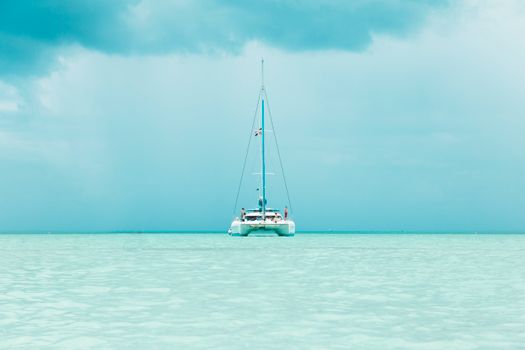
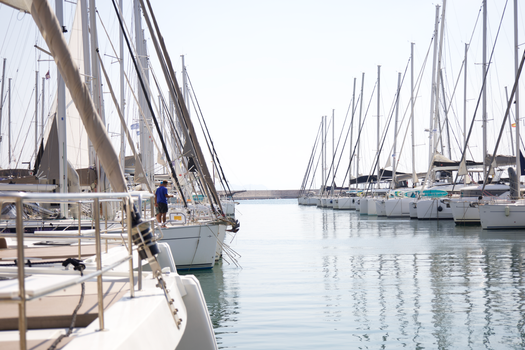
I stepped off the wooden pier at Paroikia as the sun dipped behind the Aegean, releasing the day's heat into a breeze heavy with wild oregano, sea salt, and diesel-free ocean air. Behind me lay the chaotic ferry terminal; ahead sat a sleek 50-foot Fontaine Pajot catamaran swaying gently in the turquoise waters.
For years, high-end travel advisors have quietly kept a secret from the mass-market cruise industry: if you want to actually experience the ocean—rather than just look at it through a tinted balcony door eleven decks up—you need to trim the sails and drop anchor where the big ships can't go.
While 6,000-guest ocean liners double down on bumper car arenas and casino floors, a quiet revolution is happening at sea. Elite travel advisors are actively pivoting their clients toward small-vessel sailing adventures. The draw isn't just luxury; it is raw, unfiltered access, environmental sustainability, and authentic immersion.
``` +-----------------------------------------------------------------------+ | THE SEA VOYAGE REVOLUTION | +-----------------------------------------------------------------------+ | MEGA-CRUISE LINE INTIMATE SAILING CHARTER | | - 4,000 to 7,000 Passengers - 6 to 16 Guests | | - Deep-water Industrial Ports - Secret Coves & Shallow Lagoons | | - Fixed, Rigid Schedules - Tailored, Wind-Dependent Routes | | - Buffet Lines & Standard Menus - Onboard Chef & Dockside Catch | | - High Carbon Footprint - Low-Impact Wind Propulsion | +-----------------------------------------------------------------------+ ```
---
Why Travel Advisors Are Ditching Mega-Cruises for Sails
The modern mega-cruise experience has become increasingly disconnected from the destinations it purports to visit. When three 18-deck vessels berth simultaneously in Santorini or Dubrovnik, tens of thousands of passengers flood narrow cobblestone alleys, transforming ancient heritage sites into gridlocked bottleneck points.
Travel advisors who specialize in high-value, experiential journeys point to four core reasons for recommending sailing charters:
- Access to Shallow-Draft Harbors: Mega-ships require massive deep-water piers or distant offshore anchorages. A catamaran or small sailing vessel draws less than six feet of water, allowing you to tie up directly to ancient stone quays or drop anchor in secluded micro-bays.
- True Environmental Stewardship: Operating primarily under canvas reduces fuel consumption exponentially. While a large cruise ship burns hundreds of tons of heavy fuel oil daily, a sailing vessel relies on the wind, leaving a minimal wake and a tiny carbon footprint.
- Hyper-Local Gastronomy: Onboard small-ship charters, meals are curated around what local fishermen pull from the sea that morning and produce sourced directly from island markets.
- Fluid, Wind-Driven Itineraries: If a bay gets crowded or a sudden swell rolls in, the skipper simply pulls up anchor and heads to the next uninhabited islet. You control the pace of your journey.
---
Top 5 Sailing Adventures Travel Advisors Recommend Over Cruises
1. The Croatian Dalmatian Coast via Traditional Wooden Gulet
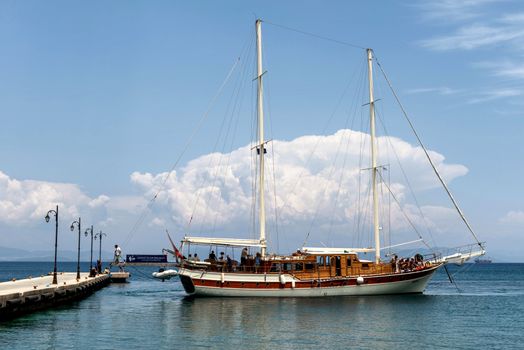
Croatia’s coastline features 1,244 islands, but mega-cruises stick almost exclusively to Split and Dubrovnik. Travel advisors routinely recommend chartering a wooden gulet—a motor sailer originating from the Mediterranean, featuring wide teak decks, spacious cabins, and an expansive aft dining table.
Sailing out of Trogir, a gulet allows you to weave through the Pakleni Islands, drop anchor in the hidden green lagoons of Vis, and moor directly at tiny family-owned konobas (tavernas) on the island of Šolta.
- The Highlight: Eating peka—octopus or veal slow-cooked for hours under a heavy iron bell buried in hot coals—at a remote bay accessible only by boat.
- Pro-Tip: Ask your skipper to navigate the Vrnik Sound near Korčula at dawn. The water is glassy, transparent down to 40 feet, and completely empty before the day-tour motorboats launch at 10 AM.
``` ___ / \ CROATIAN GULET ROUTE / | \ ===================== / | \ [Trogir] --> [Šolta] --> [Pakleni Is.] / | \ | /_____|_____\ v | _____ | [Vis] --> [Korčula] | | | | Draft: Shallow (<2.5m) |__|_____|__| Capacity: 8-12 Guests ~~~~~~~~~~~~~~~~~~~~~~~ ```
2. Indonesian Phinisi Expeditions: Raja Ampat & Komodo
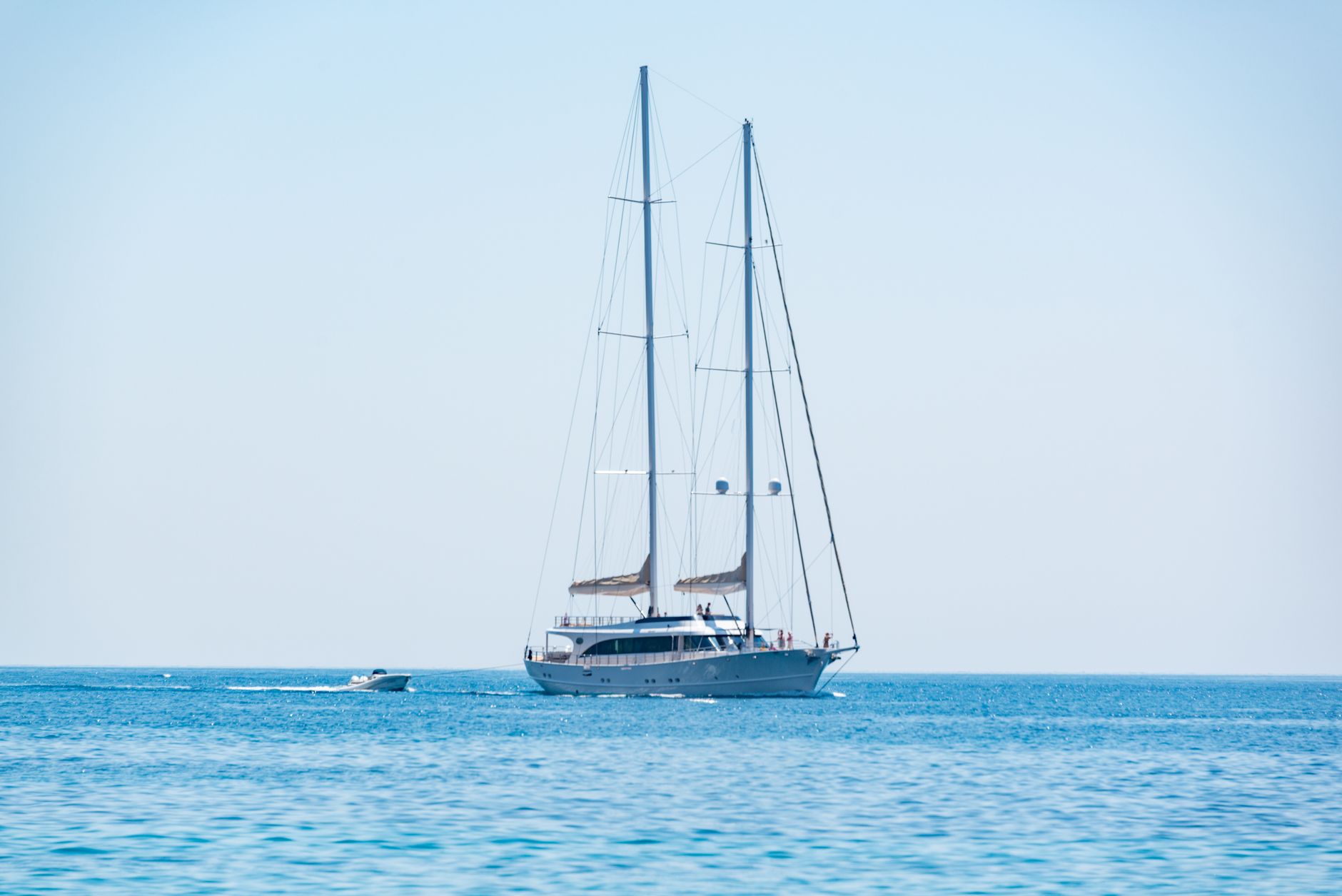
For clients seeking raw expeditionary adventure without sacrificing refined comfort, advisors point straight to Indonesia’s handcrafted Phinisi schooners. Built by Bugis shipwrights out of ironwood and teak using centuries-old techniques, these magnificent two-masted vessels look straight out of an epic maritime legend.
Navigating the limestone karst islands of Raja Ampat or the volcanic dragon-inhabited hills of Komodo National Park, a Phinisi serves as a mobile luxury base camp.
- The Highlight: Snorkeling through dense schools of manta rays in the Dampier Strait and kayaking through the silent, emerald-green maze of Wayag's marine lagoons.
- Pro-Tip: Book during the shoulder transit seasons (October–November for Raja Ampat) when sea conditions are calm and currents allow for smoother navigation through narrow coral passes.
3. Greek Cyclades: Small Catamaran Cabin Charters
While big cruise ships deposit thousands of day-trippers into Mykonos and Santorini for five chaotic hours, a 45-to-50-foot catamaran lets you explore the untouched Cyclades: Kythnos, Serifos, Schinoussa, and Koufonisia.
Catamarans are exceptionally stable, offer vast trampoline net areas on the bow for sunbathing, and feature dual hulls that can slide right up to white-sand beaches.
- The Highlight: Swimming into the alabaster sea caves of Kleftiko on Milos Island early in the morning, hours before commercial excursion boats arrive.
- Pro-Tip: Avoid the peak Meltemi winds of July and August if you are prone to seasickness. May, June, and September offer gentle 10-to-15 knot breezes, warm water, and quiet harbor towns.
4. Arctic Expedition Sailing in Svalbard
Cruising isn't just about tropical beaches. For high-latitude adventure, heavy polar expedition ships carry hundreds of passengers who must wait in line for Zodiac boat landings. The travel advisor alternative? A heavy-duty, steel-hulled sailing yacht equipped for Arctic pack-ice navigation.
Carrying just 8 to 12 guests, these ice-strengthened sailboats silently thread through icy fjords off the coast of Spitsbergen, gliding past blue-tinted tidewater glaciers without the deafening roar of massive marine diesel engines.
- The Highlight: Watching walrus colonies lounge on black gravel beaches and spotting polar bears traversing sea ice, all while hearing the soft crackle of ancient glacial ice brushing against the hull.
- Pro-Tip: Ensure your charter vessel carries an experienced polar expedition leader equipped with wildlife safety gear, allowing for spontaneous shore treks along uncharted tundra trails.
5. The Whitsundays Skippered Yacht Charter (Australia)
Australia’s Great Barrier Reef region is home to 74 tropical islands known as the Whitsundays. Rather than taking a massive cruise ship past the outer reef, advisors suggest taking the helm of a luxury sailing yacht—either bareboat (self-skippered if qualified) or fully crewed.
- The Highlight: Anchoring overnight in Tongue Bay and walking up to Hill Inlet at sunrise to watch the shifting white silica sands and turquoise tides swirl together below you.
- Pro-Tip: Anchor on the lee side of Hook Island near Butterfly Bay for world-class, wind-protected snorkeling straight off the yacht's aft swimming platform.
---
Yachting Decoded: Understanding Charter Types
If you are transitioning from standard cruise ships to sailing adventures, understanding the terminology and operational models is essential:
``` +-----------------------------------------------------------------------------------+ | CHARTER CATEGORIES EXPLAINED | +-----------------------------------------------------------------------------------+ | CATEGORY | DESCRIPTION | BEST FOR | +-------------------+------------------------------------+--------------------------| | Cabin Charter | Book an individual cabin on a | Couples, solo travelers, | | | shared sailing vessel with skipper.| budget-conscious luxury. | +-------------------+------------------------------------+--------------------------| | Crewed Charter | Hire the entire yacht, complete | Families, groups of | | | with a captain and personal chef. | friends, top privacy. | +-------------------+------------------------------------+--------------------------| | Bareboat Charter | Rent the vessel without crew. You | Experienced sailors with | | | skipper and navigate yourself. | certified skipper licenses.| +-------------------+------------------------------------+--------------------------| | Flotilla Sailing | Sail your own boat as part of a | Novice captains who want | | | guided group led by a lead yacht. | a safety net in company. | +-----------------------------------------------------------------------------------+ ```
---
Budget & Logistics: Sailing Charters vs. Premium Cruises
A common misconception is that chartering a private or semi-private sailboat is financially out of reach compared to a high-end ocean cruise. When factoring in the hidden costs of mega-cruises—excursions, specialty dining, Wi-Fi packages, and port fees—a sailing charter often delivers superior value.
Estimated Costs Breakdown (Per Person, Per Week)
- Boutique Cabin Charter (Croatia/Greece): $1,800 – $3,200 (Includes berth, skipper, breakfast/lunch, coastal taxes)
- Full Private Crewed Catamaran (6 Guests): $2,500 – $4,500 (Includes private captain, chef, all meals, open bar, water sports gear)
- Luxury Indonesian Phinisi Charter: $4,000 – $8,000 (High-end expeditionary luxury, full dive-master crew, remote permits)
- Comparative Premium Ocean Cruise (Balcony Cabin): $2,200 – $4,000 (Plus mandatory shore excursions, drinks packages, and tipping)
---
Quick Facts & Logistics Matrix
| Destination | Best Time to Visit | Primary Airport Hub | Ideal Vessel Type | Typical Sea Conditions | | :--- | :--- | :--- | :--- | :--- | | Croatia (Dalmatia) | May – October | Split (SPU) / Dubrovnik (DBV) | Wooden Gulet / Monohull | Calm to moderate; short island hops | | Greek Cyclades | May – June & Sept – Oct | Athens (ATH) / Mykonos (JMK) | 45-50ft Sailing Catamaran | Energetic afternoon breezes (Meltemi) | | Indonesia (Raja Ampat)| October – April | Sorong (SOQ) | Handcrafted Phinisi Schooner| Deep, calm equatorial swells | | Svalbard (Arctic) | June – August | Longyearbyen (LYR) | Steel Ice-Classed Sailboat | Variable cold waters, low swell in fjords | | Whitsundays (Australia)| April – November | Hamilton Island (HTI) | Bareboat/Skippered Catamaran| Gentle trade winds, protected waters |
---
How to Prepare for Your First Sailing Adventure
Transitioning from a land-bound lifestyle or a floating resort to a wind-powered vessel requires a simple mindset shift. Here is how to prepare like a seasoned sailor:
1. Soft Luggage Is Non-Negotiable
Hard-shell suitcases are the bane of yacht life. Storage cabins feature cleverly contoured storage compartments, but they cannot accommodate rigid suitcases. Pack in soft, collapsible duffel bags that can be folded flat and stowed under berths.
2. Mind the Water Conservation
While modern luxury catamarans and gulets carry water makers, freshwater is a precious onboard resource. Practice mindful marine showers: rinse, turn off the water to lather, and rinse clean.
3. Embrace the Deck Shoe Life
Street shoes stay off the deck to protect teak surfaces and gel coats. Bring non-marking, rubber-soled deck shoes or plan to go barefoot while onboard.
4. Pack Eco-Friendly Sunscreen
Because sailing vessels anchor in pristine shallow reefs and fragile marine ecosystems, traditional oxybenzone-based sunscreens are strictly taboo. Pack non-nano zinc oxide, reef-safe mineral sunscreen to protect both your skin and the coral ecosystems you swim in.
---
The Verdict: Reclaiming the Romance of the Sea
The ocean was never meant to be experienced from behind a 12th-story glass barrier alongside thousands of clamoring tourists. It was meant to be felt: the rhythmic pull of the jib sheet, the sudden flash of bioluminescent plankton glowing along the hull at midnight, and the satisfaction of waking up in a silent cove where the only footsteps in the sand are your own.
By choosing a wind-powered sailing charter recommended by expert travel advisors, you aren't just taking a vacation—you are reclaiming the lost, timeless art of true travel.
---