The Moment Gravity Disappears
I rolled onto the sun-bleached teak deck of the Morning Star in Key Largo, the humid Florida breeze carrying the scent of salt spray and expensive sunscreen. My chair felt heavy—it always does right before a dive. But then, the transition happened. With a coordinated "one, two, three" from my two adaptive buddies, I rolled backward into the Atlantic.
The world changed instantly.
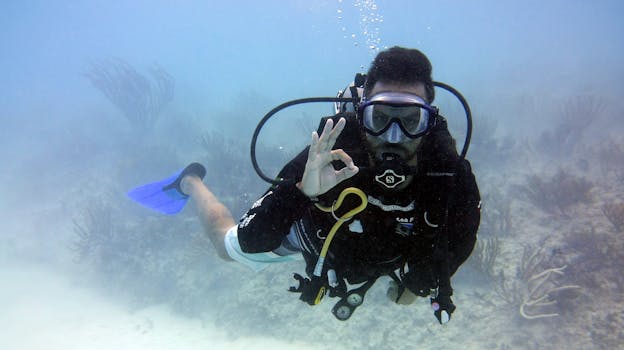
The clatter of the boat engine faded into the rhythmic, rhythmic hiss-whoosh of my regulator. The crushing pull of gravity vanished, replaced by the gentle, supportive embrace of 78-degree water. I wasn't a "person in a wheelchair" anymore. I was a diver, neutral and free, watching a midnight-blue parrotfish crunch on coral three feet from my mask.
This isn't just a hobby; it’s a movement. Adaptive diving is the fastest-growing sector in niche travel this spring, and for good reason. The technology has finally caught up with the ambition. Whether you have a spinal cord injury, visual impairment, or neurodivergence, the ocean is the ultimate equalizer.
1. The Gold Standard: Diveheart and the "Deep Therapy" Trend
If you’re looking for the heavy hitters of adaptive diving, Diveheart is the name on everyone’s lips this season. Based in the US but operating globally, they don’t just teach you how to breathe underwater; they pioneer "Deep Sea Therapy."
This spring, Diveheart is trending for their specialized "Scuba Therapy" research. They’ve found that the pressure at depth (Boyle’s Law in action, for the nerds out there) can actually help mitigate chronic pain and PTSD symptoms.
- What’s New: They are currently testing 3D-printed, custom-molded fins for divers with unique lower-limb configurations.
- The Vibe: High-energy, supportive, and deeply scientific.
2. Bonaire: The "Divers' Paradise" is Now Truly for Everyone
Bonaire has long been the mecca for shore diving, but until recently, the rocky entries were a nightmare for those with mobility challenges. That has changed. Buddy Dive Resort and Emonane have turned this Caribbean island into a bastion of accessibility.
The "Bonaire Method" trending this spring involves specialized ramps and "beach wheelchairs" with massive balloon tires that take you right to the water’s edge.
Pro-Tip: Skip the crowded afternoon boats. Head to the "Yellow Submarine" pier at 7:30 AM. The water is glass-flat, and the resident tarpon are still sleepy enough to let you get within inches for a GoPro shot.
3. HSA (Handicapped Scuba Association) Training Centers
You can’t talk about this movement without mentioning the HSA. Their certification is the gold standard. What’s trending this spring is their "Buddy Training" program. It’s no longer just about the person with the disability; it’s about training able-bodied divers to be world-class "Adaptive Support Divers."
- The Curriculum: You’ll learn the "Level 1, 2, and 3" system. A Level 1 diver can dive with any other certified diver, while Level 3 requires two specially trained buddies.
- Why it’s trending: It’s creating a community. We’re seeing "Inclusive Dive Trips" where entire families get certified together, regardless of their physical abilities.
4. The Red Sea: Hurghada’s High-Tech Evolution
Egypt’s Red Sea is famous for its vertical walls and vibrant soft corals, but for a long time, the boats weren't accessible. This spring, several operators in Hurghada have debuted custom-built liveaboards featuring hydraulic lifts.
Imagine being able to move from your cabin to the dive deck via an elevator, and then being lowered into the water on a platform. No "manhandling," just pure, dignified access.
Insider Language: Don't just ask for a "dive boat." Ask for a "Lift-Equipped Safari Vessel." It’s the difference between a clumsy entry and a seamless transition into the blue.
5. PADI’s Adaptive Support Diver Course
PADI (the world's largest scuba organization) has thrown its massive weight behind accessibility. Their Adaptive Support Diver course is the "it" certification this spring. It focuses on "Adaptive Techniques" rather than "Standard Procedures."
For example, if you can’t clear your mask using the standard hand method, they’ll teach you the "head-tilt-and-blow" technique. It’s about the outcome, not the method. This shift from rigid instruction to flexible problem-solving is why more people are getting certified this year than ever before.
6. The Gear: What’s Trending in the "Tech" Space
The gear is where the magic happens. This spring, we are seeing three major tech trends:
- Webbed Gloves: For divers with limited or no leg use, these provide the "thump" needed to move through the water with arm power alone.
- Full-Face Masks (FFM): Brands like Ocean Reef are trending for divers who have difficulty holding a traditional regulator in their mouth. They allow for natural nose-breathing and even underwater communication.
- Diver Propulsion Vehicles (DPVs): Think of these as underwater scooters. They are the ultimate "equalizer," allowing a diver with paraplegia to keep pace with a professional athlete.
7. How to Choose the Right Program
Not all "accessible" centers are created equal. To find the real deal, look for these three markers:
- Staff-to-Diver Ratio: For adaptive diving, you want a 2:1 or even 3:1 ratio for your first few dives.
- Specialized Compressors: Ensure they have "Nitrox" available. The higher oxygen content can help reduce fatigue, which is crucial for divers with certain medical conditions.
- The "Hidden" Accessibility: Is there a roll-in shower? Is the rinse tank low enough to reach from a seated position?
Pro-Tip: The "hidden entrance" to the best-adapted reef in Cozumel isn't at the main pier. It's the small, private dock behind the Blue Angel Resort. It has a lower platform that is much easier for seated transfers.
---
Quick Facts & Logistics
| Feature | Details | | :--- | :--- | | Best Time to Visit | April to June (Calm seas, warm water, pre-hurricane) | | Estimated Cost | $500 - $1,200 for full certification | | Top Destination | Bonaire (for shore access) / Florida Keys (for training) | | Gear Needed | Most centers provide adaptive gear; bring your own mask/snorkel. | | How to Get There | Fly into Flamingo International (Bonaire) or Miami (for the Keys). | | Medical Requirement | A signed physician's waiver is non-negotiable. |
---
The Verdict: Why You Should Go Now
The "Spring Weightless Revolution" is about reclaiming agency. When you’re 40 feet down, looking at a hawksbill turtle, the chair on the boat doesn't exist. The pain in your back is muted by the pressure. The world is quiet, blue, and infinitely welcoming.
If you’ve been waiting for a sign to take the plunge, this is it. The programs are better, the gear is smarter, and the community is waiting for you with open arms (and webbed gloves).