The Moment the Ocean Breathed Back
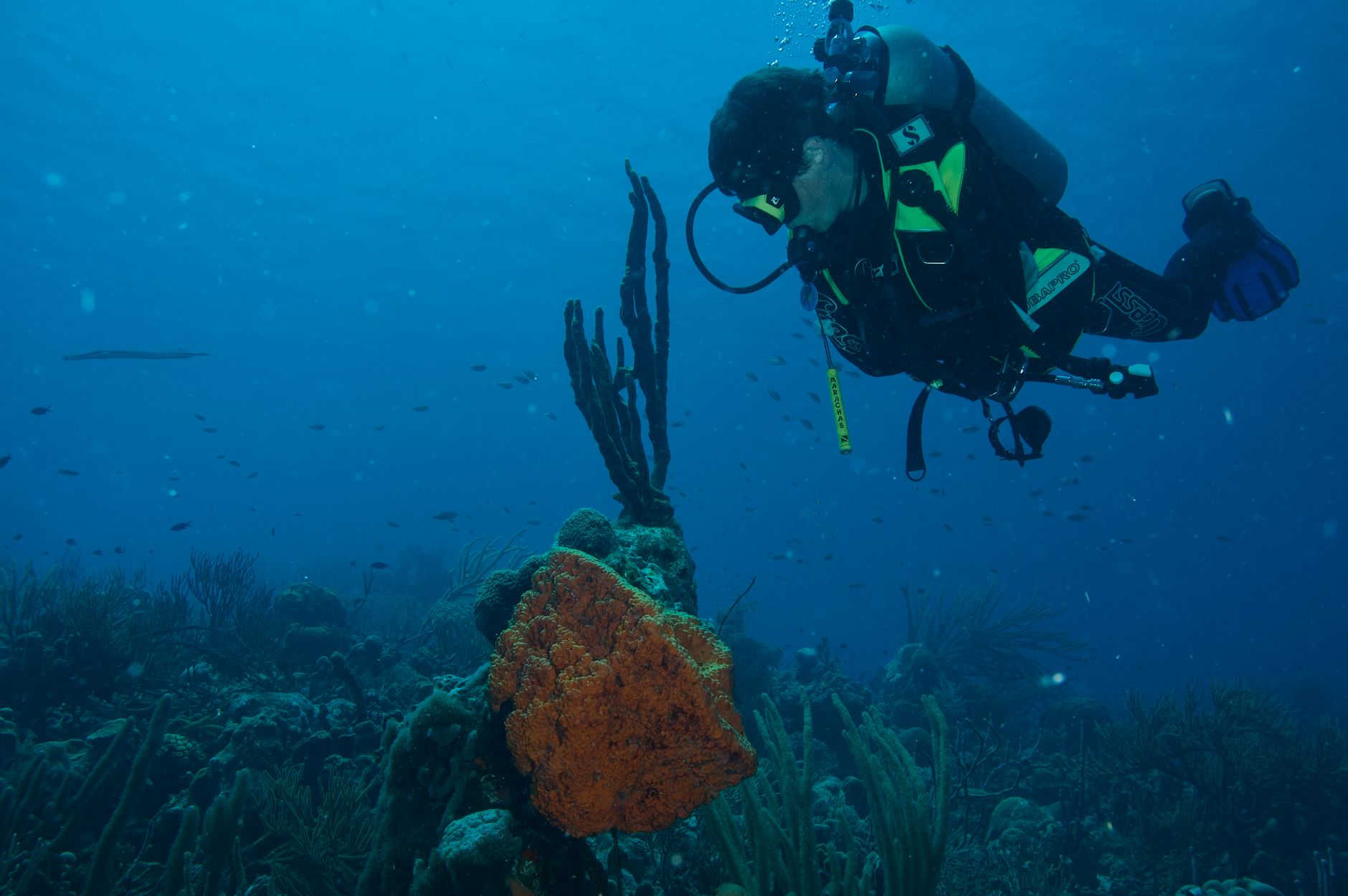
I remember the exact second the "vacation" ended and the "mission" began. I was hovering six meters deep in the sapphire waters off Key Largo, my buoyancy dialed in so tightly I felt weightless. In my right hand, I held a small, Y-shaped fragment of Acropora cervicornis—Staghorn coral. It felt like a fragile piece of wet limestone, but it was pulsing with life.
Using a specialized non-toxic epoxy, I pressed the fragment onto a limestone boulder. I held it for thirty seconds, watching a tiny neon-blue damselfish dart in to inspect my work. When I let go, the coral stayed. I wasn’t just a tourist anymore; I was an architect of the sea. The smell of salt-crusted neoprene and the rhythmic, metallic hiss-pop of my regulator became the soundtrack to the most fulfilling trip of my life.
This spring, the trend isn't just "eco-friendly" travel—it's active restoration. If you’re ready to trade your margarita for a measuring tape and a dive slate, here are the absolute best coral restoration programs you can participate in right now.
---
1. The Florida Keys: The "Silicon Valley" of Coral Restoration
The Florida Keys are currently the epicenter of marine science. With the Coral Restoration Foundation (CRF), the world’s largest non-profit marine conservation organization, you aren't just a donor; you’re a deckhand.
The Experience
Spring is the "Goldilocks" season here—the Atlantic is warming up, but the humidity hasn't yet reached the "melt-your-face-off" levels of August. You’ll start your day at the CRF exploration center in Key Largo, learning about micro-fragmentation—a process where coral is cut into tiny pieces to stimulate 40x faster growth.
Then, you head out to the "Coral Trees." These are underwater PVC structures that look like something out of a sci-fi film, draped with hanging coral fragments. You’ll spend your dives cleaning algae off the lines (strangely therapeutic) and, if you’re certified, outplanting mature colonies to the Florida Barrier Reef.
Pro-Tip: Stay at the Baker’s Cay Resort. They have a "Dock to Dish" program and work closely with local conservationists. The hidden gem? Grab a "Key Lime Colada" at the tiki bar behind the main pool—it’s the best reward after a four-hour dive shift.
---
2. Bonaire: The Diver’s Paradise Goes Proactive
Bonaire has long been the "Shore Diving Capital of the World," but Reef Renewal Foundation Bonaire (RRFB) has turned the entire island into a living laboratory.
The Experience
What makes Bonaire trending this spring is the accessibility. You can sign up for a two-day "Reef Renewal Diver" distinctive specialty course. Unlike other locations where you might just watch, here you get your hands dirty (or salty). You’ll learn how to maintain nurseries and use "cementing" techniques to attach corals to the substrate.
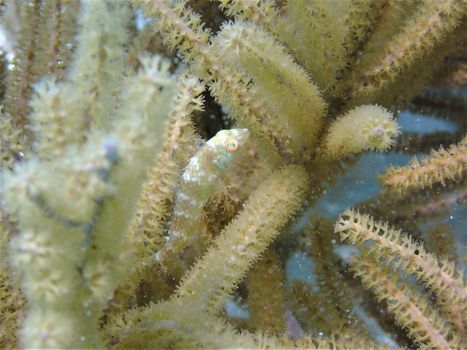
The water clarity in spring is legendary—often exceeding 100 feet. You’ll be working alongside Elkhorn and Staghorn corals, the "big timber" of the reef world.
Pro-Tip: Visit the Buddy Dive Resort shop at exactly 8:00 AM to grab the freshest tanks. If you want to avoid the crowds, head to the "Oil Slick Leap" site at sunset; the entry is a literal 10-foot jump into the blue, and the coral coverage there is rebounding spectacularly.
---
3. The Maldives: Luxury with a Legacy
If you think the Maldives is only for honeymooners sipping bubbly, think again. Resorts like Gili Lankanfushi and Lang Lankanfushi have pioneered the "Coral Lines" method.
The Experience
In the Maldives, the focus is often on Coral Propagation. This spring, "Gili Veshi" (the resort’s marine biology center) is inviting guests to participate in their rope-nursery program. You’ll help marine biologists attach small coral fragments to ropes, which are then suspended in the lagoon.
The beauty of this? They send you GPS coordinates and photo updates of your specific line every six months. It’s the ultimate "long-distance relationship" with the ocean.
Pro-Tip: The best time to visit for restoration is March and April when the seas are glassy. Ask for Marine Biologist Emma—she knows the "Secret Garden" dive site better than anyone and can show you the 5-year-old outplants that are now the size of dinner tables.
---
4. Bali, Indonesia: The "Biorock" Revolution
In the village of Pemuteran in Northwest Bali, they are doing something wild: they are using electricity to grow reefs.
The Experience
The Biorock Project uses low-voltage solar power to create a mineral accretion process on steel structures. This causes coral to grow 3 to 5 times faster than normal and makes them more resistant to bleaching.
This spring, Bali is seeing a surge in "Voluntourism" packages. You can help weld structures or simply help "transplant" broken coral fragments found on the seabed onto the electrified frames. The vibe here is much more "grassroots" and "bohemian" than the Maldives.
Pro-Tip: The "hidden" entrance to the best Biorock site is directly in front of the Taman Sari Resort. Look for the small yellow buoy—it marks the "Goddess of the Sea" statue, which is now almost entirely covered in vibrant purple and orange polyps.
---
5. The Great Barrier Reef: Citizen Science at Scale
Australia’s icon has had a rough decade, but the "Great Reef Census" and programs like Passions of Paradise are turning the tide.
The Experience
Departing from Cairns, you can join a "Marine Biologist for a Day" program. This isn't just a tour; you’re collecting real-world data. You’ll use a "Rapid Monitoring" slate to record coral health, crown-of-thorns starfish sightings, and fish populations. This data goes directly to the Great Barrier Reef Marine Park Authority.
Pro-Tip: Don't just do the day trip. Book the Reefsleep experience where you stay on a pontoon overnight. At 6:00 AM, before the tour boats arrive, the reef is a frenzy of activity. It’s the best time to see "cleaning stations" where large groupers get their scales picked clean by tiny wrasse.
---
Quick Facts: Logistics & Budget
| Location | Best Spring Month | Estimated Cost (Activity) | Difficulty Level | How to Get There | | :--- | :--- | :--- | :--- | :--- | | Florida Keys | May | $150 - $250 | Moderate (PADI Required) | Fly to Miami (MIA), drive 1.5 hrs South. | | Bonaire | April | $200 (Course) | Beginner-Friendly | Direct flights from ATL or AMS. | | Maldives | March | $100+ (Donation-based) | Easy (Snorkelers welcome) | Fly to Malé (MLE), then speedboat. | | Bali | May | $50 - $100 | Beginner | Fly to Denpasar (DPS), 4-hr drive North. | | Australia | March | $250 AUD | Moderate | Fly to Cairns (CNS). |
---
The Insider’s Guide to "Regenerative" Gear
If you’re going to be a coral crusader, you can’t show up wearing reef-killing chemicals.
- Reef-Safe Sunscreen: If it has Oxybenzone or Octinoxate, throw it away. Look for "Zinc-based" or "Non-nano titanium dioxide." Brands like Stream2Sea are the industry standard.
- Exposed Skin is Better: Wear a long-sleeve rash guard or a "skin" instead of slathering on lotion. It protects you from jellyfish stings and the sun.
- The "Pointer" Stick: While we usually say "don't touch the reef," restoration divers often use a stainless steel pointer to stabilize themselves on bare rock (never coral!) to keep their fins up and away from the delicate polyps.
---
Why This Spring?
We are currently in a "super-year" for ocean conservation. With the El Niño cycle shifting, the waters this spring are at a critical temperature threshold. Participating in restoration now gives these corals the best chance to strengthen before the peak summer heat.
But beyond the science, there is the soul. There is a specific kind of "good tired" you feel after a day of underwater gardening. It’s the feeling of being a participant in the planet’s survival rather than just a consumer of its beauty.
When you sit on the boat at the end of the day, skin tight with salt, watching the sun dip into the horizon, you’ll realize that the reef gave you much more than you gave it. You didn't just see the ocean; you helped it breathe.
Ready to dive in? Contact the Coral Restoration Foundation or Reef Renewal Bonaire today. These spots fill up fast in the spring, and the reef isn't waiting.
---