The Ultimate Coral Restoration You Can Participate In: Experts' Picks
I stepped off the ferry, the salty spray kissing my face, and the cacophony of a bustling island market immediately enveloped me. The air, thick with the scent of ripe mangoes and distant woodsmoke, vibrated with a rhythm I’d only ever dreamed of. But my mission wasn't just about indulging the senses. It was about immersing myself in a cause far bigger than any single sunset: coral reef restoration. For years, I’ve chased the most authentic, impactful travel experiences, and I can tell you, there’s nothing quite like contributing to the very survival of these underwater cities.
The plight of our coral reefs is dire. Climate change, pollution, and unsustainable tourism practices have left vast swathes bleached and barren. But amidst the gloom, a beacon of hope shines bright: a growing movement of passionate individuals and organizations dedicated to actively restoring these vital ecosystems. And the best part? You, yes you, can be a part of it. Forget just admiring the beauty; let's talk about helping to rebuild it.
Why Coral Restoration Matters (More Than You Think)
Before we dive into the how and where, let's get a grip on the 'why'. Coral reefs aren't just pretty underwater gardens. They are:
- Biodiversity Hotspots: Home to an estimated 25% of all marine life, they are the rainforests of the sea.
- Coastal Protectors: They act as natural barriers, absorbing wave energy and protecting shorelines from erosion and storm surges.
- Economic Engines: Supporting fisheries, tourism, and recreation that sustain millions of people globally.
- Medicinal Discoveries: Many compounds found in reef organisms have potential for life-saving drugs.
Losing them means losing all of this. But with dedicated restoration efforts, we can turn the tide.
Expert-Recommended Coral Restoration Projects: Dive In!
I've spent countless hours researching, speaking with marine biologists, conservationists, and, of course, fellow travelers who have participated in these programs. Based on their insights and my own experiences, here are the top-tier coral restoration opportunities that experts consistently recommend. These aren't just tourist traps; they're genuine, impactful initiatives where your contribution is meaningful.
1. Coral Restoration Foundation (Florida, USA): The Pioneering Powerhouse
If you're looking for a program with a proven track record and a deep scientific foundation, look no further than the Coral Restoration Foundation in South Florida. They are, quite frankly, legends in the field.
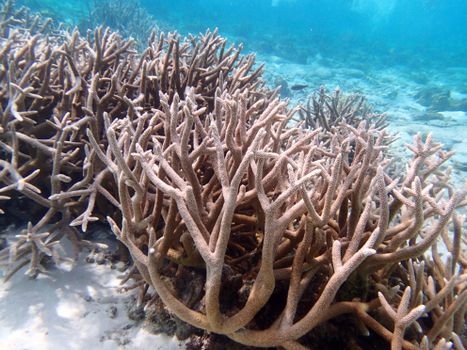
What makes them stand out: They’ve pioneered many of the techniques used today, focusing on outplanting genetically diverse, fast-growing staghorn and elkhorn corals. Their model is scalable, and their impact is undeniable.
Your Role: You'll participate in coral nursery dives, where you'll learn to clean and maintain coral fragments, and outplanting dives, where you'll help attach these fragments to degraded reef areas. It’s hands-on, educational, and incredibly rewarding. Imagine the thrill of placing a tiny fragment that could become a thriving part of a reef for centuries.
Pro-Tip: Their "Dive into the Future" program is a fantastic introduction. Book well in advance, as spots fill up fast due to high demand. The water visibility in the Florida Keys is often best in the morning before the afternoon breezes pick up.
2. The Island Foundation (Thailand): Southeast Asian Sanctuary
For those dreaming of turquoise waters and vibrant Asian cultures, The Island Foundation in Koh Phra Thong, Thailand, offers an incredible opportunity. This initiative is deeply integrated with the local community, ensuring a holistic approach to marine conservation.
What makes them stand out: They focus on coral gardening, where corals are grown on frames in underwater nurseries before being transplanted. They also engage in community education and sustainable livelihood programs, recognizing that protecting the ocean is intrinsically linked to supporting the people who depend on it.
Your Role: You'll assist in building and maintaining coral nurseries, transplanting coral fragments, and participating in beach clean-ups and marine debris monitoring. You’ll also get to engage with local villagers, understanding their connection to the sea.
Insider Language: Don't expect a sterile lab environment. This is about getting your hands gritty, working alongside local fishermen who are now becoming reef stewards. The smell of the sea here is mixed with the aroma of freshly cooked Thai street food – a truly sensory experience.
Pro-Tip: The dry season (November to April) offers the calmest seas and best diving conditions. Learn a few basic Thai phrases; it goes a long way with the locals and enhances your cultural immersion.
3. Gili Eco Trust (Indonesia): Island Resilience
The Gili Islands, once a backpacker haven, have also felt the sting of reef degradation. The Gili Eco Trust is a beacon of hope, working tirelessly to restore the reefs around Gili Trawangan, Gili Meno, and Gili Air.
What makes them stand out: They utilize innovative methods like Biorock technology (underwater electrical structures that promote coral growth) alongside traditional coral gardening. Their focus on education and sustainable tourism practices makes them a comprehensive conservation powerhouse.
Your Role: Participate in Biorock maintenance, coral fragment collection and attachment, and reef surveys. You'll also contribute to educational outreach programs for tourists and locals.
Authenticity: You’ll be diving in waters that have seen significant impact, but the passion of the Gili Eco Trust team is infectious. You’ll hear stories of resilience from divers who have witnessed the reef’s decline and are now actively part of its comeback. The rhythmic lapping of waves against the shore here is a constant reminder of the ocean's power and vulnerability.
Pro-Tip: Visit during the shoulder seasons (April-May and September-October) for fewer crowds and excellent diving. The Gili Islands are car-free, so embrace the charm of walking or cycling between dive sites.
4. U.S. Virgin Islands Coral Reef Conservation Program (USVI): Caribbean Comeback
For a Caribbean experience with a strong scientific backing, the U.S. Virgin Islands Coral Reef Conservation Program offers vital work. This program is a collaboration of various agencies and NGOs, all focused on the urgent need to restore the vibrant reefs of St. Thomas, St. John, and St. Croix.
What makes them stand out: They are heavily involved in research, monitoring, and active restoration. Their work includes coral nurseries, microfragmentation techniques, and outplanting efforts targeted at key species.
Your Role: Depending on specific volunteer opportunities, you might assist with coral nursery maintenance, transplanting coral fragments, data collection during surveys, and community engagement events.
Insider Language: You'll be working with marine biologists who speak the language of salinity, pH, and species identification. The salty tang of the air here is often mingled with the sweet scent of frangipani from the lush island foliage.
Pro-Tip: Many opportunities here are tied to specific research expeditions or internships. Keep an eye on their official program websites and partner NGO sites for volunteer calls. The best time for calm waters is generally from December to May.
5. Project AWARE Foundation (Global Network): Empowering Divers
While Project AWARE Foundation isn't a single physical location, it's a global movement that empowers divers to become ocean advocates and participate in conservation. They partner with dive centers worldwide to implement their programs.
What makes them stand out: Project AWARE focuses on citizen science and advocacy. Their "Adopt a Dive Site" program encourages divers to conduct regular underwater cleanups and surveys, collecting valuable data on marine debris and reef health.
Your Role: Join a Project AWARE-affiliated dive center for a cleanup dive. You’ll learn to identify and record types of marine debris, contributing to global databases that inform policy and action. You can also participate in their "Dive Against Debris" campaigns.
Authenticity: This is about transforming your regular dive trips into conservation missions. Every piece of plastic removed, every survey completed, is a direct contribution to a healthier planet. The sound of your regulator breathing underwater becomes a mantra for change.
Pro-Tip: Visit the Project AWARE website to find a partner dive center near your desired travel destination. Many dive shops offer discounted dives or special packages for participants.
Planning Your Coral Restoration Adventure: Quick Facts
| Feature | Coral Restoration Foundation (USA) | The Island Foundation (Thailand) | Gili Eco Trust (Indonesia) | USVI Coral Reef Conservation (USVI) | Project AWARE (Global) | | :------------------ | :--------------------------------- | :------------------------------- | :------------------------- | :---------------------------------- | :--------------------- | | Estimated Cost ($) | $500 - $2000+ (program dependent) | $300 - $1500+ (program dependent) | $400 - $1800+ (program dependent) | $500 - $2500+ (program dependent) | Varies widely by dive center/program | | Best Time to Visit | Year-round (calmer seas in summer) | Nov - Apr (dry season) | Year-round (calmer seas in dry season) | Dec - May (dry season) | Varies by location | | How to Get There | Fly into Miami (MIA) or Fort Lauderdale (FLL), then drive/transfer to the Keys | Fly into Phuket (HKT), then ferry to Koh Phra Thong | Fly into Lombok (LOP) or Bali (DPS), then ferry to the Gilis | Fly into St. Thomas (STT), St. Croix (STX), or St. John (no airport) | Varies by location | | Accommodation | Hotels, Airbnb, guesthouses | Eco-lodges, basic bungalows | Bungalows, guesthouses, hotels | Hotels, resorts, villas, guesthouses | Varies by location | | Skill Level | Open Water Diver required | Open Water Diver recommended | Open Water Diver required | Open Water Diver recommended | Open Water Diver recommended (for some programs) |
Note: Costs are estimates and can vary significantly based on program length, accommodation choices, and included activities. Always check the specific program provider for the most accurate pricing and requirements.
Beyond the Dive: Embracing Sustainable Travel
Participating in coral restoration is a powerful way to travel responsibly, but it’s just one piece of the puzzle. To truly make an impact, consider these broader aspects of sustainable tourism:
- Choose Eco-Conscious Accommodation: Look for hotels and resorts that have strong environmental policies.
- Minimize Your Plastic Footprint: Bring reusable water bottles, bags, and containers. Say no to single-use plastics.
- Respect Local Cultures: Learn about and support local communities. Eat at local restaurants and buy locally made crafts.
- Be a Mindful Tourist: Avoid touching or stepping on coral, and never purchase souvenirs made from coral or other marine life.
- Educate Yourself and Others: Share your experiences and the importance of ocean conservation with your friends and family.
Your Legacy Beneath the Waves
Stepping off a boat and into the crystal-clear embrace of a coral reef is an experience that transcends the ordinary. But to be able to dive in, not just to observe, but to actively participate in its healing, is something truly profound. You're not just a tourist; you're a guardian, a restorer, a vital part of the solution.
The experts are recommending these programs because they work. They are scientifically sound, community-integrated, and, most importantly, they offer you a chance to leave a lasting, positive mark on our planet. So, pack your dive gear, your sense of adventure, and your commitment to a healthier ocean. The reefs are waiting for you.
---