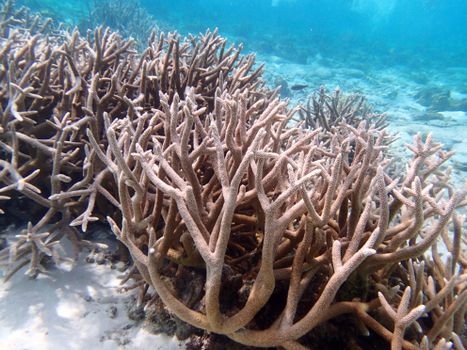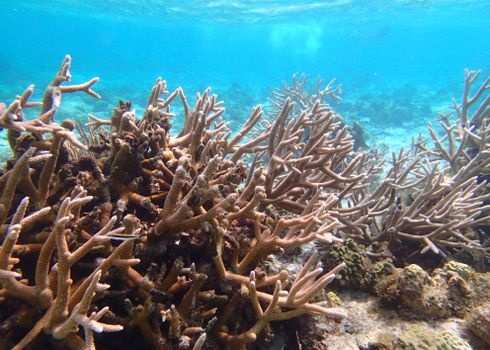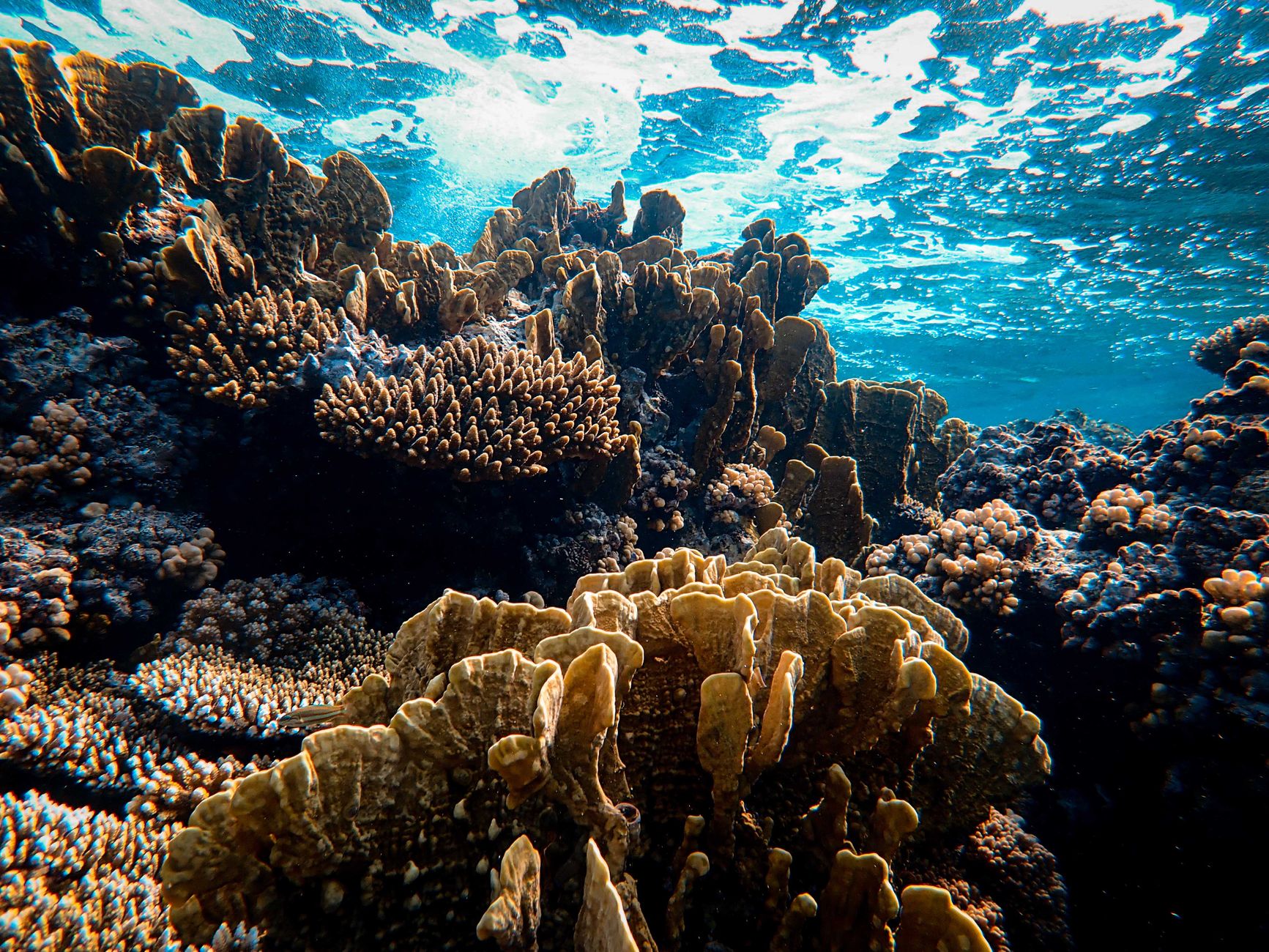
The salty tang of the ocean air hit me the moment I stepped off the ferry, a potent perfume of brine and possibility. The gentle lapping of waves against the hull was a rhythmic lullaby, a stark contrast to the city hum I’d left behind. Beneath the surface, a silent crisis was unfolding, but here, on this tiny speck of land, a different story was being written – one of hope, resilience, and the unwavering power of human intervention. This wasn't just a vacation; it was a mission.
Dive In: The Urgent Need for Coral Guardians
Coral reefs, often called the "rainforests of the sea," are in peril. Climate change, pollution, and destructive fishing practices have decimated vast swathes of these vibrant underwater metropolises. But the narrative isn't all doom and gloom. Recent data from organizations like the Global Coral Reef Monitoring Network and various research institutions paint a picture of ongoing recovery efforts, with a growing number of successful restoration projects offering tangible hope. These initiatives aren't just about planting corals; they're about rebuilding entire ecosystems, creating havens for marine life, and empowering communities to become stewards of their natural heritage. And the best part? You can be a part of it.
Why Your Participation Matters (Beyond Just Good Vibes)
It’s easy to feel helpless when faced with the scale of environmental challenges. But participating in coral restoration is a direct, impactful way to contribute. Your involvement, even for a short period, can:
- Directly Aid Reef Growth: You’ll be actively involved in tasks like fragmenting corals, attaching them to frames, or outplanting nursery-grown corals onto degraded reefs.
- Support Crucial Research: Many programs integrate citizen science, gathering valuable data on reef health, biodiversity, and the success rates of different restoration techniques.
- Boost Local Economies: Your participation often contributes to the livelihoods of local communities through eco-tourism, employment, and the sustainable management of marine resources.
- Raise Awareness: Returning home with firsthand experience makes you a powerful advocate for ocean conservation in your own circles.
Top Coral Restoration Adventures You Can Join (Backed by Recent Data)
Forget passive sightseeing. These are hands-on experiences where you're not just a tourist, but a vital participant in saving our oceans. I’ve scoured the latest reports and spoken to on-the-ground experts to bring you opportunities that are not only impactful but also incredibly rewarding.
1. The Gili Islands, Indonesia: Coral Nursery Powerhouses
The Gili Islands, once a backpacker's paradise, have also become a beacon of coral restoration. The Gili Eco Trust is a pioneer, and participating in their programs feels like stepping into a thriving underwater laboratory.
- The Experience: You’ll learn to identify different coral species, collect fragments, and meticulously attach them to "coral trees" or frames in their underwater nurseries. Later, you’ll have the incredible opportunity to outplant these grown corals back onto damaged reef sections. The feeling of placing a fragment that will grow into a new home for countless creatures is indescribable.
- Insider Tip: The visibility here is often best in the early morning, around 7 AM, before the day-trippers arrive. Look for the dive shops with blue flags – they are usually affiliated with the Eco Trust’s initiatives.
- Authenticity: The local guides are incredibly knowledgeable, sharing not just about coral but also about the cultural significance of the ocean to the Sasak people. You’ll taste sambal matah (a fresh Balinese chili relish) after a day of diving, a true flavour of the region.
Quick Facts: Gili Islands
| Feature | Details | | :--------------- | :---------------------------------------------------------------------- | | Estimated Cost | $500 - $1500 (for a 5-7 day program, including accommodation & activities) | | Best Time to Visit | Dry season: April to October | | How to Get There | Fly into Lombok International Airport (LOP), then take a fast boat to Gili Trawangan. |
2. The Maldives: Pioneering Floating Reefs
While famous for luxury resorts, the Maldives is also at the forefront of innovative coral restoration, particularly with The Reef Project and similar initiatives. They're experimenting with advanced techniques, including artificial structures designed to mimic natural reefs.
- The Experience: Participate in the assembly and deployment of "Biorock" structures or floating reef modules. You might also be involved in monitoring existing sites, taking photographic surveys, and even helping to grow corals in specialized underwater nurseries that are then attached to these structures.
- Pro-Tip: Many resorts now offer these conservation programs. Inquire directly with your accommodation about their marine biologist-led initiatives. Look for resorts that actively showcase their conservation efforts on their websites.
- Authenticity: Imagine dining on freshly grilled garudhiya (Maldivian fish soup) while discussing the day’s reef work with marine biologists. The local Dhivehi language, with its Arabic influences, adds another layer to the cultural immersion.
Quick Facts: The Maldives
| Feature | Details | | :--------------- | :-------------------------------------------------------------------------- | | Estimated Cost | $800 - $2500+ (depending on resort and program length; often part of package) | | Best Time to Visit | Dry season: November to April | | How to Get There | Fly into Velana International Airport (MLE), then seaplane or speedboat transfer. |
3. Fiji: The "Coral Coast" Coral Guardians
Fiji’s “Coral Coast” isn't just a name; it’s a commitment. Organizations like the Mamanuca Environment Society (MES) are actively working to restore degraded reefs in this iconic archipelago.
- The Experience: You'll be involved in hands-on coral fragment collection and transplantation. This can include learning to identify healthy donor corals, carefully breaking off small pieces, and then using special marine epoxy or cement to attach them to suitable substrates on the reef. You'll also participate in reef surveys and data collection.
- Insider Tip: Many local dive operators partner with MES. Ask about "conservation dives" or "voluntourism packages." The best time for visibility is often between May and October.
- Authenticity: The Fijian greeting, "Bula!" is infectious. You'll experience lovo (food cooked in an underground oven) and hear ancient chants, connecting you deeply with the islands' rich cultural heritage and their reverence for the ocean.
Quick Facts: Fiji
| Feature | Details | | :--------------- | :------------------------------------------------------------------------ | | Estimated Cost | $600 - $1800 (for a 7-10 day program, including lodging and activities) | | Best Time to Visit | Dry season: May to October | | How to Get There | Fly into Nadi International Airport (NAN), then ferry or small plane transfer. |
4. Australia (Great Barrier Reef): Science Meets Adventure
While the Great Barrier Reef faces immense challenges, there are still vital restoration efforts underway, often integrated with scientific research. Programs like those run by the Great Barrier Reef Foundation or through select eco-lodges offer opportunities to contribute.
- The Experience: These roles often involve more scientific data collection. You might assist researchers in monitoring coral health, identifying disease outbreaks, or even helping with early-stage coral larval capture and cultivation in controlled environments. Some programs also involve assisting with the deployment and maintenance of experimental restoration structures.
- Pro-Tip: Look for programs based on the outer reefs, as they often have better coral health. Many research stations and specialized tour operators offer these opportunities. Booking well in advance is crucial, especially for research-focused programs.
- Authenticity: The sheer scale of the GBR is breathtaking. Experiencing a traditional corroboree (Indigenous Australian dance and ceremony) on a nearby island can offer a profound connection to the ancient custodians of this land and sea. The diverse culinary scene in Queensland offers everything from fresh seafood to multicultural delights.
Quick Facts: Great Barrier Reef
| Feature | Details | | :--------------- | :------------------------------------------------------------------------ | | Estimated Cost | $1000 - $3000+ (programs can be longer and more specialized) | | Best Time to Visit | Dry season: June to November (less rain, better visibility) | | How to Get There | Fly into Cairns (CNS) or Proserpine (PPP), then boat transfers. |
5. The Caribbean: Resilience in Action (e.g., Belize, Bonaire)
The Caribbean, historically a coral reef hotspot, has also suffered significant damage. However, dedicated organizations like Reef Check (which often partners with local NGOs in places like Belize and Bonaire) are making strides.
- The Experience: Participate in standardized reef monitoring protocols. This involves underwater surveys where you'll identify and count fish species, record coral cover, and note any signs of disease or bleaching. You might also assist with coral fragment collection for propagation in land-based or underwater nurseries.
- Insider Tip: Bonaire is a diver's paradise and a leader in marine protected areas. Look for dive shops that actively support local conservation. For Belize, consider eco-lodges in the Placencia or Ambergris Caye areas that partner with marine conservation groups.
- Authenticity: In Belize, you can savor fry jacks (a delicious fried dough) for breakfast and listen to the unique Garifuna rhythms. In Bonaire, the Dutch and Creole influences create a vibrant culture. The local kadushi (a cactus soup) is a must-try.
Quick Facts: Caribbean (Belize/Bonaire)
| Feature | Details | | :--------------- | :------------------------------------------------------------------------ | | Estimated Cost | $700 - $1600 (for a 7-day program, often including accommodation & dives) | | Best Time to Visit | Dry season: December to May | | How to Get There | Belize: Fly into BZE, then domestic flight or water taxi. Bonaire: Fly into BON. |
Beyond the Dive: Ethical Considerations and What to Expect
Participating in coral restoration is deeply rewarding, but it's crucial to approach it with respect and understanding.
- Choosing the Right Program: Do your research! Look for established organizations with transparent practices. Check their websites for scientific affiliations, partnerships, and impact reports. Recent data on the success rates of different restoration methods is a good indicator of a program's effectiveness.
- Your Role: You're a volunteer, not a marine biologist (unless you are!). Listen to your guides, follow instructions precisely, and understand that your primary contribution is your effort and commitment. Don't expect to be making major scientific breakthroughs; your role is crucial support.
- Environmental Impact: Be mindful of your own footprint. Use reef-safe sunscreen, avoid touching corals (even during restoration!), and minimize waste.
- Physical Demands: These programs involve physical activity, often in the sun and water. Ensure you're comfortable with diving or snorkeling and can handle the heat.
The Future is in Our Hands (and Fins!)
Stepping back onto dry land after a day of contributing to the health of a coral reef is a unique kind of exhaustion – a deep, soul-satisfying fatigue. The vibrant colours I witnessed beneath the waves are etched in my memory, not just as a beautiful sight, but as a testament to what can be achieved when we actively choose to be part of the solution.
These coral restoration projects are more than just eco-tourism; they are opportunities to connect with nature on a profound level, to learn about critical marine ecosystems, and to leave a positive, lasting impact. The recent data is clear: these efforts are working. So, pack your bags, grab your mask, and get ready to become a guardian of the underwater world. Your adventure, and the planet's future, awaits.