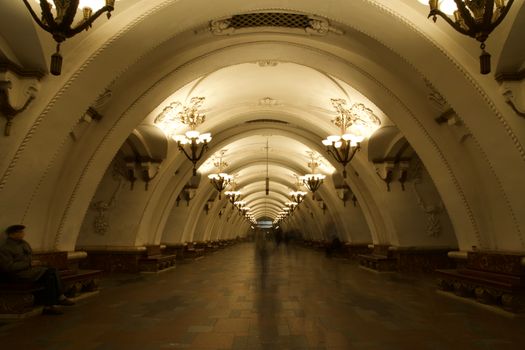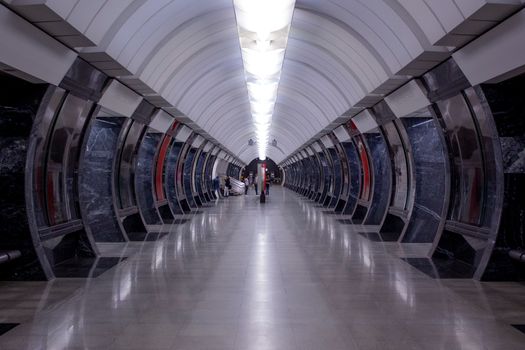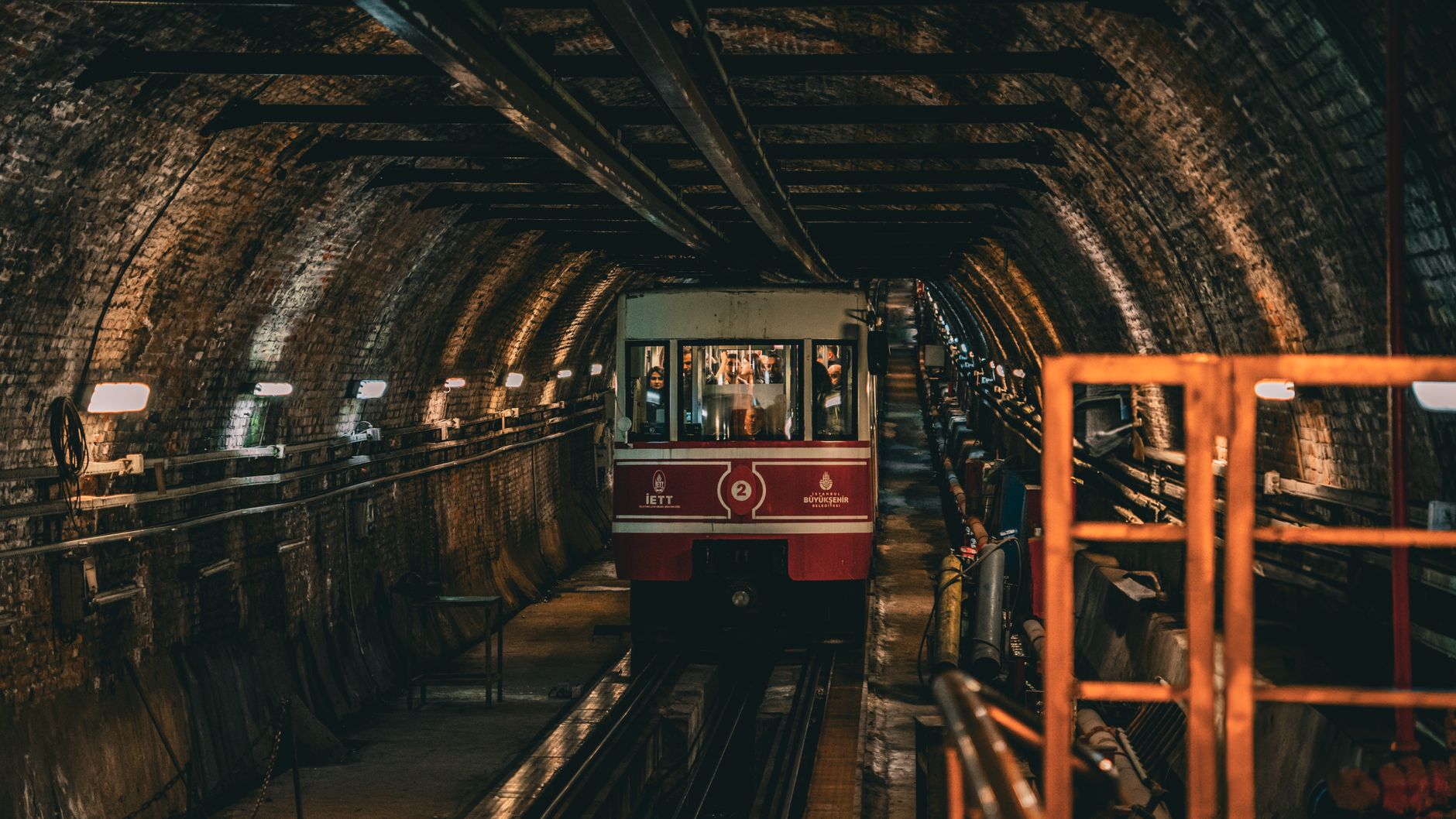
The air was thick with the scent of damp earth and centuries of stories. Above me, the vibrant chaos of modern Paris pulsed, but down here, in the chilling silence of the Catacombs, time stood still. Millions of skeletal remains stared out from meticulously arranged walls, a silent testament to a city's past. That moment, deep beneath one of the world's most famous cities, wasn't just a visit; it was a revelation. It sparked an obsession – a quest to uncover the secret tunnels, forgotten bunkers, and hidden cities that lie beneath the surface of our most iconic destinations.
We travel to see the grand monuments, the bustling markets, the panoramic views. But what if I told you that some of the most profound, mind-bending, and utterly unforgettable experiences are waiting for you underground? These aren't just dark holes; they are intricate labyrinths, ancient sanctuaries, and historical time capsules that redefine your understanding of a place. They are the whispered secrets, the hidden arteries, the very foundations upon which civilizations were built.
If you're anything like me – a traveler who craves the authentic, the adventurous, and the truly unique – then prepare to add some incredible subterranean adventures to your bucket list. These are the secret tunnels beneath famous cities you need to experience before you die.
1. Paris Catacombs: The Empire of Death
My journey into the underground began, fittingly, in Paris. Most tourists flock to the Eiffel Tower or the Louvre, but for me, the real intrigue lay 20 meters beneath the city, in the famed Catacombs. This isn't just a historical site; it's an immersive, almost spiritual encounter with mortality on a grand scale.
The story of the Paris Catacombs is as fascinating as it is morbid. In the late 18th century, Paris's cemeteries were overflowing, leading to disease and unsanitary conditions. The solution? Relocate millions of bones from parish cemeteries to a vast network of abandoned quarry tunnels. Over two million Parisians’ remains were transferred, meticulously arranged into decorative patterns and walls.
As I descended the winding staircase, the sounds of the city faded, replaced by an eerie quiet. The air grew cooler, heavier. The famous inscription, "Arrête! C'est ici l'empire de la Mort" (Stop! This is the Empire of Death), marked the entrance to the ossuary. Walking through those narrow, damp passages, flanked by walls of femurs, tibias, and skulls – some still bearing teeth – was profoundly humbling. It’s a sobering reminder of the ephemeral nature of life, yet also a testament to human ingenuity in the face of urban challenges. The sheer scale is what truly astounds; it feels endless. It's a place that forces introspection, making it incredibly Instagram-worthy for its unique, macabre beauty, but more so, for the feelings it evokes.
Tripsora Traveler Tips:
- Booking is ESSENTIAL: Tickets sell out quickly. Book online weeks, even months, in advance via the official Catacombs website. Do NOT just show up, especially in peak season.
- Location: 1 Avenue du Colonel Henri Rol-Tanguy, 75014 Paris. Metro: Denfert-Rochereau.
- Price: Around €29 for a skip-the-line ticket (highly recommended!).
- What to Expect: The tour is self-guided and takes about an hour. It’s a one-way path, so no turning back. The passages can be narrow, and it’s damp and cool, so bring a light jacket. Not recommended for those with severe claustrophobia or mobility issues (130 steps down, 83 steps up).
- Photography: Flash photography is generally allowed, but be respectful.
2. Edinburgh Vaults: Whispers from a Dark Past
From the solemnity of Paris, I journeyed to the chilling depths of Edinburgh's Old Town, where the stories are less about quiet repose and more about restless spirits. The Edinburgh Vaults, also known as the South Bridge Vaults, are a network of chambers built into the nineteen arches of the South Bridge in the late 18th century. Initially used as workshops and storage, they quickly became a haven for the city's poorest, a slum rife with crime, disease, and despair.
My visit was part of a ghost tour, and honestly, even without the spooky narratives, the atmosphere alone was enough to send shivers down my spine. Our guide, a master storyteller with a theatrical flair, led us through pitch-black chambers, illuminated only by a flickering lantern. He recounted tales of Burke and Hare (infamous body snatchers), illicit distilleries, and the countless souls who lived and died in these oppressive conditions. You could almost feel the weight of centuries of human suffering pressing in.
One particular moment stands out: in a completely dark chamber, the guide asked us to close our eyes and just listen. The silence was profound, yet it felt pregnant with unheard whispers. Suddenly, a cold draft swept through, and I swear I heard a faint, distant cough. Whether it was my imagination or something more, it was an experience I won't soon forget. These vaults are undeniably dark, damp, and genuinely unsettling, making them a perfect pick for those who love a good historical thrill and a dose of the supernatural.
Tripsora Traveler Tips:
- Booking: Guided tours are the only way to access the vaults. Book in advance, especially for evening ghost tours, which are very popular. Many companies offer different variations (e.g., historical vs. purely paranormal).
- Location: Various entry points around South Bridge, Edinburgh.
- Price: Tours range from £15-£25 depending on the company and duration.
- What to Expect: Expect very dark, damp, and cold conditions. Wear sturdy shoes and warm clothing. Tours typically last 1-1.5 hours. Not for the faint of heart or severely claustrophobic.
- Photography: Limited due to darkness, but the eerie atmosphere makes for compelling, moody shots.
3. Naples Underground (Napoli Sotterranea): A City Built on Layers
Naples is a city of vibrant chaos, delicious food, and breathtaking views of Mount Vesuvius. But beneath its bustling streets lies a truly astonishing subterranean world that tells the story of 2,400 years of history. The Napoli Sotterranea is a labyrinth of tunnels, caverns, and chambers carved out of the soft tufa rock, revealing layers upon layers of civilization.
My guided tour here was like peeling back the skin of an onion, each layer revealing a new era. We started with the ancient Greek aqueducts, built in the 4th century BC to supply the city with water. Walking through these hand-carved passages, sometimes only wide enough for one person, was incredible. Our guide pointed out the faint chisel marks from millennia ago.
Then came the Romans, who expanded the aqueduct system and even built an underground market and a vast theatre, whose foundations we could still see. During World War II, these same tunnels were transformed into air-raid shelters, complete with graffiti, children's toys, and makeshift living spaces – a poignant testament to human resilience. The highlight for me was a section where we had to navigate extremely narrow passages (the "cunicoli") by candlelight, squeezing past ancient water conduits. It felt like a true Indiana Jones moment! The sheer ingenuity of these ancient engineers, coupled with the profound historical shifts evidenced in one location, makes this a truly unique experience.
Tripsora Traveler Tips:
- Booking: Tours run frequently throughout the day. While you can often buy tickets on arrival, booking online or arriving early is wise during peak season.
- Location: Via dei Tribunali, 39, 80138 Napoli NA, Italy.
- Price: Around €15 for the standard tour.
- What to Expect: Tours last about 1.5-2 hours. Some sections are very narrow and require squeezing through. If you're severely claustrophobic, there's an option to skip the narrowest parts. Wear comfortable shoes and bring a light jacket as it's cool underground.
- Photography: The varying light and historical artifacts offer excellent photo opportunities.
4. Cappadocia's Underground Cities (Derinkuyu & Kaymakli): Ancient Sanctuaries
Leaving the urban underground, let's journey to the moon-like landscapes of Cappadocia, Turkey, home to some of the most extraordinary underground cities in the world. While many cave dwellings dot the region, Derinkuyu and Kaymakli are true subterranean metropolises, capable of housing thousands of people for months at a time.
These incredible cities were carved out of the soft volcanic rock by early Christians, primarily between the 7th and 10th centuries, to protect themselves from Arab-Byzantine wars. My first descent into Derinkuyu was breathtaking. It plunges eight levels deep (though only about half are accessible to tourists) and features churches, stables, wineries, schools, and living quarters. The ingenious ventilation shafts, the massive rolling stone doors used to seal off levels from invaders, and the intricate network of tunnels truly showcase the brilliance of ancient engineering.
Walking through the cool, quiet passages, I tried to imagine life down here – the muffled sounds, the communal living, the constant fear of discovery. It’s an almost spiritual experience, feeling the weight of history and the desperation that drove people to create such a complex, self-sufficient world beneath the earth. Kaymakli is another fantastic option, slightly smaller but equally impressive, with its own unique layout. Both are UNESCO World Heritage Sites and a testament to human resilience and faith.
Tripsora Traveler Tips:
- Booking: You can visit independently or as part of a guided tour of Cappadocia. A guide is highly recommended to understand the history and navigate the complex layouts.
- Location: Derinkuyu and Kaymakli are about 30-40 minutes drive from Göreme, the main tourist hub of Cappadocia.
- Price: Entrance fees are around 60-70 Turkish Lira per person for each city (check current exchange rates). Guided tours usually include transportation and entrance fees.
- What to Expect: Wear comfortable shoes and be prepared for some stooping and narrow passages. It can get chilly, so a light jacket is a good idea. Not suitable for severe claustrophobia. Plan at least 1-1.5 hours for each city.
- Photography: The unique architecture and scale make for incredible, otherworldly photos.
5. Seattle Underground Tour: A City Built Twice
Now for something completely different! Crossing the Atlantic, the Seattle Underground Tour offers a quirky, humorous, and historically fascinating glimpse into the city's past. After the Great Seattle Fire of 1889, much of the city's downtown was destroyed. Rather than rebuild at the original street level, engineers decided to raise the entire city by one or two stories to combat chronic flooding and poor sanitation.
What remained of the original city – storefronts, sidewalks, and basements – was simply covered over, creating a network of subterranean passages beneath modern Pioneer Square. My tour guide, a witty local with a flair for storytelling, led our group through these forgotten tunnels. We walked on what were once sidewalks, peered into old storefront windows, and saw remnants of the original city, now dimly lit and dusty.
The stories were the highlight: tales of enterprising saloon owners, the challenges of rebuilding, and the ingenious (and sometimes bizarre) solutions employed. It’s a completely different vibe from the ancient European tunnels – less eerie, more amusing, and deeply educational about American urban development. You'll literally see "underground" sidewalks and the tops of old buildings. It's a fantastic way to grasp the city's unique history and one of the best "secret tunnel" experiences for families.
Tripsora Traveler Tips:
- Booking: Book online in advance, especially during peak season, as tours often sell out. Several companies offer tours; Bill Speidel's Underground Tour is the original and most famous.
- Location: Pioneer Square, Seattle. Look for the specific tour office.
- Price: Around $22-25 per adult.
- What to Expect: The tour is mostly walking, lasting about 75-90 minutes. It's mostly flat but can be a bit damp. Dress for the weather, as parts are exposed. Good for all ages, though some historical anecdotes might be a bit mature for very young children.
- Photography: The historical remnants and unique perspective offer great photo opportunities.
6. Rome's Domus Aurea: Nero's Golden Palace Reimagined
Rome is a city built on layers, and while the Colosseum's underground is impressive, I want to highlight an even more exclusive and mind-blowing experience: Nero's Domus Aurea (Golden House). This opulent palace, built after the Great Fire of Rome in 64 AD, was so vast and extravagant that it was eventually buried and built over by subsequent emperors, effectively disappearing for centuries.
Today, after extensive restoration, parts of this colossal complex are accessible, offering a truly unique glimpse into Imperial Roman luxury. My visit was particularly special because it included a virtual reality experience. As I walked through the dimly lit, excavated rooms – once grand halls and banquet areas – donning the VR headset transported me back in time. Suddenly, the bare brick walls were adorned with vibrant frescoes, the ceilings soared with gold leaf, and the central octagonal room came alive with light and movement, just as Nero would have experienced it.
It's not just a walk through ruins; it's a journey into a forgotten dream, an architectural marvel that pushes the boundaries of what was thought possible in ancient times. The guided tour delves into the palace's history, its rediscovery, and the ongoing archaeological work. It's a powerful experience that highlights both the grandeur and the ultimate fall of an emperor, all hidden beneath a modern park.
Tripsora Traveler Tips:
- Booking is CRITICAL: Access is limited to guided tours on specific days (usually weekends), and tickets sell out months in advance. Book via the official Parco Colosseo website.
- Location: Viale della Domus Aurea, 00184 Roma RM, Italy (near the Colosseum).
- Price: Around €18-20 per person, including the VR experience.
- What to Expect: Tours last about 1.5 hours. It’s a cool, damp environment, so bring a jacket. The VR experience is highly recommended and truly enhances the visit. Not physically demanding.
- Photography: Limited photography is allowed in some areas, but the VR experience is the real visual treat.
Ready to Go Deeper?
Exploring these secret tunnels and underground cities has fundamentally changed how I view travel. It’s a reminder that every city has a hidden dimension, a silent story waiting to be uncovered. These experiences offer more than just sightseeing; they provide a visceral connection to history, a sense of adventure, and a profound appreciation for human ingenuity and resilience.
From the chilling solemnity of Parisian catacombs to the ancient ingenuity of Cappadocia, the layered history of Naples, the spectral echoes of Edinburgh, the quirky past of Seattle, and the buried grandeur of Rome – each underground journey is unique and unforgettable.
So, next time you plan your travels, dare to look beyond the surface. Dive into the depths, walk the hidden paths, and unearth the secrets that lie beneath. Which secret tunnel will you explore first? Share your underground adventures with us on social media using #TripsoraUnderground!
---