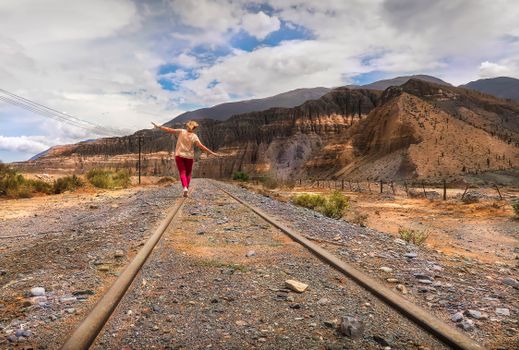
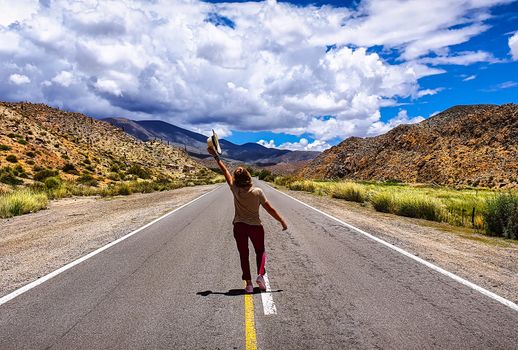
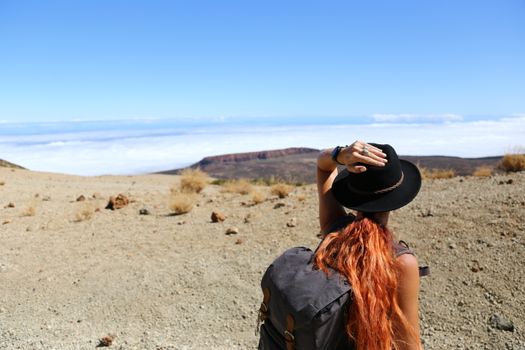
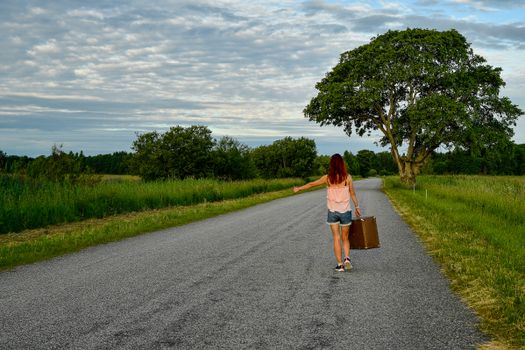
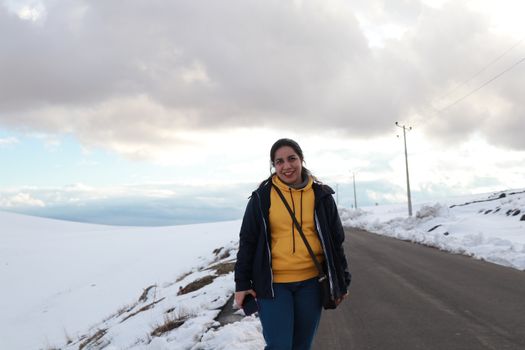
Remember that feeling of scrolling through Instagram, seeing another perfectly sun-kissed solo traveler sipping a coconut on a pristine beach, looking utterly serene and effortlessly cool? Yeah, me too. For years, I dreamt of that idyllic solo adventure, convinced that that was what solo travel was all about – a flawlessly curated escape. But then I actually went.
My first solo trip was to Rome. I envisioned myself gliding through ancient streets, cappuccino in hand, radiating an aura of sophisticated independence. The reality? I got hopelessly lost within 20 minutes of leaving my Airbnb, the metro system felt like an alien puzzle, and I accidentally ordered tripe (yes, stomach lining) for dinner because I couldn't understand the menu. I felt a tidal wave of panic, self-doubt, and frankly, a bit stupid. This wasn't the glamorous solo adventure I'd been sold.
But something shifted in that moment of mild culinary horror and navigational despair. I laughed. A genuine, slightly hysterical laugh. And then I figured it out. I pointed at another dish, apologized profusely to the waiter, and eventually found my way back to my apartment using a paper map and broken Italian. That night, something clicked. The real magic of solo travel wasn’t in the perfect photo ops, but in the messy, challenging, utterly un-Instagrammable moments that forced me to grow.
This isn't a guide to getting the perfect shot. This is about the raw, unfiltered solo adventures that build an unshakeable confidence, resilience, and self-reliance that no filter can fake. These are the experiences Instagram influencers might not highlight because they're not always pretty, but they are profoundly powerful.
The Art of Getting Lost (and Found): Navigating Unplanned Detours
One of the most profound confidence builders in solo travel is the simple act of getting lost. Not "lost" as in "can't find my way to the cute cafe," but truly, spectacularly disoriented in a place where your native language is useless, and GPS signal is a myth.
My most memorable "lost" moment was in the labyrinthine medina of Fes, Morocco. I’d optimistically decided to explore without a guide, armed only with a vague sense of direction and a phrasebook. The narrow alleys twisted and turned, each one looking identical to the last, filled with the cacophony of vendors, donkeys, and the scent of spices. After about an hour, I knew I was truly, utterly lost. My heart pounded. I felt a flicker of fear, then a surge of determination.
Instead of panicking, I took a deep breath. I started observing. I paid attention to the sunlight filtering through gaps, the distinct smells of different sections (leather tanneries vs. spice markets), and eventually, I noticed a pattern in the main thoroughfares. I also swallowed my pride and, using my limited Arabic, asked a friendly shopkeeper for directions back to Bab Bou Jeloud (the Blue Gate). He patiently pointed the way, and with newfound focus, I navigated my way out.
Confidence Built: Problem-solving under pressure, trusting intuition, overcoming fear of the unknown, basic communication skills, resilience. I learned that I could rely on myself, adapt, and that most people are genuinely willing to help.
Practical Tips:
- Carry a physical map: Seriously, a paper map is a lifesaver when your phone dies or has no signal. Mark your accommodation.
- Learn basic phrases: "Hello," "Thank you," "Excuse me," "Where is...?" and "Help!" can make all the difference.
- Look up: Notice landmarks, unique signs, or distinct buildings that can help you reorient yourself.
- Embrace the detour: Sometimes getting lost leads to the most incredible discoveries – a hidden cafe, a local artisan, a breathtaking view.
Eating Alone, Thriving Together: Conquering the Solo Dining Stigma
For many, the thought of eating alone in a restaurant is more daunting than skydiving. The fear of judgment, the awkwardness, the feeling of being "on display." I used to feel it acutely. My first solo dinner in Paris involved me hunching over a tiny table, pretending to be deeply engrossed in a book, barely tasting my croque monsieur.
But over time, I started seeing solo dining as an opportunity, not a punishment. One evening in Lisbon, I walked into a small, bustling tasca. Every table was full except for one tiny spot at the communal bar. I hesitated, then took the plunge. Within minutes, I was chatting with the local next to me about the best bacalhau dishes, sharing a laugh with the bartender, and feeling utterly at ease. The food, naturally, tasted incredible because I was truly present for it.
Confidence Built: Comfort with solitude, self-sufficiency, observational skills, overcoming social anxiety, appreciating your own company. You learn that your worth isn't tied to having company, and that dining solo can be a deeply peaceful and enriching experience.
Practical Tips:
- Start small: Try a casual cafe, a bustling food market (like La Boqueria in Barcelona, where you can grab tapas for €3-5 a plate), or a street food stall first.
- Sit at the bar: This is often less intimidating and encourages interaction with staff or other solo diners.
- Bring a prop (if needed): A book, a journal, or even just your phone (though try to put it down!).
- People-watch: It's a fantastic way to soak in the local culture and feel connected without needing to speak.
- Engage with staff: A simple "What do you recommend?" can open up a conversation. Don't be afraid to ask for a "mesa para uno" (table for one).
The Budget Backpacking Masterclass: Resourcefulness on a Shoestring
Nothing builds confidence quite like making a tight budget stretch further than you thought possible. While Instagram feeds might showcase luxury resorts, true solo confidence often blossoms in hostels, on long bus rides, and over self-cooked meals.
My two-month backpacking trip through Southeast Asia was a masterclass in budget management. I arrived in Bangkok with a daily budget of $30-40 USD, including accommodation, food, and activities. This meant no fancy hotels, no taxis (unless absolutely necessary), and a lot of street food. I learned to haggle politely in markets, seek out local eateries where a delicious meal cost $2-3 USD, and became an expert at navigating public transport.
One time in Vietnam, I needed to get from Hoi An to Hue. Instead of a tourist shuttle, I booked a local overnight sleeper bus for about $10 USD. It was cramped, noisy, and had questionable hygiene, but it got me there. More importantly, it taught me patience, adaptability, and that I didn't need luxury to have an incredible experience. I met other backpackers, swapped stories, and woke up feeling incredibly accomplished.
Confidence Built: Financial management, resourcefulness, independence, valuing experiences over material comfort, problem-solving on the fly. You realize how capable you are of making things work with limited resources.
Practical Tips:
- Embrace hostels: Many have private rooms if you need privacy, but dorms are great for meeting people (typically $15-30/night in popular areas). Look for social hostels with common areas.
- Utilize public transport: Buses, trains, and local ferries are almost always cheaper than private transfers.
- Cook your own meals: If your accommodation has a kitchen, hit up local markets for fresh ingredients. It's often cheaper and a cultural experience.
- Free activities: Walking tours (tip your guide!), parks, museums with free entry days, hiking.
- Set a daily budget: And stick to it! Use an app to track your spending.
Embracing the Unexpected: When Plans Go Sideways
Solo travel teaches you that no matter how meticulously you plan, things will go wrong. Flights get delayed, luggage gets lost, you get sick, or the weather turns hostile. It's in these moments of chaos that your true resilience and problem-solving skills shine.
On a trip to Iceland, I had meticulously planned a multi-day hike. Two days before, a massive storm rolled in, making the trails impassable and dangerous. My initial reaction was pure frustration. All that planning, ruined! But then I remembered my solo travel mantra: "Adapt and overcome."
I spent an entire afternoon at the local tourism office, researching alternatives. I ended up booking a last-minute bus tour to different parts of the island that were less affected by the storm, and even found a cozy guesthouse with a hot tub. It wasn't the hike I'd envisioned, but I saw incredible landscapes, met fascinating people on the tour, and soaked in thermal waters under a dramatic sky. I learned that flexibility is a superpower.
Confidence Built: Adaptability, crisis management, resilience, trusting strangers (when safe), decision-making under pressure. You learn that you can handle whatever life (or travel) throws at you.
Practical Tips:
- Travel insurance: Don't skip it! It's a safety net for medical emergencies, lost luggage, and trip cancellations.
- Backup plans: Have a mental (or actual) Plan B for major activities or travel legs.
- Emergency contacts: Keep a list of important numbers (local embassy, bank, family) easily accessible.
- Deep breaths: When things go wrong, take a moment to calm down before reacting. Panic rarely helps.
- Ask for help: Locals, hotel staff, and other travelers are often invaluable resources in a pinch.
Connecting Beyond the Screen: Real Human Interaction
While solo travel can be a journey of self-discovery, it doesn't mean you're always alone. In fact, it often forces you to initiate conversations and connect with people in ways you might not at home, building incredible social confidence.
In Medellín, Colombia, I decided to take a salsa class. I'm not a natural dancer, and the thought of trying to learn with strangers was intimidating. But I pushed past the discomfort. By the end of the first lesson, I was laughing, sweating, and clumsily twirling with fellow travelers and locals. We went for drinks afterward, sharing stories and recommendations.
Another time, while waiting for a bus in rural Albania, I struck up a conversation with an elderly woman using a mix of gestures and Google Translate. She invited me for coffee at her home, where she showed me old family photos and shared homemade pastries. These unscripted, genuine human connections are the true treasures of solo travel, far more enriching than any perfectly posed selfie.
Confidence Built: Social skills, overcoming shyness, cross-cultural communication, empathy, sense of belonging. You realize that connecting with others is easier than you think and incredibly rewarding.
Practical Tips:
- Stay in social accommodation: Hostels, guesthouses with common areas, or even Airbnb rooms can foster interaction.
- Join local tours/classes: Cooking classes, language exchanges, walking tours, or dance lessons are excellent ways to meet people with shared interests.
- Learn basic greetings: A simple "Hola!" or "Bonjour!" can open doors.
- Be approachable: Smile, make eye contact, and be open to conversation.
- Use common interests: Ask about local food, music, or history – people love talking about their culture.
The Silent Moments: Finding Strength in Solitude
While connecting with others is wonderful, the true power of solo travel often lies in the quiet moments of introspection. Away from the demands of daily life and the expectations of others, you get to truly know yourself.
I remember a morning in the Scottish Highlands. I woke up early, hiked to a secluded viewpoint overlooking a misty loch, and simply sat there for an hour. No phone, no music, just the wind, the birds, and my own thoughts. In that silence, clarity emerged. I reflected on recent challenges, future goals, and simply appreciated the profound beauty around me. It was a moment of deep peace and self-affirmation.
These moments of solitude, whether it's a long hike, a quiet coffee in a bustling square, or simply journaling in your room, are where profound personal growth happens. You learn to be comfortable in your own company, to trust your inner voice, and to truly understand what makes you tick.
Confidence Built: Self-awareness, inner peace, comfort in own company, clarity of thought, decision-making based on personal values. You learn to listen to yourself and value your own presence.
Practical Tips:
- Schedule "me time": Consciously set aside time for quiet reflection, away from distractions.
- Digital detox: Leave your phone in your bag. Resist the urge to scroll or constantly document.
- Journaling: Write down your thoughts, feelings, and observations. It's a powerful tool for self-discovery.
- Find quiet spots: Seek out parks, gardens, libraries, or less crowded viewpoints.
- Practice mindfulness: Pay attention to your senses, the present moment, and let your thoughts flow without judgment.
Volunteering or Local Immersion: Giving Back, Gaining More
Beyond sightseeing, immersing yourself in a local community or contributing through volunteering can be an incredibly humbling and confidence-boosting experience. It shifts your perspective from consumption to contribution.
During a trip to Thailand, I spent a week volunteering at an elephant sanctuary near Chiang Mai. It wasn't glamorous work – scooping poop, preparing food, and observing the elephants from a respectful distance. But it was deeply rewarding. I worked alongside locals and other volunteers, learned about conservation efforts, and felt a profound sense of purpose.
This experience wasn't about me; it was about something bigger. It forced me to step outside my comfort zone, learn new skills, and collaborate with people from diverse backgrounds. The confidence I gained wasn't about personal achievement, but about my ability to contribute meaningfully and adapt to an entirely new environment.
Confidence Built: Purpose, empathy, practical skills, cross-cultural competence, a sense of contribution, humility. You learn that you have valuable skills to offer and can make a positive impact.
Practical Tips:
- Research reputable organizations: Look for ethical volunteer programs (e.g., Workaway, HelpX, or local NGOs). Be wary of "voluntourism" that might do more harm than good.
- Language exchange: Offer to teach English in exchange for learning a local language.
- Local workshops: Take a cooking class (e.g., learning to make pasta in Italy for €50-80), an artisan craft workshop, or a music lesson.
- Stay longer: Even a few extra days in a destination can allow for deeper immersion.
- Be open to learning: Approach the experience with an open mind and a willingness to be taught.
---
The truth is, solo travel isn't always picture-perfect. You'll have moments of awkwardness, frustration, and even loneliness. But it's precisely in these unfiltered, uncurated moments that you discover your true strength. You learn to rely on yourself, to adapt, to connect, and to find profound joy in the journey, imperfections and all.
So, next time you're scrolling through those glossy feeds, remember: the most valuable adventures are the ones that challenge you, change you, and build a quiet, unshakeable confidence that shines brighter than any filter.
Are you ready to discover the confidence Instagram influencers don't want you to know? Start planning your own raw, real, transformative journey today.
What's your most un-Instagrammable, confidence-boosting solo travel moment? Share your stories in the comments below!
---