The Baggage Fee Nightmare: My €75 Wake-Up Call That Changed Everything
Picture this: I’m standing at the Ryanair check-in counter in Dublin, buzzing with excitement for a weekend getaway to Berlin. My backpack, which I swore was carry-on compliant, felt a little heavier than usual. The agent, with a practiced smirk, directed me to the dreaded baggage scale. Beep. Overweight. My heart sank. "That'll be €75, please," she chirped, pointing to a sign that might as well have read, "Welcome to the Baggage Fee Black Hole." Seventy-five euros! That was more than my flight! I reluctantly handed over my credit card, my Berlin beer budget instantly decimated.
That moment, dear travelers, was my rock bottom. It was also my awakening. I vowed right then and there: never again. Since that fateful day, I've crisscrossed continents – from the bustling markets of Marrakech to the serene beaches of Thailand, the historic streets of Rome to the wild landscapes of Patagonia – and I haven't paid a single cent in baggage fees. Not one.
How? It’s not magic; it’s a combination of smart planning, clever packing, airline savvy, and a dash of strategic rebellion. And today, I’m pulling back the curtain on the trending tactics that will empower you to join the fee-free travel revolution. Get ready to bookmark this, because your wallet is about to thank you.
Section 1: The Art of the Carry-On & Personal Item: Your First Line of Defense
This is where the magic truly begins. Most airlines, even the budget ones, allow you at least one free carry-on bag (that goes in the overhead bin) and one personal item (that fits under the seat in front of you). The secret? Maximizing both to their absolute legal limits.
Mastering the Carry-On: My current go-to carry-on is the Osprey Farpoint 40L. It’s technically a backpack but opens like a suitcase, making it incredibly easy to pack. For European budget airlines like Ryanair or EasyJet, always double-check their specific dimensions – they can be notorious for strict limits (e.g., 55x40x20cm). For US carriers like Delta or American, the dimensions are a bit more forgiving.
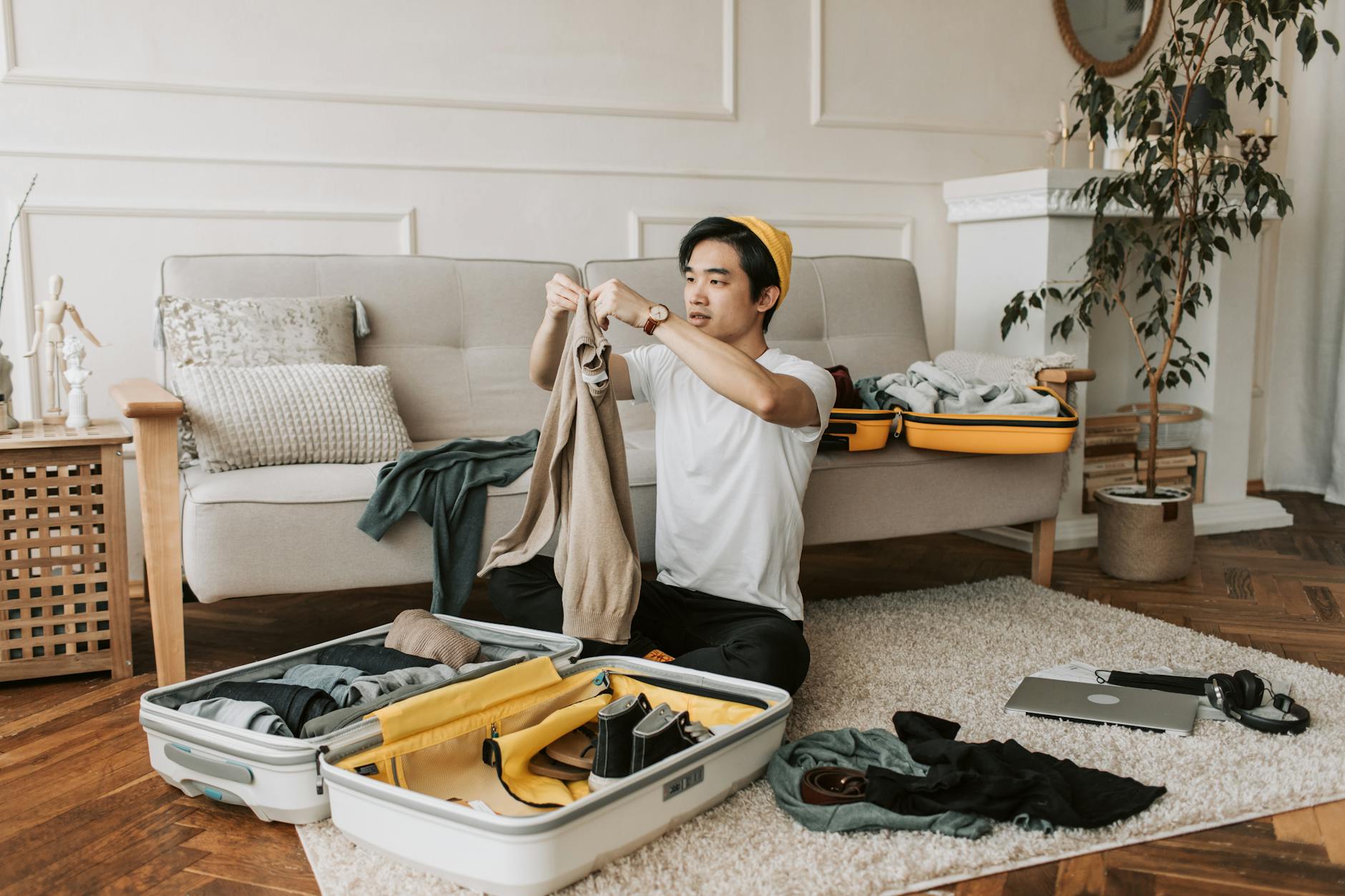
- Packing Cubes are Your Best Friends: Seriously, if you’re not using packing cubes, you’re leaving space and sanity on the table. My favorite are compression packing cubes. They don't just organize; they squeeze air out, allowing you to fit significantly more. I can fit 7 days of clothes, a swimsuit, and a pair of sandals into two medium-sized cubes.
- The Rolling/KonMari Method: Forget folding. Rolling clothes tightly saves space and minimizes wrinkles. For bulkier items, the KonMari folding method (folding into small rectangles) works wonders. I combine both: roll t-shirts and jeans, KonMari fold sweaters.
- Strategic Outfit Planning: Lay out every outfit you plan to wear. Then, halve it. Seriously. Choose versatile pieces that can be mixed and matched. Stick to a color palette. Do you really need those five different tops for a three-day trip? Probably not. I always pack a small travel-size detergent strip or a bar of laundry soap, knowing I can wash essentials in the sink if needed.
Optimizing Your Personal Item: This is often the unsung hero of fee-free travel. Most airlines allow a backpack, a large purse, or a laptop bag as a personal item, provided it fits under the seat.
- The "Designated Free Bag" Strategy: My personal item is usually a spacious, soft-sided backpack (like the Fjallraven Kanken or a compressible daypack). This bag holds my laptop, camera, toiletries, a book, snacks, and any overflow from my carry-on. Crucially, it should be soft-sided so you can squish it into the sizer if challenged.
- Heavy Items Go Here: Books, chargers, heavy shoes (if not wearing them), and even a small hairdryer (if you absolutely must) should go in your personal item. Why? Because the personal item is rarely weighed, only sized. Your carry-on, on the other hand, might face the dreaded scale.
Personal Anecdote: I once flew from Milan to Lisbon on a budget airline with a 40L backpack and a large tote bag. The tote contained my laptop, all my liquids (in a clear bag), my camera, and a pair of hiking boots. The agent at Milan gave my backpack a suspicious look, but since it was within dimensions and looked light, she waved me through. The tote, overflowing but soft, tucked perfectly under the seat. Victory!
Section 2: The Wearable Luggage Revolution: Dress Your Way Out of Fees
This is one of my favorite, slightly cheeky, trending hacks. When your bags are bursting, and you absolutely cannot part with that extra sweater or those bulky boots, wear them! Think of your body as an extension of your luggage allowance.
- The Travel Vest/Jacket Hack: Invest in a multi-pocket travel vest or jacket (like those from ScotteVest or a good quality utility jacket). These aren’t just for spies; they're for smart travelers. I’ve seen people stash tablets, chargers, books, snacks, and even small clothing items in these jackets. When you board, you can simply take it off and place it in the overhead bin or under your seat. It's technically "clothing," not a bag!
- Layer Up, Buttercup: Wear your bulkiest items on the plane. Heavy sweaters, thick jeans, and those chunky hiking boots? Don them. You can always shed layers once you’re on board and comfortable. I once flew from Iceland to London wearing two sweaters, a scarf, and my heavy winter coat, simply because my carry-on was already pushing its weight limit. It looked a bit silly, but it saved me £50!
- Stuff Your Pockets: Don't underestimate the power of your existing pockets. Your jeans, jacket, and even cargo pants can hold a surprising amount: passport, phone, wallet, keys, glasses case, chapstick, a small power bank. Every little bit counts.
Personal Anecdote: On a particularly tight budget flight from Budapest, I saw a fellow traveler, a young backpacker, struggling with an overweight carry-on. Just before reaching the scale, he calmly unzipped a large pocket in his jacket and crammed a pair of sneakers inside. He then zipped it up, put on the jacket, and sailed through. The agent didn't bat an eye. Pure genius!
Section 3: Smart Planning & Airline Savvy: Know Before You Go (and Book!)
The single biggest mistake travelers make is not researching airline baggage policies before booking. Each airline is a unique beast, and understanding their rules is paramount to avoiding fees.
- Research Baggage Policies FIRST: Before you even look at flight prices, go to the airline's website and find their baggage policy. Pay close attention to:
- Carry-on dimensions and weight limits: These vary wildly. A 10kg limit is common in Europe, while some US airlines have no weight limit for carry-ons, only size.
- Personal item dimensions: Again, crucial for maximizing space.
- Checked bag fees: How much is the first bag? The second? Is it cheaper to pay online in advance? (Usually, YES!)
- Budget vs. Full-Service Airlines:
- Budget Airlines (Ryanair, Spirit, Frontier, EasyJet, Wizz Air): These airlines thrive on ancillary fees. Expect to pay for everything beyond a small personal item. If you must check a bag, buy it online during booking – it's almost always significantly cheaper than at the airport. Spirit Airlines, for example, can charge $30-$40 online for a checked bag but $65+ at the gate!
- Full-Service Airlines (Delta, American, United, British Airways, Lufthansa): Often include a free carry-on and personal item, and sometimes even a free checked bag on international flights or for certain fare classes. Factor this into your overall flight cost. A slightly more expensive ticket on a full-service carrier might actually be cheaper than a budget airline once you add baggage fees.
- Credit Card Perks & Loyalty Programs:
- Travel Credit Cards: Many co-branded airline credit cards offer a free checked bag for the cardholder and often several companions on the same reservation. For example, the Delta SkyMiles Amex cards often provide a free first checked bag. This benefit alone can easily offset the annual fee if you travel a few times a year.
- Airline Status: If you fly frequently with one airline or alliance, achieving even their lowest elite status (e.g., Silver Medallion with Delta, AAdvantage Gold with American) often grants you free checked bags, priority boarding (which means more overhead bin space!), and other perks.
- Pre-Pay Online: If you know you'll need a checked bag, always, always, always purchase it online when you book your ticket or at least 24-48 hours before your flight. The price difference between online payment and airport payment can be substantial – sometimes double!
Personal Anecdote: Flying domestically in the US, I often choose Southwest Airlines specifically because they offer two free checked bags for everyone. Even if their fare is slightly higher than a competitor, the savings on baggage fees make them the clear winner for trips where I know I'll need more than a carry-on, especially for family travel. It's an often-overlooked perk!
Section 4: The "Decoy" Bag & Other On-the-Spot Saves
Sometimes, despite your best efforts, you find yourself at the airport with an overflowing bag and the fear of fees looming. These are your emergency maneuvers.
- The "Duty-Free Bag" Decoy: This is a classic. Many airlines explicitly state that duty-free purchases don't count towards your baggage allowance. If your personal item is slightly too full, or your carry-on is overweight, grab a large, empty duty-free bag (you can often ask for one at a duty-free shop even if you don't buy anything, or simply keep one from a previous trip). Transfer some of your heavier, smaller items – books, electronics, toiletries – into this bag. Walk confidently to the gate. It looks like you just did some last-minute shopping! This works best for items that aren't clothing, as a duty-free bag stuffed with sweaters might look suspicious.
- The "Consolidate at the Gate" Shuffle: If you're called out for an overweight or oversized carry-on at the gate (often the last chance before boarding), you have a few options:
- Wear more clothes: Quickly layer up.
- Stuff your pockets: As mentioned before.
- Ask a travel companion: If you're with someone who has space, quickly transfer some items to their bag.
- The "Laptop Bag" maneuver: If you have a separate laptop bag, and it's not considered your personal item, you might be able to argue it's a "personal electronics" bag, which some airlines are more lenient with.
- Shipping Souvenirs Home: If you've gone wild with souvenirs (I'm looking at you, artisan crafts from Oaxaca!), consider shipping them home via postal service. Especially for fragile or bulky items, this can sometimes be cheaper and safer than checking an extra bag, plus it frees up space for your return journey. I've done this successfully from Thailand and Mexico, sending packages for less than what an overweight bag would have cost.
Personal Anecdote: I was once at the gate in Lisbon, flying to London, and my carry-on was clearly too heavy. A flight attendant was eyeing it. I quickly grabbed a large, empty shopping bag I had folded in my pocket, pulled out my bulky camera and a heavy guide book, and put them in the shopping bag. I then held the shopping bag casually and my lighter carry-on. The flight attendant just smiled and let me board. Crisis averted!
Section 5: The Minimalist Mindset: Pack Less, Experience More
Beyond the hacks, there's a philosophy: the minimalist mindset. This isn't just about saving money; it's about freedom, agility, and a richer travel experience. When you pack less, you worry less, move faster, and are more open to spontaneous adventures.
- The Capsule Wardrobe: This is a game-changer. Choose 5-7 versatile clothing items that all mix and match (e.g., 2 bottoms, 3 tops, 1 cardigan/jacket). Add underwear, socks, and pajamas. Focus on neutral colors with one or two accent pieces. You can create dozens of outfits from a small selection. For a week-long trip, this is all you need.
- Multi-Purpose Items:
- Sarong: Can be a scarf, beach towel, skirt, blanket, head covering.
- Travel-size soap bar: Works for body, hair, and even hand-washing clothes.
- Versatile shoes: One pair for walking, one for evenings (if necessary). My go-to is a stylish, comfortable sneaker that can be dressed up or down.
- Wash on the Go: Embrace washing clothes in your hotel sink. A quick wash in the evening, hang to dry, and it’s often ready by morning. Packing quick-dry fabrics (merino wool, synthetics) makes this even easier. I carry a small travel clothesline with suction cups for this purpose.
- Buy Essentials at Your Destination: Don't pack a huge bottle of shampoo, sunscreen, or bug spray. Buy it when you arrive. It's often cheaper, supports local businesses, and saves precious space and weight.
Personal Anecdote: My first truly minimalist trip was a two-week backpacking adventure through Southeast Asia. I packed only a 30L bag and a small daypack. I bought toiletries there, washed clothes every few days, and wore the same few outfits. I felt incredibly light, agile, and stress-free. Navigating crowded markets or hopping on a last-minute bus was a breeze. I had more money for incredible street food and experiences, and absolutely no baggage drama. It was liberating!
Section 6: Gear Up Smart: Investing in the Right Tools
While many hacks are about technique, having the right gear can significantly simplify your fee-free journey.
- Lightweight Luggage: Your bag itself contributes to the weight. Look for carry-on suitcases or backpacks made from lightweight, durable materials. Brands like Monos, Away (for hardshells), or Osprey, Eagle Creek (for soft-sided) are great investments. A few hundred grams saved on the bag itself can make all the difference.
- Portable Luggage Scale: This is a non-negotiable for me. Before every trip, and especially before the return journey (when souvenirs might have added weight), I weigh my bags at home. A small, digital luggage scale costs less than $15 and can save you hundreds. No more guessing games at the airport!
- TSA-Approved Toiletry Bottles: Investing in a good set of reusable, leak-proof travel bottles for your liquids (shampoo, conditioner, lotion) is essential for carry-on only travel. Stick to the 3-1-1 rule (3.4 ounces/100ml containers, one quart-sized bag, one bag per passenger).
- Compression Bags (Vacuum-Seal or Roll-Up): While packing cubes are for organization, compression bags are for extreme space-saving. They literally suck the air out of your clothes, making them incredibly compact. Just be mindful that while they save space, they don't reduce weight!
Personal Anecdote: I once bought a super cheap, flimsy luggage scale. It broke after two trips. I then invested in a slightly pricier, highly-rated digital scale. It's been with me for years, through countless trips, and has saved me from overweight charges more times than I can count. It's a small investment that pays for itself almost instantly.
Your Baggage Fee-Free Future Starts Now!
The era of dreading the check-in counter is over. With these trending hacks and a shift in your travel mindset, you have the power to liberate yourself from unnecessary baggage fees forever. Imagine the extra cash in your pocket for that delicious street food in Bangkok, that unforgettable gondola ride in Venice, or that spontaneous souvenir from your dream destination.
Travel should be about freedom, adventure, and discovery – not about arbitrary fees. So, arm yourself with these tips, pack smart, plan smarter, and embark on your next journey with the ultimate travel hack: a fee-free conscience.
What's your best baggage fee-saving hack? Share your tips and tricks in the comments below! Let's build a community of smart, fee-free travelers! And don't forget to share this post with your travel buddies – let's spread the word and help everyone travel smarter!
---