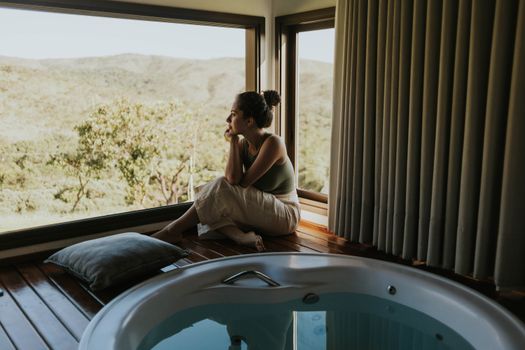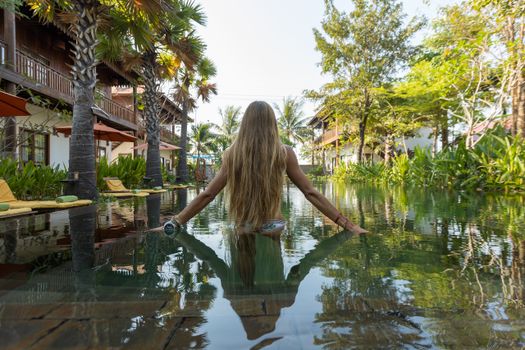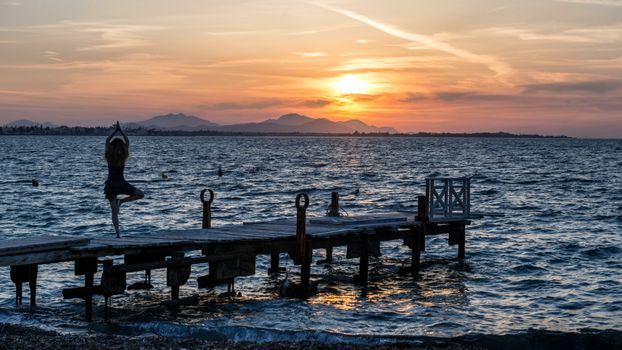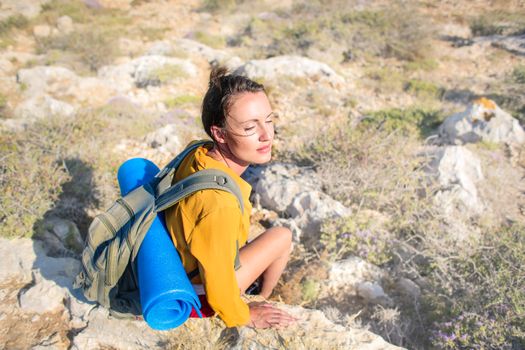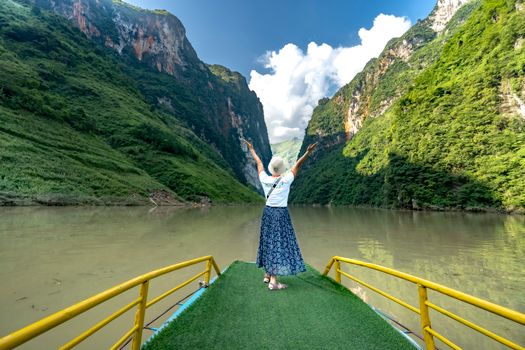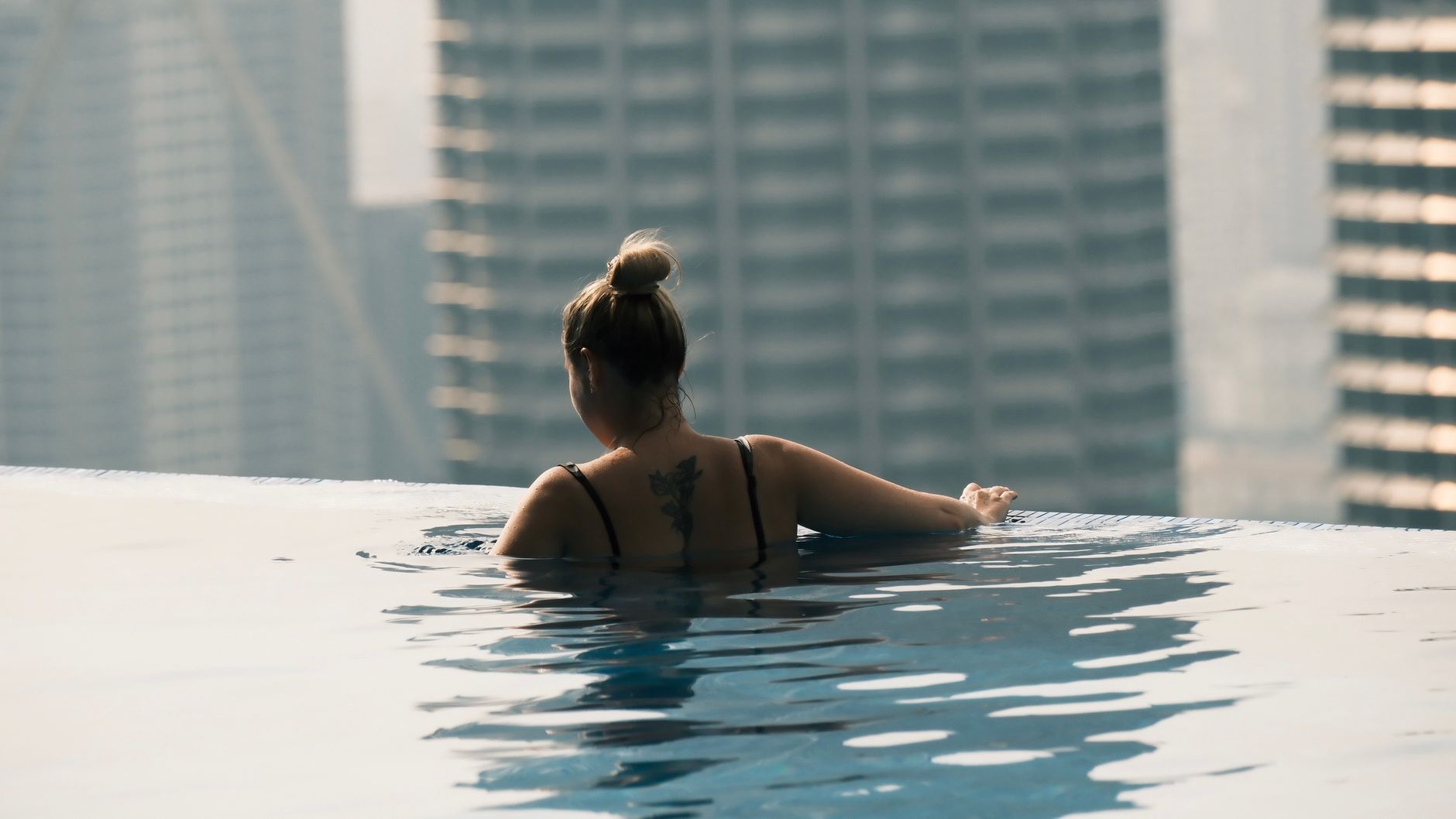
The end of the year is a natural moment to step away. Days are short in the northern hemisphere, work often slows, and many people feel the pull to reflect before a new year begins. A solo retreat can offer that space. But "life-changing" is a big promise, and no weekend away can guarantee it. What a good retreat can reliably give you is time, quiet, structure and a change of scene, which are often what people actually need.
This guide helps you choose a retreat that suits your temperament, your budget and the season, without hype. It covers the main types, how to judge a provider, how to prepare, and how to make what you learn last once you return home.
What a solo retreat actually is
A retreat is a period of time set aside from ordinary life with a clear purpose, such as rest, practice, creative work or reflection. Going solo simply means you arrive on your own. Many retreats are group programs where you meet others, while some are self-guided stays in a cabin or guesthouse where you design your own days.
The format matters more than the label. Before you search, ask yourself what you want most:
- To rest and do very little.
- To learn a practice, such as yoga, meditation or breathwork.
- To create, whether writing, painting or planning a project.
- To move, through hiking, swimming or gentle fitness.
- To think, with an open calendar and few demands.
Your answer will point you toward the right type far more reliably than a beautiful photo.
Types of solo retreat
Yoga and movement retreats
These combine daily classes with downtime, healthy meals and often a beautiful setting. They range from gentle and restorative to physically demanding. If you are new to yoga, look for programs that state they welcome beginners, and read how many hours of practice are scheduled each day.
Meditation and silent retreats
Silent retreats ask you to refrain from speaking for part or all of the program, often with guided sitting and walking meditation. They can be powerful and also challenging. Some people find silence calming, while others find it brings up difficult thoughts. If you have a history of mental health difficulties, speak with a health professional and with the organizers before enrolling. Reputable programs will welcome that conversation.
Writing and creative retreats
Writers and artists often benefit from a structured period of uninterrupted work. Some programs offer workshops and feedback, while others simply provide a room, a desk and meals. These suit people with a project in mind.
Nature and hiking retreats
Guided or self-guided walking retreats combine movement with fresh air and scenery. In winter, check conditions carefully, since daylight is limited and weather can change quickly.
Wellness and spa retreats
These emphasize rest, massage, thermal baths and good food. They are a gentle way to switch off, and are popular in places with a bathing tradition, such as Central Europe, Japan and Iceland.
Self-designed retreats
You can create your own with a cabin, a notebook and a plan. This costs less and gives you full control, but it requires more discipline and offers fewer built-in supports.
Choosing where to go in winter
December is high season in many warm destinations and low season in many cold ones. That changes the picture.
- If you want warmth, consider tropical or subtropical regions in their dry season, such as parts of Southeast Asia, India, Sri Lanka, Central America and the Caribbean. Weather varies by region, so check the climate for the specific area and month.
- If you want snow and stillness, look at mountain cabins in places like the Alps, Scandinavia or the northern United States and Canada, remembering that access can be affected by weather.
- If you want mild air, southern Europe, including coastal Portugal, southern Spain and parts of Greece and Italy, can be quiet and pleasant in winter, though not warm enough for swimming.
- If you want thermal baths, Hungary, Iceland and Japan are known for them.
Holidays can raise prices and fill programs, so consider booking early and checking cancellation terms.
How to judge a retreat provider
Wellness is a marketplace with uneven standards. A few checks help.
- Read the schedule. A good retreat tells you what a typical day looks like, including free time.
- Check the teachers. Look for clear information about their training and experience, and treat dramatic claims with caution.
- Look for honest language. Be wary of programs promising to cure illness, solve trauma or transform you in days. Real practice is gradual.
- Search for recent independent reviews. Look beyond the provider's own website.
- Ask about safety. Who is on site at night? What happens in a medical emergency? Is the location close to healthcare?
- Understand the cost. Find out what is included, such as meals, airport transfers and activities, and what is extra.
- Read the cancellation policy. Life changes, and a fair policy is a sign of a decent business.
- Trust your instincts. If you feel pressured to sign up quickly or buy add-ons, step back.
Safety for solo retreat-goers
Traveling alone is usually safe with ordinary care, and a retreat can feel safer than a hotel because staff are nearby. Still:
- Share your itinerary and contact details with someone you trust.
- Arrange transport from the airport in advance, particularly if you arrive after dark.
- Keep copies of your documents and have travel insurance that covers the activities you plan. This is general guidance, so read policy terms.
- Be honest with organizers about injuries, health conditions and dietary needs.
- Respect your limits in physical practice. Soreness is normal, but pain is a signal to stop.
- Be cautious about intensive practices such as extended fasting or strong breathwork if you have medical conditions, and consult a health professional first.
- If you are uncomfortable with a teacher or environment, you are allowed to leave.
What it costs and how to save
Costs vary widely, from simple self-guided stays to luxury programs. Rather than guess at numbers, think in layers:
- Travel to and from the destination. Often the largest part for far-flung retreats.
- Accommodation and program fees. Shared rooms usually cost less than private ones.
- Meals and extras. Some programs include everything, while others charge for treatments or excursions.
- Insurance, visas and spending money.
To save money, travel in shoulder periods when possible, choose shared accommodation, consider a shorter stay, or design your own retreat in a nearby region. Many people find a long weekend close to home delivers much of the benefit.
What to pack
Pack lightly, and favor comfort.
- Layers for changing temperatures, especially in winter.
- Comfortable clothing for sitting, walking and stretching.
- A journal and a pen.
- Reusable water bottle and any medications.
- Earplugs and an eye mask for light sleepers.
- A good book, if the retreat allows reading.
- A small daypack for walks.
If the retreat asks you to give up your phone, take them at their word. A short digital break can be one of the most appealing parts.
Preparing your mind
Many first-timers arrive with high expectations, and then feel restless or disappointed when the first day is just ordinary. This is common. It can help to:
- Set a gentle intention rather than a demanding goal, such as "to rest" rather than "to fix my life."
- Let your work and family know you will be unavailable, so you are not tempted to check in.
- Arrive a day early if you can, to settle.
- Expect some boredom or emotion. Both are normal.
- Stay open to a program that looks different from what you imagined.
A word on solo dining and downtime
Meals are one of the quiet challenges of traveling alone. If a retreat serves communal meals, you can chat or simply listen. If you are self-catering, consider shopping at a local market on arrival and cooking something simple, which turns the evening into part of the experience. In restaurants, a seat at a counter or near a window can feel more comfortable than a table for two. Bring a book if you like, or practice just watching the room.
Downtime in the evening may feel long in winter, when darkness arrives early. Plan a gentle ritual, such as tea, stretching, a bath or a page of writing, so the evening has a shape without being busy.
Making it last afterward
The risk of any retreat is the return to normal life. A few habits help:
- Write down what you noticed while it is fresh, including what felt good, what you want less of, and any small changes you would like to make.
- Choose one or two habits, such as a daily walk or ten minutes of quiet, rather than a total overhaul.
- Schedule your next small break, even a half day.
- Tell someone what you learned. Explaining it helps you retain it.
- Be patient. Change comes from repeated practice, not a single trip.
Frequently asked questions
Is a solo retreat a good idea if I am shy or introverted? Often, yes. Many retreats have quiet cultures and a gentle social structure. Choose a program that fits your comfort with groups, or a self-guided stay.
How long should my first retreat be? A weekend or three to five days is a good starting point. Longer programs can be wonderful but are more demanding.
Do I need experience in yoga or meditation? Not for beginner programs. Look for those that clearly welcome newcomers.
Can a retreat help with grief or burnout? A quiet break can be supportive, but it is not a substitute for professional care. If you are struggling, speak with a qualified health professional alongside any retreat.
Summary
A winter solo retreat is best approached as a chance to rest, learn or create, not as a promise of total transformation. Decide what you want, pick a type and setting that suit the season, vet the provider carefully, prepare for practical details and set gentle expectations. Afterward, keep one or two small habits going. The value of a retreat is real, and it tends to come from steady, ordinary practice that begins in a quiet place and continues at home.