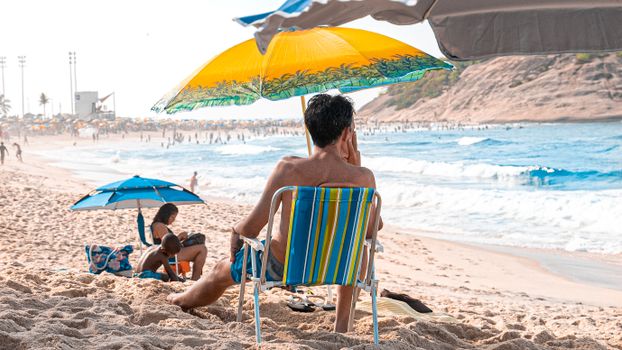
Many travelers plan trips around the peak months of June, July and August, when beaches, museums and popular viewpoints can feel crowded. September often offers a different experience. In many parts of the northern hemisphere, the weather remains warm, the sea is still swimmable on the coast, and many families have returned to school. That combination can mean shorter queues, easier restaurant bookings and a slower pace. This guide explains why late-summer travel in September can work well, which types of destinations often suit it, and what to check before booking.
Why September can feel different
Crowd patterns follow school calendars, public holidays and the timing of seasonal events. In many European countries, school summer holidays end in late summer, which reduces family travel after the first weeks of September. Some attractions also shorten their busiest periods or change to autumn schedules. Weather, however, varies widely. Coastal areas can stay warm, while inland mountains may already be cooler. Sea temperatures often remain pleasant for a while after the summer peak, though the exact conditions depend on the region and the year.
Because conditions differ, it is best to treat September as a shoulder season rather than a guarantee. Check recent weather information and local event calendars rather than relying on general descriptions.
Coastal regions and islands
Mediterranean coasts and islands are among the most popular options for a late-summer trip. Many coastal towns in Italy, Spain, Greece and Croatia remain open, and some ferry and boat routes continue to run, although schedules may reduce after the peak. Smaller villages often feel calmer than major resorts. Booking accommodation a few weeks ahead is still sensible, since popular areas can fill during weekends and festivals.
Some islands have their own rhythms. Certain services may wind down in late September, so check opening times and transport links before you plan a day trip. Walking routes along the coast often feel more pleasant in the cooler hours of the morning and late afternoon.
Mountains, lakes and countryside
Mountain regions often become quieter once summer hiking traffic eases, and early autumn can bring clear air and fewer visitors on popular trails. Lake districts may offer warm afternoons and lighter boat traffic. Rural areas and wine regions can be especially rewarding in September, when harvest activity may be visible in some places, although the timing depends heavily on the grape or crop and the weather in a given year.
Plan for changeable conditions. Higher altitudes can be cold and windy, and some mountain huts or trails may reduce their services once the main season ends. Carry layers and check route information before heading out.
Cities with a quieter feel
Major cities are rarely empty, but many feel less crowded in September, especially once the main tourist season has ended. Museums, galleries and historic sites may have shorter queues on weekdays. Cultural events and festivals often return after the summer break, so September can also be a good time for performances and exhibitions. Check whether your visit coincides with a national holiday or a big event, since these can change crowd levels quickly.
Hotel prices may also vary across the month. Booking early is still useful, but it can be worth comparing dates, since availability and rates often change after the first weeks of September.
Practical tips
- Check local school holiday dates for your destination and the countries your fellow travelers come from.
- Look up typical weather for the specific region, not just the country, and pack for both warm and cool days.
- Confirm opening hours for attractions, ferries and restaurants, since some reduce services after the peak.
- Book accommodation and key experiences in advance, especially for weekends and local festivals.
- Consider travelling midweek to reduce crowds at popular sites.
- Build flexibility into your plans so that you can adapt to weather or changes in schedules.
Common mistakes to avoid
A common mistake is packing only for summer heat. Evenings can turn cool quickly, particularly in mountains and on open coasts, so layers help. Another error is trying to fit too many outdoor plans into a single day, when shorter days and cooler evenings can limit what is practical. Travelers also overlook daylight, which shortens noticeably through the month and affects hikes and sightseeing plans. Choosing a destination only for its typical brochure weather can be risky, since local conditions vary from year to year. Visitors may also book the first available accommodation without comparing the surroundings, missing quieter neighbourhoods that suit them better. Checking the details for your specific dates avoids most disappointments.
Who this suits and who it doesn't
September suits travelers who enjoy warm days with a calmer rhythm, and it can be appealing to people who prefer walking tours, museums and relaxed meals. Couples and solo travelers often find it easier to secure reservations. Those who enjoy autumn produce, markets and harvest-related events may find the month especially rewarding. It may be less suitable for travelers who depend on peak-season entertainment, late-night transport or a full programme of seasonal beach clubs and events. Visitors sensitive to heat or sun may still find early September challenging in some regions. Families with school-age children will need to consider their own calendar, since crowd patterns depend on local holidays and routines.
Frequently asked questions
Is the sea still warm in September? It often remains pleasant on many coasts for a while, but temperatures vary by region and year, so check current figures before you go.
Is September good for hiking? Often, since trails may be less busy. Weather and daylight should still be checked closely for each route.
Will restaurants and attractions be open? Most major venues remain open, but some seasonal places close, so check ahead for the places you want to visit.
September is a practical choice for travelers who want warmth, quieter streets and a slightly more relaxed pace. It is not a promise of perfect weather or empty destinations, and conditions depend on the region, the year and local events. Careful research into school calendars, transport schedules and local conditions will help you find the balance that works best for your trip.