Summer Sanity: 7 Mind-Blowing Destinations to Ditch the Crowds and Discover Pure Magic
I remember it like it was yesterday: August in Santorini. The iconic white-washed villages, the azure caldera views… it was supposed to be a dream. Instead, it was a sardine can. Every sunset spot was a battleground for elbow room, every charming alleyway a human traffic jam, and every picture-perfect moment was photobombed by dozens of other eager tourists. My "romantic escape" quickly turned into a "stressful endurance test."
That experience, while beautiful in its own right, solidified a core belief for me: the most profound travel experiences often lie just beyond the well-trodden path. Summer, with its long days and vibrant energy, is prime time for adventure, but it’s also peak season for crowds and inflated prices at popular spots.
But what if I told you there’s another way? What if you could experience the magic of summer travel – the warm sun, the vibrant culture, the breathtaking landscapes – without the endless queues, the selfie-stick armies, and the feeling of being just another face in the crowd?
Over years of crisscrossing the globe, seeking out authentic experiences and unspoiled beauty, I've compiled a list of destinations that defy the typical summer rush. These are places where you can breathe, explore, connect, and truly feel the world around you. They're diverse, they're captivating, and yes, they will absolutely blow your mind.
Ready to trade the tourist traps for true travel nirvana? Let's dive in.
---
1. Albania's Riviera: The "New Greece" Without the Price Tag (or the Crowds)
Why it's a crowd-free gem: While its neighbors like Greece, Italy, and Croatia burst at the seams, Albania's Ionian coastline remains a relatively undiscovered paradise. It's got the same stunning turquoise waters, pristine beaches, and ancient ruins, but with a fraction of the tourists and prices.
My first trip to the Albanian Riviera was a revelation. I'd heard whispers, seen a few photos, but nothing prepared me for the sheer beauty. Imagine driving along a winding coastal road, the Ionian Sea sparkling below, past olive groves and tiny villages, with breathtaking vistas around every bend. It felt like stepping back in time, to a Mediterranean that existed before mass tourism took over.
What to do:
- Relax on pristine beaches: Dhermi, Jale, Gjipe, and Ksamil offer crystal-clear waters perfect for swimming and sunbathing. Gjipe Beach, nestled at the end of a canyon, is particularly stunning and requires a short hike or a boat ride, keeping the crowds minimal.
- Explore historic sites: Visit the ancient city of Butrint, a UNESCO World Heritage site with Greek, Roman, Byzantine, and Venetian ruins, set amidst a beautiful natural park.
- Discover charming towns: Wander through the stone streets of Himara, enjoy fresh seafood in Sarandë, or marvel at the fortress in Porto Palermo.
- Hike the Llogara Pass: Enjoy panoramic views of the entire coastline from this dramatic mountain pass.
Personal Anecdote: One evening in Himara, after a day of exploring secluded coves, I sat at a family-run taverna right on the beach. The owner, a jovial man named Spiro, brought out plate after plate of grilled fish caught that morning, local olives, and homemade wine. There was no loud music, just the gentle lapping of waves and the laughter of a few local families. It was simple, authentic, and utterly perfect – a stark contrast to my Santorini experience.
Practical Tips:
- Best time to visit: Late May, early June, or September for perfect weather and even fewer people. July and August are still quieter than other Mediterranean hotspots.
- Getting there: Fly into Tirana (TIA) and take a bus or rent a car for the scenic drive south, or fly into Corfu (CFU) and take a short ferry to Sarandë.
- Accommodation: From budget-friendly guesthouses (around €25-40/night) to boutique hotels (€60-100/night). Many offer sea views for a fraction of what you'd pay elsewhere.
- Budget: Albania is incredibly affordable. You can easily enjoy delicious meals for €5-10 and a full day of activities for under €50.
Instagram-worthy spots: The turquoise waters of Gjipe Beach, the ruins of Butrint, and any sunset view along the Himara coastline.
---
2. The Azores, Portugal: Europe's Volcanic Wonderland of Green and Blue
Why it's a crowd-free gem: This remote archipelago in the middle of the Atlantic is often overlooked for mainland Portugal's beaches and cities. But for nature lovers and adventure seekers, the Azores offer a dramatic, unspoiled landscape of volcanic craters, lush forests, hot springs, and vibrant flora, all without the tourist masses.
The first time I landed on São Miguel, the largest island, I felt like I'd stepped onto another planet. Emerald green hills rolled into dramatic cliffs, crater lakes shimmered in impossible shades of blue and green, and steam rose mysteriously from the earth. It was raw, powerful, and utterly breathtaking.
What to do:
- Hiking: Explore a vast network of trails, from coastal paths to routes around volcanic lakes. The Sete Cidades caldera offers iconic views.
- Whale and dolphin watching: The Azores are one of the world's best spots for marine wildlife, with sperm whales, pilot whales, and several dolphin species common year-round.
- Soak in natural hot springs: Furnas and Terra Nostra Park on São Miguel offer incredible thermal baths, some heated by volcanic activity.
- Canyoning and kayaking: Explore waterfalls and hidden lagoons.
- Taste local cuisine: Try cozido das Furnas, a stew cooked in underground volcanic vents, and fresh seafood.
Personal Anecdote: I once hiked to the top of Pico Mountain on Pico Island, Portugal's highest peak. We started before dawn, trekking through volcanic rock under a sky dusted with a million stars. Reaching the summit as the sun rose, casting long shadows over the surrounding islands poking through the clouds, felt like standing on the edge of the world. It was a moment of pure, unadulterated awe, shared only with my small hiking group and the vast Atlantic.
Practical Tips:
- Best time to visit: June to September offers the warmest weather and calmest seas, ideal for hiking and water activities. Even in peak summer, the islands feel spacious.
- Getting there: Direct flights are available from major European cities and the US (e.g., Boston, Toronto). SATA Azores Airlines connects the islands.
- Accommodation: Charming guesthouses, rural tourism homes, and eco-lodges are abundant, ranging from €40-120/night.
- Budget: Mid-range. Meals are reasonable (€10-20), and many activities (hiking, hot springs) are low-cost. Car rental is highly recommended for exploring.
Instagram-worthy spots: The twin lakes of Sete Cidades, the vibrant green tea plantations of Gorreana, and the steam vents of Furnas.
---
3. Slovenia: Europe's Green Heart, Beyond Lake Bled
Why it's a crowd-free gem: While Lake Bled draws its fair share of visitors (and rightly so, it's stunning!), the rest of Slovenia remains gloriously uncrowded, especially in summer. This small, incredibly diverse country offers Alpine peaks, emerald rivers, mysterious caves, charming medieval towns, and a tiny slice of Adriatic coastline – all packed into a manageable size.
My first foray into Slovenia was almost accidental. I was looking for a break from the usual Central European circuit and stumbled upon photos of the Soča River. The moment I saw that impossibly turquoise water, I was hooked. What I found was a country committed to sustainability, bursting with natural beauty, and filled with incredibly welcoming people.
What to do:
- Adventure in the Soča Valley: Kayak, raft, or hike along the stunning emerald Soča River. This area is an outdoor enthusiast's dream.
- Explore Triglav National Park: Hike in the Julian Alps, visit the stunning Lake Bohinj (a quieter alternative to Bled), and discover hidden waterfalls.
- Visit Ljubljana: Europe's green capital is a charming city with a castle, riverside cafes, and a relaxed atmosphere. It's perfectly walkable and vibrant without being overwhelming.
- Discover Škocjan Caves: A UNESCO site, these massive underground canyons are truly jaw-dropping and less crowded than the more famous Postojna Cave.
- Cycle through vineyards: The Goriska Brda wine region offers beautiful rolling hills and delicious local wines.
Personal Anecdote: One afternoon, after a challenging hike in Triglav National Park, my partner and I stopped at a small mountain hut. We ordered štruklji, a traditional Slovenian rolled dumpling, and local beer. The hut was simple, rustic, and filled with the scent of woodsmoke. We sat on a worn wooden bench, gazing out at the towering peaks, and felt an immense sense of peace and accomplishment. It was a moment of pure, unpretentious joy, far removed from any bustling tourist spot.
Practical Tips:
- Best time to visit: June to September offers warm weather perfect for outdoor activities. Even in August, you'll find plenty of space.
- Getting there: Fly into Ljubljana (LJU). Slovenia is small enough to navigate by car, bus, or train.
- Accommodation: From charming guesthouses and farm stays (€30-60/night) to boutique hotels in Ljubljana (€80-150/night). Camping and glamping options are also popular in the national park.
- Budget: Mid-range. Food and activities are generally more affordable than Western Europe.
Instagram-worthy spots: The impossibly clear waters of the Soča River, the iconic island church of Lake Bled (early morning for fewer people!), and the dragon bridge in Ljubljana.
---
4. Hokkaido, Japan (Summer): A Lush Escape from the Heat and Hordes
Why it's a crowd-free gem: When most people think of Japan, they picture Tokyo's neon glow or Kyoto's ancient temples. While these are incredible, they're also sweltering and packed in summer. Hokkaido, Japan's northernmost island, offers a completely different summer experience: cooler temperatures, vast lavender fields, stunning national parks, and delicious local produce, all with significantly fewer international tourists.
My summer trip to Hokkaido was a revelation. After experiencing the intense humidity of Tokyo, landing in Sapporo felt like a breath of fresh, cool air. The landscape was a vibrant tapestry of greens and purples, completely unlike anything I'd seen in the rest of Japan. It felt like a secret garden, vast and serene.
What to do:
- Flower fields of Furano and Biei: Witness breathtaking lavender fields, sunflower patches, and rainbow-colored flower farms. July is peak lavender season.
- Daisetsuzan National Park: Japan's largest national park offers incredible hiking, volcanic landscapes, and opportunities to spot wildlife.
- Sapporo: Explore Japan's beer capital, visit the Sapporo Beer Garden, and wander through Odori Park.
- Otaru: A charming canal city known for its glassworks, music boxes, and fresh seafood.
- Onsen (hot springs): Relax in traditional Japanese hot springs, especially in areas like Noboribetsu.
- Foodie paradise: Indulge in fresh seafood (especially crab and sea urchin), ramen, dairy products, and seasonal fruits.
Personal Anecdote: I rented a small car and drove through the patchwork hills of Biei. The road twisted and turned through fields of green, yellow, and purple, with solitary trees standing sentinel against the vast sky. I pulled over countless times, just to breathe in the crisp air and marvel at the tranquility. It was a moment of pure, unadulterated freedom, far removed from the bustling Japanese cities I knew. I even stopped at a small roadside stand for the freshest, sweetest melon I’ve ever tasted.
Practical Tips:
- Best time to visit: July and August for the flower fields and warm (but not scorching) weather.
- Getting there: Fly into New Chitose Airport (CTS) near Sapporo. Renting a car is highly recommended for exploring the rural areas. JR Pass covers trains within Hokkaido.
- Accommodation: A mix of hotels, traditional ryokans, and guesthouses. Prices range from ¥5,000-15,000 (€30-100) per night.
- Budget: Mid-range to high, similar to other parts of Japan, but activities like visiting flower fields are often free or low cost. Food can be very reasonable if you eat locally.
Instagram-worthy spots: The "Patchwork Road" in Biei, the blue pond (Aoiike), and the vibrant lavender fields of Farm Tomita in Furano.
---
5. Newfoundland & Labrador, Canada: Rugged Beauty on the Edge of the World
Why it's a crowd-free gem: This easternmost province of Canada is a land of dramatic coastlines, ancient fjords, icebergs, puffins, and a unique, vibrant culture. While it has its peak season, it’s vast enough that you'll always find solitude, and its remote location keeps the sheer volume of tourists lower than other Canadian hot spots.
My trip to Newfoundland was an adventure into the truly wild. The landscape felt ancient, sculpted by glaciers and the relentless Atlantic. The people were some of the friendliest I've ever met, with a distinct dialect and a warmth that instantly made me feel at home. It’s a place that gets under your skin and stays there.
What to do:
- Iceberg Alley: In early summer (May-July), witness colossal icebergs floating down from Greenland. Twillingate and St. Anthony are prime viewing spots.
- Puffin and whale watching: Thousands of puffins nest on Witless Bay Ecological Reserve, and humpback whales frequent the coastal waters.
- Gros Morne National Park: A UNESCO World Heritage site, offering incredible hiking, boat tours through fjords (like Western Brook Pond), and unique geological formations.
- Explore St. John's: The colorful capital city boasts Jellybean Row houses, Signal Hill historic site, and a lively pub scene.
- Hike the East Coast Trail: A network of rugged coastal paths offering breathtaking views and opportunities to spot whales.
Personal Anecdote: I was on a small boat tour off the coast near Twillingate, hoping to spot an iceberg. The fog was thick, giving everything an ethereal, mysterious quality. Suddenly, the boat captain cut the engine, and through the swirling mist, a colossal, shimmering blue iceberg emerged, silent and majestic. It was far larger than I ever imagined, an ancient leviathan slowly drifting by. The silence on the boat was profound, broken only by the gentle lapping of waves. It was a moment of raw, humbling beauty.
Practical Tips:
- Best time to visit: June to August for the best weather, iceberg viewing (early summer), and wildlife. Even in peak season, the vastness prevents overcrowding.
- Getting there: Fly into St. John's (YYT) or Deer Lake (YDF) for Gros Morne. Renting a car is essential for exploring.
- Accommodation: B&Bs, guesthouses, and hotels are available, ranging from CAD$80-200 (€55-140) per night. Cabins in national parks are also an option.
- Budget: Mid-range. Activities like boat tours can add up, but natural beauty is free. Food is hearty and delicious.
Instagram-worthy spots: The colorful Jellybean Row houses in St. John's, the towering cliffs of Gros Morne's Western Brook Pond, and any iceberg you manage to capture!
---
6. Kyrgyzstan: Central Asia's Mountainous Heart, an Ode to Nomadic Life
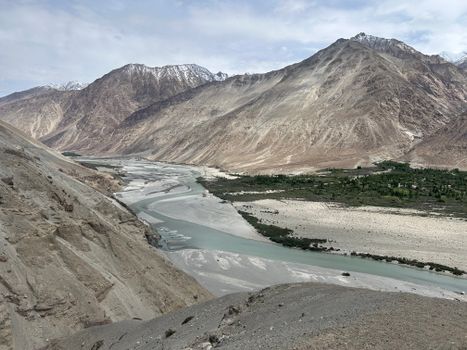
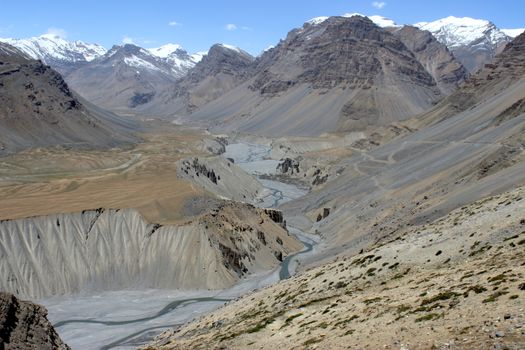
Why it's a crowd-free gem: For the truly adventurous soul seeking an experience far removed from Western tourism, Kyrgyzstan is an absolute marvel. This landlocked Central Asian nation is 90% mountains, offering pristine alpine lakes, vast high-altitude pastures (jailoos), and a rich nomadic culture. In summer, the weather is perfect for trekking and experiencing yurt life, and you'll share the trails mostly with local shepherds and fellow intrepid travelers.
My journey through Kyrgyzstan felt like stepping into a National Geographic documentary. I spent days on horseback, traversing vast, silent landscapes, sleeping in yurts under a canopy of a million stars, and sharing tea with nomadic families. It was physically demanding at times, but utterly soul-enriching, a true detox from modern life.
What to do:
- Trek to Song-Köl or Issyk-Köl: These stunning alpine lakes offer incredible hiking, horseback riding, and opportunities for yurt stays with local families.
- Horseback riding: Embrace the local mode of transport and explore the vast landscapes on horseback.
- Experience nomadic life: Stay in a traditional yurt, learn about Kyrgyz culture, and try kumis (fermented mare's milk).
- Ala-Archa National Park: A popular spot for day hikes from Bishkek, offering dramatic mountain scenery.
- Explore Karakol: A charming town near Issyk-Köl, known for its Dungan mosque and Russian Orthodox church.
Personal Anecdote: One evening, after a long day of riding through the mountains near Song-Köl, we arrived at a small yurt camp. The matriarch of the family, a woman with a kind smile and weathered hands, immediately welcomed us with hot tea and fresh bread. We spent the evening around a low table, sharing stories (through a translator) and learning about their lives. As night fell, the air grew crisp, and the sky exploded with stars – a spectacle so brilliant it brought tears to my eyes. It was a profound reminder of human connection and the simple beauty of life.
Practical Tips:
- Best time to visit: June to September for the best weather for trekking and yurt stays.
- Getting there: Fly into Manas International Airport (FRU) in Bishkek. Marshrutkas (shared taxis) are the main mode of transport, but hiring a driver or joining a tour is recommended for remote areas.
- Accommodation: Guesthouses in towns (€15-30/night), and yurt stays in the mountains (€20-40/night, often including meals).
- Budget: Very budget-friendly. Food is cheap and delicious, and activities like horseback riding are affordable.
Instagram-worthy spots: The turquoise waters of Ala-Köl lake (a challenging but rewarding trek), any yurt camp nestled in a verdant jailoo, and the dramatic mountain passes.
---
7. Dominica: The Caribbean's Nature Isle, Unspoiled and Authentic
Why it's a crowd-free gem: While many Caribbean islands are synonymous with all-inclusive resorts and crowded beaches, Dominica stands apart. Known as the "Nature Isle," it's a rugged, volcanic paradise covered in dense rainforests, dramatic waterfalls, and natural hot springs. It's not a typical "beach vacation" destination, which keeps the mass tourism at bay, even in summer.
My first visit to Dominica was after a whirlwind trip through some of the more developed Caribbean islands. Dominica was a breath of fresh, humid air. It was wild, untamed, and felt incredibly authentic. The lushness of the vegetation was almost overwhelming, and the sounds of the rainforest were a constant, soothing symphony.
What to do:
- Chase waterfalls: Hike to Trafalgar Falls, Emerald Pool, and the stunning Middleham Falls.
- Boiling Lake: Embark on a challenging but rewarding hike to the world's second-largest boiling lake.
- Snorkel Champagne Reef: Swim through effervescent waters where volcanic vents release bubbles, creating a unique underwater experience.
- Kalinago Territory: Visit the home of the indigenous Kalinago people, learning about their culture and traditions.
- Whale watching: Dominica is a year-round home to sperm whales, making it one of the best places in the world to see them.
- Relax in natural hot springs: Discover secluded sulfur springs and mud baths.
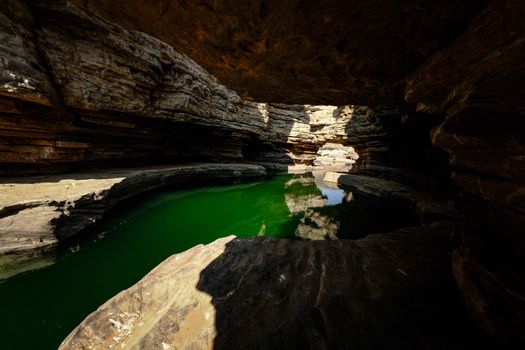
Personal Anecdote: After a strenuous hike to the Emerald Pool, a small, vibrant green pool fed by a waterfall, I decided to cool off. The water was surprisingly chilly, a refreshing contrast to the humid jungle air. I floated on my back, gazing up at the canopy of trees, the sounds of the forest echoing around me. It was a moment of pure, sensory immersion, a reminder of how powerful and rejuvenating nature can be when you allow yourself to truly be present.
Practical Tips:
- Best time to visit: While June to November is technically hurricane season, early summer (June/July) can offer lush landscapes and fewer tourists. The island is less affected than others by hurricanes, and storms are often brief. December to May is drier but slightly busier.
- Getting there: Fly into Douglas-Charles Airport (DOM). Direct flights are limited, often requiring a connection through other Caribbean islands (e.g., Barbados, Puerto Rico).
- Accommodation: Eco-lodges, guesthouses, and small boutique hotels are common, ranging from €50-150/night.
- Budget: Mid-range. Activities are often nature-based and low-cost. Food is fresh and delicious.
Instagram-worthy spots: The vibrant green Emerald Pool, the dramatic cliffs of Titou Gorge, and any of the countless waterfalls hidden in the rainforest.
---
Your Summer, Your Adventure: Practical Tips for Unforgettable, Crowd-Free Travel
Now that your wanderlust is officially ignited, here are a few actionable tips to make your crowd-free summer escape a reality:
- Embrace Shoulder Season: Even for these lesser-known gems, late spring (May/early June) and early fall (September) often offer the sweet spot of great weather and even fewer people.
- Go Local: Choose locally-owned guesthouses, eat at family-run restaurants, and use local guides. Not only does this support the community, but it also provides a more authentic and often less crowded experience.
- Rent a Car (Responsibly): For many of these destinations, having your own wheels opens up remote areas and allows you to explore at your own pace, away from tour buses. Always research local driving laws and road conditions.
- Pack Smart: Be prepared for diverse climates and activities. Layers are your friend, as are good hiking shoes, a reusable water bottle, and a sense of adventure!
- Learn a Few Phrases: A simple "hello," "thank you," and "please" in the local language goes a long way in connecting with people and showing respect.
- Be Flexible: Off-the-beaten-path travel often comes with unexpected detours or changes. Embrace them! They often lead to the best stories.
- Digital Detox (Partially): While you'll want to capture those Instagram-worthy moments, try to spend time truly present, soaking it all in without the constant need to scroll or post.
---
The Road Less Traveled Awaits
Summer travel doesn't have to mean sacrificing serenity for scenery. It doesn't mean battling for a patch of sand or queuing for hours. It means choosing adventure, embracing the unknown, and discovering places that will genuinely blow your mind.
These destinations are more than just pretty pictures; they are invitations to connect with nature, immerse yourself in vibrant cultures, and create memories that are uniquely yours. So, this summer, dare to be different. Dare to explore beyond the obvious.
Which of these incredible destinations is calling your name? Share your thoughts in the comments below, or better yet, start planning your escape! Don't forget to tag #TripsoraAdventures in your crowd-free summer pics – we can't wait to see where your wanderlust takes you!
---