The Silent Revolution on the Tracks
I stepped off the train at Milano Centrale and immediately inhaled the sharp, rich scent of freshly pulled espresso from the platform cart. There was no baggage carousel wait, no liquid restrictions, and none of the sterile, fluorescent-lit anxiety of Milan Malpensa airport. Just three hours prior, I had been sitting in the center of Rome, watching the sun hit the ancient travertine walls of the Colosseum.
This is the reality of modern rail travel. Across the globe, a quiet revolution is happening. Driven by environmental mandates, corporate travel shifts, and a collective exhaustion with the indignities of flying, high-speed rail is systematically dismantling the market for short-haul flights.
In Europe, France has actively banned domestic flights that can be completed by train in under two and a half hours. In Asia, massive infrastructure investments are turning multi-hour flight journeys into seamless, city-center-to-city-center rail sprints.
If you are still booking short-haul flights, you are wasting time, money, and peace of mind. Here are the game-changing train routes that replaced short flights emerging this year that you need to book for your next journey.
---
1. Paris to Berlin: The Sleeper and the Speedster
For years, traveling between the French and German capitals meant navigating the chaotic terminals of Charles de Gaulle and Berlin Brandenburg. This year, the game changed entirely with two major rail developments.
``` [Paris Gare de l'Est] │ ▼ (ICE Daytime / Nightjet Sleeper) [Berlin Hauptbahnhof] ```
The Nightjet Sleeper
The revitalized ÖBB Nightjet sleeper train now connects Paris Gare de l'Est directly with Berlin Hauptbahnhof. You board in Paris at 7:12 PM, enjoy a glass of Austrian Grüner Veltliner in your private compartment, sleep through the night, and wake up in central Berlin at 8:26 AM.
- Pro-Tip: Skip the standard couchette. Book the "Comfort Plus" compartment, which features a private en-suite shower, toilet, and a complimentary hot breakfast served on real porcelain.
- The Insider Secret: Tickets open for booking exactly 180 days in advance. The private sleeper compartments sell out within minutes of release, especially for weekend travel. Set a calendar alert.
The Daytime ICE Route
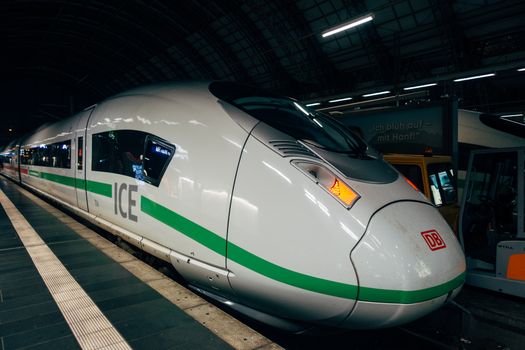
If you prefer daytime travel, a new direct ICE (Intercity Express) route is launching late this year, slashing travel times to just over seven hours. Equipped with free high-speed Wi-Fi, silent zones, and an onboard restaurant serving draft German beer and warm pretzels, it turns a travel day into a highly productive remote workday.
---
2. Madrid to Paris: The High-Speed Mediterranean Corridor
The air corridor between Madrid-Barajas and Paris-Orly is one of the busiest in Europe. However, the expansion of high-speed cooperative routes between Spain’s Renfe and France’s SNCF has made the overland journey a premier travel experience.
``` [Madrid Atocha] ────► [Zaragoza] ────► [Barcelona Sants] │ ▼ [Paris Gare de Lyon] ◄──── [Lyon] ◄──── [Perpignan] ```
Gliding out of Madrid Atocha on a sleek S-100 high-speed train, you cut through the dry plains of Aragon, slice through the Pyrenees mountains via the Perthus Tunnel, and sweep along the French Mediterranean coast before arriving at Paris Gare de Lyon.
- The Vibe: This is visual therapy. You transition from the dusty ochre landscapes of central Spain to the sparkling blue waters of the Etang de Thau (where you can spot pink flamingos from your window) to the classic limestone architecture of Paris.
- Pro-Tip: Book a seat on the upper deck of the TGV Duplex on the right side (when traveling north) for the best coastal views near Narbonne.
- The Food Hack: Don't buy the microwaved train meals. Before boarding at Madrid Atocha, visit La Melguiza (near the station) to grab artisanal saffron-infused snacks, or pack a fresh bocadillo de jamón from the station market.
---
3. Tokyo to Tsuruga: The Hokuriku Shinkansen Extension
Japan’s bullet trains are the gold standard of rail travel, and the newly opened Hokuriku Shinkansen extension has officially made domestic flights to the Fukui prefecture obsolete.
``` [Tokyo Station] ───► [Nagano] ───► [Kanazawa] ───► [Tsuruga] ```
Previously, travelers heading from Tokyo to the rugged, Zen-temple-dense Fukui region had to take a domestic flight to Komatsu Airport followed by a series of local buses. Now, the Shinkansen extends directly to Tsuruga, cutting travel time down to a seamless 111 minutes.
- The Experience: You fly past the snow-capped peaks of the Japanese Alps at 160 mph inside a train cabin that features active suspension (meaning your green tea won't even ripple).
- Pro-Tip: Book the Gran Class (the rail equivalent of International First Class). You will be served a seasonal bento box curated by Michelin-starred chefs, alongside free-flowing sake and local wines, all served by a dedicated cabin attendant.
- Local Highlight: Use this route to access the Eihei-ji Temple, one of the two main temples of the Soto school of Zen Buddhism, without the hassle of regional flight delays.
---
4. Brussels to Prague: The Bohemian Night Express
The European Sleeper, a progressive Belgian-Dutch cooperative, has extended its "Good Morning Train" service from Brussels all the way to Prague. This route connects Brussels, Amsterdam, Berlin, and Prague, effectively replacing multiple short-haul flight routes across the historic heart of Europe.
``` [Brussels] ──► [Antwerp] ──► [Rotterdam] ──► [Amsterdam] ──► [Berlin] ──► [Prague] ```
- The Route: Boarding at Brussels-South (Midi) at 7:22 PM, you can enjoy a Belgian abbey beer in the bistro car, sleep through the Dutch and German borders, and wake up to the dramatic sandstone cliffs of the Saxon Switzerland National Park as the train winds along the Elbe River valley.
- Pro-Tip: Bring a multi-plug travel adapter. While these refurbished classic carriages have been upgraded with USB ports, vintage power outlets can sometimes be temperamental.
- How to Book: Tickets can be booked directly on the European Sleeper website. Opt for the deluxe sleeper cabins which include freshly laundered linens and a washbasin.
---
5. Rome to Pompeii: The Ancient Express
For years, tourists looking to travel from Rome to the ruins of Pompeii had to fly into Naples Capodichino airport, navigate the sketchy local bus networks, or take multiple regional trains.
``` [Roma Termini] │ ▼ (Direct Frecciarossa 1000) [Pompeii Scavi] ```
This year, Trenitalia introduced a direct, high-speed Frecciarossa 1000 train running directly from Roma Termini to Pompeii Scavi.
- The Logistics: Running every Sunday, this service gets you from Rome to the gates of Pompeii in under two hours.
- Pro-Tip: The train features onboard ticketing for the Pompeii archaeological site, allowing you to skip the massive ticket lines at the entrance gates entirely.
- Insider Detail: Book the "Executive" class. You will get a spacious leather seat that rotates 180 degrees, a high-end Italian meal designed by chef Carlo Cracco, and access to the FrecciaClub lounge at Roma Termini before departure.
---
Direct Comparison: Rail vs. Air
To prove that trains are the superior choice, let's look at the actual time-cost breakdown of Paris to Berlin on a standard Friday afternoon.
| Step in Journey | The Flight Option (Air France / EasyJet) | The Rail Option (ÖBB Nightjet / ICE) | | :--- | :--- | :--- | | Travel to Departure Point | 45 mins (Paris Center to CDG Airport via RER B) | 15 mins (Metro to Paris Gare de l'Est) | | Security & Boarding | 120 mins (Arriving early for luggage & security) | 15 mins (Walk straight to the platform) | | In-Transit Time | 105 mins (Flight time) | 480 mins (Sleeping comfortably in a bed) | | Deplaning & Baggage | 45 mins (Taxiing, passport control, carousel) | 0 mins (Walk off the train with bags) | | Travel to Destination | 40 mins (Berlin Airport to Alexanderplatz) | 0 mins (Arrive directly at Berlin Hbf) | | Total Travel Time | 5 hours, 55 minutes of high-stress transit | 8 hours of restful sleep / productive work | | Carbon Footprint | ~145 kg CO2 per passenger | ~6 kg CO2 per passenger |
---
Quick Facts & Logistics Guide
To help you plan your next flight-free adventure, here is a quick reference guide to these emerging routes.
1. Paris to Berlin (ÖBB Nightjet)
- Estimated Cost ($): $39 (seats), $105 (couchettes), $180+ (private sleeper compartments).
- Best Time to Visit: Autumn (September to November) for crisp walking weather in Berlin and fewer crowds at Museum Island.
- How to Get There: Depart from Paris Gare de l'Est; arrive at Berlin Hauptbahnhof.
2. Madrid to Paris (Renfe/SNCF)
- Estimated Cost ($): $89 - $210 depending on class and season.
- Best Time to Visit: Spring (April to June) to see the French countryside in full bloom.
- How to Get There: Depart from Madrid Atocha; arrive at Paris Gare de Lyon.
3. Tokyo to Tsuruga (Hokuriku Shinkansen)
- Estimated Cost ($): $95 (Standard), $180 (Gran Class). Covered fully/partially by the JR Pass (with a supplement).
- Best Time to Visit: Winter (December to February) for incredible seafood (Echizen crab) and snowy temple landscapes.
- How to Get There: Depart from Tokyo Station; arrive at Tsuruga Station.
4. Brussels to Prague (European Sleeper)
- Estimated Cost ($): $59 (seats), $99 (couchette), $169 (sleeper cabin).
- Best Time to Visit: Late Spring or early Autumn to avoid the heavy summer tourist rush in Prague.
- How to Get There: Depart from Brussels-South (Midi); arrive at Praha Hlavní Nádraží.
5. Rome to Pompeii (Frecciarossa)
- Estimated Cost ($): $35 (Standard), $85 (Executive).
- Best Time to Visit: Early morning departures in Spring to beat the intense midday heat at the ruins.
- How to Get There: Depart from Roma Termini; arrive at Pompeii Scavi.
---
Why the Train Wins Every Single Time
Beyond the sheer numbers, there is an intangible romance to rail travel that aviation killed off decades ago.
On a train, you are a traveler; on a plane, you are cargo. You are permitted to keep your shoes on, your laptop open, and your dignity intact. You can walk to the bistro car, strike up a conversation with a local commuter over a glass of wine, and watch the topography of a continent shift outside your window.
The next time you are planning a trip across Europe or Asia, bypass the flight search engines. Go directly to Eurail, Trainline, or the national rail operators. Your wallet, your carbon footprint, and your mental health will thank you.
---