The Hook: A Symphony of Earth and Hope
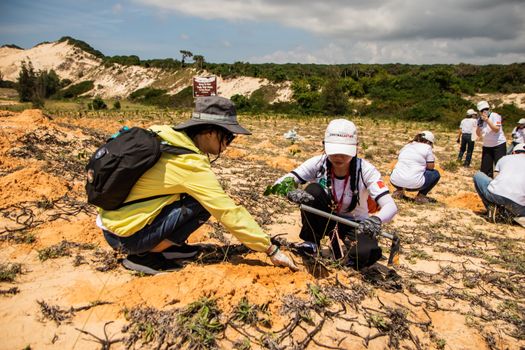
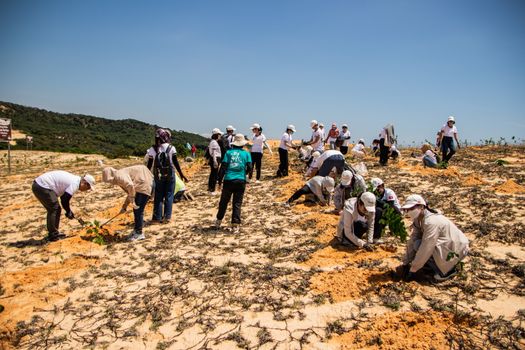
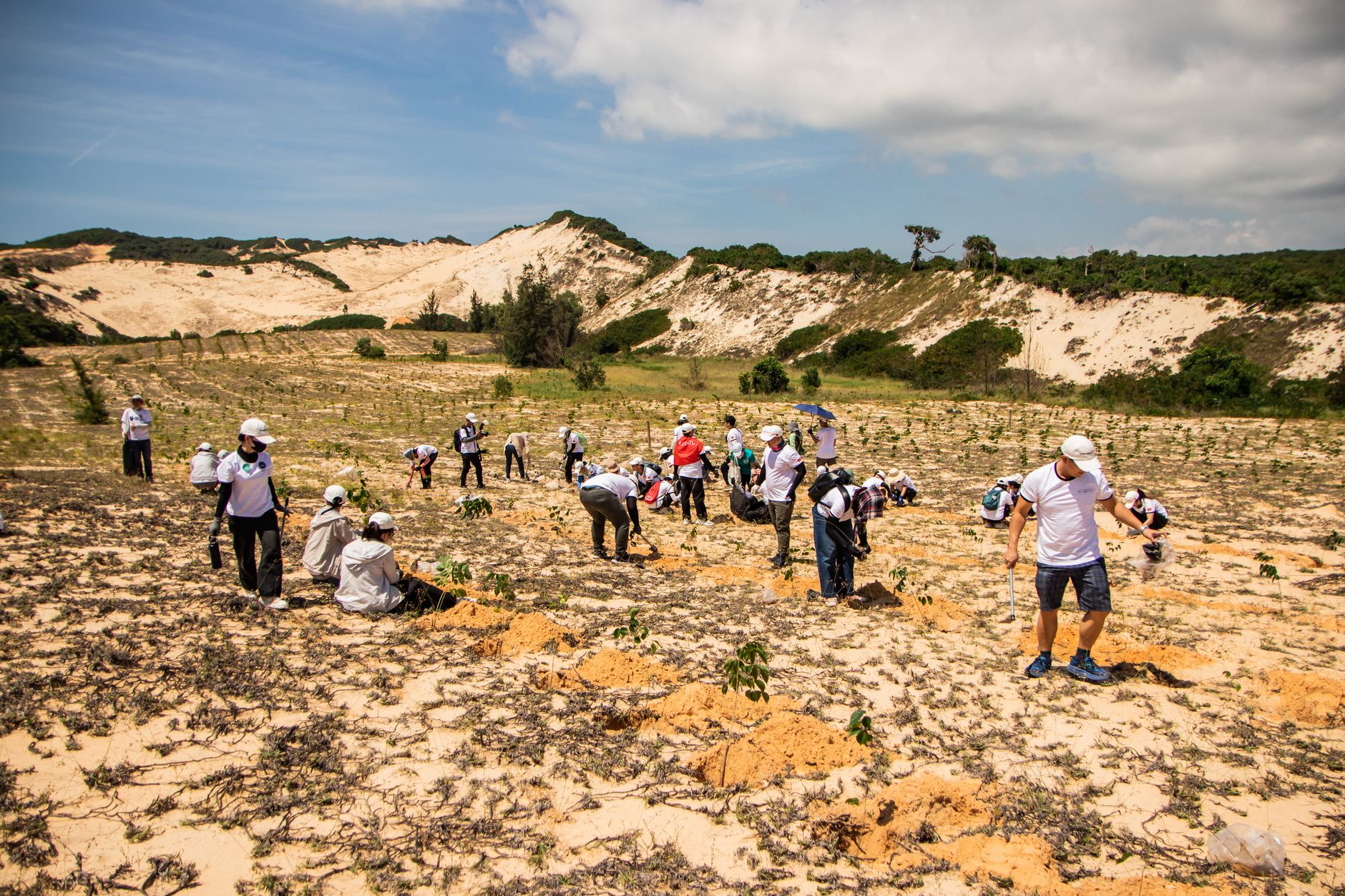
I stepped off the rickety bus, the air thick with the scent of damp earth and something wild – the unmistakable perfume of a forest fighting to reclaim itself. The cacophony of cicadas was a constant hum, punctuated by the distant call of unseen birds. This wasn't a manicured park; this was the raw, breathing heart of a region scarred by deforestation, and I was here to help mend it. The sun, still low in the sky, cast long, hopeful shadows, and in my hands, a small sapling, its roots bundled like a promise. This was more than just a trip; it was an immersion, a tangible act of defiance against environmental loss.
The Unseen Scars: Why Deforestation Demands Our Attention
Recent data paints a stark picture. The World Economic Forum reported that over a third of the Earth's land surface is degraded, impacting biodiversity, food security, and climate stability. Deforestation isn't just about losing trees; it's about losing ecosystems, displacing communities, and exacerbating climate change. Organizations like the UN Environment Programme highlight that tropical forests alone absorb billions of tons of carbon dioxide annually – a vital service we're rapidly diminishing. But the narrative isn't solely about loss; it's increasingly about restoration, and that's where you come in.
The Power of a Single Seed: Recent Data on Reforestation Impact
It's easy to feel overwhelmed by the scale of environmental challenges. However, recent research from institutions like the Yale School of Forestry & Environmental Studies consistently shows the significant positive impact of targeted reforestation efforts. A single tree, over its lifetime, can absorb a significant amount of CO2. When you multiply that by thousands, planted strategically in deforested areas, the collective impact is immense. Data from projects in Costa Rica, for instance, demonstrate not only carbon sequestration but also the vital role of reforestation in restoring biodiversity and providing sustainable livelihoods for local communities. These aren't just feel-good initiatives; they are data-backed solutions.
Choosing Your Impact: Types of Tree-Planting Trips
Not all tree-planting trips are created equal. Based on recent trends and data, here are the most impactful avenues for conscious travelers:
Community-Led Restoration Projects
These are the gold standard for authentic impact. You'll be working directly with local communities who have a deep understanding of their land and its needs. The focus here is on planting native species that support local wildlife and traditional practices.
- Insider Tip: Look for programs that explicitly state they prioritize indigenous knowledge and involve local employment. The most successful projects are those that empower the people who live there.
- Data Point: Studies show community-managed forests have higher survival rates for planted trees due to local stewardship and traditional ecological knowledge.
Biodiversity Hotspot Reforestation
Targeting areas with high biodiversity loss offers a chance to restore critical habitats. These projects often focus on planting a diverse range of species to mimic natural forest structures.
- Pro-Tip: Inquire about the specific species being planted and their role in supporting endangered local fauna. A good program will have a clear biodiversity recovery plan.
- Data Highlight: Research from organizations like the IUCN emphasizes that diverse planting strategies are crucial for long-term ecosystem resilience and biodiversity return.
Carbon Sequestration Focused Initiatives
If your primary goal is to offset your carbon footprint, some trips are specifically designed for maximum CO2 absorption. These often involve large-scale planting with a focus on fast-growing, carbon-efficient species.
- Quick Fact: While important, ensure these projects also consider local ecological benefits and don't monoculture too heavily, which can harm local ecosystems.
- Data Insight: Verified carbon offset projects often undergo rigorous monitoring and reporting, providing transparent data on the amount of CO2 sequestered.
Navigating the Green Landscape: Finding Your Perfect Trip
The world is vast, and so are the opportunities. Here’s how to zero in on a trip that aligns with your values and provides genuine impact, based on current trends:
The Amazon Basin: A Vital Frontier
- The Vibe: Imagine the humid air, the symphony of unseen creatures, and the immense scale of this life-giving rainforest. Projects here are crucial for global climate stability.
- Authenticity: Seek out programs partnered with indigenous communities. The knowledge they possess about rainforest ecology is invaluable. You might learn about medicinal plants or traditional farming techniques.
- Data Speaks: Organizations like the Amazon Conservation Association highlight the urgent need for reforestation in degraded areas to combat deforestation rates.
The Congo Basin: Africa's Green Lung
- The Feel: Another critical rainforest, the Congo Basin offers a chance to work on projects vital for regional climate regulation and supporting incredible biodiversity.
- Pro-Tip: Look for organizations working on agroforestry initiatives, which blend tree planting with sustainable farming practices, benefiting local livelihoods.
- Recent Data: Reports from WWF indicate that reforestation efforts are gaining traction, but significant investment and volunteer support are still needed.
Southeast Asia: Resilience in Action
- The Scents & Sounds: Think of the sweet scent of ripening fruit, the calls of gibbons, and the vibrant green of diverse landscapes. Countries like Indonesia and Borneo are hotspots for impactful projects.
- Insider Language: You'll likely encounter terms like "swidden agriculture" (slash-and-burn) – understanding the context helps appreciate the restoration efforts.
- Data Trend: Many successful projects in this region focus on mangrove restoration, crucial for coastal protection and marine biodiversity.
Madagascar: A Biodiversity Jewel
- The Experience: This island nation's unique biodiversity means reforestation here has a profound impact on endemic species. Expect vibrant landscapes and a rich cultural tapestry.
- What to Ask: Inquire about projects focusing on planting native trees that provide habitat for lemurs and other unique wildlife.
- Recent Findings: Conservation groups are actively working on restoring degraded spiny forests and rainforests, with volunteer support being a key component.
Your Toolkit for Impact: Practicalities and Pro-Tips
Embarking on a tree-planting trip requires a bit more than a passport and a positive attitude. Here’s your essential guide:
Quick Facts: Your Essential Cheat Sheet
| Aspect | Estimated Cost ($USD) | Best Time to Visit (General) | How to Get There | | :------------------ | :-------------------- | :--------------------------- | :------------------------------------------------------------------------------------------------------------------- | | Amazon Basin | $1500 - $3000+ | Dry season (June-Oct) | Fly into major hubs (e.g., Manaus, Brazil; Iquitos, Peru), then local transport (boat, smaller plane). | | Congo Basin | $2000 - $4000+ | Dry season (June-Aug, Dec-Feb) | Fly into major cities (e.g., Kinshasa, DRC; Brazzaville, Congo), then internal flights/ground transport. | | Southeast Asia | $1200 - $2500+ | Varies by region, often dry season | Fly into international airports (e.g., Denpasar, Bali; Kuala Lumpur, Malaysia), then domestic flights/ferries. | | Madagascar | $1800 - $3500+ | Dry season (April-Oct) | Fly into Antananarivo (TNR), then domestic flights or overland travel. |
- Note: Costs are estimates and can vary significantly based on the organization, duration, and inclusions. Always factor in flights to the gateway city.
What to Pack (Beyond the Obvious)
- Durable Work Clothes: Long sleeves and pants are essential for sun and insect protection. Think sturdy cotton or quick-dry fabrics.
- Sturdy Boots: Waterproof hiking boots are a must. Make sure they're well broken-in!
- Hat & Sunscreen: High SPF, broad-spectrum sunscreen and a wide-brimmed hat are non-negotiable.
- Insect Repellent: Look for DEET or Picaridin-based options.
- Reusable Water Bottle & Filter: Staying hydrated is key, and minimizing plastic waste is paramount.
- Small Backpack: For carrying essentials during planting days.
- First-Aid Kit: Include personal medications, blister treatment, and antiseptic wipes.
- Camera (and spare battery!): You'll want to capture the transformation.
- Journal: To record your thoughts, observations, and the incredible journey.
The Volunteer's Ethos: Beyond Just Planting
- Respect Local Culture: Learn a few basic phrases in the local language. Be open to local customs and food.
- Listen and Learn: The local guides and community members are your most valuable resource.
- Be Patient: Reforestation is a long-term game. Your contribution is a vital step in a much larger process.
- Embrace the Mud: You will get dirty. That's part of the experience and a sign of your tangible contribution.
- Document Your Impact: Share your story responsibly. Highlight the work of the local communities and the organizations.
The Ripple Effect: Your Journey's Lasting Legacy
Stepping back onto that bus, the scent of damp earth still clinging to my clothes, I felt a profound sense of accomplishment. The saplings I'd planted were small, but they represented a tangible hope. Recent data confirms that these individual actions, when aggregated, create significant ecological and community benefits. You're not just a tourist; you're a temporary steward, a contributor to a vital restoration effort. Your journey will leave a lasting green legacy, and the memories you forge will be as rich and enduring as the forests you help to grow.