The Hook: Mud, Muscle, and the Smell of Wet Earth
I stepped off the local diesel train at the edge of the Scottish Highlands, and the damp, peat-scented wind hit me like a physical force. My boots were already dark with moisture, and my shoulders ached in that deeply satisfying way that only comes from hours of manual labor.
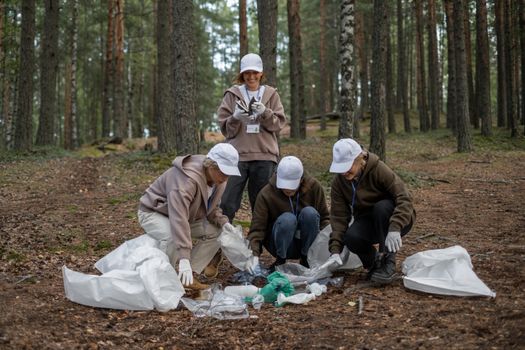
The task was simple but monumental: press a spade into the rocky, waterlogged soil, wiggle it to create a T-shaped slit, slide in a fragile, bare-root Scots pine sapling, and firm it down with my heel.
Around me, a dozen other travelers from across the globe were doing the same, our laughter muffled by the low-hanging mist. We weren't just visiting a landscape; we were stitching it back together.
For decades, travel was about "leaving no trace." But in the face of global climate anxiety and widespread habitat loss, the global traveler’s mindset has shifted. We don't just want to avoid doing harm; we want to actively heal the places we visit.
This spring, regenerative travel has officially gone mainstream. From the misty glens of Scotland to the humid coastal mudflats of Madagascar, tree-planting trips in deforested regions are the ultimate bucket-list experiences for conscious adventurers.
---
1. The New Era of Travel: Why "Regenerative" is the New "Sustainable"
For years, green travel meant reusing your hotel towels and buying carbon offsets that felt like modern-day indulgences. Travelers are increasingly skeptical of these passive measures. We want transparency, direct action, and physical connection.
Reforestation tourism offers exactly that. By physically planting native trees in critically degraded ecosystems, you are directly combatting soil erosion, restoring vital wildlife corridors, and sequestering carbon in real-time.
But these trips aren't just about hard labor. They are deeply immersive cultural exchanges. You will live alongside local conservationists, eat regional dishes prepared by community hosts, and gain an intimate understanding of the socio-economic factors that drive deforestation in the first place.
It is a chance to step off the tourist track and enter the real, beating heart of a destination.
---
2. The Scottish Highlands: Rebuilding the Ancient Caledonian Forest
``` _.-'''''''-._ .' ________ '. / /'-. .-'\ \ | | __\/__ | | RESTORING THE CALEDONIAN FOREST | | \ /\ / | | - Focus: Scots Pine, Birch, Rowan \ \ '-..' / / - Location: Dundreggan, Scotland '. '-------' .' '-._______.-' ```
The Mission: Bringing Back the Wild Wood
Once, the great Caledonian Forest covered over 1.5 million hectares of Scotland. Today, due to centuries of overgrazing by sheep and deer, alongside intensive logging, less than 1% of that original forest remains in isolated pockets.
This spring, volunteer travelers are heading to the wild glens of Inverness-shire to work with organizations like Trees for Life at their Dundreggan Rewilding Centre. The goal is to plant pioneer species like Scots pine, downy birch, rowan, and hazel to jumpstart natural forest regeneration.
The Experience: Peat, Pines, and Pubs
A typical day begins at 8:30 AM with a hearty bowl of Scottish porridge topped with local heather honey. You’ll head out in 4x4 vehicles into the rugged hillsides. The work is physically demanding—you will be traversing steep, boggy terrain, carrying bags of saplings, and using a specialized planting spade to cut through thick turf.
The reward? Standing on a high ridge looking out over a glen, knowing the saplings you planted will grow into a forest that will stand for hundreds of years. In the evenings, you’ll dry your gear by a roaring peat fire, sip single-malt whisky, and dine on stovies (a traditional potato-and-beef stew) or vegan haggis at a local pub.
- Pro-Tip: Do not skimp on your footwear. You need high-cut, fully waterproof leather hiking boots. The Scottish bog will swallow cheap trail runners in seconds.
- The Insider Secret: Visit the onsite tree nursery at Dundreggan at 4:30 PM just as the staff are winding down. If you ask nicely, the head grower might show you the ultra-rare dwarf birch saplings they are cultivating for high-altitude planting.
---
3. Brazil’s Atlantic Forest: Creating Wildlife Corridors for Endangered Primates
The Mission: Healing the Mata Atlântica
While the Amazon gets all the press, Brazil's Atlantic Forest (Mata Atlântica) is actually far more threatened. Over 88% of this hyper-biodiverse biome has been cleared for sugar cane, coffee plantations, and urban sprawl. What remains is highly fragmented, leaving species like the endangered black lion tamarin trapped in isolated "islands" of forest.
Organizations like IPÊ (Institute for Ecological Research) are leading massive corridor-planting initiatives in the Pontal do Paranapanema region to connect these fragments.
The Experience: Tropical Canopy and Community Pride
Working here in spring means embracing the heat and humidity. You’ll be planting fast-growing pioneer species like guapuruvu alongside slow-growing hardwoods like jacaranda. The soil is a rich, heavy red clay that clings to everything.
You’ll work alongside local land-reform settlers who run the community tree nurseries, providing them with vital income. Lunches are served family-style under the shade of mango trees: massive plates of feijoada (black bean and pork stew), rice, farofa, and fresh passion fruit juice.
- Pro-Tip: Bring a high-capacity hydration bladder (at least 3 liters) with electrolyte tablets. The humidity under the canopy will drain your fluids rapidly, and staying hydrated is your best defense against heat fatigue.
- The Insider Secret: Keep your ears open for the low, rhythmic call of the blue-crowned motmot. If you spot one sitting perfectly still on a branch, it’s a sign that the forest canopy is healthy enough to support native bird life.
---
4. Iceland’s Volcanic Plains: Planting Birches in the Land of Fire and Ice
The Mission: Reversing a Medieval Ecological Disaster
When the Vikings arrived in Iceland in the 9th century, the island was up to 40% forested. Within a few centuries, they had cut down almost every tree for fuel and pastureland. Combined with volcanic eruptions and a harsh subarctic climate, this triggered catastrophic soil erosion, turning vast swathes of the country into barren black deserts.
Working with Skógræktin (The Icelandic Forest Service), volunteers are planting downy birch (Betula pubescens)—the only native tree species capable of surviving the harsh Icelandic elements—to stabilize the volcanic soil.
``` +-----------------------------------------------------------------+ | ICELAND REFORESTATION LOG | +---------------------+---------------------+---------------------+ | Species Planted | Soil Type | Primary Challenge | +---------------------+---------------------+---------------------+ | Downy Birch | Volcanic Tephra | Subarctic Winds | | (Betula pubescens) | (Sandy, loose ash) | & Soil Erosion | +---------------------+---------------------+---------------------+ ```
The Experience: Glaciers, Geothermal Pools, and Midnight Sun
Planting in Iceland is a surreal, cinematic experience. You’ll be working in vast, wide-open valleys surrounded by snow-capped volcanoes and basalt cliffs. The soil is loose, sandy volcanic ash, which makes digging relatively easy, but the wind is relentless.
After a grueling day of battling the gales and planting hundreds of birch plugs, there is only one way to recover: soaking in a natural, geothermally heated river or pool, followed by a bowl of hot Icelandic lamb soup (kjötsúpa).
- Pro-Tip: Master the "hollow-planting" technique. Dig your planting hole on the leeward side of small rocks or hummocks. This micro-topography shields the fragile birch saplings from the drying, sand-blasting winds.
- The Insider Secret: The best geothermal soaking spot isn't the crowded Blue Lagoon. Head to the Secret Lagoon in Flúðir, or hunt for the unmarked hot river in the Reykjadalur valley—it's a 45-minute hike, but soaking in a warm river surrounded by steam vents is unforgettable.
---
5. Madagascar’s Mangroves: Restoring Coastal Ecosystems in Mahajanga
The Mission: Protecting the Coastline and Marine Life
Madagascar is an evolutionary wonderland, with 90% of its wildlife found nowhere else on earth. However, charcoal production and slash-and-burn agriculture have decimated its forests. Along the northwest coast near Mahajanga, mangrove forests have been heavily logged, leaving coastlines vulnerable to tropical storms and destroying the breeding grounds for local fish and crab species.
Through partners like Eden Reforestation Projects, volunteers work alongside local Malagasy communities to plant millions of mangrove propagules.
The Experience: Tidal Mud and Coastal Rhythms
This is coastal, muddy, wet work. Forget hiking boots; you’ll be wading barefoot or in old neoprene booties through warm, knee-deep estuary mud at low tide. You’ll carry bundles of long, spear-like mangrove seeds (propagules) and push them directly into the soft silt.
The atmosphere is incredibly festive—local women often sing traditional songs as they plant, their faces painted with protective masonjoany wood paste. After the tide rolls back in, you'll travel by wooden pirogue (canoe) back to camp, where you’ll feast on fresh-caught grilled fish with coconut rice and spicy lasary (tomato and onion relish).
- Pro-Tip: Wear long, lightweight bamboo-fiber shirts and pants. They dry incredibly fast, keep you cool in the tropical sun, and protect you from the voracious mangrove mosquitoes without needing heavy chemical DEET, which can harm delicate marine life.
- The Insider Secret: Look closely at the mud around your feet. You'll see thousands of tiny fiddler crabs scurrying about. Their burrowing actually aerates the soil, helping your newly planted mangrove seeds get the oxygen they need to root.
---
6. Borneo’s Peat Swamps: Healing Tanjung Puting National Park
The Mission: Saving the Home of the Orangutan
In Central Kalimantan, Indonesia, vast swathes of peat swamp forest have been drained and burned to make way for industrial palm oil plantations. This has not only released massive amounts of carbon dioxide into the atmosphere but has also pushed the critically endangered Bornean orangutan to the brink of extinction.
Volunteers working with local NGOs like the Friends of the National Parks Foundation (FNPF) help restore degraded areas within and around Tanjung Puting National Park.
The Experience: Jungle Rivers and Primate Encounters
Your journey begins aboard a klotok—a traditional two-story wooden houseboat that slowly winds its way up the tea-colored Sekonyer River. You'll sleep on deck under a mosquito net, falling asleep to the symphony of cicadas and waking to the calls of gibbons and proboscis monkeys.
The planting sites are hot, humid, and wild. You’ll be planting native ironwood (Ulin) and wild fruit trees that will eventually provide food for rehabilitated orangutans.
- Pro-Tip: Invest in a high-quality pair of leech socks. The damp peat swamps of Borneo are home to small, harmless, but highly annoying land leeches that can easily slip through the weave of standard athletic socks.
- The Insider Secret: When planting near the riverbanks, keep your eyes on the water. You might catch a glimpse of a rare false gharial (a freshwater crocodilian) sunning itself on a half-submerged log.
---
The Budget & Logistics: Planning Your Green Getaway
Planning a volunteer reforestation trip requires a bit more coordination than booking a standard beach resort. Many of these projects are run by non-profit organizations that require an application process to ensure volunteers are physically prepared for the work.
| Destination | Partner Organization | Est. Cost (Weekly) | Best Time to Visit | How to Get There | | :--- | :--- | :--- | :--- | :--- | | Scottish Highlands | Trees for Life | $500 - $800 | April to June | Fly to Inverness; take the local bus/train to Glenmoriston. | | Atlantic Forest, Brazil | IPÊ / Volunteer Latin America | $700 - $1,200 | March to May | Fly to São Paulo; take an overnight bus to President Prudente. | | Volcanic Plains, Iceland | Skógræktin / SEEDS Iceland | $400 - $700 | May to September | Fly to Reykjavík (KEF); take a regional bus to the southern plains. | | Mahajanga, Madagascar | Eden Reforestation Projects | $800 - $1,500 | April to October | Fly to Antananarivo; take a domestic flight or taxibrousse to Mahajanga. | | Borneo, Indonesia | FNPF / Orangutan Foundation | $900 - $1,600 | April to July | Fly to Jakarta, then fly to Pangkalan Bun; take a taxi to Kumai port. |
---
The Ultimate Reforestation Packing List
Before you zip up your duffel bag, make sure you have these non-negotiable eco-volunteer essentials:
- Work Gloves: High-quality, thorn-proof leather or nitrile-coated work gloves. Do not buy cheap cotton ones; they will wear through in a single afternoon.
- Biodegradable Sunscreen & Insect Repellent: Protect yourself without poisoning the local water table or delicate soil microbes. Look for reef-safe and zinc-based formulas.
- Reusable Water Bottle & Purification Tablets: You will be working far from municipal water lines. A filtered bottle like a Grayl or Lifestraw is a lifesaver.
- Quick-Dry Work Clothes: Avoid heavy denim. Opt for lightweight, ripstop nylon cargo pants and moisture-wicking synthetic or merino wool shirts that can handle mud, sweat, and frequent washings.
- A Notebook: You will meet fascinating scientists, local elders, and fellow travelers. You’ll want to write down the names of tree species, local recipes, and travel tips you gather along the way.
---
The Final Word: Planting Roots for the Future
There is an old Greek proverb that says: "A society grows great when old men plant trees in whose shade they shall never sit."
When you participate in a tree-planting trip, you are stepping out of the fast-paced, instant-gratification loop of modern life. You are investing your sweat and time into a future you may never see.
But years from now, when you look at a satellite map of the Scottish Highlands, the Brazilian coast, or the plains of Iceland, you will see a patch of vibrant green where there once was only barren earth. And you’ll know that your hands helped put it there.
That is not just travel. That is legacy.
---