Walking Holidays Through Legendary Landscapes Emerging This Year
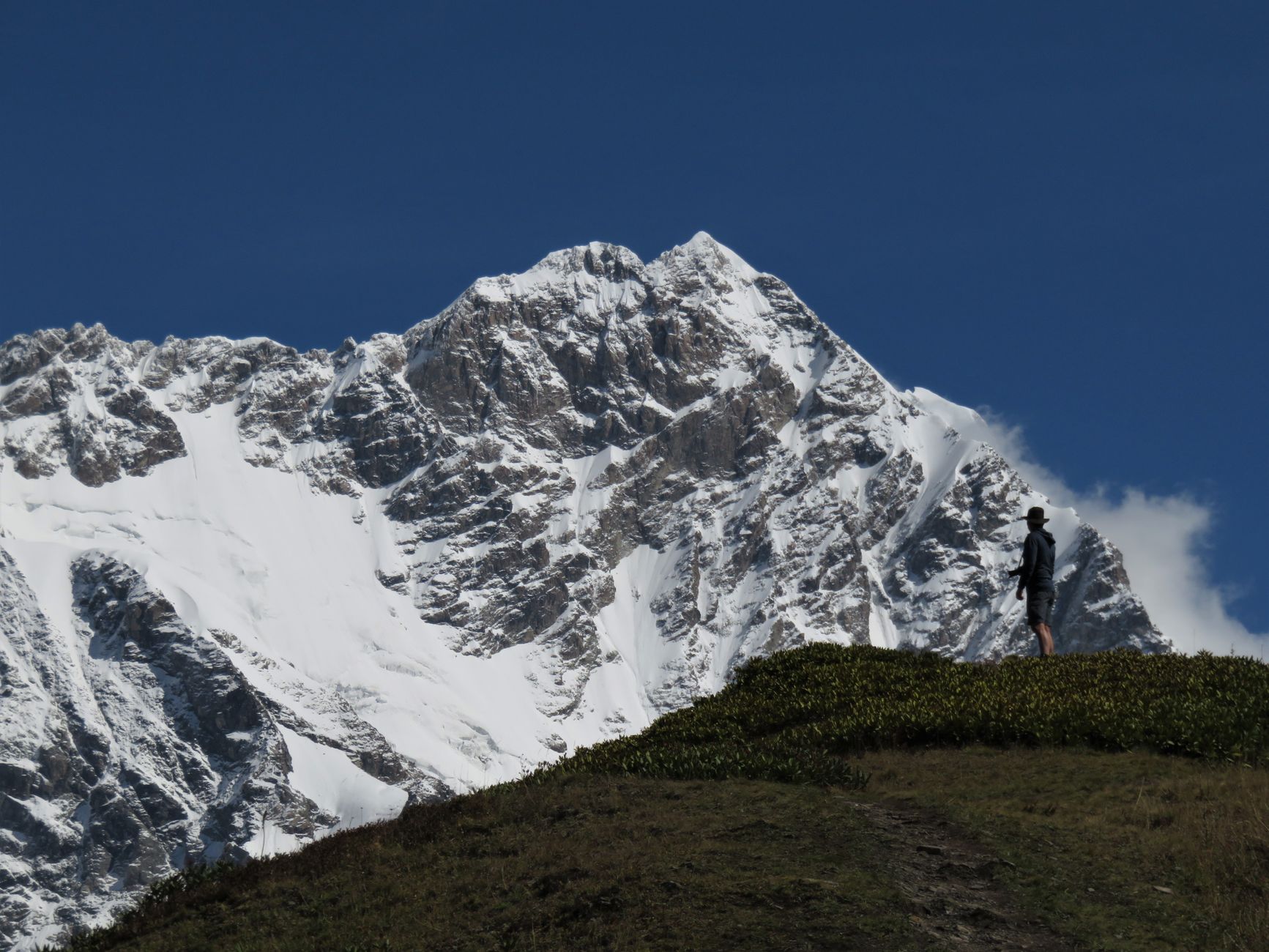
I stepped off the rattling marshrutka in Mestia, and the first thing that hit me wasn’t the crisp alpine air—it was the intense aroma of woodsmoke, wet slate, and wild mountain thyme. High above the valley, the medieval stone watchtowers of Svaneti stood like serrated teeth against the backdrop of Mount Shkhara’s glowing ice fields. My knees were already stiff from three days on the trail, but standing there, watching the morning mist peel off 4,000-meter peaks, I felt that unmistakable, addictive jolt of true discovery.
For decades, long-distance trekking has focused on a few iconic routes. But overtourism has transformed trails like the Inca Trail and the Camino de Santiago into crowded highways where you are more likely to hear bluetooth speakers than wind through the trees.
Fortunately, a quiet revolution is taking place. Across the globe, local communities, conservationists, and visionary cartographers are stitching together forgotten ancient footpaths, trade routes, and sacred pilgrimages into world-class long-distance walking routes. These emerging walking holidays deliver raw landscapes, hyper-local food, and genuine cultural immersion without the crowds.
Here are the five most legendary emerging walking holidays you need to trek this year, complete with insider logistics to help you hit the trail smoothly.
---
1. The Transcaucasian Trail: Georgia’s Untamed Alpine Frontier
``` Location: Svaneti Region, High Caucasus, Georgia Distance: ~120 km (Mestia to Ushguli section) Duration: 4–5 days Difficulty: Moderate to Challenging ```
The Experience
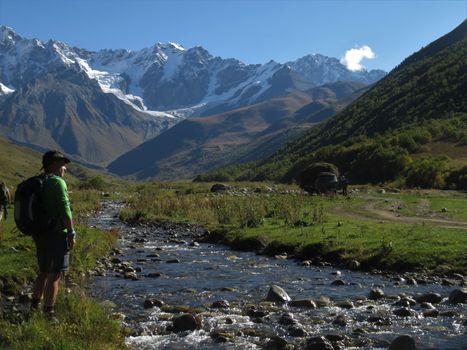
Rising along Europe’s highest mountain range, the Transcaucasian Trail (TCT) is a monumental effort to link the Black Sea to the Caspian Sea via a world-class trail network. While the full cross-border route is still developing, the crown jewel section through Georgia’s high Svaneti region is fully operational and utterly mesmerizing.
Walking here feels like stepping directly into a dark-age myth. The path weaves past glaciated 5,000-meter peaks, roaring glacial rivers, and ancient mountain villages guarded by 1,000-year-old defense towers (koshki). At night, there are no freeze-dried trail meals. Instead, family-run guesthouses feed hikers feast after feast of fresh khachapuri (cheese-stuffed bread), mountain honey, and clay pots of beef stewed with Svaneti salt—a pungent local mix of garlic, blue fenugreek, and marigold petals.
``` +------------------------------------------------------------------------+ | PRO-TIP: Crossing the Adishi River | | On Day 3 (Adishi to Iprali), you must cross the icy Adishi River. | | Glacier melt surges by noon. Arrive at the riverbank no later than | | 7:30 AM to wade across safely, or pay a local villager ~20 GEL ($7 USD)| | to ferry you across on horseback. | +------------------------------------------------------------------------+ ```
Hidden Gem
Skip the standard guesthouses in central Adishi and head to the far edge of the village to stay with the Khergiani family. Their home overlooks the collapsing icefall of the Adishi Glacier, and the grandmother makes the sharpest, most authentic homemade suluguni cheese in the valley.
---
2. The Via Dinarica White Trail: The Karst Backbone of the Balkans
``` Location: Bosnia & Herzegovina to Montenegro Distance: ~120 km (Blidinje to Sutjeska section) Duration: 7–8 days Difficulty: Challenging ```
The Experience
Spanning seven countries along the Western Balkan peninsula, the Via Dinarica celebrates the dramatic limestone peaks of the Dinaric Alps. While the entire route spans over 1,000 kilometers, the standout section cuts through the heart of Bosnia & Herzegovina into Montenegro's Durmitor National Park.
You will trek across exposed karst ridgelines, past subterranean river systems, and through primeval pine forests untouched by logging for centuries. Culturally, the trail is a living bridge between East and West. One afternoon you are sipping thick, cardamom-infused Bosnian coffee (bosanska kafa) served from a copper džezva in Lukomir—the country's highest semi-nomadic Muslim mountain village—and the next day you are sharing smoked prosciutto and goat milk with Serbian Orthodox shepherds high on the Visočica plateau.
``` +------------------------------------------------------------------------+ | PRO-TIP: Navigating Landmine Safety Zones | | While the main trail is 100% cleared and safe, NEVER wander off the | | marked path into abandoned structures in unpopulated valleys. Download | | the official Via Dinarica GPS tracks via Gaia GPS or OsmAnd app before | | setting out, as mobile cell coverage disappears in the canyons. | +------------------------------------------------------------------------+ ```
Hidden Gem
When passing through the Rakitnica Canyon, seek out the hidden trail down to the dragon-shaped Cold Creek (Studeni Potok). Legend says a mythical serpent carved the winding stream into the grassy meadow; in summer, it's the most refreshing natural foot-bath in Southern Europe.
---
3. The Fisherman’s Trail: Portugal’s Wild Atlantic Edge
``` Location: Alentejo & Algarve Coasts, Portugal Distance: 226 km (Porto Covo to Lagos) Duration: 10–13 days (or 4-day highlights) Difficulty: Easy to Moderate ```
The Experience
If your idea of a dream walking holiday involves the salt-spray of crashing surf, golden sea cliffs, and fresh seafood at the end of every leg, the Fisherman’s Trail (Trilho dos Pescadores) along Portugal’s Southwest Alentejo coast is unmatched.
Part of the broader Rota Vicentina trail network, this single-track footpath runs directly along the sheer cliffs once used by local fishermen to reach remote fishing spots. You walk over rolling coastal dunes covered in aromatic wild rockrose and ice plants, with the Atlantic churning white foam against dark basalt stacks hundreds of feet below. It is one of the rare places in the world where white storks build their giant stick-nests directly on maritime sea stacks.
``` +------------------------------------------------------------------------+ | PRO-TIP: Conquering the Deep Sand Tracks | | Nearly 60% of this trail consists of deep sand dunes. Walking in standard| | low-cut hiking shoes will leave your feet covered in painful blisters.| | Wear lightweight, mid-cut breathable trail runners paired with short | | running gaiters (like Dirty Girl or Salomon gaiters) to keep sand out. | +------------------------------------------------------------------------+ ```
Hidden Gem
In the small coastal enclave of Zambujeira do Mar, bypass the main strip of tourist restaurants. Walk three blocks inland to Tasca do Celso, an unpretentious local tavern. Order the percebes (gooseneck barnacles cooked in seawater) paired with a crisp glass of local Alentejo white wine (Verdelho).
---
4. The Kumano Kodo (Nakahechi Route): Japan’s Mystic Forest Pilgrimage
``` Location: Kii Peninsula, Kansai Region, Japan Distance: 68 km (Takijiri-oji to Nachi Falls) Duration: 4–5 days Difficulty: Moderate ```
The Experience
Along with the Camino de Santiago, the Kumano Kodo is one of only two UNESCO World Heritage-listed pilgrimage routes in the world. While western travelers have flocked to Kyoto and Tokyo post-pandemic, the sacred moss-covered trails of the Kii Peninsula remain a peaceful refuge of ancient Shinto-Buddhist spirituality.
The Nakahechi route winds through towering, scent-heavy forests of sugi (Japanese cedar) and hinoki cypress. You step over ancient, rain-slicked stone staircases (ishi-datami), passing centuries-old stone statues (Jizo) wrapped in red woven bibs to protect travelers. Each evening ends at a traditional ryokan (inn), where you soak sore limbs in natural volcanic hot springs (onsen) before sitting down to an elaborate multi-course kaiseki dinner featuring mountain vegetables, river trout, and local yuzu citrus paste.
``` +------------------------------------------------------------------------+ | PRO-TIP: Seamless Luggage Transfers (Takkyubin) | | Don't carry a heavy 50L backpack over the mountain passes. The Kumano | | Kodo Official Travel Bureau offers a seamless luggage forwarding service.| | For around 1,500 JPY ($10 USD) per bag per drop, your main luggage | | will be waiting at your next night's ryokan. Carry only a 20L daypack. | +------------------------------------------------------------------------+ ```
Hidden Gem
Just off the main trail past Tsugizakura-oji, look for a small wooden sign pointing toward Nonaka-no-Ippaisui. It is a natural mountain spring surrounded by ancient trees that has fed pilgrims for over 1,000 years. The water is crisp, mineral-rich, and locally believed to offer long life to those who drink it fresh from the bamboo spout.
---
5. The Jordan Trail: Dana to Petra via the Ancient Back Door
``` Location: Southwestern Desert, Jordan Distance: 84 km (Dana Reserve to Petra) Duration: 4–5 days Difficulty: Moderate to Challenging ```
The Experience
Dubbed the "Inca Trail of the Middle East," the Jordan Trail stretches over 650 kilometers across the entire country. But its midsection—from the high-altitude crags of the Dana Biosphere Reserve to the ancient rose-red city of Petra—was recently named by National Geographic as one of the best multi-day walks on the planet.
This path takes you through dramatic ecological zones: from Mediterranean pine forests down through red-rock canyons (wadis) to harsh, breathtaking desert plateaus inhabited by Bedouin tribes. You sleep under vast milky-way starfields in eco-camps, eat flatbread baked straight in campfire ashes, and sip hot sage tea around open acacia wood fires.
The grand finale is unforgettable: instead of entering Petra through the crowded main tourist gate, you traverse a high cliffside trail that drops down directly onto the monumental facade of Ad-Deir (The Monastery)—emerging like an explorer discovering the carved stone city for the first time.
``` +------------------------------------------------------------------------+ | PRO-TIP: Entering Petra via the Monastery "Back Door" | | When trekking into Petra from Little Petra, hit the high trail by | | 6:30 AM. You will reach the cliff edge overlooking The Monastery just | | as the golden morning sunlight hits its magnificent 45-meter high carved| | rock face—hours before the day-trippers arrive from the main entrance. | +------------------------------------------------------------------------+ ```
Hidden Gem
When camping near Feynan Eco-Lodge, ask your Bedouin guide to show you the ancient copper mines hidden in the canyon walls nearby. Dating back over 3,000 years, you can still pick up turquoise-green chunks of raw copper ore embedded right in the canyon floor.
---
Logistics & Budget Breakdown
To help you turn these epic routes into reality, here is a practical snapshot of expected costs, optimal travel windows, and access logistics:
| Trail Name | Best Time to Visit | Daily Budget (USD) | Accommodation Type | Getting There (Closest Major Hub) | | :--- | :--- | :--- | :--- | :--- | | Transcaucasian Trail (Georgia) | July – September | $45 – $65 | Mountain Guesthouses / Homestays | Fly to Kutaisi (KUT), then take a 4-hr marshrutka to Mestia. | | Via Dinarica (Bosnia/Montenegro) | June – late September | $55 – $85 | Hikers' Huts & Rural Inns | Fly to Sarajevo (SJJ); take a local private transfer to trailhead. | | Fisherman’s Trail (Portugal) | April – June / Sept – Nov | $70 – $110 | Coastal Hostels & Boutique B&Bs | Fly to Lisbon (LIS), then take a 2.5-hr Rede Expressos bus to Porto Covo. | | Kumano Kodo (Japan) | April – May / Oct – Nov | $120 – $200 | Traditional Minshuku & Ryokans | Fly to Osaka (KIX); take the JR Kuroshio train to Kii-Tanabe Station. | | Jordan Trail (Dana to Petra) | October – April | $90 – $160 | Bedouin Camps & Eco-lodges | Fly to Amman (AMM); take a 3-hr bus or private taxi south to Dana Village. |
---
Insider Trail Strategy: How to Master Emerging Routes
Walking emerging routes requires a slightly different mindset than trekking ultra-developed trails. Here is how to prepare like a pro:
1. Master Offline Navigation
Emerging trails often lack continuous paint blazes or physical trail signage. Do not rely on live cell phone service. Download offline topographical maps on Gaia GPS, AllTrails+, or FarOut weeks before your departure. Carry a lightweight, fully charged 10,000mAh power bank (like an Anker Core) in a waterproof dry-bag.
2. Embrace the Micro-Economy
On routes like the Transcaucasian Trail or Via Dinarica, carrying cash in small local denominations (Georgian Lari, Bosnian Mark) is essential. Small mountain villages rarely have credit card terminals or ATMs. Spending money directly at family-run guesthouses, buying homemade honey, and tipping local guides ensures that long-distance tourism directly benefits the remote communities preserving these trails.
3. Pack a Dynamic Layering System
Emerging walking routes often cover extreme altitude shifts. On the Jordan Trail, you might start the morning shivering in high-desert winds at 1,200 meters and spend the afternoon sweating in a 35°C (95°F) canyon floor. Pack:
- A high-wicking Merino wool base layer.
- A ultra-packable mid-layer (active insulation fleece or grid fleece).
- A breathable 3-layer waterproof shell (Gore-Tex Paclite or Pertex Shield).
---
Final Thoughts: Step Onto the Trail Less Traveled
The world’s legendary landscapes aren’t locked in dusty history books—they are waiting along the edge of the next foot-track, just past the turn where the asphalt ends.
Whether you choose to sip sage tea with Bedouin herders in Jordan's sandstone valleys, or trace the ancient footsteps of Shinto monks under Japan’s towering cedars, walking holidays offer something modern life rarely allows: the chance to slow down, disconnect from screens, and measure the earth at three miles per hour.
Lace up your boots. The world's finest emerging trails are waiting.
---