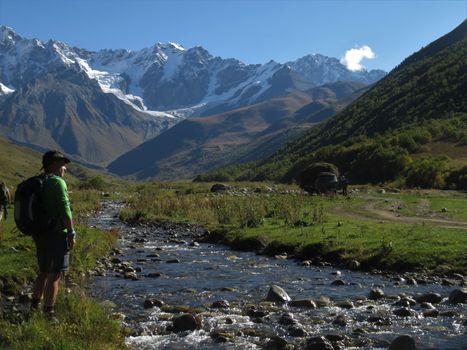
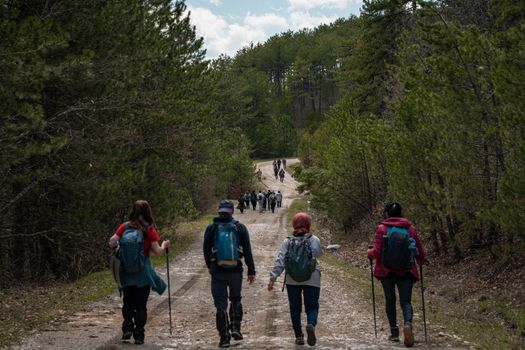
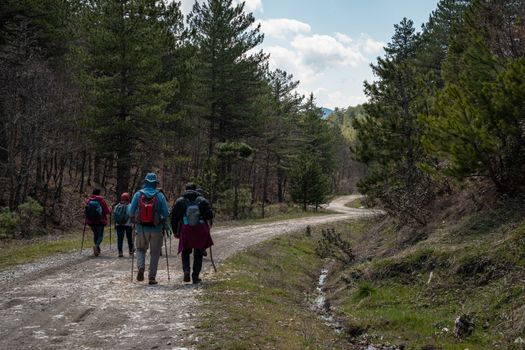
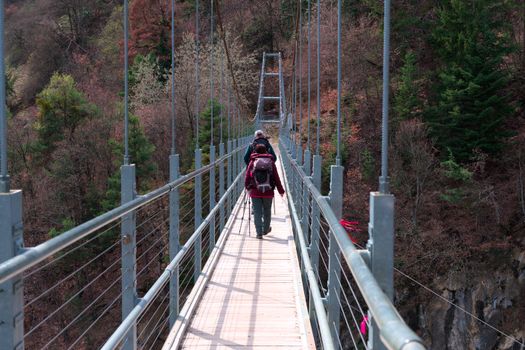
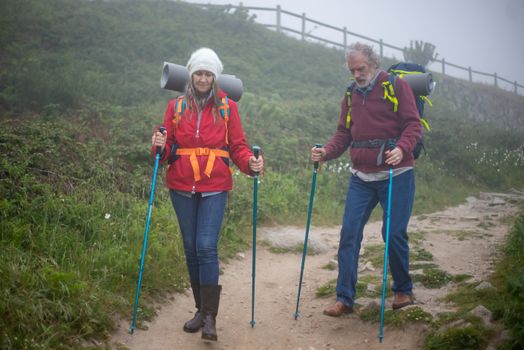
Walking holidays on long-distance routes have grown in popularity among travelers who want to see landscapes slowly and meet local communities along the way. Many routes follow historic pilgrimage paths, drovers' tracks, coastal footpaths or mountain passes, and they pass through villages, farms and towns where walkers can stop for food and rest. Some are well marked and supported by a network of accommodation, while others are more remote and require careful planning. This guide explains how to choose a route, arrange practical logistics and prepare for several days of walking.
Choosing a route that suits you
Start by considering your fitness, available time and the type of scenery you enjoy. The Camino de Santiago in Spain is one of the best-known routes, with a long history and a dense network of albergues and villages. The Cotswold Way in England offers rolling hills, honey-coloured villages and manageable daily distances. The West Highland Way in Scotland provides dramatic mountain and loch scenery, while the Lycian Way in Turkey follows a coastline with ancient ruins and clifftop paths. Compare routes by distance, elevation gain, waymarking and the availability of accommodation.
Planning accommodation and daily distances
Daily walking distances vary widely between routes, and many walkers plan stages of around ten to twenty kilometres, though this depends on terrain and fitness. Book accommodation in advance during peak periods, and consider whether you want hostels, guesthouses or hotels. On some routes, accommodation can be limited in remote sections, so plan stages around the places where you can stay and eat. Check opening times for facilities in shoulder seasons, since some services close outside the main walking months.
Luggage transfer and logistics
Many walkers use luggage transfer services, which carry bags from one overnight stop to the next while they walk with a daypack. This can make long routes far more comfortable, though availability and cost vary by route. Book transfers in advance where possible, and label bags clearly. Consider how you will get to the start and home from the end, and whether trains, buses or taxis run reliably on the days you need them.
Navigation and safety
Most long-distance routes are waymarked, but markers can be faint, obscured or moved, so carry a map or a navigation app with an offline route downloaded. Check weather forecasts each day and be prepared for rapid changes, particularly in mountain areas. Let someone know your plan, carry a basic first aid kit and understand how to call emergency services in the countries you are walking. Some routes cross remote or exposed terrain where mobile coverage can be limited.
Equipment and preparation
Good footwear is the most important item. Break in boots or shoes well before your trip, and carry blister care supplies. Pack light, with a waterproof jacket, layers, a hat and sun protection. Train with a similar pack and similar distances if possible. Many walkers find that building up gradually over several weeks reduces the risk of injury. Check whether you need travel insurance that covers walking holidays and any adventurous activities on the route.
Respecting communities and the environment
Long-distance routes pass through living communities, farmland and protected landscapes. Stay on marked paths, close gates, carry out litter and respect private property. Support local businesses where you can, and be considerate in villages and at religious sites. On pilgrimage routes, follow local customs and keep noise to a minimum in accommodation.
Practical tips
- Choose a route that matches your fitness and walking experience, and read recent official route information.
- Book accommodation and luggage transfers early, especially during peak seasons.
- Carry a map or offline navigation tool, and check the waymarking before each stage.
- Break in footwear thoroughly, and pack light with layers for changing weather.
- Check current guidance on weather, route closures and emergency contact numbers before setting out.
Common Mistakes to Avoid
A frequent error is underestimating how long each day will take. Walkers often plan distances on paper without accounting for climbs, rest stops, photographs and slow sections of trail. Building in time for unexpected delays can make the difference between an enjoyable day and a rushed, exhausting one. Another mistake is starting too far ahead of your fitness level, particularly after a period of inactivity, which can lead to injuries such as blisters, sore knees or shin pain.
Walkers also sometimes trust their phones too much. Batteries drain quickly in cold weather, and signal may disappear in valleys or forests. Carrying a paper map or downloaded route avoids being stranded. Finally, many people pack far more than they need. A heavy bag can make even gentle stages tiring, so review your kit and remove items that you are unlikely to use. Checking the weight of your pack before you set off is a simple habit that pays off over several days.
Who This Suits and Who It Doesn't
Long-distance walking holidays suit people who enjoy steady, repetitive activity and who like the rhythm of moving from one place to the next. They can be especially appealing to those who want to meet people along the way, see landscapes at a human pace and combine exercise with cultural interest. Travelers who are happy with basic or shared accommodation often find the experience more relaxed.
They may be less suitable for people with limited mobility, serious joint problems or heart and respiratory conditions that make sustained exertion risky. Those who want daily flexibility, luxury comfort or constant nightlife may find long walking days frustrating. Families with young children can still enjoy shorter sections, but the logistics and daily distances need careful planning. It is sensible to try a shorter route first, and to speak with a doctor if you have any health concerns before committing to several days of walking.
Walking holidays along long-distance routes can combine physical challenge, cultural discovery and quiet time in beautiful landscapes. Choosing a route with care, planning accommodation and logistics, and preparing your body and equipment will help the journey feel rewarding rather than exhausting. With respect for local communities and the environment, a multi-day walk can offer some of the most memorable experiences that travel has to offer.