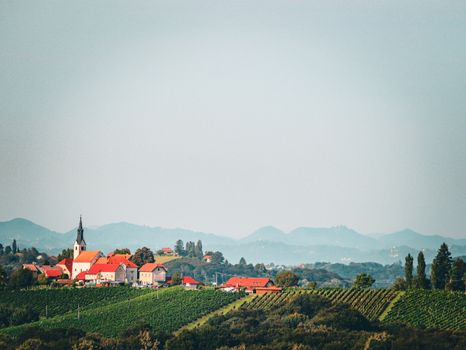
The Hook: A Whisper of Volcanic Earth and Salty Air
I stepped off the tiny propeller plane onto the tarmac, the air thick with the scent of sun-baked earth, wild herbs, and something undeniably mineral. It wasn't the rolling green hills of Tuscany or the manicured vineyards of Champagne. This was the Azores, specifically the island of Pico, and the aroma was intoxicating. The wind, carrying the salty tang of the Atlantic, whispered secrets of ancient volcanic soil and a winemaking tradition forged in fire and sea. I was here for wine, yes, but what I found was an entire world operating on its own enchanting rhythm, a wine region so unique, so profoundly itself, it felt like stumbling upon a forgotten treasure. This is the thrill of discovering wine regions no one talks about yet right now – where every sip tells a story of resilience, innovation, and pure, unadulterated passion.
H2: Beyond the Beaten Path: Why These Hidden Gems Shine
We’ve all done it. Pinned endless photos of Provence, dreamt of a Tuscan villa, or planned that pilgrimage to Burgundy. And while those classic destinations are undeniably magnificent, there’s a certain magic in venturing beyond the well-trodden path. The wine regions I’m about to unveil offer something different: authenticity. They’re places where winemakers are often still the heart and soul of the operation, where traditions are fiercely guarded but innovation is embraced with open arms, and where you’re more likely to share a tasting bench with a local farmer than a busload of tourists. These are the places where your wine journey becomes an adventure, a genuine exploration of culture, landscape, and flavour.
H3: The Allure of the Undiscovered
What makes a wine region "undiscovered"? It’s a blend of factors: a lack of mainstream media attention, a geographical remoteness, or perhaps a niche grape varietal that hasn't yet hit the global radar. But don't mistake "undiscovered" for "unsophisticated." These regions are teeming with passionate producers crafting exceptional wines. They offer a chance to connect directly with the land and the people who cultivate it, fostering a deeper appreciation for the wine in your glass.
H3: The Benefits of Going Off-Grid
- Uncrowded Experiences: Imagine private tastings, leisurely vineyard strolls, and genuine conversations with winemakers – all without the throngs.
- Exceptional Value: Often, you'll find incredible wines at prices that are simply unheard of in more established regions.
- Unique Grape Varietals: Discover indigenous grapes and unique blends you won't find anywhere else.
- Authentic Cultural Immersion: These regions are often deeply connected to their local culture, offering a richer travel experience.
H2: Pico, Azores, Portugal: The Volcanic Island Where Wine Defies the Odds
My first taste of Pico wine was a revelation. Served in a simple taverna overlooking the dramatic black lava coast, it was a crisp, mineral-driven white wine with an almost electric acidity. This was Verdelho, grown on the island of Pico, a UNESCO World Heritage site for its unique currais – small, walled vineyards built with volcanic rocks to protect the vines from the relentless Atlantic winds and sea spray.
Pro-Tip: Visit the Gruta das Torres winery for a fascinating underground tour and tasting, learning about their sustainable practices on the volcanic soil.
The landscape itself is a testament to resilience. Black lava fields stretch to the horizon, interrupted only by the geometric patterns of the currais. The air is a symphony of crashing waves and the distant calls of seabirds. Winemaking here is a Herculean effort, a daily battle against the elements. Yet, the results are wines of incredible purity, minerality, and character.
H3: What to Sip
- Arinto: A versatile white grape, producing wines that can range from zesty and light to more complex and aged.
- Verdelho: The star of the island, known for its vibrant acidity, citrus notes, and distinct minerality.
- Terrantez: An ancient grape variety, often yielding complex, aromatic wines with a good aging potential.
H3: Insider’s View: The Spirit of Pico
The winemakers here have a deep respect for their heritage and the unforgiving environment. They speak of the misterio – the mystery and magic of how vines can thrive in such seemingly hostile conditions. The currais are not just practical; they are also beautiful, creating a mosaic of black stone against the deep blue of the ocean.
Quick Facts: Pico, Azores
- Estimated Cost ($): $ (Flights can be the biggest expense, but local costs for wine and food are very reasonable).
- Best Time to Visit: May to September (pleasant weather, harvest season in late August/September).
- How to Get There: Fly into Terceira (TER) or Ponta Delgada (PDL) on São Miguel, then take a short inter-island flight to Pico Airport (PIX). Ferries also connect the islands.
H2: Georgia: The Ancient Cradle of Wine, Rediscovered
Stepping into Kakheti, Georgia, felt like stepping back in time. The air was alive with the scent of baking bread, woodsmoke, and the earthy aroma of fermenting grapes. Here, winemaking isn't just an industry; it's a spiritual practice, a tradition stretching back over 8,000 years. Georgia is, quite literally, where wine began.
Pro-Tip: Seek out a traditional qvevri (large clay amphora) wine experience. Staying at a family-run guesthouse in Sighnaghi offers an authentic immersion.
The heart of Georgian winemaking lies in the qvevri – large, buried clay vessels where grapes ferment with their skins, seeds, and stems. This ancient method produces wines with incredible depth, texture, and unique flavour profiles, unlike anything you've tasted before. The landscapes are rolling hills dotted with ancient monasteries, and the hospitality is legendary. Georgians believe that guests are gifts from God, and this warmth extends to their wine culture.
H3: What to Sip
- Saperavi: A deeply coloured, full-bodied red grape with notes of blackberry, plum, and a distinctive peppery finish.
- Rkatsiteli: A versatile white grape, often made in a qvevri style, yielding complex wines with notes of apricot, honey, and a phenolic grip.
- Kisi: Another aromatic white grape, producing wines with floral notes, citrus, and a lingering minerality.
H3: Insider’s View: The Soul of the Grape
The supra – a traditional Georgian feast – is an integral part of the wine experience. Led by a tamada (toastmaster), these feasts are long, joyous affairs filled with eloquent toasts, traditional songs, and an abundance of incredible food. It’s here you truly understand the deep connection between wine, family, and celebration.
Quick Facts: Kakheti, Georgia
- Estimated Cost ($): $ (Extremely affordable for wine, food, and accommodation).
- Best Time to Visit: Late August to October (harvest season, known as Rtveli, is a vibrant cultural event).
- How to Get There: Fly into Tbilisi International Airport (TBS). Kakheti is a 1-2 hour drive from Tbilisi.
H2: Valle de Guadalupe, Mexico: Baja's Culinary and Wine Frontier
Just a two-hour drive south of the US border, Valle de Guadalupe is a revelation. Forget dusty border towns; this is Mexico’s most exciting and rapidly evolving wine region. The landscape is a dramatic blend of arid mountains, rugged coastline, and sun-drenched valleys, dotted with avant-garde wineries and world-class restaurants.
Pro-Tip: Book dinner reservations at Finca Altozano or Olivia’s Kitchen well in advance – they're culinary destinations in themselves.
What strikes you immediately is the innovation. Wineries here are pushing boundaries, experimenting with both international varietals and lesser-known Mexican grapes. The food scene is equally vibrant, with chefs drawing inspiration from traditional Mexican flavours and infusing them with global culinary techniques. The result is a sensory explosion – bold wines paired with incredible cuisine, all set against a stunning, undeveloped landscape.
H3: What to Sip
- Tempranillo: Thrives in the warm climate, producing rich, fruit-forward wines.
- Nebbiolo: Shows incredible promise, creating elegant wines with floral and earthy notes.
- Grenache: Often produces vibrant, juicy reds perfect for pairing with local cuisine.
- Chenin Blanc: Shows fantastic versatility, yielding crisp, dry whites or luscious dessert wines.
H3: Insider’s View: The Creative Spirit
Valle de Guadalupe is a hub for artists, chefs, and winemakers. There’s a palpable sense of creative energy, a willingness to experiment and forge new paths. The architecture of the wineries often reflects this, with stunning modern designs integrated into the natural landscape. It’s a place that feels both sophisticated and wild, refined and raw.
Quick Facts: Valle de Guadalupe, Mexico
- Estimated Cost ($$): $$ (Wineries and restaurants can range from casual to high-end; accommodation options vary).
- Best Time to Visit: April to June and September to November (pleasant temperatures, beautiful light).
- How to Get There: Fly into Tijuana International Airport (TIJ) and rent a car or hire a driver. Alternatively, drive from San Diego, California, crossing the border.
H2: North Macedonia: The Balkan Gem Ignored for Too Long
Tucked away in the heart of the Balkans, North Macedonia is a wine region with an ancient pedigree and a vibrant future. The landscape is a breathtaking tapestry of rolling hills, clear lakes, and dramatic mountain peaks. This is a country that has been producing wine for millennia, yet it remains largely off the radar for international wine tourism.
Pro-Tip: Visit the Tikveš region, the heart of Macedonian wine. Explore the Stobi Winery for its impressive Roman ruins and modern winemaking facilities.
The wines here are incredibly diverse, benefiting from a favourable continental climate and a range of indigenous and international grape varietals. The hospitality is warm and genuine, and the cost of exploring this region is remarkably low. It’s a place where you can discover incredible wines, explore ancient history, and experience a culture that is proud of its winemaking heritage.
H3: What to Sip
- Vranec: The undisputed king of Macedonian red grapes, producing full-bodied, dark fruit-forward wines with firm tannins.
- Smederevka: A refreshing white grape, often producing crisp, aromatic wines with notes of green apple and citrus.
- Temjanika: A unique Muscat variety, yielding fragrant, aromatic white wines with floral and fruity notes.
H3: Insider’s View: A Legacy in Every Bottle
Macedonians have a deep-rooted connection to their wine. It’s woven into their history, their celebrations, and their daily lives. The winemakers are passionate about showcasing the unique terroir of their country, often using a blend of traditional knowledge and modern techniques. Exploring Macedonia feels like uncovering a well-kept secret, a treasure trove of flavour and culture waiting to be discovered.
Quick Facts: North Macedonia
- Estimated Cost ($): $ (One of the most budget-friendly wine destinations in Europe).
- Best Time to Visit: April to October (spring and autumn offer pleasant temperatures for exploring vineyards).
- How to Get There: Fly into Skopje International Airport (SKP). The Tikveš wine region is approximately a 1.5-2 hour drive south of Skopje.
H2: Tasmania, Australia: Cool Climate, Bold Flavours
While Australia is synonymous with warmer climate reds, the island state of Tasmania is carving out a remarkable niche for itself in the world of cool-climate wines, particularly sparkling and Pinot Noir. The landscapes are dramatic, from rugged coastlines to rolling green hills, with a refreshing, crisp air that is perfect for delicate grape varietals.
Pro-Tip: Take the scenic drive along the East Coast and stop at vineyards like Freycinet or Moorilla Estate for stunning views and exceptional wines.
Tasmania’s isolation and its southerly latitude create ideal conditions for slow ripening, allowing grapes to develop complex flavours and retain their vibrant acidity. The focus here is on quality over quantity, with many small, family-run wineries producing elegant and age-worthy wines. It’s a destination that appeals to those seeking refinement, stunning natural beauty, and wines that speak of their unique, cool-climate origins.
H3: What to Sip
- Sparkling Wine: Tasmania is renowned for its world-class sparkling wines, made in the traditional method with Chardonnay and Pinot Noir.
- Pinot Noir: Produces elegant, complex Pinot Noirs with red fruit notes, earthy undertones, and fine tannins.
- Chardonnay: Often displays purity of fruit, bright acidity, and subtle oak influence.
- Riesling: Produces crisp, aromatic Rieslings with notes of lime, floral, and mineral.
H3: Insider’s View: The Purity of Place
Tasmanian winemakers are deeply connected to their environment. There’s a strong emphasis on sustainability and minimal intervention, allowing the purity of the fruit and the unique terroir to shine through. The wines are a reflection of the island's pristine natural beauty – clean, bright, and full of character.
Quick Facts: Tasmania, Australia
- Estimated Cost ($$): $$ (Wines can be premium, and accommodation/dining reflect this, but there are options for various budgets).
- Best Time to Visit: December to April (summer and early autumn offer the warmest weather and harvest celebrations).
- How to Get There: Fly into Hobart International Airport (HBA) or Launceston Airport (LST). Renting a car is essential for exploring the wine regions.
H2: The Thrill of the Uncharted Sip
These are just a few of the wine regions no one talks about yet right now, but the world is full of them. From the high-altitude vineyards of the Andes to the sun-drenched islands of the Mediterranean, there are countless hidden gems waiting to be discovered. The next time you’re planning a trip, dare to look beyond the familiar. Seek out the stories, the passion, and the unique flavours that can only be found in the world’s most exciting, undiscovered wine regions. Your palate will thank you for the adventure.