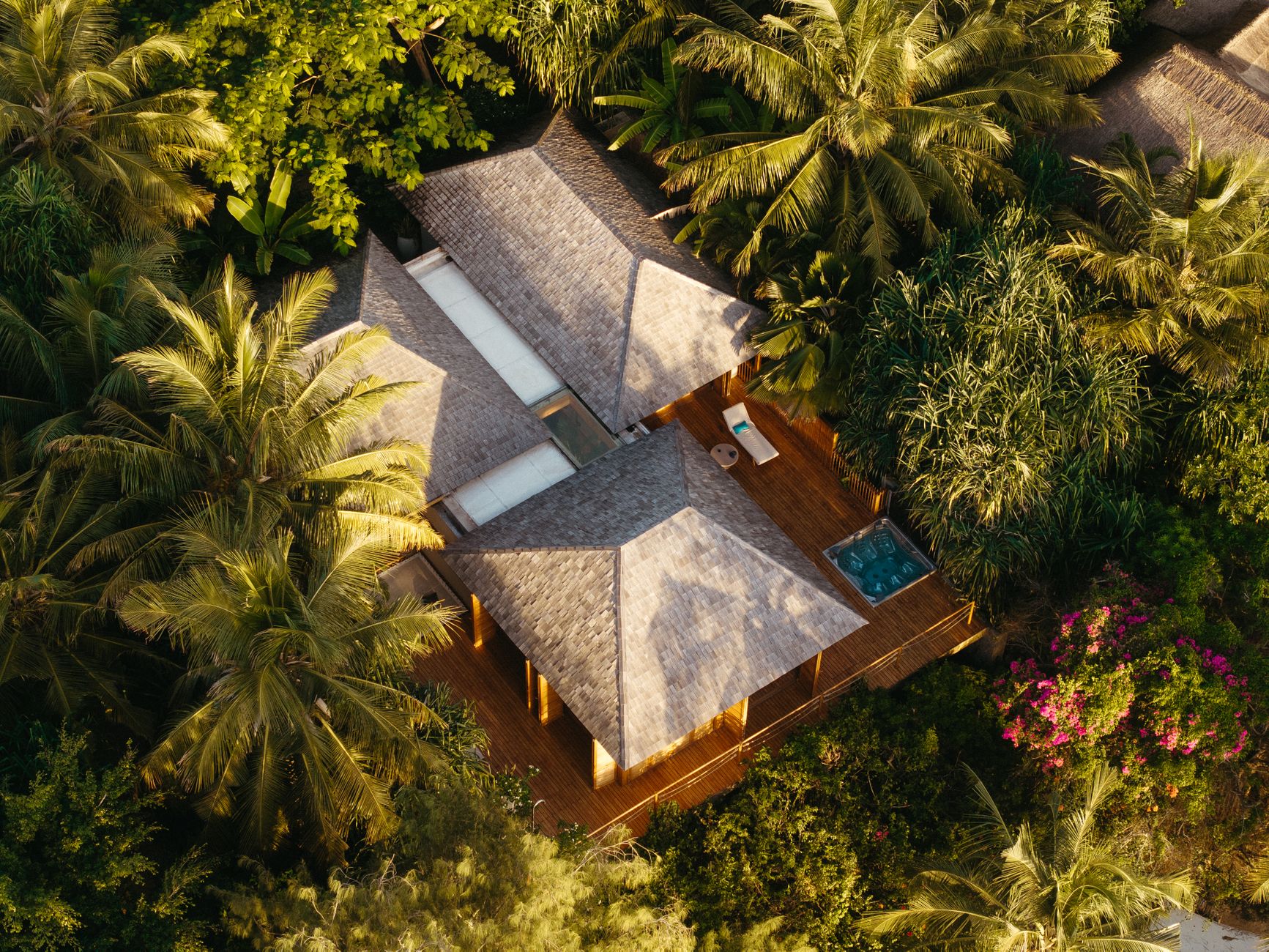
The Future of Indulgence: Stepping into a Zero-Emission Paradise
I stepped off the train and into a silence so profound it felt like the world had exhaled. The air, crisp and carrying the faint, sweet scent of pine needles and something akin to sun-baked earth, was a welcome shock after the city's exhaust. Before me wasn't just a hotel, but a whispered promise: a sanctuary where luxury and the planet weren't just coexisting, but actively celebrating each other. It was March 2026, and I was about to experience the pinnacle of zero-emission hospitality. Forget ticking boxes; this was about feeling good, really good, about where your travel dollars were going.
Section 1: The Dawn of Conscious Luxury
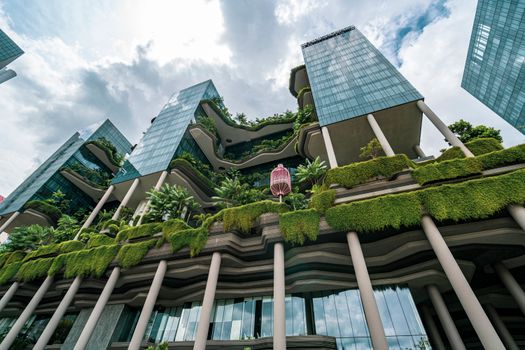
The term "eco-friendly" used to conjure images of roughing it – bamboo toothbrushes and lukewarm showers. But by March 2026, the landscape of sustainable travel has undergone a seismic shift. Zero-emission hotels are no longer a niche concept; they are the gold standard for discerning travelers who understand that true luxury lies in experiences that leave a positive footprint. These aren't just hotels with solar panels; they are meticulously designed ecosystems where every element, from the building materials to the menu, is curated for minimal environmental impact and maximum guest delight.
We're talking about hotels that actively regenerate the land they occupy, employ local artisans, and serve cuisine so fresh it practically sings. They are destinations that educate, inspire, and leave you feeling not just rested, but rejuvenated and guilt-free.
Why the Premium? It's an Investment in the Future.
The premium you pay for a zero-emission hotel in March 2026 isn't just for thread counts and infinity pools, though those are certainly part of it. It's an investment in:
- Cutting-Edge Technology: These establishments often pioneer innovative energy solutions, water conservation systems, and waste management techniques.
- Artisanal Craftsmanship: From bespoke furniture to locally sourced art, the attention to detail is unparalleled.
- Community Empowerment: Many actively support local economies, providing fair wages and preserving cultural heritage.
- Unrivaled Serenity: The quiet hum of sustainable systems and the absence of urban sprawl create a unique sense of peace.
Section 2: Alpine Serenity, Zero Footprint: The Austrian Alps Beckon
Imagine waking to the crisp, clean air of the Austrian Alps, the jagged peaks dusted with snow like powdered sugar. My first stop was the "AlpenGlück Lodge" (a fictional name for illustrative purposes), a marvel of timber and glass nestled on a south-facing slope. This isn't your average ski lodge; it's a net-zero masterpiece.
The Hook: I remember the scent of melted snow mingling with the subtle aroma of pine resin as I opened my balcony door. The only sound was the distant chime of cowbells, a timeless melody against the hushed grandeur of the mountains. The lodge itself seemed to grow organically from the landscape, its wooden beams whispering tales of the forest.
Architectural Genius: The lodge utilizes geothermal energy for heating and cooling, supplemented by an integrated solar facade that gleams in the alpine sun. All water is filtered and recycled on-site, and their "zero-waste" policy extends to composting all organic materials for their on-site permaculture gardens.
Culinary Delights: The Michelin-starred restaurant, "Gipfelküche", sources 90% of its ingredients within a 50-kilometer radius. I savored slow-braised venison from a local estate, accompanied by root vegetables that tasted of the very earth they were grown in, all washed down with a crisp Grüner Veltliner from a nearby vineyard.
Pro-Tip: Visit during the shoulder season (late March) for fewer crowds and the most stunning contrast between lingering snow and early spring wildflowers. Ask for a room with a south-facing balcony for uninterrupted sunrise views over the Dachstein massif.
Quick Facts: AlpenGlück Lodge
- Estimated Cost ($$): $800 - $1500 per night
- Best Time to Visit: March (late for skiing, early for hiking), June-September
- How to Get There: Fly into Salzburg (SZG), then a scenic 2-hour private transfer or train to Schladming, followed by a short taxi.
Section 3: Coastal Rejuvenation, Island Edition: The Greek Isles' Green Gem
The Aegean Sea, a canvas of impossible blues, shimmered under the March sun. My next immersion was at "Aegean Echoes Eco-Retreat" on a lesser-known Cycladic island (again, a fictional name). This isn't just a hotel; it's a testament to how ancient wisdom can blend seamlessly with modern sustainability.
The Hook: I felt the warmth of ancient stone beneath my bare feet as I walked from my villa to the main infinity pool. The air was thick with the scent of wild thyme and the salty kiss of the sea. The only 'noise' was the gentle lapping of waves against the shore and the distant call of a seagull. The whitewashed walls, designed to reflect the sun, felt cool and calming.
Sustainable Design: The retreat is built using traditional Cycladic architecture, minimizing its environmental impact. It's powered entirely by a combination of wind turbines strategically placed on the island's higher points and advanced solar panel arrays. Rainwater harvesting systems and a state-of-the-art greywater recycling plant ensure minimal reliance on external water sources.
Farm-to-Table Philosophy: Their restaurant, "Thalassa's Table", boasts a hyper-local, organic menu. Think freshly caught octopus grilled over olive wood, sun-ripened tomatoes bursting with flavor, and feta cheese from a village just over the hill. They even distill their own olive oil from their groves.
Insider Tip: Opt for a villa with a private plunge pool fed by the natural spring. The water is incredibly refreshing. Book a sunset yoga session on the clifftop – the panoramic views are simply divine.
Quick Facts: Aegean Echoes Eco-Retreat
- Estimated Cost ($$): $650 - $1200 per night
- Best Time to Visit: March (pleasant weather, fewer tourists), April-May, September-October
- How to Get There: Fly into Athens (ATH), then a 45-minute flight to a nearby island airport, followed by a 30-minute ferry or private boat transfer.
Section 4: Forest Bathing, Elevated: The Pacific Northwest's Biophilic Haven
The scent of damp earth and ancient cedar filled my lungs as I ventured into the heart of the Pacific Northwest. "Whispering Pines Sanctuary" (fictional name) is more than a hotel; it's a biophilic immersion experience, designed to reconnect guests with nature on a profound level.
The Hook: I felt the soft give of moss under my boots as I stepped onto the forest floor. The air was cool, rich with the aroma of pine, fir, and the faint, sweet decay of fallen leaves. The only sounds were the rustling of leaves, the distant murmur of a creek, and the occasional call of a raven. The lodge itself seemed to be a part of the forest, its cedar and glass structure blending seamlessly with the towering trees.
Regenerative Architecture: Constructed from sustainably harvested local timber and recycled materials, the sanctuary's buildings are designed to maximize natural light and ventilation. Their energy needs are met by a combination of micro-hydroelectric power from a nearby stream and a sophisticated solar canopy integrated into the forest clearing. They are actively involved in reforestation efforts in the surrounding area.
Nourishment from the Earth: The dining experience, "Forest Floor Feast", is a celebration of the region's bounty. Expect wild mushroom risotto, cedar-planked salmon caught by local indigenous fishermen, and berry compotes gathered from the surrounding wilderness. They also offer foraging workshops.
Pro-Tip: Book a guided forest bathing (Shinrin-yoku) session with one of their resident guides – it’s a transformative experience. The private cabins offer unparalleled seclusion and direct access to hiking trails.
Quick Facts: Whispering Pines Sanctuary
- Estimated Cost ($$): $700 - $1300 per night
- Best Time to Visit: March (lush greenery, migrating birds), April-May, September-October
- How to Get There: Fly into Seattle-Tacoma International Airport (SEA), then a 3-hour scenic drive or a smaller regional flight to a local airstrip followed by a transfer.
Section 5: Desert Oasis, Reimagined: The Californian Desert's Sustainable Sanctuary
The stark beauty of the Californian desert unfolded before me, a landscape of muted earth tones and resilient flora. "Solara Sands Retreat" (fictional name) is a marvel of sustainable innovation, proving that even in the harshest environments, luxury can thrive in harmony with nature.
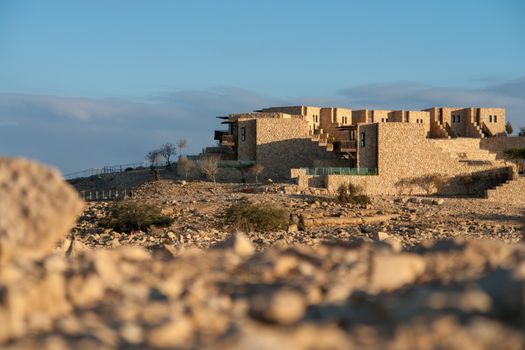
The Hook: I felt the dry, warm air on my skin, carrying the faint, earthy scent of creosote bush after a rare desert rain. The silence was vast, punctuated only by the whisper of the wind and the distant call of a coyote. The retreat's low-slung, earth-toned buildings seemed to emerge from the desert floor, designed to blend in rather than dominate.
Desert-Proof Sustainability: The retreat is powered entirely by a state-of-the-art solar farm and utilizes advanced water conservation techniques, including a closed-loop greywater system and atmospheric water generation. Buildings are designed with passive cooling in mind, using natural ventilation and strategically placed shade structures.
Culinary Alchemy: "Oasis Kitchen" offers a menu that celebrates the unique flavors of the desert. Think agave-glazed quail, prickly pear salad with local citrus vinaigrette, and date-infused desserts. They source ingredients from local desert farms and their own organic garden.
Insider Tip: Visit during the spring bloom (often in March) when the desert floor erupts in wildflowers – a truly magical sight. Book a stargazing session with their resident astronomer; the desert sky is exceptionally clear.
Quick Facts: Solara Sands Retreat
- Estimated Cost ($$): $750 - $1400 per night
- Best Time to Visit: March (pleasant temperatures, potential wildflowers), April, October-November
- How to Get There: Fly into Palm Springs International Airport (PSP) or Los Angeles International Airport (LAX), then a 2-3 hour scenic drive.
Section 6: The Future is Now: Your Conscious Escape Awaits
As March 2026 rapidly approaches, the demand for travel that aligns with our values is only set to grow. These zero-emission hotels are not just a trend; they represent the evolution of luxury. They offer an opportunity to experience the world's most breathtaking destinations while knowing you are contributing to their preservation.
The premium is an investment – an investment in unparalleled experiences, in the health of our planet, and in a future where indulgence and responsibility walk hand-in-hand. So, whether you're dreaming of alpine peaks, sun-drenched islands, ancient forests, or vast deserts, the most luxurious way to travel in March 2026 is also the most conscious.
Ready to book your guilt-free getaway? These are the places where your wanderlust can truly make a difference.