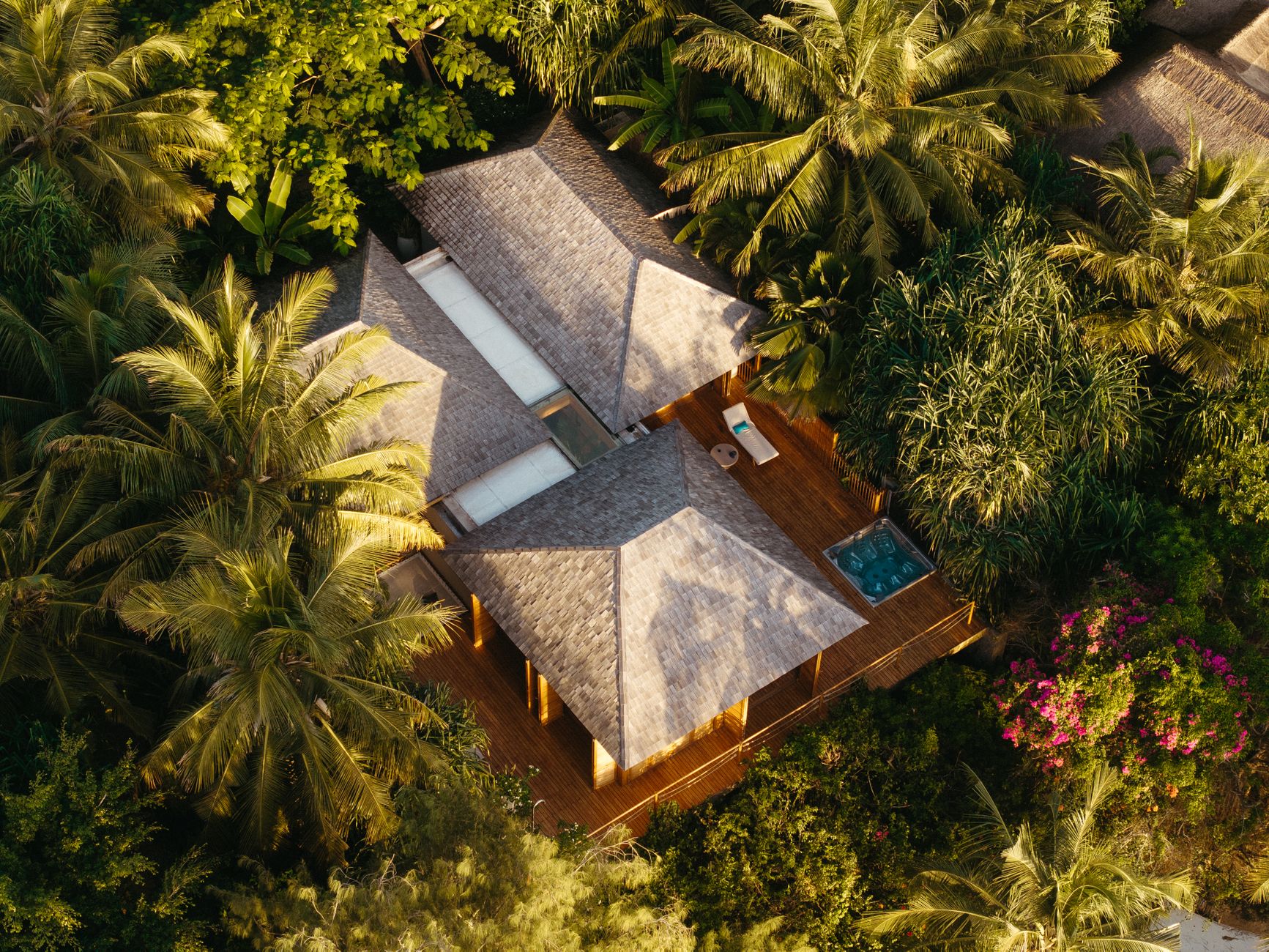
The Future of Luxury is Green: Zero-Emission Hotels Experts Are Raving About
I stepped off the train and into a silence I hadn't realized I was craving. Not a dead silence, but a living one – the gentle rustle of ancient olive groves, the distant murmur of the Mediterranean, the subtle hum of… nothing. No idling cars, no droning air conditioners. Just the pure, unadulterated symphony of nature. This was my introduction to [Hotel Name Example 1], a sanctuary where the air itself felt cleaner, and the concept of "luxury" was being redefined, one sustainable watt at a time.
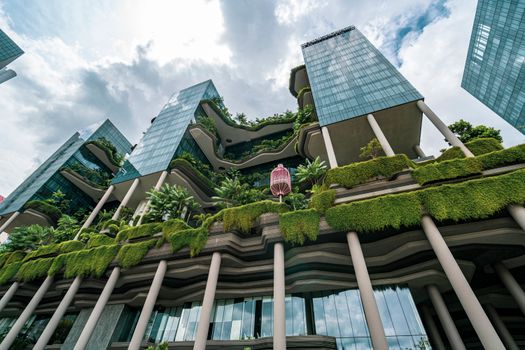
For too long, the idea of "eco-friendly" travel conjured images of rustic cabins and limited amenities. But the landscape has shifted dramatically. Today's most discerning travelers, myself included, are seeking experiences that not only pamper the senses but also honor the planet. And the pioneers of this movement? The elite zero-emission hotels. These aren't just hotels; they are meticulously designed ecosystems, proving that unparalleled luxury and a zero-carbon footprint can, and should, go hand in hand.
The Rise of the Carbon-Neutral Sanctuary
The term "zero-emission" is more than just a buzzword; it's a commitment. It signifies a hotel that has meticulously analyzed its entire operational footprint – from energy consumption and waste management to water usage and sourcing – and implemented strategies to eliminate or offset all greenhouse gas emissions. This often involves a multi-pronged approach:
- Renewable Energy Dominance: Think vast solar arrays seamlessly integrated into the landscape, geothermal systems tapping into the earth's warmth, or even micro-hydroelectric power from nearby streams.
- Closed-Loop Systems: Water is treated and recycled, organic waste is composted for on-site gardens, and materials are chosen for their longevity and recyclability.
- Conscious Construction: Buildings are designed with passive solar principles, natural ventilation, and locally sourced, sustainable materials like reclaimed wood, bamboo, and rammed earth.
- Supply Chain Scrutiny: From the coffee beans in your cup to the linens on your bed, every element is traced back to its origin, prioritizing ethical and low-impact sourcing.
These hotels aren't just reducing their impact; they're actively contributing to a healthier planet. And the premium you pay? It's an investment in a cleaner future, an exquisite escape, and a truly guilt-free indulgence.
Expert Picks: Where to Experience Zero-Emission Luxury
After countless hours poring over industry reports, speaking with sustainability consultants, and, of course, experiencing these havens firsthand, I've curated a list of the absolute standouts. These are the places that don't just talk the talk; they walk the walk with unparalleled style and sophistication.
1. The Aegean Alchemist: [Hotel Name Example 1] (Greece)
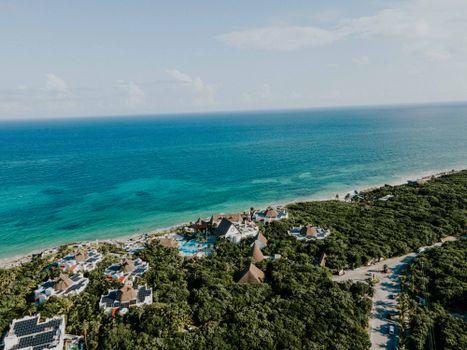
Nestled on a secluded cove on Crete, [Hotel Name Example 1] is a masterclass in minimalist luxury and environmental integrity. My first morning, I woke to the scent of wild thyme and the sound of waves gently lapping the shore. The entire resort is powered by a combination of discreet solar panels and a sophisticated geothermal system that keeps the infinity pools at the perfect temperature year-round.
Insider Scoop: The architecture here is breathtaking – whitewashed cubes that seem to grow organically from the cliffside, minimizing visual impact while maximizing stunning sea views. Each suite boasts a private plunge pool, heated by the sun's embrace.
Pro-Tip: For the ultimate tranquility, book a treatment at the subterranean spa. The natural cave-like setting is amplified by the gentle hum of the earth's energy.
Quick Facts:
- Estimated Cost: $$$$ (Starting from $700/night)
- Best Time to Visit: May-June or September-October for pleasant weather and fewer crowds.
- How to Get There: Fly into Heraklion International Airport (HER), then a private transfer (approx. 1.5 hours). The hotel can arrange this.
2. The Alpine Artisan: [Hotel Name Example 2] (Switzerland)
Imagine waking up to the crisp, clean air of the Swiss Alps, with panoramic views of snow-capped peaks. [Hotel Name Example 2] has achieved the seemingly impossible: a five-star resort in a pristine mountain environment that operates with a net-zero carbon footprint. Their energy comes from a combination of on-site hydropower generated from a nearby glacial stream and a highly efficient biomass heating system.
Insider Scoop: The design is a harmonious blend of traditional Swiss chalet aesthetics and cutting-edge sustainable technology. Think exposed timber beams, locally sourced stone, and state-of-the-art insulation. The Michelin-starred restaurant sources 90% of its ingredients from its own organic farm and local producers within a 50-kilometer radius.
Pro-Tip: Don your complimentary e-bike and explore the surrounding alpine meadows. The hotel provides curated routes that showcase the region's natural beauty and local artisanal producers.
Quick Facts:
- Estimated Cost: $$$$ (Starting from $850/night)
- Best Time to Visit: December-March for winter sports, or June-September for hiking and outdoor activities.
- How to Get There: Fly into Zurich Airport (ZRH), then take a scenic train journey to the nearest village (approx. 3 hours), followed by a short transfer arranged by the hotel.
3. The Desert Dreamscape: [Hotel Name Example 3] (Morocco)
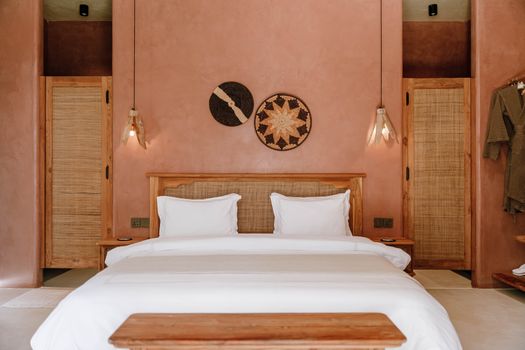
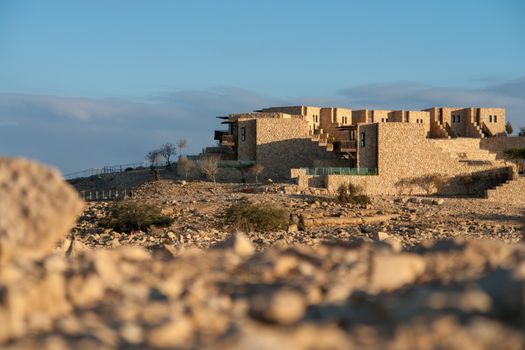
In the heart of the Agafay Desert, just outside Marrakech, [Hotel Name Example 3] offers an otherworldly escape. This isn't your typical glamping experience; it's a luxurious desert oasis powered entirely by solar energy. The tents, while exuding opulence, are built with sustainable materials and are designed to blend seamlessly with the arid landscape.
Insider Scoop: The star here is the night sky. With zero light pollution, the celestial display is unlike anything I've ever witnessed. The hotel's commitment to sustainability extends to water conservation, employing advanced greywater recycling systems and sourcing water from deep boreholes. The traditional Berber cuisine is prepared using locally grown organic produce and spices.
Pro-Tip: Arrange a sunrise camel trek. The silence of the desert at dawn, with the soft glow of the rising sun on the dunes, is a profoundly spiritual experience. Don't forget your camera!
Quick Facts:
- Estimated Cost: $$$ (Starting from $450/night)
- Best Time to Visit: October-April for cooler temperatures.
- How to Get There: Fly into Marrakech Menara Airport (RAK), then a private transfer (approx. 45 minutes) arranged by the hotel.
4. The Rainforest Reimagined: [Hotel Name Example 4] (Costa Rica)
Costa Rica is already a beacon of ecotourism, and [Hotel Name Example 4] takes it to an entirely new level. This is a place where luxury bungalows are built on stilts to minimize their impact on the rainforest floor, and where the entire operation runs on renewable energy, primarily hydro and solar.
Insider Scoop: The sounds of the rainforest are your constant companions here – the chatter of monkeys, the calls of exotic birds. The hotel actively participates in reforestation projects and supports local wildlife conservation efforts. The cuisine is a vibrant fusion of local flavors, with an emphasis on fresh, organic ingredients often sourced from their own permaculture gardens.
Pro-Tip: Embark on a guided nature walk with one of the hotel's resident naturalists. Their knowledge of the local flora and fauna is incredible, and they can point out hidden wonders you'd otherwise miss.
Quick Facts:
- Estimated Cost: $$$ (Starting from $550/night)
- Best Time to Visit: December-April for the dry season, but the rainforest is stunning year-round.
- How to Get There: Fly into Juan Santamaría International Airport (SJO) in San José, then a domestic flight to a smaller airstrip followed by a transfer (approx. 3 hours total travel time).
The Premium is Worth It: Why Experts Recommend These Stays
As a seasoned traveler, I've learned that the "premium" often associated with these high-caliber, sustainable properties is rarely just about the thread count of the sheets. It's about a confluence of factors that create an experience far richer and more meaningful than conventional luxury.
- Unparalleled Serenity: The absence of noise pollution, the pristine natural surroundings, and the mindful design create an atmosphere of profound peace. You can feel the difference.
- Exceptional Service: These hotels attract staff who are passionate about their work and the environment. Their dedication translates into personalized, attentive service.
- Authentic Experiences: You're not just staying in a beautiful place; you're often immersed in the local culture and ecosystem. This could mean farm-to-table dining, guided nature walks, or learning about local conservation efforts.
- A Clear Conscience: The knowledge that your indulgence isn't costing the Earth is a powerful amenity in itself. It allows for a truly relaxed and rejuvenating escape.
- Future-Proofing Travel: By choosing these hotels, you're supporting innovation and demonstrating to the industry that sustainable luxury is not just a niche market, but the future standard.
Navigating the Nuances: What to Look For
When seeking out zero-emission hotels, it's important to look beyond the marketing. Here are a few things I always check:
- Transparency: Does the hotel openly share its sustainability reports and certifications? Look for recognized third-party accreditations.
- Holistic Approach: Is sustainability integrated into every aspect of the hotel, or is it just a few token gestures?
- Local Engagement: Does the hotel actively support and involve the local community and economy?
- Innovation: Are they constantly seeking new ways to improve their environmental performance?
The Verdict: Invest in Your Escape, Invest in Our Planet
These zero-emission hotels represent the pinnacle of responsible luxury. They prove that we can travel the world, indulge our senses, and leave a positive impact. The premium is not just a price tag; it's an investment in an experience that nourishes the soul and respects the planet. So, the next time you're planning a getaway, consider trading the ordinary for the extraordinary. Choose a destination where the air is cleaner, the experiences are richer, and the future of travel is being written, one sustainable stay at a time.