There I was, standing on a pristine beach in Palawan, Philippines, the kind you see on postcards. The sun was setting, painting the sky in fiery oranges and purples, and the turquoise water gently lapped at my feet. It was breathtaking. Absolutely perfect. Until I looked down. Nestled among the coral fragments and seashells was a collection of miniature plastic shampoo bottles, a discarded toothbrush, and a crumpled plastic wrapper – undeniable evidence of human presence, and worse, human waste.
That moment hit me hard. I, a self-proclaimed lover of nature and adventure, was part of the problem. My own travel habits, while not intentionally destructive, contributed to this growing pile of plastic. The endless parade of single-use hotel toiletries, plastic water bottles bought in a pinch, and disposable cutlery from street food stalls – it all added up. It was a wake-up call, a realization that my passion for exploring the world needed to align with a passion for protecting it.
That was three years ago. Since then, my packing philosophy has undergone a radical transformation. I’ve delved deep into the world of zero-waste living, specifically focusing on how to make it work on the road. And let me tell you, it's not about deprivation; it's about smart choices, innovative products, and a mindset shift that actually enhances your travel experience. You travel lighter, spend less, and feel incredibly good about the footprint you leave behind (or rather, don't leave behind!).
Forget the basic reusable water bottle – we're going deeper. I'm talking about the unsung heroes, the game-changers, the zero-waste travel packing essentials that are just on the cusp of becoming mainstream. You, my fellow Tripsora explorer, get to be an early adopter, a pioneer. Ready to pack smarter and travel greener? Let's dive in!
Beyond the Bottle: Hydration & Hygiene Heroes You Need Now
The cornerstone of zero-waste travel starts with what you put on and in your body. Ditching plastic in your personal care routine and staying hydrated without single-use bottles are monumental steps.
1. The Advanced Filter Water Bottle: Your Global Hydration Guardian Sure, you have a reusable water bottle. But do you have one that can turn questionable tap water into safe drinking water anywhere in the world? This is where the Grayl GeoPress Purifier Bottle (around $90-$100) or a Lifestraw Go Filter Bottle (around $40-$50) becomes your ultimate travel companion. On my recent trek through the Annapurna region of Nepal, the Grayl was a lifesaver. Instead of constantly buying bottled water from tiny tea houses – adding to plastic waste in remote, fragile environments – I could confidently refill from any stream or tap. The peace of mind alone is worth the investment, not to mention the money saved and the plastic avoided. It's a bulky item, but it replaces countless plastic bottles, making it indispensable. Pro-tip: Practice using it a few times at home to get the hang of the press mechanism.
2. Solid Gold: Shampoo, Conditioner & Body Wash Bars This is probably the most impactful swap for your toiletries bag. Imagine: no leaky bottles, no TSA liquid limits, and zero plastic waste. Brands like Ethique (around $15-$20 per bar, lasting 2-3 months) and Lush (around $12-$18) offer incredible shampoo and conditioner bars for every hair type. Body wash bars are even easier to find. I store mine in a tin travel container (around $8-$12) or a reusable, breathable soap bag. My first time using a shampoo bar in a hostel shower in Lisbon felt a bit strange, but after a week, my hair felt healthier, and my bag was significantly lighter and cleaner. Plus, these bars last ages, saving you money in the long run.
3. The Menstrual Cup/Discs: Freedom for Female Travelers Ladies, this is a non-negotiable game-changer. If you haven't switched to a menstrual cup or disc (like a DivaCup or Saalt Cup, around $25-$40), your travels are about to get a whole lot easier and more sustainable. No more worrying about finding tampons or pads in remote villages, no more carrying bulky supplies, and absolutely zero waste. I've used mine everywhere from crowded Tokyo to the rugged wilderness of Patagonia, and it has consistently provided comfort and convenience. It's a learning curve for some, but once you get it, you'll wonder how you ever traveled without one.
4. Toothpaste Tabs & Bamboo Toothbrush: Smile Sustainably A small swap, but a mighty one. Ditch the plastic tube and opt for toothpaste tabs (around $10-$15 for a month's supply). They come in small, refillable containers and are perfect for travel – no mess, no liquids, just chew, brush, and go. Pair this with a bamboo toothbrush (around $4-$6), which is compostable at the end of its life, and you've got a sparkling clean, plastic-free smile. I love the feeling of brushing my teeth with tabs; it feels incredibly fresh and clean, and knowing I'm not contributing to plastic waste makes it even better.
Feast Responsibly: Ditching Disposables on the Go
One of the biggest culprits of single-use plastic while traveling is often food-related. From street food to spontaneous picnics, we often grab disposable items out of convenience. No more!
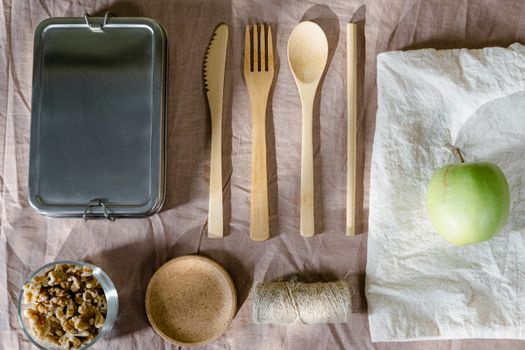
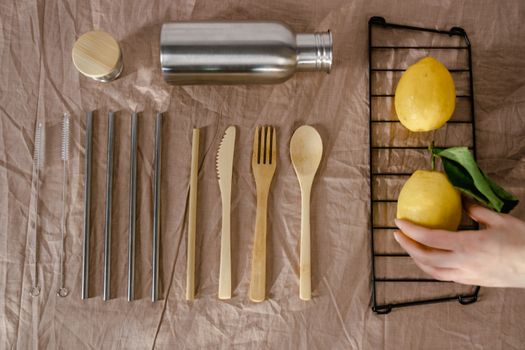
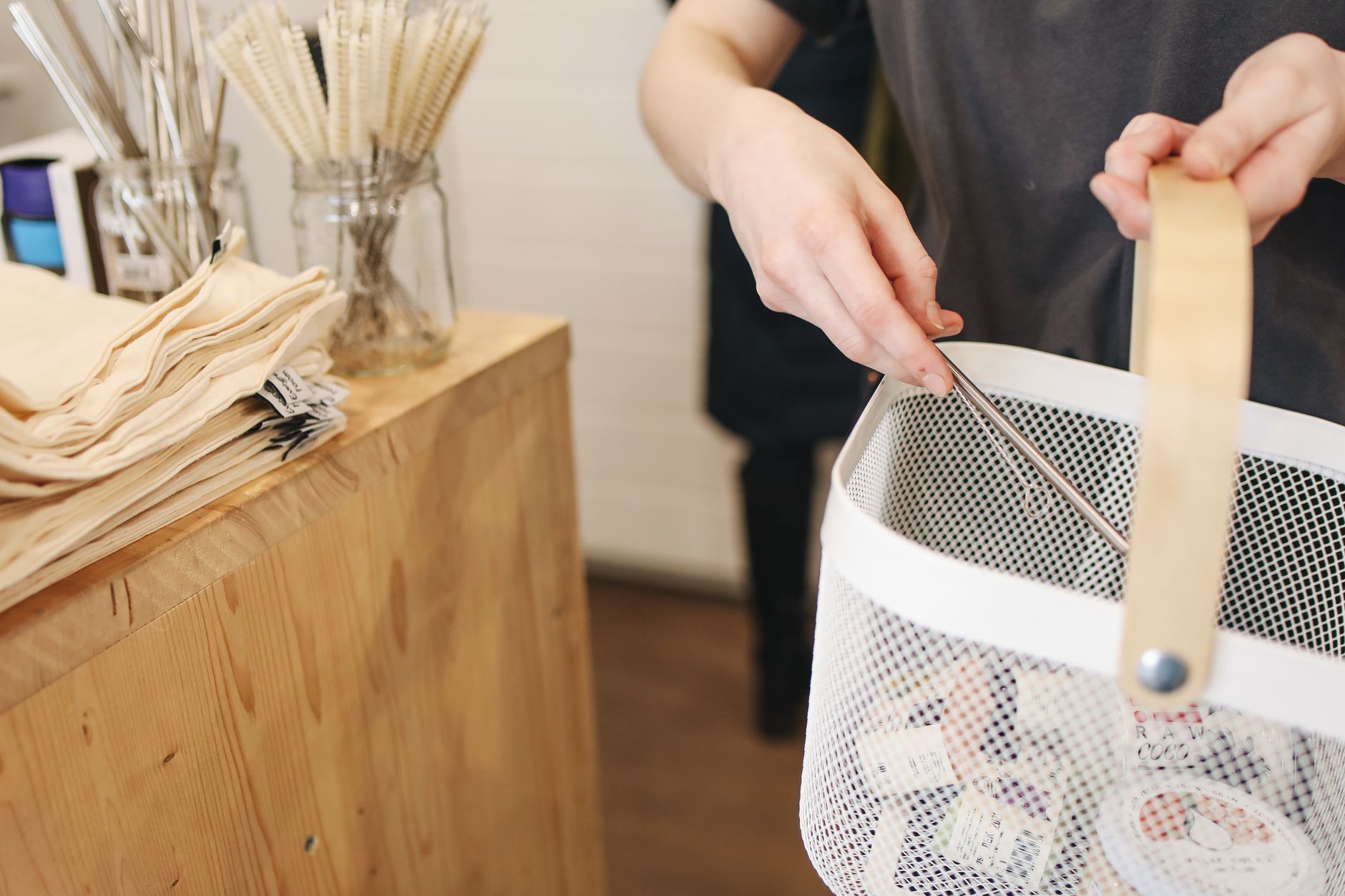
5. The Essential Reusable Cutlery Set & Straw How many times have you been handed a flimsy plastic fork with your delicious street noodles or a plastic straw with your fresh juice? Too many! A compact, lightweight reusable cutlery set (bamboo, stainless steel, or even titanium, around $10-$20) is a simple yet powerful tool. Mine lives in a small cloth pouch in my daypack, ready for action. I also carry a collapsible stainless steel straw (around $5-$10). On a recent trip to Mexico City, my reusable fork saved me from countless plastic atrocities at bustling food stalls, allowing me to fully savor every taco and tamale guilt-free.
6. Collapsible Container & Reusable Snack Bags: Your Leftover Lifesavers This is where true zero-waste ninja skills come in. A collapsible silicone container (like those from Stojo, around $15-$30) or a few reusable silicone bags (like Stasher bags, around $12-$20 each) are invaluable. They fold flat when empty, taking up minimal space, and expand to hold leftovers from a restaurant, fresh produce from a local market, or snacks for a long bus ride. I once used my collapsible container to carry a delicious portion of paella from a market in Valencia back to my Airbnb, avoiding a styrofoam container and enjoying a second meal. They are also perfect for buying cheese, olives, or pastries from local delis without needing their plastic wrap.
7. Travel Mug/Cup: More Than Just Coffee A reusable travel mug (like a KeepCup or Stojo collapsible cup, around $15-$25) isn't just for your morning coffee. While it's fantastic for getting a discount at cafes (many places offer a small reduction for bringing your own cup!), it's also perfect for smoothies, juice, or even as a makeshift bowl for instant noodles in a pinch. I've used mine to grab fresh-squeezed orange juice in Morocco, a refreshing limonana in Jordan, and even to hold a spontaneous scoop of gelato in Italy, avoiding a disposable cup and spoon. It's a multi-purpose hero!
The Unsung Heroes: Genius Swaps You Haven't Thought Of
These are the items that often get overlooked but make a massive difference in reducing waste and enhancing your travel experience.
8. Travel Laundry Strips: The Ultimate Space & Waste Saver Forget bulky plastic detergent bottles or those messy pods. Laundry detergent strips (like Tru Earth, around $20 for 30 loads) are revolutionary. They're ultra-concentrated, biodegradable strips that dissolve completely in water, leaving no plastic waste. They're incredibly lightweight, take up virtually no space, and are perfect for handwashing clothes in a hostel sink or using in a laundromat. On a month-long backpacking trip through Southeast Asia, these strips were a revelation. No more worrying about liquid limits or finding detergent in obscure places. Just a few strips and my clothes were fresh and clean.
9. Multi-Purpose Balm/Oil in a Tin: Simplify Your Skincare Instead of separate lotions, lip balms, and hair conditioners, opt for a multi-purpose solid balm or oil in a reusable tin. Think shea butter, cocoa butter, or even a solid coconut oil bar. These can moisturize skin, tame flyaways, soothe chapped lips, and even remove makeup. They're plastic-free, TSA-friendly, and incredibly versatile. I carry a small tin of unrefined shea butter (around $10-$15 for a sizable tin) that has served as everything from a sunburn soother in Costa Rica to a cuticle conditioner on a long-haul flight. Less clutter, less waste, more effectiveness.
10. Safety Razor: A Lifetime of Smooth Shaves, Zero Plastic Cartridges This one might seem a bit old-school, but a safety razor (a good quality one like a Leaf Shave is around $80-$100, while traditional ones start around $20-$40) is an incredible investment for zero-waste travel. The razor itself is durable and lasts a lifetime, and the blades are inexpensive, recyclable metal. No more disposable plastic cartridges filling up landfills. Yes, there's a slight learning curve, but the shave is incredibly close and smooth, and the environmental benefits are huge. Just remember to pack the blades in your checked luggage!
Pack Like a Pro: Durability Meets Sustainability
Zero-waste isn't just about avoiding disposables; it's also about making choices that last, reducing the need to constantly buy new things.
11. Durable, Eco-Friendly Packing Cubes: Packing cubes are a minimalist traveler's best friend for organization. But take it a step further. Invest in packing cubes made from recycled materials (like Peak Design's recycled nylon cubes, around $40-$60 for a set) or durable, natural fibers. They not only keep your clothes organized and compressed, preventing wrinkles and extending their life, but they also reduce your reliance on cheaply made, short-lived plastic alternatives. Good quality cubes mean less wear and tear on your clothes and less need to replace your packing gear.
12. Invest in Quality Luggage & a Repair Kit: This isn't an "essential" in the traditional sense, but it’s crucial for a truly zero-waste mindset. A cheap backpack or suitcase will likely break, forcing you to buy another, creating more waste. Invest in a high-quality, durable backpack or piece of luggage from brands known for their longevity and repair policies (e.g., Osprey, Patagonia). These brands often offer lifetime guarantees or affordable repair services, ensuring your gear stays out of the landfill. And carry a small travel repair kit (needle, thread, safety pins, duct tape) for minor fixes on the go. My Osprey backpack has traveled with me for over a decade, through countless airports and dusty trails, and with a few minor repairs, it’s still going strong.
The Heart of the Matter: Mindful Travel & Local Love
Beyond the gear, zero-waste travel is fundamentally about a shift in mindset. It’s about being a conscious traveler, making choices that benefit both the planet and the people you encounter.
13. Choosing Eco-Conscious Accommodations: When booking your stays, look beyond just price and location. Seek out hotels, guesthouses, or Airbnbs that actively promote sustainable practices. Do they have refill stations for water and toiletries? Do they sort waste? Are they locally owned and operated? A quick search for "eco-friendly hotel [destination]" can reveal some gems. Staying at an eco-lodge in the Amazon, for instance, where they compost food waste and use solar power, felt incredibly aligned with my zero-waste goals.
14. Supporting Local & Sustainable Businesses: Your travel dollars have power. Prioritize local restaurants, artisan shops, and tour operators. This not only supports the local economy but often means less imported goods (reducing carbon footprint) and more authentic experiences. When you buy directly from a local farmer at a market, you're not only getting fresh, often package-free produce but also reducing the complex supply chains that generate waste.
15. The Power of "No, Thank You": Refusing Single-Use Items This is perhaps the simplest yet most effective zero-waste practice. Politely but firmly decline plastic bags, straws, stirrers, excessive packaging, and receipts you don't need. A simple "No plastic bag, please" (or the local equivalent) can go a long way. It might feel awkward at first, but with practice, it becomes second nature. On my last trip to Japan, a country known for its impeccable service and sometimes excessive packaging, I made it a point to refuse plastic bags, often carrying items in my reusable shopping bag. It sparks conversations and slowly normalizes the behavior.
16. Mindful Waste Separation & Disposal: Learn about the local waste management practices of your destination. Do they recycle? What materials are accepted? In some countries, recycling infrastructure is limited, making it even more crucial to minimize what you bring in. If recycling isn't available, consider carrying certain non-biodegradable items (like plastic film) until you find appropriate disposal. This might sound extreme, but it's the ultimate commitment to leaving no trace.
The Journey Continues: Be a Pioneer
The beauty of zero-waste travel is that it’s a continuous journey, not a destination. It’s about being mindful, making conscious choices, and constantly learning. These "before mainstream" essentials aren't just about reducing your footprint; they're about enhancing your travel experience, making it more authentic, more deliberate, and ultimately, more rewarding. You'll pack lighter, save money, and feel a deep sense of satisfaction knowing you're exploring the world responsibly.
So, are you ready to ditch the plastic and embrace a smarter, greener way to explore? Start with one or two swaps from this list. You don't have to overhaul your entire packing list overnight. Every single reusable item you carry, every single plastic item you refuse, makes a difference.
What's your first zero-waste travel swap going to be? Share your tips and inspire others in the comments below! Let's build a community of conscious travelers who champion the planet. The future of travel is here, and you're leading the way.
---