Remember that moment? I was sitting on a pristine beach in Palawan, Philippines, the kind you see on postcards, but my heart sank as I noticed a plastic bottle bobbing in the otherwise crystal-clear water. It wasn't just one; there were more, subtly ruining the perfect vista. That was my 'aha!' moment. My backpack was full of good intentions, but also, admittedly, a fair share of single-use plastics – tiny shampoo bottles, snack wrappers, plastic water bottles. I realized then that my love for travel, for exploring beautiful places, was at odds with the waste I was generating.
Fast forward to October 2025, and the world has shifted. More travelers are conscious, more brands are sustainable, and the zero-waste movement isn't just a niche; it's a powerful current. But how do you actually pack for a zero-waste trip without feeling like you’re sacrificing convenience or comfort? It's easier and more rewarding than you think! For Tripsora, I've curated the ultimate guide to zero-waste travel packing essentials, tested on countless adventures from the bustling markets of Marrakech to the serene fjords of Norway. Get ready to lighten your load, save some cash, and truly travel responsibly.
1. The Zero-Waste Mindset: Your Ultimate Travel Companion
Before we even talk about what to pack, let's talk about how to think. Zero-waste travel isn't about perfection; it's about conscious choices. It's about asking, "Do I really need this? Can I reuse it? Can I refuse it?" This mindset is your most powerful tool, transforming how you interact with everything from airport security to street food vendors.
- Buy Less, Choose Well: Invest in high-quality, durable, multi-purpose items. A good reusable water bottle might seem like an upfront cost, but it saves you hundreds of dollars (and plastic bottles) over time.
- Refuse, Reduce, Reuse, Recycle, Rot: This mantra is your guiding star. Refuse single-use plastics (straws, bags, cups), reduce your consumption, reuse everything you can, recycle what you can't refuse or reuse, and compost organic waste where facilities exist.
- Embrace Imperfection: You won't be 100% zero-waste, and that's okay. Every conscious choice makes a difference. Don't let the perfect be the enemy of the good.
My own journey started with a simple reusable water bottle. Then came the coffee cup. Slowly, I started seeing opportunities everywhere. On a recent trip to Lisbon, I noticed how many cafes offered discounts for bringing your own cup. It felt good to save a few euros and know I wasn't contributing to the mountain of disposable cups.
2. Personal Care: Your Eco-Friendly Glow-Up on the Go
This is often where most single-use plastics hide in our travel bags. But fear not, the world of solid toiletries and reusable alternatives has exploded with fantastic, effective products by October 2025.
- Solid Shampoo & Conditioner Bars: These are game-changers. Brands like Ethique, Lush, and even local artisan shops offer incredible bars that last for months, saving you space, weight, and plastic bottles. I swear by Ethique's "Sweet & Spicy" shampoo bar – it lathers beautifully even in hard water and smells divine. A good bar costs around $12-$18 but replaces 2-3 bottles of liquid, making it a budget-friendly choice too.
- Solid Soap Bar: Ditch the tiny hotel soaps. A good quality, ethically sourced soap bar (Dr. Bronner's is a classic, multi-purpose option) is perfect for body and even handwashing clothes in a pinch. Store it in a reusable tin or a breathable soap bag.
- Toothpaste Tablets or Powder: Say goodbye to plastic tubes! Toothpaste tablets (like those from Bite or Georganics) or powder come in glass jars or compostable pouches. Just chew, brush, and rinse. They're also mess-free and TSA-friendly.
- Bamboo Toothbrush: A simple swap that makes a big difference. They're biodegradable and readily available.
- Reusable Cotton Rounds/Menstrual Cup/Period Underwear: For makeup removal, reusable cotton rounds (often made from bamboo or organic cotton) are a must. For menstruating travelers, a menstrual cup or period underwear is a game-changer for reducing waste and providing comfort, especially when facilities might be limited. My first time using a cup on a long-haul flight was a revelation – no more worrying about finding a bin!
- Deodorant Stick in Refillable Container: Many brands now offer refillable deodorant sticks, reducing plastic waste significantly. Look for aluminum-free options.
- Lotion & Sunscreen Bars: Just like shampoo, these come in solid form, cutting down on plastic tubes. Brands like Supergoop and Butter Me Up Organics offer great solid sunscreen options that are reef-safe too. Always check for broad-spectrum protection!
Pro Tip: Pack all your solid toiletries in a single reusable, water-resistant bag. This keeps them tidy and prevents any leaks, which are a liquid traveler's worst nightmare!
3. Hydration & Sustenance: Never Thirsty, Never Hungry (Waste-Free!)
This is where you make the biggest immediate impact, especially in places where plastic bottle waste is rampant.
- Reusable Water Bottle (Insulated & Filtered): A high-quality, insulated stainless steel water bottle (like a Hydro Flask or Klean Kanteen) is non-negotiable. It keeps your water cold for hours and coffee hot. For destinations with questionable tap water, invest in a bottle with an integrated filter (e.g., Lifestraw Go, Grayl GeoPress). I carried my Lifestraw bottle through rural Cambodia, confidently refilling from any tap, saving countless plastic bottles and staying hydrated without worry. A good one costs $30-$70, but the peace of mind is priceless.
- Reusable Coffee Cup: If you're a coffee or tea drinker, a collapsible silicone cup (Stojo) or a durable bamboo/stainless steel one (KeepCup) is essential. Many cafes offer discounts for bringing your own cup. I love using my Stojo in airport terminals – it folds down to almost nothing when empty.
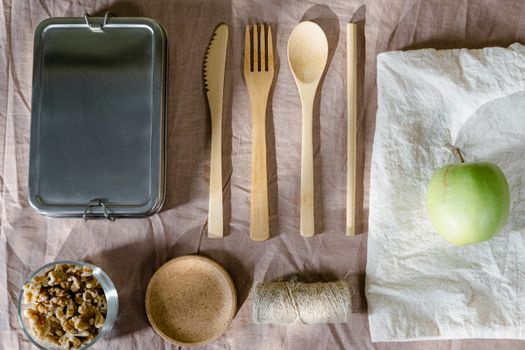
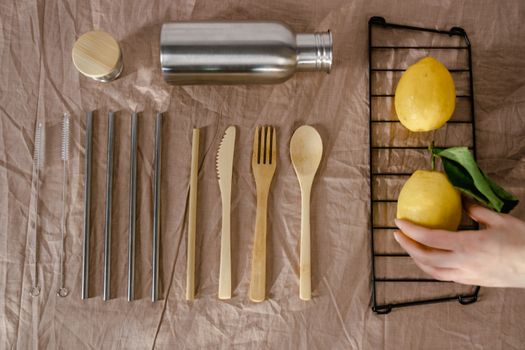
- Reusable Cutlery Set: A lightweight bamboo or stainless steel cutlery set, often with a straw and cleaning brush, fits perfectly in a small pouch. This saves you from those flimsy plastic forks at street food stalls. Mine cost me about $15 and has been my trusty companion from a Parisian picnic to a Thai night market.
- Cloth Napkins: A couple of small cloth napkins take up virtually no space and replace dozens of paper napkins.
- Reusable Snack Containers/Stasher Bags: Pack a couple of lightweight, collapsible silicone containers (like Stasher bags or similar brands) for leftovers, market purchases, or snacks on the go. They're incredibly versatile. I used a Stasher bag to carry fresh berries from a market in Provence, then later for a sandwich on a train.
- Reusable Shopping Bag: A compact, durable tote bag (like Baggu or ChicoBag) is invaluable for groceries, souvenirs, or laundry. Never get caught needing a plastic bag again!
Anecdote: During my exploration of the ancient city of Pompeii, the heat was intense. My Hydro Flask, refilled at the numerous public fountains (yes, they still work!), kept my water icy cold, while others were constantly buying single-use plastic bottles. It was a small victory for my wallet and the planet.
4. Clothing & Accessories: Smart Choices for a Lighter Load
Zero-waste clothing isn't just about avoiding fast fashion; it's about packing smart, choosing durable, versatile pieces that last and reduce your overall consumption.
- Capsule Wardrobe: Focus on versatile pieces that can be mixed and matched. Think neutral colors with a few pops of color. Prioritize fabrics like merino wool (odor-resistant, temperature-regulating), linen (breathable, quick-drying), and Tencel (soft, sustainable).
- Packing Cubes: While not strictly "zero-waste," reusable packing cubes help organize your clothes, maximize space, and extend the life of your luggage by keeping things tidy. Choose durable, recycled material ones.
- Multi-Purpose Items: A large sarong or Turkish towel can be a beach towel, a scarf, a modest cover-up for temples, or even a light blanket on a chilly flight. A quick-dry travel towel is another essential.
- Repair Kit: A small sewing kit (needle, thread, safety pins) can fix minor rips or lost buttons, extending the life of your clothes and preventing unnecessary purchases.
- Sustainable Footwear: Invest in one or two pairs of comfortable, durable shoes made from sustainable materials that can handle different terrains and occasions. Brands like Allbirds or Veja are great options.
Personal Story: I once hiked the Inca Trail with just two merino wool t-shirts. My hiking partners were amazed they didn't smell after days of strenuous activity! Merino wool's natural antimicrobial properties are a godsend for minimalist, zero-waste packing. It meant less laundry, less water usage, and a lighter pack.
5. Tech & Miscellaneous: Gadgets Go Green
Even our beloved gadgets can be part of a greener travel strategy.
- Rechargeable Batteries: For any devices that use AA or AAA batteries, invest in rechargeable ones and a compact charger. This drastically cuts down on disposable battery waste.
- Durable, Long-Lasting Tech: Choose electronics known for their longevity and repairability. A well-cared-for phone or camera lasts longer, reducing e-waste.
- Compostable Phone Case: When it's time for a new phone case, look for compostable options made from plant-based materials.
- Digital Documents: Use digital boarding passes, hotel confirmations, and guidebooks on your phone or tablet instead of printing everything. Always have a backup on the cloud.
- Refillable Pen & Small Notebook: For journaling or jotting down notes, a sturdy, refillable pen and a small notebook with recycled paper are perfect.
- Laundry Soap Sheets: Instead of carrying liquid detergent or buying small packets, laundry soap sheets are lightweight, pre-portioned, and dissolve completely, leaving no plastic waste. Perfect for handwashing clothes in a sink.
- Headphones (Wired or Durable Wireless): While not strictly zero-waste, choosing durable headphones that last years, or wired ones that don't require battery replacement, is a more sustainable choice than constantly replacing cheap earbuds.
Anecdote: I remember the sheer relief of having all my tickets and reservations on my phone when navigating the chaotic train stations in India. No fumbling with paper, no worries about losing printouts – just a smooth, digital experience that also saved trees.
6. Beyond the Bag: Local Impact & Mindful Exploration
Zero-waste travel isn't just about what you pack; it's also about how you travel and interact with your destination.
- Support Local, Sustainable Businesses: Seek out local markets, eateries, and artisan shops. They often have a smaller environmental footprint and directly benefit the community. Bring your reusable bags and containers! I loved using my Stasher bag to buy fresh olives at the Borough Market in London, chatting with the vendor, and knowing my purchase supported their small business.
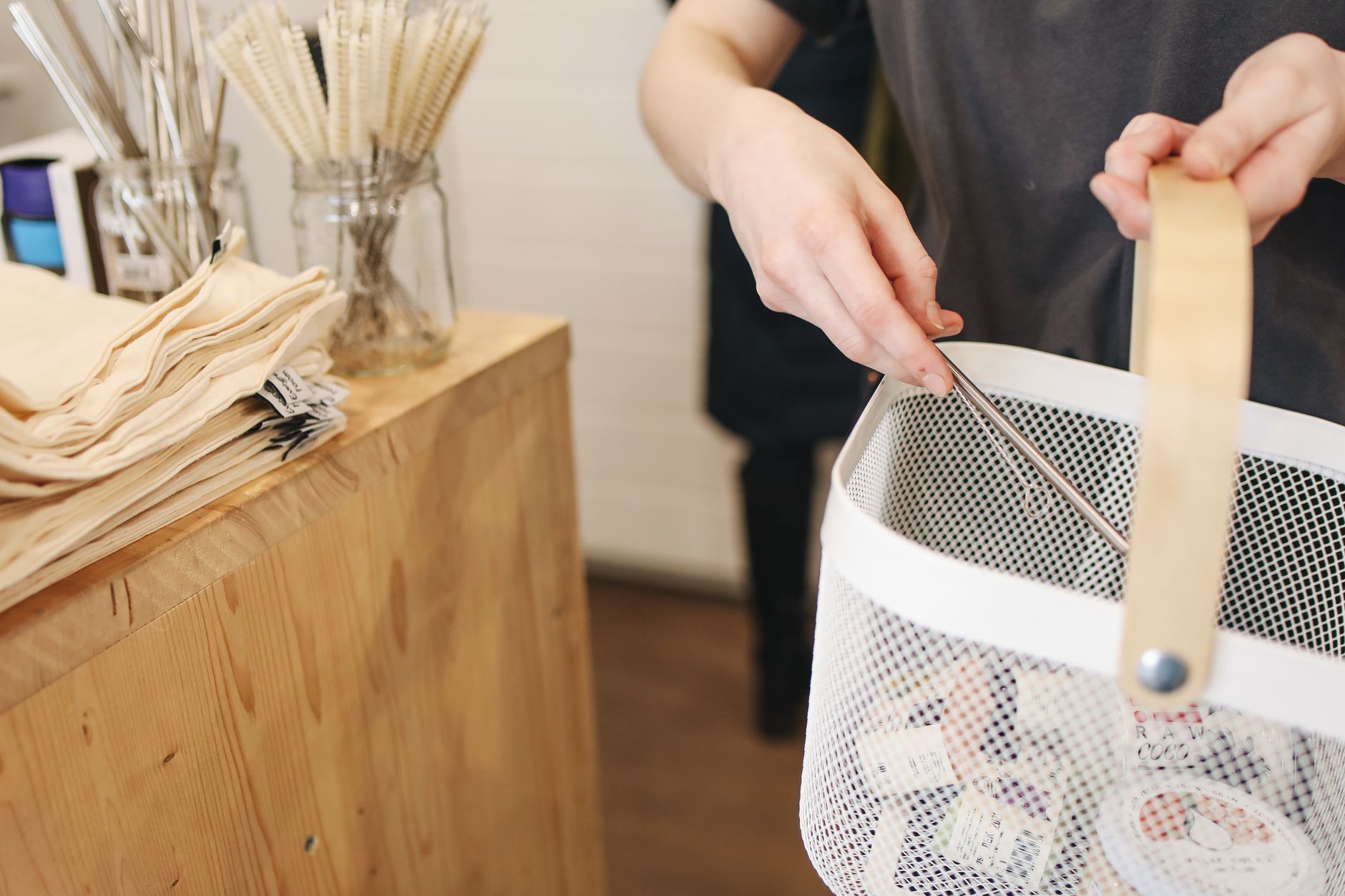
- Refuse Single-Use Politely: A simple "No straw, please" or "No plastic bag, thank you" goes a long way. Learn a few key phrases in the local language. Most people appreciate the effort.
- Leave No Trace: Pack out everything you pack in. Don't leave trash, even organic waste (like fruit peels) in natural environments, as it can harm local wildlife and ecosystems.
- Educate Gently: If someone is curious about your zero-waste items, share your experience without judgment. Your actions can inspire others.
- Offset Your Carbon Footprint: While not directly packing-related, consider offsetting the carbon emissions of your flights through reputable organizations.
The Journey Continues: Your Impact Starts Now
Traveling zero-waste in October 2025 isn't just a trend; it's a powerful statement. It's about respecting the planet, immersing yourself more deeply in local cultures, and enjoying the freedom of a lighter, more organized pack. It's about saving money in the long run and feeling good about the choices you make.
Every single swap, every conscious refusal, every reusable item you pack contributes to a healthier planet and a more mindful travel experience. Don't feel overwhelmed; start small. Pick one or two items from this list to incorporate into your next adventure. You'll be amazed at how quickly it becomes second nature.
So, what's your favorite zero-waste travel hack? What are you excited to try on your next trip? Share your tips in the comments below – let's inspire each other to explore the world responsibly!
---