Locals' Zero-Waste Travel Secrets They DON'T Want You To Know!
The aroma of freshly brewed Vietnamese coffee hung heavy in the humid air of Hanoi’s Old Quarter. I watched, mesmerized, as a woman deftly poured a dark, rich liquid into a small glass, then topped it with a dollop of thick, sweet condensed milk. No plastic cup, no lid, no straw. Just a simple glass, handed directly to her customer, who then returned the empty vessel for a quick rinse before moving on. It was a fleeting, almost imperceptible exchange, yet it struck me like a bolt of lightning.
I, on the other hand, had just purchased a perfectly delicious bánh mì wrapped in a plastic bag, stuffed into another plastic bag, with a plastic fork for good measure. My backpack was already overflowing with "essentials" – mini toiletries, disposable wipes, and a collection of single-use plastic bottles that seemed to multiply overnight. That moment in Hanoi wasn't just about coffee; it was a profound realization. Locals, in their everyday lives, often embody a zero-waste philosophy born of tradition, necessity, and a deep respect for their environment. It’s not a trend for them; it’s just… living. And it’s a secret they don't necessarily hide from tourists, but one they also don't expect us to adopt.
But what if we did? What if we packed not just for convenience, but for impact? What if we embraced the subtle art of traveling light, sustainably, and authentically? After years of crisscrossing continents, making countless mistakes, and learning invaluable lessons from the very people who call these incredible places home, I’ve cracked the code. This isn’t just about saving the planet (though that’s a huge bonus!); it’s about enriching your travel experience, saving money, and connecting with destinations on a much deeper, more respectful level.
Are you ready to unlock these "local secrets" and transform your next adventure? Let’s dive in.
The Subtle Art of Blending In: Why Locals Go Zero-Waste (and Why You Should Too)
Our world is a tapestry of vibrant cultures, breathtaking landscapes, and bustling cities. Yet, behind the postcard-perfect images, many destinations grapple with the overwhelming burden of plastic waste, often exacerbated by tourism. Think of the pristine beaches of Bali littered with plastic, or the ancient canals of Venice choked by discarded containers. As travelers, we have a unique responsibility to tread lightly.
Locals, particularly in communities where resources are precious or traditional practices persist, often have an inherent, almost unconscious, zero-waste approach. They repair instead of replace, reuse out of habit, and value quality over disposability. It's not a grand declaration; it's simply how things are done. When I was backpacking through the small towns of Kyrgyzstan, I noticed everyone carried their own fabric bags to the market. There were no plastic bags offered, no expectation of them. It was just the way.
Adopting a zero-waste travel mindset isn't just about environmental stewardship; it's about embracing a more authentic, respectful way to explore. You’ll find yourself slowing down, observing more, and engaging with local communities in ways you never expected. Plus, it comes with some incredible perks:
- Lighter Luggage: Fewer disposable items mean less bulk and weight. Hello, carry-on only!
- Cost Savings: No need to constantly buy bottled water, mini toiletries, or plastic bags.
- Deeper Connection: You’re living more like a local, fostering genuine interactions and respect.
- Reduced Stress: Less clutter, less decision fatigue, more focus on the experience.
This isn't about perfection; it's about progress. Every small swap makes a difference.
The Mindset Shift: Planning Your Plastic-Free Escape
Before you even think about packing a single item, the most crucial step is a mental one: the zero-waste mindset shift. This is where you begin to challenge assumptions and re-evaluate "needs."
My first attempt at truly minimalist, zero-waste packing for a two-week trip through the Balkans was a hilarious disaster. I over-packed in some areas (too many clothes!) and under-prepared in others (forgot my reusable straw!). But it was a learning curve. The key is to start with a pre-trip audit:
- Question Everything: Do you really need that travel-sized hairspray? Or can a solid shampoo bar do double duty? Will you actually read three physical books, or is an e-reader sufficient?
- Research Your Destination: Look up water quality. Are there publicly available water refill stations (apps like RefillMyBottle or Tap)? Are local markets conducive to bringing your own containers? Knowing this upfront helps immensely. In cities like Lisbon or Copenhagen, refill stations are abundant, but in more remote areas, a filtered water bottle might be essential.
- The Multi-Purpose Rule: Every item should ideally serve at least two purposes. A sarong can be a towel, scarf, beach cover-up, or even an emergency shopping bag. A solid soap bar can wash your body, hair, and even a few clothes.
This planning phase is where you set yourself up for success. It’s not about deprivation; it’s about thoughtful, intentional choices.
Bathroom Bliss: Ditching Disposables for a Fresher You
This is often the biggest culprit for plastic waste in travel. Think of all those tiny plastic shampoo bottles, conditioner bottles, and body wash bottles you've collected from hotels. It adds up! Locals, of course, typically use full-sized products at home, but when traveling, they often opt for solid, long-lasting alternatives.
- Solid Toiletries are Your Best Friend:
- Shampoo & Conditioner Bars: These are game-changers. One bar can last for months, takes up minimal space, and won't leak in your bag. I discovered a beautiful rosehip shampoo bar in a small artisan shop in Florence for about €12, and it lasted me an entire three-week trip through Italy and beyond. Many brands like Lush, Ethique, or local craftspeople offer fantastic options.
- Body Soap Bars: Again, a solid bar is simple and effective. Look for ones with minimal packaging.
- Deodorant Sticks/Creams in Tins: Plastic-free options are widely available now. My favorite is a cream deodorant in a tin; it’s super effective and lasts forever.
- Dental Care Done Right:
- Bamboo Toothbrush: Biodegradable and readily available for around $5-10.
- Toothpaste Tablets or Powder: Pop a tablet in your mouth, chew, and brush. No messy tubes, no plastic. A small tin of 60 tablets costs around $10-15.
- Silk Floss in a Refillable Container: A small, easy swap.
- Reusable Menstrual Products: For those who need them, a menstrual cup (can last up to 10 years!) or reusable cloth pads are fantastic, low-waste options.
- The Power of a Wet Bag: Keep a small, waterproof wet bag (like those used for cloth diapers) for your damp shampoo bars or toothbrush. It prevents leaks and keeps your other items dry.
These swaps might seem small, but they significantly reduce your plastic footprint and make your packing more efficient.
Hydration & Hunger: Conquering Cravings Sustainably
One of the most visible forms of tourist waste is the endless parade of single-use plastic water bottles. In many parts of the world, bottled water is a necessity due to tap water quality, but there are smarter ways to stay hydrated.
- The Indispensable Reusable Water Bottle: This is your #1 zero-waste travel essential. Invest in a good quality insulated stainless steel bottle (like a Hydro Flask or Klean Kanteen).
- Filtered Water Bottles: If you’re traveling to regions with questionable tap water, a water bottle with a built-in filter (like Grayl GeoPress or Lifestraw Go) is a lifesaver. I used my Grayl extensively during a trip through Southeast Asia, confidently refilling from any tap, saving me hundreds of plastic bottles and about $100 in bottled water costs over a month. They cost around $70-90 but pay for themselves quickly.
- Tip: Always ask locals where they get their water. In many places, large refillable jugs are available for a small fee, or you can find public fountains. In bustling Bangkok, I learned from a street food vendor that many small shops offer water refills from large filtered dispensers for a nominal fee (around 5-10 baht, or $0.15-0.30).
- Reusable Coffee Cup: For your morning latte, airport pit stop, or train journey. Many cafes worldwide now offer discounts for bringing your own cup. I love my collapsible Stojo cup – it fits in any bag!
- Snack Attack Savvy:
- Reusable Snack Bags/Containers: Pack a few silicone snack bags (like Stasher bags) or lightweight containers. Perfect for bringing snacks from home or buying unpackaged goods at local markets.
- Beeswax Wraps: A sustainable alternative to cling film for wrapping a sandwich or a piece of fruit.
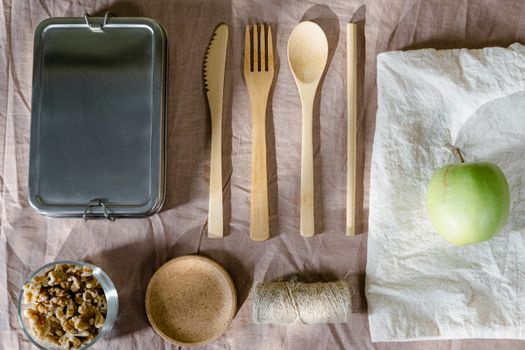
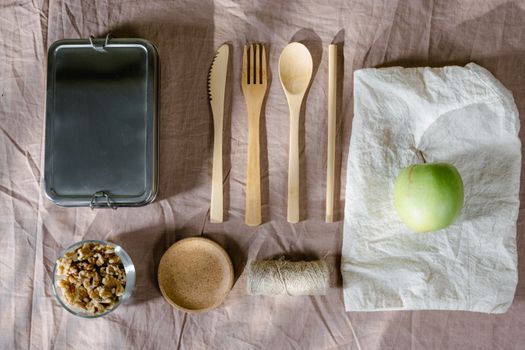
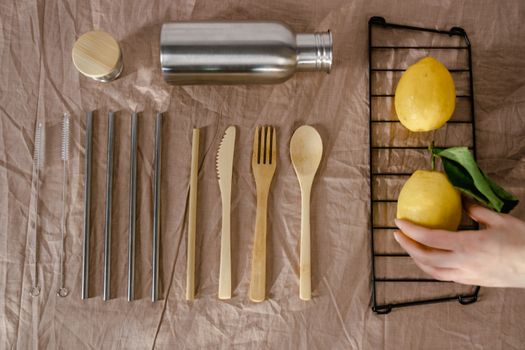
- Portable Cutlery Set & Straw: A small bamboo or stainless steel set (fork, spoon, knife, chopsticks, straw, cleaner) tucked into a fabric pouch is invaluable for street food, picnics, or avoiding single-use plastic at cafes. I can’t count the number of times my bamboo fork has saved me from a flimsy plastic one at a food stall in Mexico City!
A few simple phrases in the local language can go a long way: "No plastic bag, please" or "No straw, thank you." A simple "Không ống hút" in Vietnamese or "Sin pajita, por favor" in Spanish shows respect and helps you avoid unwanted plastic.
Savvy Souvenirs & Shopping: Beyond the Plastic Trinket
We all love bringing home mementos, but souvenir shops are often overflowing with mass-produced plastic junk. How do locals shop? They go to markets, support artisans, and buy things they actually need and will use.
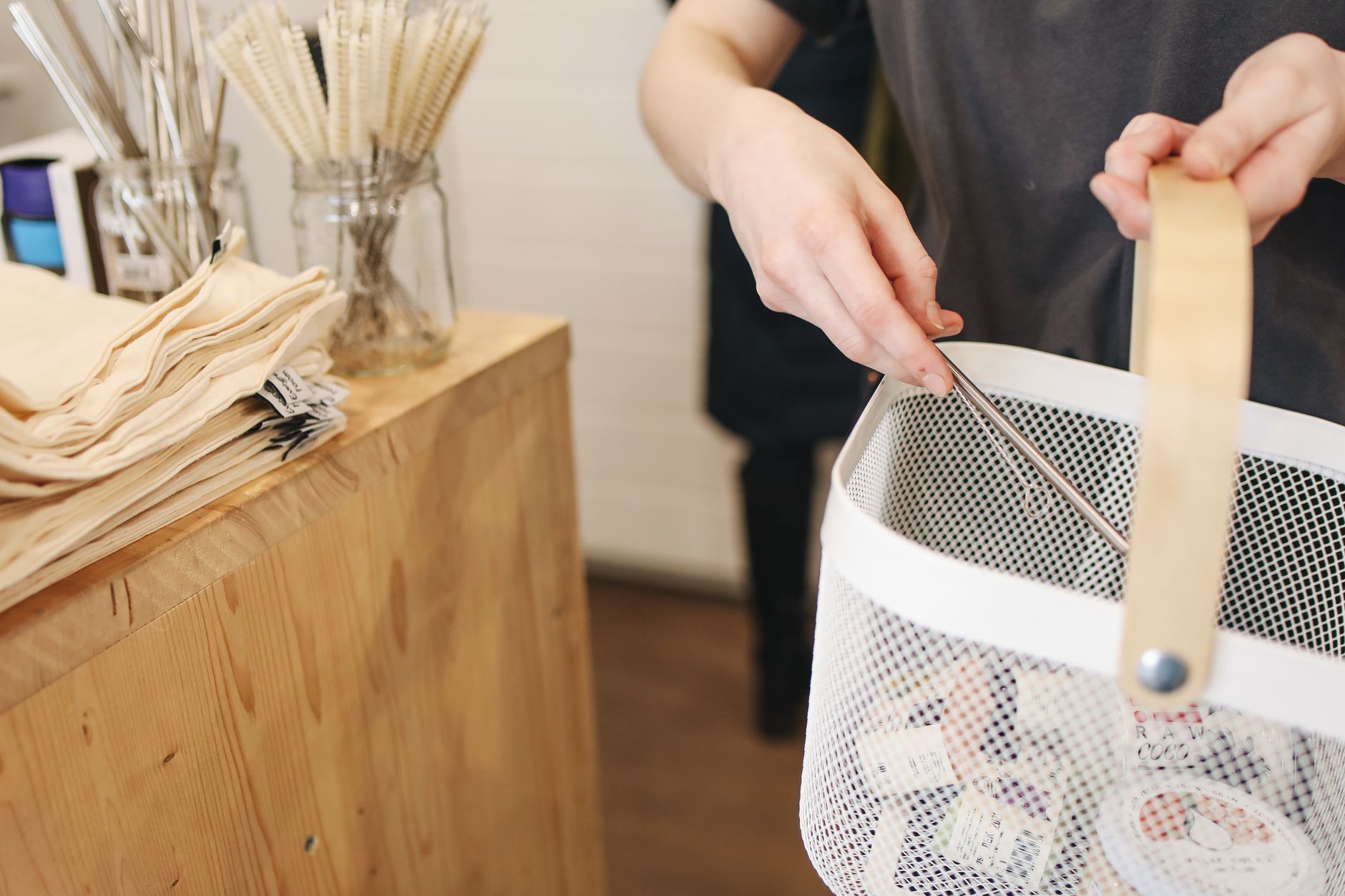
- The Ever-Present Reusable Shopping Bag: Always, always have one with you. Or two! I carry a small, foldable nylon bag and a slightly larger, sturdier canvas tote. I bought a beautiful hand-woven basket for about $15 in Oaxaca, Mexico, and used it as my primary shopping bag for the rest of my trip, then as a stylish carry-on for the flight home. It’s now a cherished piece of decor.
- Support Local Artisans & Crafts: Seek out handmade items made from local, natural materials. These are not only unique and beautiful but also support the local economy directly. Think pottery, textiles, wooden carvings, or local food products (e.g., olive oil in a reusable bottle, spices in a paper bag).
- Experiences Over Objects: Sometimes the best souvenir is a memory. Take a cooking class, attend a local festival, go on a guided hike, or enjoy a traditional performance. These create lasting memories without creating waste.
- Politely Say No: It's okay to decline a plastic bag, a free plastic pen, or a disposable coaster. A polite "No, thank you" with a smile is usually sufficient.
Before buying, ask yourself: Is this something I truly love? Is it well-made? Will I use it? Is it locally sourced? These questions guide you towards more mindful purchases.
Wardrobe Wisdom: Minimalist & Mindful Dressing
Believe it or not, your clothing choices can also contribute to a zero-waste journey. The goal here is a capsule wardrobe: versatile pieces that can be mixed and matched, minimizing the need for frequent washing (saving water and energy), and extending the life of your garments.
- The Capsule Wardrobe Approach:
- Multi-functional Pieces: Pack items that can be dressed up or down. A simple black dress can be casual with sandals or elegant with accessories.
- Quick-Drying Fabrics: Merino wool, bamboo, or quick-dry synthetics are fantastic for travel. They are often anti-odor, meaning you can wear them longer between washes. I swear by my merino wool t-shirts for multi-day hikes in Patagonia – no smell, quick to dry overnight!
- Limited Color Palette: Stick to a few complementary colors so everything matches.
- On-the-Go Laundry Solutions:
- Solid Laundry Bar/Sheets: Instead of liquid detergent (more plastic!), pack a solid laundry bar or a few laundry detergent sheets. Perfect for handwashing small items in a sink. A small bar can last for weeks and costs around $5-8.
- Stain Remover Bar: A small bar of stain remover can extend the life of your clothes by tackling spills immediately.
- Roll, Don't Fold: Rolling your clothes not only saves space but also helps prevent wrinkles, meaning less need for ironing (and energy use).
Remember, less is more. You don't need a different outfit for every Instagram post; you need comfortable, functional, and versatile clothing that allows you to experience your destination fully.
The Little Things That Count: Tech & Miscellaneous
It's often the small, seemingly insignificant items that contribute to waste. But with a little foresight, even these can be tackled.
- Reusable Tissues/Handkerchiefs: A simple, old-fashioned solution. Keep a couple of clean cotton handkerchiefs in your bag. They're soft, sustainable, and surprisingly convenient, especially in dusty environments like the markets of Marrakech or during allergy season in Kyoto.
- Reusable Bags for Everything: Beyond shopping, use small cloth bags for organizing your toiletries, electronics, or dirty laundry. This reduces the need for plastic ziplock bags.
- Digital Everything: Wherever possible, opt for digital tickets, boarding passes, and guidebooks. Save documents to your phone or cloud storage instead of printing.
- Power Bank: A fully charged power bank reduces your reliance on public charging stations (which might tempt you to buy a coffee in a disposable cup while you wait) and ensures your essential devices are always ready.
- Wired Headphones or Reusable Case: If you use wireless earbuds, ensure they have a durable, reusable charging case. Wired headphones eliminate the need for batteries and are often more durable.
These small shifts might seem insignificant individually, but collectively, they form a powerful statement of conscious travel.
Your Zero-Waste Journey Starts Now!
The "secrets" locals hold aren't really secrets at all. They are simply ways of living that prioritize resourcefulness, respect, and a deep connection to their environment. As travelers, we have the incredible opportunity to learn from these practices, to lighten our footprint, and to enrich our journeys in ways we never thought possible.
Zero-waste travel isn't about perfection; it's about progress. It’s about making conscious choices, one swap at a time. It’s about becoming a more mindful, respectful visitor, leaving behind only footprints and taking home only memories and a deeper understanding of our incredible world.
So, what’s your first zero-waste swap going to be for your next adventure? Will it be ditching the plastic water bottle, embracing a shampoo bar, or carrying your own shopping bag? Start small, be consistent, and watch how your travel experiences transform.
Share your zero-waste travel tips and triumphs in the comments below! Don't forget to tag #TripsoraZeroWaste on your next adventure – we can't wait to see your sustainable explorations!
---