I Stepped Off the Train and Smelt Crushed Thyme and Sun-Baked Clay
I stepped off the local regional train at Cavaillon, took a breath, and immediately smelled sun-baked clay, damp oak sawdust, and wild thyme crushed under work boots. It was 6:15 AM on a blistering July morning. The regional heatwave of mid-summer was already creeping over the dentelles of Montmirail, but at Farmstead La Coumes—a four-hectare, family-run biodynamic plot—the air was crisp, cool, and filled with the low hum of early-morning activity.
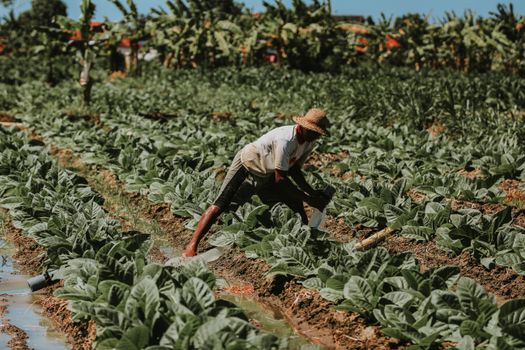
Farmer Jean-Pierre didn't hand me a slick tourist brochure or ask for a voucher. He handed me a pair of worn, wooden-handled serpettes (curved pruning knives), pointed toward three long rows of deep-purple Lavandula angustifolia, and handed me a heavy canvas sack. "Cut six inches below the blossom," he barked in fractured English, a broad grin cutting through his sun-weathered face. "We distill at nine. If the sun gets too high, the essential oils drop into the roots."
By noon, my shirtsleeves were stained yellow with plant resins, my fingers smelled like herbal honey, and I was sitting at a heavy oak trestle table eating fresh goat cheese wrapped in chestnut leaves, drizzled with raw lavender honey harvested forty feet from where I sat.
This isn't commercial, bus-tour agritourism where you pay $50 to take a selfie in a field you aren't allowed to touch. This is the new wave of agricultural tourism supporting small farmers in July 2026—a movement built on direct radical transparency, sweat equity, fair wages, and hyper-local immersion. If you are ready to trade glossy resorts for genuine human connections and soil-stained knees, here is your definitive blueprint for this summer's harvest season.
---
Why July 2026 is the Pivotal Moment for Smallholder Agritourism
Smallholder farmers—those managing fewer than two hectares—produce over one-third of the world's food, yet they remain vulnerable to volatile climate shifts, corporate land consolidation, and surging input costs. The summer of 2026 marks a turning point. A global surge in regenerative micro-agritourism is allowing family farms to bypass wholesale middlemen, earning up to 60% of their annual operating income directly through authentic, small-scale visitor stays and harvest labor partnerships.
When you book a legitimate agritourism stay in July, your money pays for irrigation repairs, heirloom seed preservation, soil-building compost programs, and living wages for seasonal farmhands. You aren’t just a spectator; you become an active economic buffer for small-scale agrarian communities.
---
5 World-Class Smallholder Agritourism Destinations for July 2026
1. The Val di Non Apple Orchards & Alpine Dairies (Trentino, Italy)
July in the high-altitude valleys of Northern Italy is an incredible sensory experience. While summer crowds choke Florence and Venice, the alpine pastures of Trentino are in full summer bloom. Small family co-ops (malghe) move their dairy cattle to upper pastures (alpage) to graze on wild orchids, dandelion greens, and clover.
- The Hands-On Work: You'll assist smallholders with morning milking, manual cheese turning in granite aging cellars, and thinning organic heirloom apple trees (Renetta Canada) before the autumn harvest.
- The Food Scene: Expect Canederli (bread dumplings) stuffed with raw-milk Trentingrana cheese, summer chanterelles sautéed in alpine butter, and crisp cold glasses of dry Groppello wine.
- Pro-Tip: Skip the main valley road. Take the narrow local bus from Trento up to Fondo, then walk the ancient gravel track behind the San Pellegrino chapel to reach Malga Castrin. Arrive by 5:30 AM if you want to watch cream separation using cold spring water systems installed in the 1880s.
``` [Alpine Pasture / Malga] │ ┌──────────────┴──────────────┐ ▼ ▼ Raw Milk Dairy Heirloom Orchards (Cheese Turning) (Fruit Thinning) │ │ └──────────────┬──────────────┘ ▼ Direct-to-Farmer Micro-Economy ($120-$160/night) ```
2. The High-Altitude Coffee Micro-Farms of Jericó (Antioquia, Colombia)
While the main coffee regions around Salento get flooded with backpackers, the rugged mountain village of Jericó retains its traditional agricultural heart. In July, smallholders finish their mid-year mitaca (fly-crop harvest).
- The Hands-On Work: Hand-selecting ripe crimson coffee cherries on steep 45-degree slopes, operating hand-cranked depulpers, and managing drying beds (elbas) under the equatorial sun.
- The Culture: Jericó remains deeply rooted in traditional Paisa muleteer culture. Farmers still arrive in town on horseback wearing hand-woven ruanas and carrying leather carrieles (traditional multi-pocket bags).
- Pro-Tip: Stay at Finca El Consuelo, a three-hectare biodynamic coffee plot run by the Agudelo family. Request the corner bedroom overlooking the cloud forest. The micro-climate drops down to a cool 15°C (59°F) at night, perfect for sleeping after a day on the slopes.
3. Heritage Terraced Rice Paddies & Melon Farms of Niseko (Hokkaido, Japan)
Most travelers know Niseko for winter powder snow, but July transforms the volcanic valley into an agricultural wonderland. Micro-farmers here specialize in organic Yubari-style muskmelons, sweet corn, and cold-water terraced rice paddies nourished by Mt. Yotei’s mineral-rich snowmelt.
- The Hands-On Work: Hand-weeding terraced rice paddies using traditional wooden tools (kama), pruning organic melon vines to ensure one prize fruit per plant, and digging early-season heritage potatoes.
- The Reward: Soaking tired muscles in geothermal onsens right on the farm property, followed by a dinner of cold soba noodles made from buckwheats harvested in the adjacent field.
- Pro-Tip: Rent an electric-assist bicycle at Kutchan Station rather than hiring a car. The backroads between Kutchan and Makkari are flat, paved, and lead straight to unadvertised roadside farm stalls (unmanned sales stands called Wabi-Sabi boxes) selling sun-warmed, perfectly ripe melons for 500 yen ($3.30 USD).
4. Permaculture & Native Berry Restoration in the Willamette Valley (Oregon, USA)
For travelers seeking modern agroecological methods, the small family farms ringing Corvallis and Eugene offer cutting-edge models of regenerative agriculture. July brings an absolute explosion of marionberries, wild blackberries, heirloom tomatoes, and dry-farmed melons.
- The Hands-On Work: Building hugelkultur beds, installing solar-powered drip lines, hand-picking delicate berries for direct farm-gate sales, and managing pasture-raised heritage chicken flocks.
- The Vibe: Grassroots, educational, and deeply community-oriented. Evening meals are taken family-style under black walnut trees, with conversations centered on soil microbiology, water rights, and seed sovereignty.
- Pro-Tip: Look for farms certified by the Real Organic Project or AWA (Animal Welfare Approved) rather than generic industrial organic labels. Contact farms like Gathering Together Farm or small micro-plots in the Coast Range foothills 2-3 months in advance for July stays.
5. Heritage Lavender & Olive Micro-Groves of the Luberon (Provence, France)
Beyond the commercial tourist fields of Abbaye de Sénanque lie dozens of smallholder plots (under 5 hectares) struggling to preserve true heritage lavender (Lavandula angustifolia) against industrial hybrid lavandin production. July is peak harvest season.
- The Hands-On Work: Hand-sickling lavender stalks, loading copper steam distillation stills, and weeding around ancient olive trees.
- The Insider Details: You will learn to spot true high-altitude lavender by its single flower spike per stem (hybrid lavandin branches into three). True lavender oil carries a distinct herbaceous, slightly peppery scent, totally devoid of the harsh camphor smell found in cheap commercial soaps.
- Pro-Tip: The hidden entrance to the best micro-distillery in the region, run by the Bonnard family, is hidden behind an unmarked blue wooden door along the gravel track at kilometer marker 14 on the D8 road outside Bonnieux. Walk in around 4:00 PM when they bleed the hydrosol from the copper pots.
---
How to Verify You Are Supporting Real Smallholders (Avoiding "Agri-Greenwashing")
As agritourism explodes in popularity for 2026, corporate resorts and real estate developers are buying up farm properties, dropping in luxury plunge pools, keeping three rows of wine grapes for aesthetics, and calling themselves an "eco-agritourismo."
To ensure your money reaches actual working smallholders, run every prospective farm through this 4-Point Authenticity Checklist:
``` AGRITOURISM AUTHENTICITY CHECKLIST ┌─────────────────────────────────────────────────────────────────┐ │ [ ] 1. Operational Ratio: At least 70% of land is active food/ │ │ fiber production, not manicured lawns or golf courses. │ │ │ │ [ ] 2. Direct Farmer Connection: The farm owner lives on site │ │ and actively oversees daily agricultural operations. │ │ │ │ [ ] 3. Transparent Sourcing: Minimum 80% of food served on-site │ │ is grown on the farm or sourced within 15 miles. │ │ │ │ [ ] 4. Direct Payment: Booking fees go directly to the family │ │ via local cooperative portals, direct wire, or cash. │ └─────────────────────────────────────────────────────────────────┘ ```
---
July 2026 Logistics, Budgeting, & Travel Quick Facts
Planning a trip centered on rural farm stays requires a different tactical approach than booking an urban hotel stay. Weather drives the daily schedule, public transit can be sparse, and physical exertion is part of the experience.
Recommended Packing Essentials
- Footwear: Broken-in, waterproof trail running shoes or light work boots. (Never wear brand-new boots to a farm stay; blisters will end your trip on Day 1).
- Clothing: Breathable linen or bamboo long-sleeve shirts (sun protection without overheating), durable canvas work trousers, and a wide-brim straw hat.
- Gear: A 10L dry bag for dusty harvest fields, a high-lumen headlamp for 5:00 AM barn runs, and garden gloves with nitrile-coated palms.
Comprehensive Logistics Matrix
| Destination | Estimated Daily Cost (USD) | Primary July Harvest | Best Transit Hub | Minimum Stay Recommended | | :--- | :--- | :--- | :--- | :--- | | Trentino, Italy | $110 - $160 | Alpine Cheese, Heirloom Apples | Trento Train Station + Local PostBus | 4 Days | | Antioquia, Colombia | $45 - $80 | Fly-Crop Coffee, Passionfruit | Medellín (Bus from Terminal Sur) | 5 Days | | Hokkaido, Japan | $90 - $140 | Muskmelons, Cold-Water Rice | Shin-Hakodate-Hokuto or Sapporo | 3 Days | | Oregon, USA | $130 - $210 | Heritage Berries, Dry-Farm Produce | Portland Airport (PDX) + Rental Car | 3 Days | | Provence, France | $140 - $220 | Heritage Lavender, Early Olives | Avignon TGV Station + Regional Bus | 4 Days |
\Note: Daily costs include basic farmstay lodging, three farm-to-table meals, and hands-on farm workshop access.
---
A Day in the Life: What to Expect on a Working Farm Stay
If you've never spent a week living and working alongside a smallholder farming family, drop your expectations of standardized hotel service at the farm gate. Your daily rhythm shifts away from artificial clock-time to match the movement of the sun and the needs of livestock and crops.
``` 05:30 AM ── Morning Call & Espresso (First chores before heat sets in) 06:00 AM ── Field Harvest / Livestock Care (2-3 hours of hands-on work) 09:00 AM ── Hearty Farmhand Breakfast (Eggs, fresh bread, farm jams) 11:30 AM ── Processing & Kitchen Prep (Distillation, cheese turning, seed sorting) 01:30 PM ── Midday Siesta / Rest (Avoiding peak UV hours) 04:00 PM ── Afternoon Irrigation & Maintenance 07:30 PM ── Communal Dinner & Wine (Storytelling and planning tomorrow's tasks) ```
The Unfiltered Reality
You will wake up to roosters or tractor engines, not silent blackout curtains. You will get dirt under your fingernails, scrape your knuckles on fruit crates, and collapse into bed at 9:30 PM with pleasantly aching muscles and a completely clear mind.
The reward isn't a mint on your pillow. The reward is standing on a hillside at dusk, looking down at three acres of thriving organic produce, and knowing that your presence, your money, and your physical effort helped keep that small piece of land in the hands of a family who loves it.
---
Final Thoughts: Changing the Way We Travel in 2026
Tourism has spent decades taking from host communities—consuming space, driving up local housing costs, and turning vibrant cultures into staged performances. Agricultural tourism supporting small farmers in July 2026 flips that dynamic on its head.
When you step off the beaten track and onto a working smallholding, you stop being a passive consumer of landscapes and start becoming an active participant in their preservation. You leave with more than just photographs; you leave with deep respect for the hands that feed us, stories etched in sweat and soil, and the knowledge that your journey made a tangible, lasting difference.
Pack your work gloves, leave your high heels and dress shoes behind, and step into the fields this summer. The soil is waiting.
---