The Hook: Why I Swapped the Beach for the Barley Field
I stepped off the local diesel train in the Basque hills, and the first thing that hit me wasn’t the ocean breeze—it was the sharp, fermented tang of crushed apples and damp slate. My hands were still stained purple from the wild blackberries I’d plucked along the trackside.
Within ten minutes, I wasn’t sitting in a sterile hotel lobby. I was standing in a stone cellar dating back to 1542, holding a wooden glass while a third-generation farmer named Egoitz yelled "Txotx!" and cracked open a massive chestnut barrel. A stream of cloudy, sour cider shot through the air, splashing into my glass and releasing a fizz that tasted of wild yeast, rain, and centuries of stubborn resilience.
This wasn't a curated performance for tourists. This was Tuesday afternoon on a working farm.
``` ____ __ _ / __ \____ _____ ____/ /_ ______ _(_)___ ____ _ / /_/ / __ `/ __ \/ __ / / / / __ \/ / / __ \/ __ `/ / _, _/ /_/ / / / / /_/ / /_/ / /_/ / / / / / / /_/ / /_/ |_|\__,_/_/ /_/\__,_/\__, / .___/_/_/_/ /_/\__, / /____/_/ /____/ ```
Travelers are exhausted by overtourism, sterile luxury, and greenwashed resorts. This summer, the most coveted itineraries don't involve infinity pools; they involve getting dirt under your fingernails. Agricultural tourism supporting small farmers that are trending this summer is about mutual survival: travelers get unmatched culinary authenticity, and independent farmers get the diversified income needed to fight industrial monoculture.
Here are five world-class, community-first farm stays and agricultural experiences to book right now.
---
1. The Basque Cider Orchard Revival (Astigarraga, Spain)
High up in the green folds of Gipuzkoa, small-scale apple farmers are fighting back against industrial beverage conglomerates by opening their orchards to travelers. This isn't the sweet, carbonated cider you find in supermarkets; Basque sagardoa is bone-dry, flat, and wildly complex.
The Experience
You will stay at a traditional caserío (stone farmhouse), wake up to the sound of sheep bells, and spend your mornings helping clear orchards or managing the ancient beehives that pollinate the apple blossoms. In the evenings, you’ll join the family in the sagardotegi (cider house) for a traditional meal of salt cod omelets, massive bone-in ribeyes grilled over oak coals, and unlimited cider poured straight from the kupela (barrel).
- The Impact: Your stay directly funds the preservation of native Basque apple varieties (like Gezamina and Moko) that are threatened by commercial orchard clearance.
- Pro-Tip: Do not try to pour the cider yourself. Wait for the host to call "Txotx!" (pronounced chotch). Hold your glass near the floor and catch the stream as high up as possible to naturally aerate the flat liquid.
---
2. Regenerative Cork & Olive Farming in Alentejo (Portugal)
The Alentejo region is Portugal’s agricultural heartland, but rising temperatures are threatening traditional farming. At family-run estates like Herdade do Freixo do Meio, farmers are using ancestral agroforestry systems to fight desertification—and they want you to help.
The Experience
Forget manicured olive groves. This is a wild, biodynamic montado (cork oak forest) where black Alentejano pigs roam free, eating acorns beneath towering oaks.
You’ll spend your days learning the delicate art of cork harvesting (which is done entirely by hand using specialized axes) or pressing wild rosemary and lavender into essential oils. Accommodations are restored clay-walled worker cottages that stay naturally cool in the dry summer heat.
``` +------------------+----------------------------------------------------+ | Soil Type | Granite & Quartz-rich clay | +------------------+----------------------------------------------------+ | Key Crops | Galega olives, cork oak, acorns, wild rosemary | +------------------+----------------------------------------------------+ | Summer Activity | Manual cork stripping & cold-press olive oil runs | +------------------+----------------------------------------------------+ ```
- The Impact: Traditional montado farming supports high biodiversity. By staying here, you fund the labor-intensive maintenance of these delicate ecosystems, preventing them from being sold off to intensive eucalyptus plantations.
- Pro-Tip: The farm shop sells a jar of wild acorn honey. Buy three. It has a deep, smoky, molasses-like flavor that you cannot find anywhere else on earth.
---
3. Extreme Volcanic Viticulture on Pantelleria (Italy)
Pantelleria is a black volcanic rock dropped in the Mediterranean between Sicily and Tunisia. Here, the wind blows so fiercely that grapevines cannot grow upright. To survive, local farmers developed the alberello pantesco—a system where vines are grown inside deep, hand-dug stone basins.
The Experience
This is wine tasting at its most rugged. You will work alongside heroic farmers on dizzying, dry-stone terraces, hand-harvesting Zibibbo grapes that are laid out on mats under the blazing sun to dry into sweet Passito di Pantelleria.
The work is backbreaking, but the reward is staying in a dammuso—a traditional volcanic stone house with dome-shaped roofs designed to collect rainwater.
- The Impact: The alberello vine-training system is a UNESCO Intangible Cultural Heritage practice. Without tourism dollars, young islanders would abandon these labor-intensive terraces for mainland jobs, letting this ancient agricultural art die out.
- Pro-Tip: The best views are at the Salvatore Murana estate. Walk down the dirt path behind the main cellar at 7:30 PM to watch the sunset over the African Sea with a glass of unfiltered Zibibbo in hand.
---
4. High-Alpine Cheese Making in Vorarlberg (Austria)
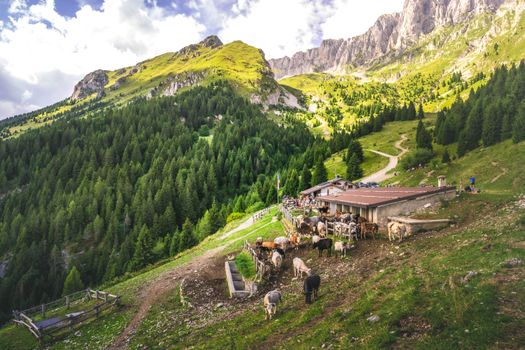
Every summer, Austrian farmers practice transhumance—moving their dairy herds up to high-altitude alpine pastures (alps) to graze on fresh summer wildflowers, herbs, and sweet grasses. The milk they produce is turned into legendary Bergkäse (mountain cheese).
The Experience
Along the KäseStrasse Bregenzerwald (Cheese Road), small family cooperatives have opened their high-altitude huts to travelers. You’ll wake up at 4:30 AM to the sound of cowbells, help milk the brown Austrian cows, and stand over steaming copper vats stirring curds with a wooden paddle.
The air smells of alpine clover, fresh whey, and woodsmoke.
- The Impact: This three-stage alpine pasture system is highly sustainable but economically vulnerable. Your visit directly supports the small-scale dairy farmers who maintain the alpine meadows, preventing land erosion and forest overgrowth.
- Pro-Tip: Ask the farmer for Sennsuppe—a traditional, highly nourishing soup made from the warm whey left over from the cheese-making process, spiced with nutmeg and wild chives.
---
5. Wild Rooibos and Fynbos Foraging in Cederberg (South Africa)
Three hours north of Cape Town lies the Cederberg, a rugged wilderness of dramatic orange sandstone formations and the only place on earth where wild rooibos grows. Here, local indigenous communities are reclaiming their agricultural heritage through sustainable harvesting.
The Experience
You will stay with the Heuningvlei community, a small village of smallholder farmers. Guided by local elders, you will hike into the rocky slopes to harvest wild rooibos using traditional sickles.
Afterward, you’ll help crush, ferment, and sun-dry the tea leaves on outdoor concrete slabs, watching the green needles turn a rich, mahogany red under the African sun.
- The Impact: This community-owned tourism initiative ensures that 100% of the profits stay within the local village, funding school infrastructure and solar power setups.
- Pro-Tip: The wild rooibos harvested by hand has ten times the antioxidant kick of plantation-grown tea. Drink it cold with a squeeze of wild lemon after a long hike.
---
Summer Agritourism: Quick Facts & Logistics
| Destination | Best Month | Est. Weekly Cost ($) | How to Get There | Impact Focus | | :--- | :--- | :--- | :--- | :--- | | Astigarraga, Spain | July – August | $850 – $1,200 | Fly to San Sebastián; take the local bus line E21. | Preserving heirloom apple orchards. | | Alentejo, Portugal | June | $700 – $1,050 | Train from Lisbon to Évora; rent an electric car. | Combating desertification via agroforestry. | | Pantelleria, Italy | August – September | $1,100 – $1,600 | Overnight ferry from Trapani (Sicily) or direct flight. | Preserving UNESCO dry-stone farming. | | Vorarlberg, Austria | July | $900 – $1,300 | Train to Bregenz; regional bus to Bregenzerwald. | Supporting traditional alpine transhumance. | | Cederberg, South Africa | August | $600 – $950 | 4x4 rental from Cape Town; drive via Clanwilliam. | Empowering indigenous smallholders. |
---
How to Be a Great Farm Guest (Not a Burden)
Small farms are working businesses, not theme parks. To ensure your stay is mutually beneficial, follow these ground rules:
- Respect the Boundaries: If a gate is closed, leave it closed. If a sign says "Private," don't wander in search of a photo op.
- Pack the Right Gear: Leave the designer sneakers at home. You need sturdy, closed-toe boots, a wide-brimmed hat, and clothes you don't mind staining with grease, mud, or berry juice.
- Buy Direct: Don't haggle over the price of farm-made goods. That jar of honey or bottle of olive oil represents hundreds of hours of manual labor. Buy it at asking price, and buy extra for gifts.
- Embrace the Pace: Farm life is governed by weather and livestock, not Wi-Fi speeds. If the tractor breaks down and your host is delayed, grab a book or enjoy the quiet.
---
The Verdict: Dirt Over Decadence
Our connection to where our food comes from has never been more fractured. This summer, choosing to spend your travel budget on agricultural tourism supporting small farmers that are trending this summer is more than just a great vacation. It’s a vote for a slower, more delicious, and infinitely more resilient world.
Go get your hands dirty.
---