The Ultimate Guide: Agricultural Tourism Supporting Small Farmers Travel Advisors Suggest
I stepped off the dusty, sun-baked road and into a symphony of buzzing bees and the sweet, earthy perfume of ripe tomatoes. The air, thick with the scent of basil and damp soil, felt alive. Before me, rows of vibrant green vines stretched towards a sky painted in hues of cerulean and gold. This wasn't just a pretty landscape; it was a living, breathing testament to generations of hard work and dedication. This, my friends, is the heart of agricultural tourism – travel that not only enriches your life but actively uplifts the very people who cultivate our world.
As a travel journalist and SEO strategist for Tripsora, I’ve seen my fair share of picturesque destinations. But there’s a profound magic in connecting with the land and the hands that tend it. Agricultural tourism, when done right, offers an unparalleled opportunity to experience authentic culture, savor incredible food, and make a tangible difference. And the best part? Travel advisors are increasingly championing these experiences, guiding us towards hidden gems and ensuring our travel dollars have a positive impact.
Why Agricultural Tourism is More Than Just a Vacation
Forget sterile resorts and overcrowded attractions. Agricultural tourism is about immersion. It’s about understanding where your food comes from, the stories behind the wine in your glass, and the rhythms of rural life. It’s a chance to slow down, breathe deeply, and reconnect with something fundamental.
But the benefits extend far beyond the personal. By choosing agricultural tourism experiences that prioritize small, independent farmers, we become active participants in preserving local traditions, supporting sustainable practices, and fostering economic resilience in rural communities. This isn't just about a "farm-to-table" meal; it's about a "farm-to-soul" journey.
Unearthing Hidden Gems: Farm Stays That Will Steal Your Heart
The ultimate agricultural tourism experience often begins with a place to rest your head. Forget impersonal hotels; imagine waking up to the gentle lowing of cows or the crowing of a rooster, with the aroma of freshly baked bread wafting from the farmhouse kitchen.
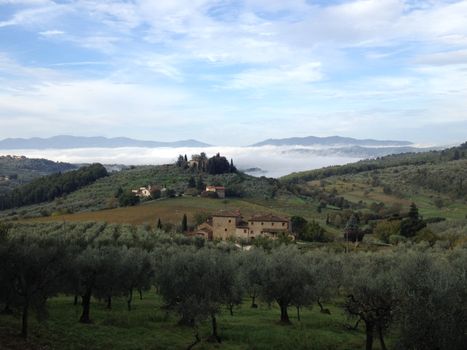
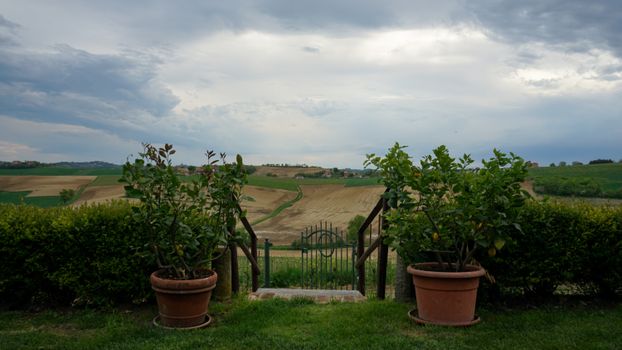
The Tuscan Villa with a Twist: I once stayed at a small, family-run agriturismo in Tuscany. It wasn't a sprawling estate, but a beautifully restored stone farmhouse overflowing with olive groves and vineyards. Mornings were spent helping Nonna knead dough for her famous pane toscano, the rough flour dusting my hands, her stories of harvests past a gentle hum in the background. Afternoons were for exploring the property, learning about their organic olive oil production, and tasting their robust Chianti Classico straight from the barrel.
- Pro-Tip: Many agriturismos offer cooking classes! Ask your travel advisor about ones that focus on traditional regional recipes.
- Insider Lingo: Look for places that proudly display their 'Azienda Agricola' designation – this signifies a working farm, not just a tourist accommodation.
The Lavender Fields of Provence: Picture this: rolling hills blanketed in fragrant purple lavender, buzzing with bees, and the distant chime of sheep bells. A stay at a small Provençal farm offering lavender-based products is pure sensory bliss. You can participate in the harvest, learn to distill essential oils, and enjoy picnics surrounded by the intoxicating scent.
- Pro-Tip: Visit during the peak bloom season (late June to early August) for the most spectacular displays.
- Authenticity Check: Seek out farms that also produce other local goods like honey, goat cheese, or herbs.
Beyond the Farm Gate: Vineyard & Orchard Adventures
Agricultural tourism isn't limited to staying on a farm. Many regions offer incredible opportunities to explore and engage with specialized agricultural producers.
The Artisan Vineyard Experience: Wine tasting is a classic, but elevate it by visiting smaller, boutique wineries that are deeply connected to their land. Many offer vineyard walks where you can learn about grape varietals, soil types, and the organic or biodynamic farming methods they employ.
- Pro-Tip: Arrange for a private tasting and tour. This often allows for more in-depth conversations with the winemaker and a more personal experience.
- Hidden Entrance: Some of the best small wineries are tucked away down unpaved roads. Your travel advisor can help you find them.
The Orchard Immersion: Imagine a crisp autumn day, the air alive with the scent of apples and cinnamon, as you wander through an orchard laden with fruit. Many apple farms offer "pick-your-own" experiences, cider pressing demonstrations, and delicious homemade pies.
- Authenticity Check: Look for orchards that also produce their own ciders, juices, or jams. This indicates a deeper commitment to their produce.
The Farm-to-Table Phenomenon: Culinary Journeys with Purpose
The farm-to-table movement is at the core of impactful agricultural tourism. It’s about experiencing the freshest ingredients, prepared with passion, and understanding the journey from soil to plate.
The Local Market & Culinary Workshop: Many agricultural destinations offer guided tours of local farmers' markets, followed by a hands-on cooking workshop using the very ingredients you just purchased. This is an incredibly rewarding way to connect with regional cuisine.
- Pro-Tip: Arrive at the market early, before the crowds, to get the best selection and chat with the farmers.
- Insider Knowledge: Ask your instructor about the seasonality of ingredients and how they influence traditional dishes.
The Olive Oil Trail: In regions like the Mediterranean, exploring olive groves and learning about olive oil production is a journey for the senses. You can visit mills, witness the pressing process, and participate in guided tastings, learning to discern the subtle nuances of different oils.
- Authenticity Check: Seek out producers who emphasize cold-pressing and traditional methods.
- Sensory Detail: Pay attention to the color, aroma, and peppery finish of the oil – these are indicators of quality.
Supporting Small Farmers: The Travel Advisor Advantage
This is where your trusted travel advisor truly shines. They have the insider knowledge, the established relationships, and the passion for responsible travel to curate experiences that are both unforgettable and impactful.
- Curated Connections: Travel advisors can connect you with small, family-run farms and producers who might not have the extensive marketing budgets of larger operations.
- Ethical Sourcing: They understand which businesses are truly committed to sustainable practices and fair treatment of their workers.
- Logistical Expertise: Navigating rural areas, booking authentic accommodations, and arranging unique activities can be complex. Advisors streamline this, ensuring a seamless and enriching journey.
- Personalized Recommendations: Based on your interests – be it wine, cheese, gardening, or simply a desire for peace and quiet – an advisor can tailor an agricultural tourism itinerary just for you.
The Ripple Effect: Your Travel Makes a Difference
Every time you choose to stay at a small farm, dine at a farm-to-table restaurant sourcing local produce, or purchase goods directly from a farmer, you are contributing to the vitality of rural communities. You are helping to:
- Preserve Traditional Farming Methods: Supporting small farmers helps keep age-old techniques and crop diversity alive.
- Boost Local Economies: Your spending directly benefits families and communities, creating jobs and fostering economic growth.
- Promote Sustainable Agriculture: Many small farmers are stewards of the land, employing practices that are better for the environment.
- Protect Rural Landscapes: Agritourism can provide an economic incentive for farmers to keep their land in cultivation, preventing it from being developed.
Quick Facts: Planning Your Agricultural Tourism Adventure
| Category | Details | Estimated Cost ($) | Best Time to Visit | How to Get There | | :-------------------- | :---------------------------------------------------------------------- | :----------------- | :----------------------------------------------- | :--------------------------------------------------------------------------------------------------------------------------------------------- | | Farm Stays | Homestays, guesthouses on working farms, restored farmhouses | $80 - $250/night | Varies by region; harvest seasons are popular | Car rental is often best for flexibility; some rural areas have limited public transport. | | Vineyard Tours | Guided vineyard walks, wine tastings, cellar tours | $50 - $150/person | Grape harvest season (late summer/fall) | Often accessible by car; some wine regions have dedicated shuttle services or train lines. | | Orchard Visits | Pick-your-own fruit, cider tasting, farm markets | $30 - $75/person | Fruit-specific seasons (e.g., apples in fall) | Typically requires a car; many are in semi-rural or rural areas. | | Culinary Workshops | Hands-on cooking classes, market tours | $75 - $200/person | Year-round, depending on the focus | Varies; often best accessed from nearby towns or cities. | | Olive Oil Tasting | Mill tours, tasting sessions, grove walks | $40 - $100/person | Olive harvest season (late fall/early winter) | Often requires a car; some tours include transport from a central meeting point. |
Costs are estimates and can vary significantly based on location, duration, and inclusions. Always consult with your travel advisor for precise pricing.
Embrace the Journey: Tips for an Authentic Experience
- Be Open and Curious: Engage with the farmers and their families. Ask questions. Learn their stories.
- Pack Appropriately: Comfortable walking shoes, layers of clothing, and perhaps a hat and sunscreen are essential.
- Respect the Land and Livestock: Follow any guidelines provided by your hosts.
- Support Local Artisans: Beyond produce, many rural areas have incredible craftspeople.
- Disconnect to Reconnect: Embrace the slower pace. Put down your phone and soak in the surroundings.
Agricultural tourism offers a powerful way to travel with intention. It’s a journey that nourishes the body, enriches the mind, and supports the backbone of our food systems – the small farmers. Let your next adventure be one that blooms with purpose.