The Hook: A Symphony of Sounds and Scents
I stepped off the train and into a different world. The air wasn't thick with exhaust fumes, but alive with the gentle lapping of water, the cheerful chatter of locals echoing off ancient stone, and the faint, sweet aroma of freshly baked pastries mingling with the salty tang of the nearby sea. No honking horns, no roaring engines – just the rhythmic hum of human life. This was my first taste of a truly car-free city, and it was intoxicating. Forget the stress of navigating congested streets; here, the journey is the destination, a delightful exploration on foot or by water.
The Rise of the Pedestrian Paradise: Why Car-Free is the Future of Urban Tourism
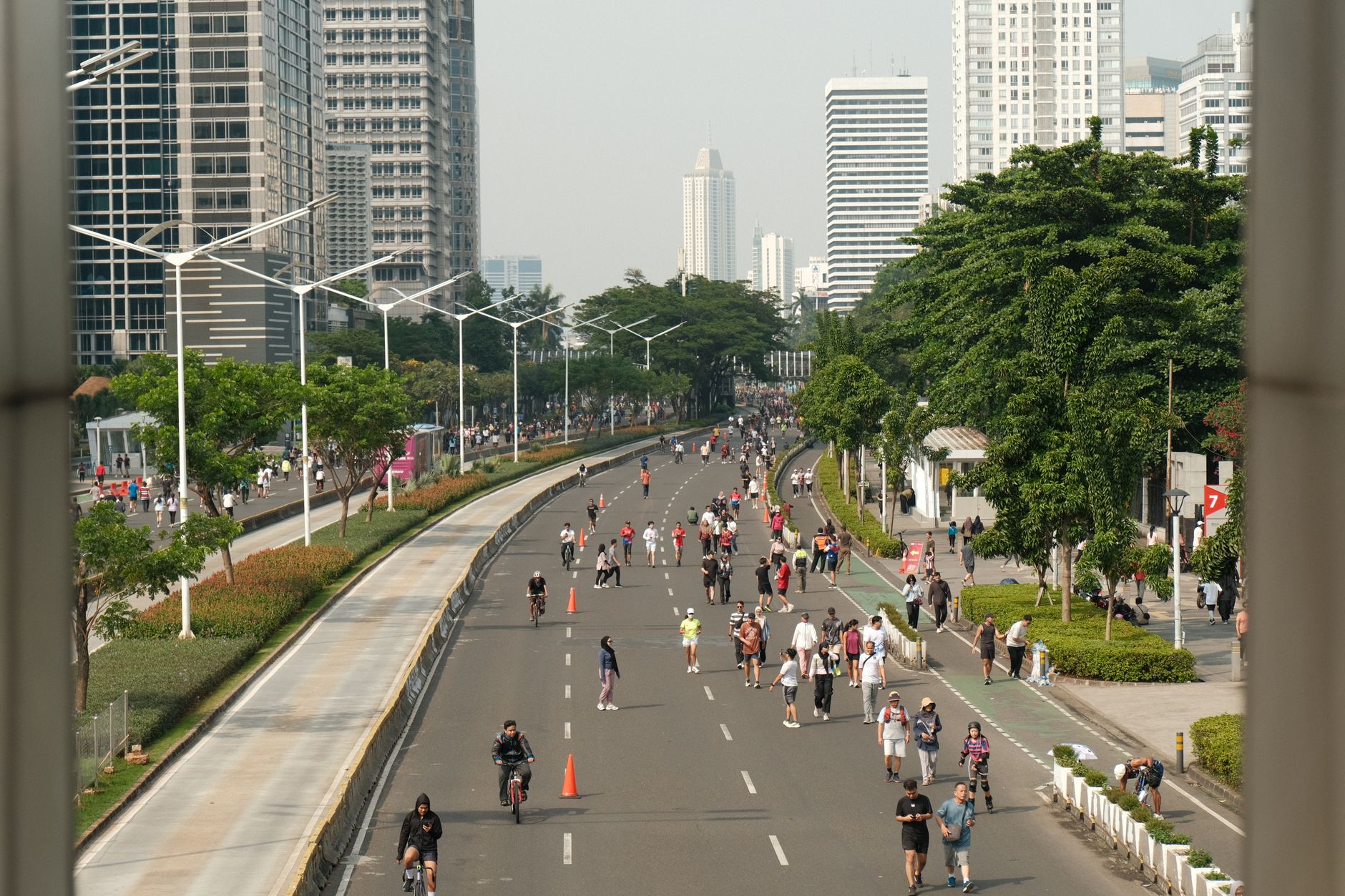
As the world grapples with climate change and the desire for more authentic, immersive travel experiences, car-free cities are experiencing a renaissance. Experts are increasingly recommending these urban oases for their unparalleled charm, reduced pollution, and the sheer joy of unhurried exploration. They offer a refreshing antidote to the often-overwhelming sensory overload of modern metropolises, allowing travelers to connect with a place on a deeper, more intimate level. It’s not just about avoiding traffic; it’s about reclaiming the streets for people, fostering a vibrant community spirit, and creating a more sustainable, enjoyable travel experience for everyone.
Beyond the Obvious: Uncovering Hidden Car-Free Gems
While Venice and Amsterdam often spring to mind, the world is brimming with incredible car-free and car-restricted destinations that offer unique experiences. These cities are not just about canals and bicycles; they are about meticulously preserved history, thriving local cultures, and innovative approaches to urban living. We've scoured the globe to bring you a curated selection of destinations that are truly perfecting urban tourism, one pedestrian step at a time.
1. Venice, Italy: The Timeless Floating City
The Quintessential Car-Free Experience. Venice is the undisputed queen of car-free cities, a labyrinth of canals, bridges, and impossibly narrow calli (alleys). Stepping into Venice is like stepping back in time. The absence of cars forces a slower pace, encouraging you to truly see and hear the city.
- Sensory Delights: Imagine the glint of sunlight on the Grand Canal, the distant strains of an accordion, the aroma of cicchetti (Venetian tapas) wafting from a bacaro, and the feeling of ancient stone beneath your feet.
- Insider Tip: Get lost! Seriously. Wander away from the San Marco crowds. The Dorsoduro district offers incredible art galleries and charming, less-trodden canals.
- Pro-Tip: Hire a gondola at dawn or dusk for a truly magical, crowd-free experience. Negotiate the price beforehand.
- Authenticity: Don't just visit St. Mark's Square; seek out the smaller campi (squares) where locals gather. Sample Sarde in Saor (sweet and sour sardines) at a traditional bacaro.
Quick Facts: Venice
| Category | Details | | :---------------- | :------------------------------------- | | Estimated Cost ($$) | $$$$ (can be pricey, but budget options exist) | | Best Time to Visit | April-May, September-October (pleasant weather, fewer crowds) | | How to Get There | Fly into Venice Marco Polo Airport (VCE) or Treviso Airport (TSF) and take a water bus (Vaporetto) or Alilaguna water taxi into the city. Trains arrive at Venezia Santa Lucia station, which is directly on the Grand Canal. |
2. Bruges, Belgium: A Fairytale Flemish Gem
Where Medieval Charm Meets Modern Walkability. Bruges feels plucked straight from a storybook. Its UNESCO-listed medieval center is a masterpiece of preserved architecture, crisscrossed by picturesque canals and cobbled streets.
- Sensory Delights: The scent of Belgian waffles and rich chocolate fills the air. The gentle clip-clop of horse-drawn carriages on cobblestones creates a timeless soundtrack. The sight of gingerbread-like houses reflected in the serene canals is simply breathtaking.
- Insider Tip: Rent a bicycle! While the city center is small enough to walk, cycling along the canal paths offers a different perspective and allows you to explore the outer edges with ease.
- Pro-Tip: Visit the Markt square early in the morning before the day-trippers arrive to truly appreciate its grandeur.
- Authenticity: Indulge in moules-frites (mussels and fries) at a local brasserie. Try a Trappist beer – the locals take their brews seriously! Explore the Beguinage (Begijnhof), a tranquil oasis of white-washed houses.
Quick Facts: Bruges
| Category | Details | | :---------------- | :------------------------------------- | | Estimated Cost ($$) | $$$ (moderate to expensive) | | Best Time to Visit | May-June, September-October (mild weather, beautiful foliage) | | How to Get There | Fly into Brussels Airport (BRU) and take a direct train to Bruges. The train station is a short walk or bus ride from the city center. |
3. Fes, Morocco: An Ancient Medina Unveiled
The World's Largest Car-Free Urban Area. Prepare to be transported. The Fes el-Bali medina is a sprawling, living museum, a UNESCO World Heritage site that has remained virtually unchanged for centuries. It’s a sensory explosion unlike any other.
- Sensory Delights: The pungent aroma of the tanneries, the sweet scent of mint tea, the vibrant colors of spices and textiles in the souks, the melodic call to prayer, and the constant buzz of human activity.
- Insider Tip: Hire a local guide! The medina is a true labyrinth, and a knowledgeable guide will not only help you navigate but also reveal hidden courtyards and explain the intricate history of this ancient city.
- Pro-Tip: Visit the tanneries from one of the surrounding leather shops (they often offer terraces with a view). Be prepared for the strong smell – it's part of the experience!
- Authenticity: Sample a traditional tagine cooked in an earthenware pot. Haggle respectfully in the souks for hand-woven carpets or intricate metalwork. Witness the craftsmanship at the Nejjarine Museum of Wooden Arts & Crafts.
Quick Facts: Fes
| Category | Details | | :---------------- | :------------------------------------- | | Estimated Cost ($$) | $$ (very affordable) | | Best Time to Visit | March-May, September-November (pleasant temperatures) | | How to Get There | Fly into Fes–Saïs Airport (FEZ). Taxis are available to the medina entrance. |
4. Giethoorn, Netherlands: The "Venice of the North"
A Village Where Boats Replace Cars. Forget roads; in Giethoorn, the primary mode of transport is by boat along its network of picturesque canals. This charming village offers a tranquil escape and a unique perspective on Dutch rural life.
- Sensory Delights: The gentle hum of electric boats (whisper boats), the rustling of reeds, the chirping of birds, the scent of blooming flowers in summer gardens, and the peaceful stillness punctuated only by the sounds of nature.
- Insider Tip: Rent your own electric "whisper boat" and explore at your own pace. Pack a picnic to enjoy on the water or at one of the many charming waterside picnic spots.
- Pro-Tip: Visit during the shoulder seasons (late spring or early autumn) to enjoy the beauty without the peak summer crowds.
- Authenticity: Admire the unique thatched-roof farmhouses, many of which are still inhabited. Enjoy a coffee or a Dutch pancake at a canal-side café.
Quick Facts: Giethoorn
| Category | Details | | :---------------- | :------------------------------------- | | Estimated Cost ($$) | $$ (affordable) | | Best Time to Visit | May-June, September (pleasant weather, fewer crowds) | | How to Get There | Fly into Amsterdam Schiphol Airport (AMS). Take a train to Steenwijk station, then a bus (line 70) to Giethoorn. |
5. La Maddalena Archipelago, Italy: Island Paradise Without the Pavement
Island Hopping, Car-Free Style. While not a single city, the car-free policy on some of the islands within the La Maddalena Archipelago in Sardinia offers an exceptional urban tourism experience. The main town of La Maddalena itself is largely pedestrianized, and the smaller islands are accessible only by boat, preserving their pristine natural beauty.
- Sensory Delights: The dazzling turquoise of the Mediterranean Sea, the scent of wild herbs and pine trees, the sound of waves lapping against secluded coves, the taste of fresh seafood, and the warmth of the Sardinian sun on your skin.
- Insider Tip: Explore the smaller islands like Spargi, Budelli, and Caprera by boat tours or by renting a dinghy. These islands boast some of the most stunning, untouched beaches in Italy.
- Pro-Tip: Book your ferry tickets to La Maddalena island in advance, especially during peak season.
- Authenticity: Enjoy a leisurely stroll through the charming streets of La Maddalena town. Savor local specialties like culurgiones (stuffed pasta) and seadas (fried pastry with cheese and honey). Discover hidden coves and snorkel in crystal-clear waters.
Quick Facts: La Maddalena Archipelago
| Category | Details | | :---------------- | :------------------------------------- | | Estimated Cost ($$) | $$$ (moderate to expensive, especially for accommodation and boat tours) | | Best Time to Visit | May-June, September-October (ideal weather, fewer tourists) | | How to Get There | Fly into Olbia Costa Smeralda Airport (OLB) or Cagliari Elmas Airport (CAG) in Sardinia. Take a bus or taxi to Palau and then a ferry to La Maddalena town. |
The Benefits: More Than Just a Novelty
Embracing car-free urban tourism isn't just a trend; it's a conscious choice for a richer, more sustainable travel experience.
- Enhanced Immersion: Without the barrier of a car, you're more connected to the rhythm of the city, its people, and its hidden corners.
- Reduced Stress: Say goodbye to parking nightmares and traffic jams. Your commute is a pleasant stroll or a scenic boat ride.
- Environmental Responsibility: Car-free cities significantly reduce their carbon footprint, contributing to a healthier planet.
- Healthier Lifestyle: More walking and cycling means more physical activity and a chance to truly appreciate your surroundings.
- Authentic Encounters: You're more likely to interact with locals and discover genuine experiences when you're moving at a human pace.
Planning Your Car-Free Adventure
Navigating a car-free city is a delightful experience, but a little planning goes a long way.
- Pack Light: You'll be doing a lot of walking, so a backpack or manageable suitcase is key.
- Comfortable Footwear: This is non-negotiable! Invest in good walking shoes.
- Public Transport (if applicable): Familiarize yourself with local water buses, trams, or efficient bus networks.
- Offline Maps: Download maps of the city beforehand, as Wi-Fi can be spotty in older districts.
- Embrace the Pace: The magic of these cities lies in their slower tempo. Don't rush; savor every moment.
The Future is Pedestrian
As urban planners and travelers alike increasingly recognize the profound benefits, the movement towards car-free and pedestrian-friendly cities is set to grow. These destinations offer a glimpse into a more harmonious, sustainable, and deeply enjoyable way to experience the world's most captivating urban landscapes. So, pack your walking shoes, open your mind, and get ready to discover the pure joy of car-free urban tourism. Your next unforgettable adventure awaits!