Ancient Trades in a Day: How I Found My Spark (You Can Too!)
It was a Tuesday afternoon in Rome, and I was staring at another ancient ruin. Don't get me wrong, the Colosseum is breathtaking, the Forum steeped in history. But as I snapped yet another identical photo, a familiar feeling gnawed at me: a hollow sense of "is this all there is?" I'd been traveling for years, chasing sunsets and ticking off bucket-list items, but lately, it felt like I was just skimming the surface. I wanted to feel something, to connect with the places I visited on a deeper level than just a fleeting glance.
Then, a tiny ad tucked away in a local magazine caught my eye: "Learn Roman Mosaic Art in a Half-Day." Mosaic art? I’d always admired the intricate patterns but never imagined I could make one. Intrigued, and frankly, a little desperate for a change of pace, I booked it. That afternoon, hunched over a table, meticulously placing tiny tesserae, I felt a spark ignite. It wasn't just a craft; it was a conversation with history, a tangible link to the artisans who once adorned emperors' villas. That single afternoon changed my entire approach to travel. I realized that the most profound souvenirs aren't bought; they're made.
Since then, I've sought out these incredible "learn-in-a-day" ancient trade workshops across the globe. They're more than just tourist activities; they're portals to a bygone era, offering a unique blend of cultural immersion, mindfulness, and the sheer joy of creation. And the best part? You don't need any prior experience. Just an open mind, a willingness to get your hands dirty, and a desire to connect. Trust me, these aren't just workshops; they’re mini-transformations that will change the way you see the world – and yourself – forever.
Here are some of my absolute favorites, complete with all the juicy details you'll need to embark on your own artisan adventure!
1. The Call of the Clay: Pottery in Santorini, Greece
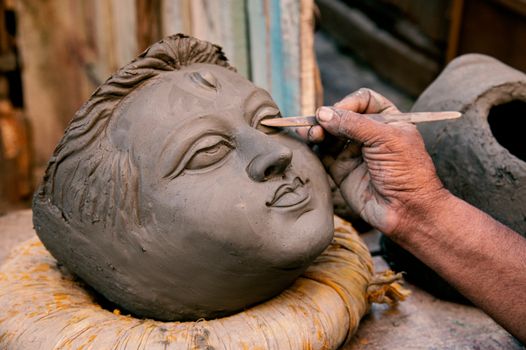
Imagine this: The Aegean sun warming your back, a gentle breeze carrying the scent of salt and wild herbs, and your hands, covered in cool, earthy clay, coaxing a vessel into being. This was my reality in Santorini, a world away from the postcard-perfect caldera views. While most tourists flock to Oia for sunset, I found my bliss in a small, family-run pottery studio nestled in the quiet village of Pyrgos.
The studio, run by a wonderfully patient artisan named Dimitris, was a haven of tranquility. He greeted me with a warm smile and a strong Greek coffee, then led me to a potter's wheel. My first attempt was, well, a disaster. A wobbly, misshapen blob that collapsed into itself. But Dimitris, with a twinkle in his eye, simply said, "The clay teaches patience." And he was right. With his gentle guidance, I learned to center the clay, to feel its rhythm, to apply just the right amount of pressure. For three glorious hours, the world outside melted away. It was just me, the clay, and the ancient art form that has shaped Greek culture for millennia.
I didn't leave with a perfect amphora (my little bowl was charmingly lopsided), but I left with something far more valuable: a deep sense of accomplishment and a profound connection to the island's history. Pottery here isn't just a craft; it's a living legacy, dating back to the Minoans. Feeling the same earth they used, shaping it with my own hands, was an incredibly grounding experience.
Location: While there are studios in Fira and Oia, I highly recommend seeking out smaller, more authentic experiences in villages like Pyrgos or Akrotiri. Price: Expect to pay around €80-€150 for a 3-4 hour introductory session, often including materials and the firing of one piece (which they can ship to you!). What you'll learn: Basics of wheel throwing, hand-building techniques, and often a brief history of Aegean pottery. Tripsora Tip: Book your session for late afternoon. The light is incredible, and the post-workshop glow of creation combined with a Greek sunset is pure magic. Wear clothes you don't mind getting dirty, and be prepared to get lost in the moment.
2. Weaving Stories: Traditional Textiles in Oaxaca, Mexico
Oaxaca, Mexico, is a riot of color, flavor, and ancient traditions. But beyond the vibrant markets and delicious mole, lies a treasure trove of textile artistry, particularly in the Zapotec village of Teotitlán del Valle. This village has been famous for its wool rugs and blankets for over 2,000 years, using techniques passed down through generations.
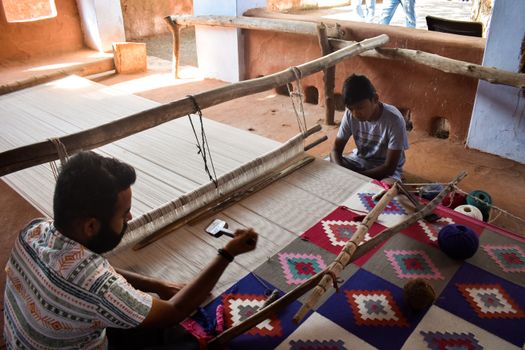
My workshop was with a family of master weavers, the Vasquez family, whose home doubled as their studio. The air hummed with the gentle clack of looms and the earthy scent of natural dyes. I was introduced to Doña Maria, whose hands, gnarled with age, moved with astonishing grace as she demonstrated the intricacies of the backstrap loom. It looked incredibly complex, but she assured me, "Every thread tells a story. You just need to listen."
I spent a half-day learning the fundamentals of the loom, meticulously passing the shuttle back and forth, watching the threads slowly intertwine. But the real magic happened when we delved into natural dyeing. We ground cochineal insects to produce vibrant reds, extracted indigo from plants for deep blues, and even used pomegranate skins for rich yellows. It was a sensory explosion, connecting me directly to the land and the ancient knowledge of its people. I didn't finish a rug, of course, but I created a small, colorful coaster – a tangible reminder of the patience, skill, and cultural heritage woven into every fiber.
Location: Teotitlán del Valle, a short drive from Oaxaca City. Many tour operators offer day trips that include a weaving workshop, or you can take a local bus and visit independent studios. Price: Workshops typically range from $50-$100 for a half-day session, often including a delicious home-cooked meal. What you'll learn: Basic loom operation, an introduction to natural dyeing processes, and the cultural significance of Zapotec textiles. Tripsora Tip: Be sure to ask about the different natural dyes and their sources – it's fascinating! Support local artisans by purchasing directly from them; you'll get a unique piece and contribute directly to the preservation of their craft.
3. Forging Fire: Blacksmithing in the Scottish Highlands
If you told me a year ago I'd be swinging a hammer at glowing metal in the Scottish Highlands, I would have laughed. I'm not exactly known for my brute strength. But that's the beauty of these workshops – they push you out of your comfort zone in the best possible way. My blacksmithing adventure took place in a rustic, open-air forge near Inverness, surrounded by the dramatic beauty of the Highlands.
My instructor, a burly but surprisingly gentle man named Hamish, looked like he'd stepped right out of a historical novel. The moment I walked into the forge, the heat, the smell of coal smoke, and the rhythmic clang of hammer on anvil enveloped me. It was intimidating, exhilarating, and utterly primal. After a thorough safety briefing (gloves, eye protection, sturdy boots are a must!), Hamish showed me how to hold the hammer, how to "read" the heat of the metal, and how to strike with purpose.
My task: to forge a simple bottle opener. It started as a cold, unyielding piece of steel. But as I heated it in the roaring forge, then hammered and shaped it on the anvil, it slowly began to transform. Sweat poured down my face, muscles I didn't know I had protested, but with each successful strike, a surge of power and satisfaction coursed through me. By the end of the day, I held a surprisingly functional, albeit slightly asymmetrical, bottle opener that I had created with my own two hands. It was the most physically demanding, yet incredibly empowering, experience I've ever had while traveling.
Location: Look for small, independent workshops in rural areas of the Scottish Highlands, often near popular tourist routes like the North Coast 500 or around the Isle of Skye. A quick Google search for "blacksmithing experience Scotland" will yield results. Price: Full-day workshops typically cost between £100-£250, including all materials and safety gear. What you'll learn: Basic hammer control, drawing out, upsetting, bending, and the art of working with hot steel. You'll likely create a small item like a hook, bottle opener, or a small decorative piece. Tripsora Tip: This is a truly immersive, hands-on experience. Wear old, sturdy, natural-fiber clothing (synthetics can melt!) and closed-toe shoes. Embrace the physicality and the dirt – it's all part of the authentic experience.
4. The Art of the Brush: Calligraphy in Kyoto, Japan
After the rugged intensity of blacksmithing, I yearned for something more serene, more contemplative. Kyoto, with its ancient temples and tranquil gardens, was the perfect setting for a traditional Japanese calligraphy (Shodo) workshop. I found a small studio tucked away in the Gion district, run by a soft-spoken sensei named Akiko.
The studio was minimalist, with tatami mats, a low table, and the scent of ink subtly perfuming the air. We sat cross-legged, and Akiko introduced us to the tools: the fude (brush), sumi (ink stick), suzuri (inkstone), and washi (paper). She explained that Shodo is more than just writing; it's a form of meditation, a way to express the spirit through the brush.
My first attempts were clumsy, my characters wobbly and uneven. But Akiko didn't criticize; she encouraged. She taught me about the importance of breath, the flow of energy from my core to the tip of the brush, and the delicate balance between strength and softness. We practiced basic strokes, then moved on to simple kanji characters like "peace" (平和) and "beauty" (美). Each stroke required absolute focus, an emptying of the mind, and a complete presence in the moment. It was incredibly challenging, yet profoundly calming. I left with a newfound appreciation for the elegance of Japanese script and a sense of inner tranquility that lingered long after the ink had dried.
Location: Kyoto offers numerous calligraphy workshops, especially in popular tourist areas like Gion, Arashiyama, and near Kiyomizu-dera Temple. Many cultural centers and even some hotels offer sessions. Price: Typically ¥3,000-¥7,000 for a 1-2 hour introductory class, including materials. What you'll learn: Basic brush strokes, how to prepare ink, the cultural significance of Shodo, and often how to write a simple kanji character or your name. Tripsora Tip: Embrace the silence and the focus. Don't worry about perfection; the beauty is in the process. Many workshops can be combined with a traditional tea ceremony for an even deeper cultural experience.
5. Beyond the Day: How These Experiences Linger
You might be thinking, "What can you really learn in just a day?" The answer is: more than you think. While you won't become a master artisan overnight, these workshops offer something far more valuable than just a new skill. They offer a shift in perspective, a deeper connection to culture, and a profound sense of personal accomplishment.
New Perspectives: I now look at a handmade ceramic bowl, a woven tapestry, or a forged iron gate with entirely new eyes. I see the hours of labor, the skill, the tradition, and the soul poured into each piece. It fosters a respect for craftsmanship in a world increasingly dominated by mass production.
Mindfulness and Creativity: In our fast-paced, digital world, these ancient trades force you to slow down, to focus, and to engage your hands and mind in a truly present way. It’s a form of active meditation that recharges your spirit and sparks dormant creativity.
Unique Souvenirs & Stories: Forget mass-produced trinkets. The lopsided bowl from Santorini, the tiny coaster from Oaxaca, the slightly crooked bottle opener from Scotland, and the imperfect calligraphy scroll from Kyoto – these are my most cherished souvenirs. Each one tells a story, not just of a place, but of my experience there. They're conversation starters and tangible memories that can't be found in any gift shop.
Connecting with Locals: These workshops are incredible opportunities to interact with local artisans, hear their stories, and understand their way of life. It’s a much more personal and authentic exchange than any guided tour.
Finding Your Own Spark: These experiences don't just teach you a craft; they teach you about yourself. They reveal hidden patience, untapped creativity, and a resilience you might not have known you possessed. For me, they truly changed my life forever by showing me a richer, more meaningful way to travel and to engage with the world.
So, how do you find these gems?
- Local Tourism Boards: Often have lists of cultural workshops.
- Airbnb Experiences / GetYourGuide / Viator: Filter by "crafts," "workshops," or "cultural experiences."
- Ask Locals: The best recommendations often come from the people who live there. Ask your hotel concierge, guesthouse owner, or local restaurant staff.
- Specialized Craft Tours: Some companies focus solely on connecting travelers with artisans.
When you go, be open. Be curious. Don't fear imperfection – it's part of the learning journey. Engage with your instructor, ask questions, and soak in every moment. Document your journey (responsibly, without disturbing the process!) with photos and videos, because these are the memories you'll treasure most.
Conclusion: Don't Just See the World, Feel It
My journey from a jaded tourist to an accidental artisan has been one of the most fulfilling chapters of my travels. These ancient trades, learned in a day, didn't just teach me new skills; they taught me patience, presence, and the profound beauty of human ingenuity. They reconnected me with history, with culture, and most importantly, with myself.
So, the next time you're planning a trip, consider stepping off the beaten path and into a local workshop. Don't just see the world through a camera lens; experience it with your hands, your heart, and your soul. You might just discover a passion you never knew you had, forge a connection that lasts a lifetime, and create a souvenir that genuinely changed your life forever.
Which ancient trade will you master first? Share your experiences and workshop recommendations in the comments below! Let's inspire each other to travel deeper and create memories that truly resonate. Don't just observe; participate!
---